
Russian hibiscus
Also known as: Information to be completed
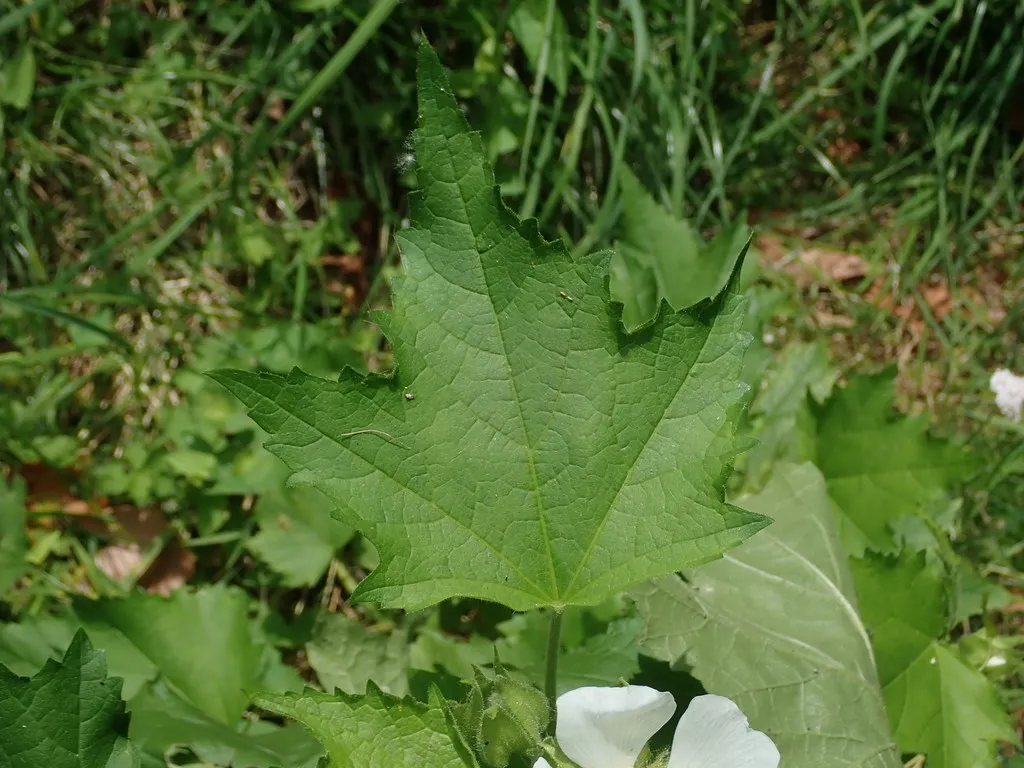
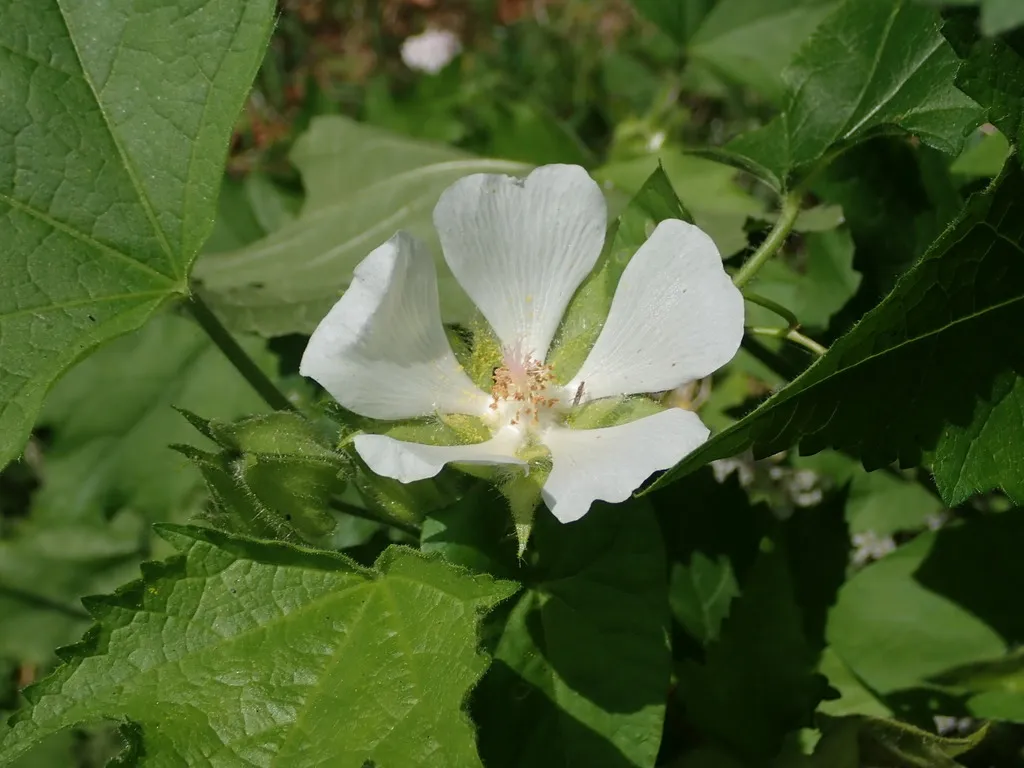
A large, bushy, herbaceous perennial to 2.5m with hairy stems and large, sycamore-like leaves. The saucer-shaped flowers are white or pale pink, 5cm across, and appear from mid-summer to early autumn
Scientific classification
- Species
- Russian hibiscus (Kitaibelia vitifolia)
- Genus
- Kitaibelia
- Family
- Malvaceae
- Order
- Malvales
- Class
- Magnoliopsida
- Phylum
- Magnoliophyta
- Information to be completed
- Toxicity
- Herbaceous Perennial
- Plant type
- 1.5-2.5 metres
- Height
- 1.5-2.5 metres
- Spread
- Deciduous
- Foliage
- Bushy
- Habit
- Spring · Summer · Autumn
- Season of interest
- Full shade · Full sun · Partial shade
- Sunlight
- Information to be completed
- Ideal temperature









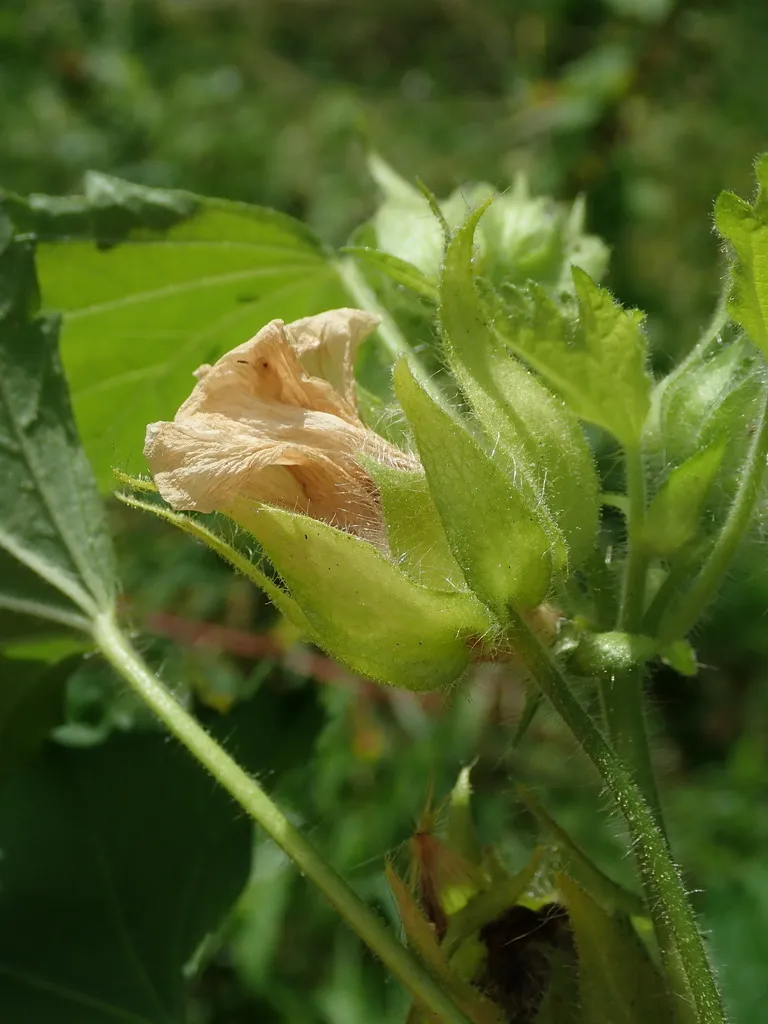
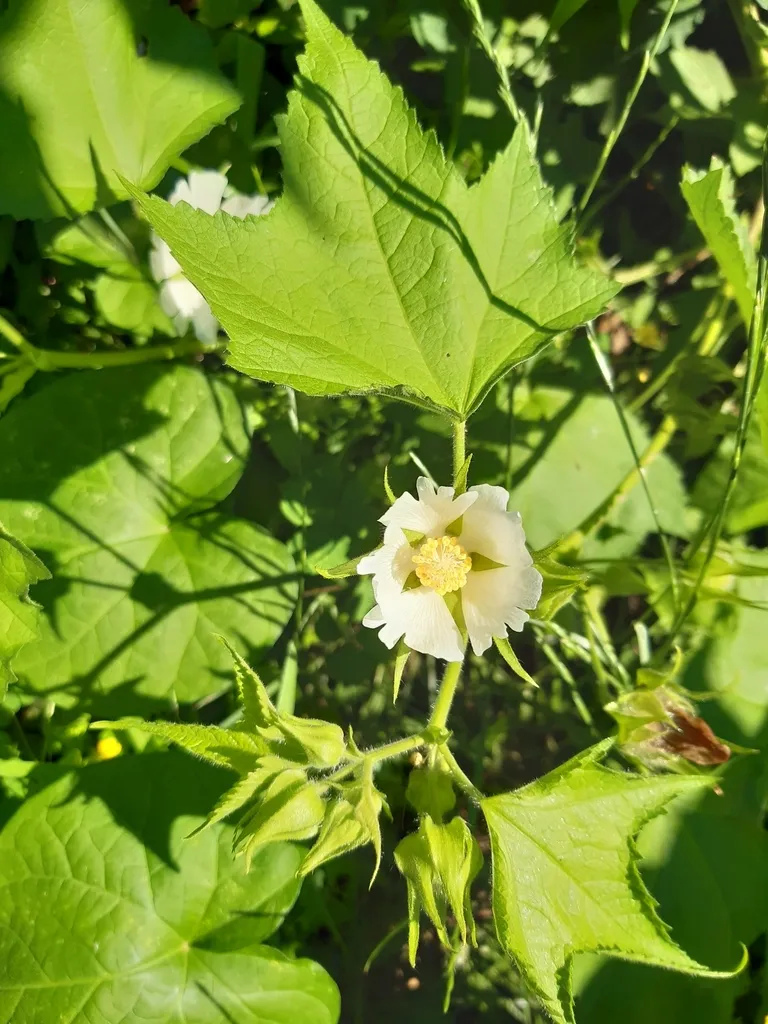
Russian hibiscus pictures
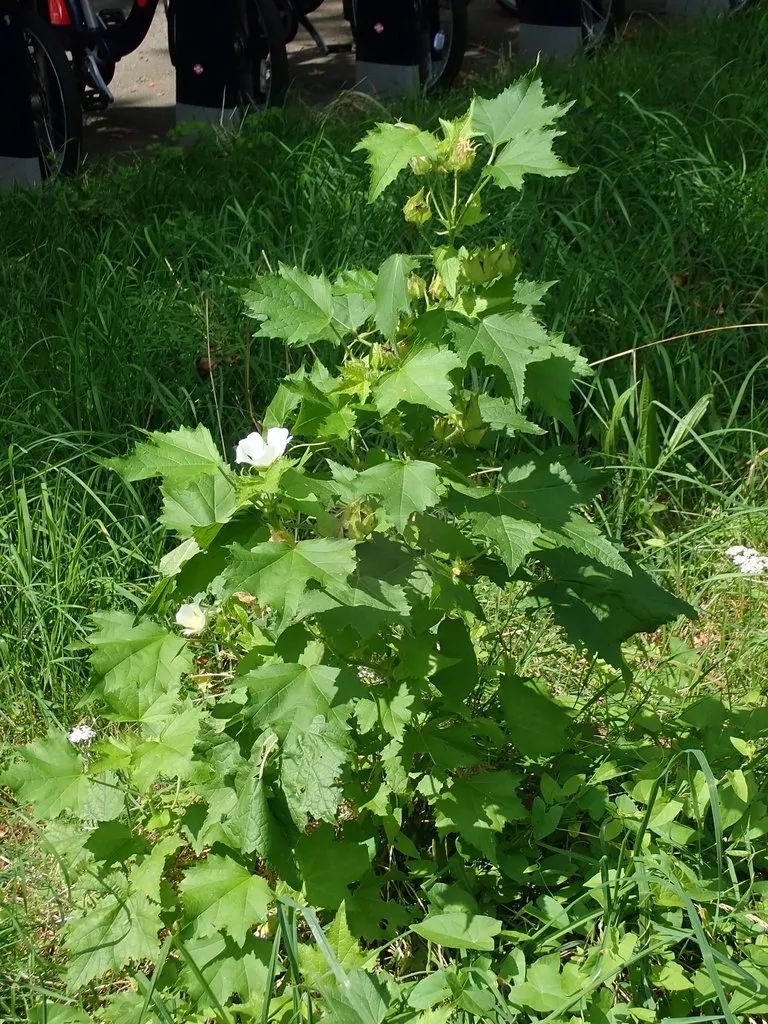
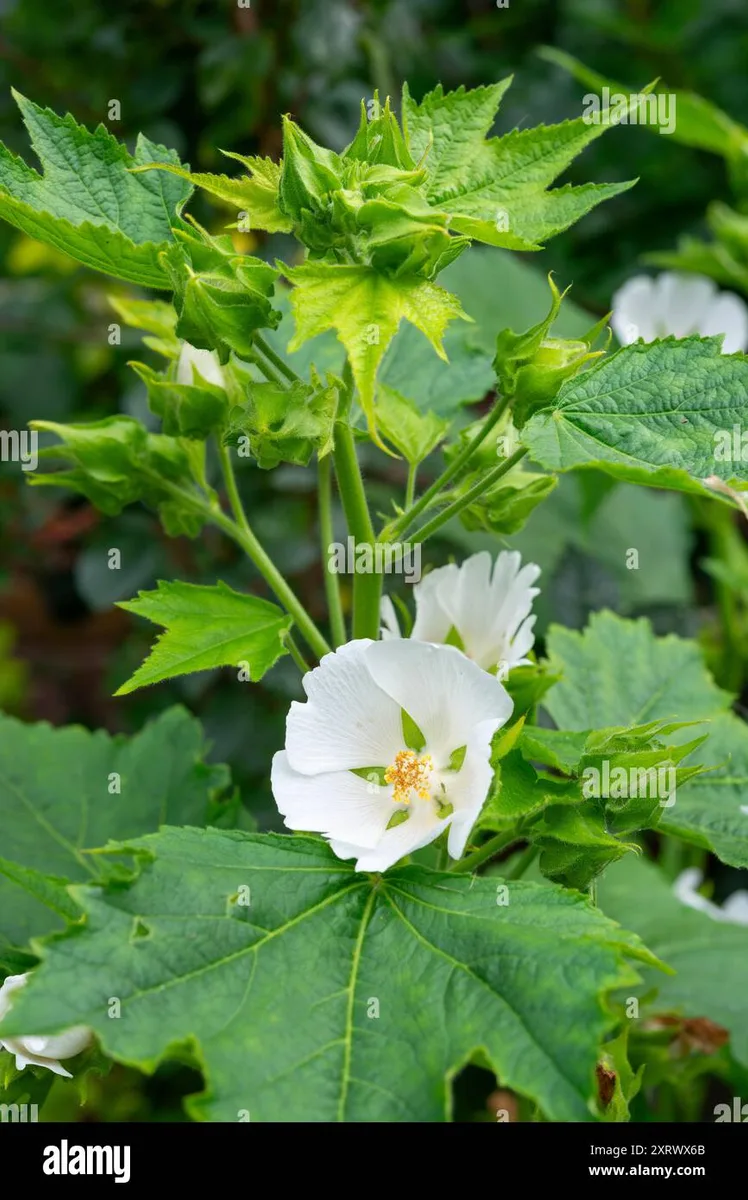
Distribution of Russian hibiscus
Distribution map
- Native
- Introduced
- Cultivated
Source:WCVP v16 · Royal Botanic Gardens, Kew · CC BY 3.0 · Boundaries:WGSRPD / TDWG
Russian hibiscus care guide
- Moderate regular watering, avoid prolonged drought or waterlogging
- Watering
- Full shade · Full sun · Partial shade
- Sunlight

Watering
Moderate regular watering, avoid prolonged drought or waterlogging
Fertilizing
 Fertilizing
Balanced feed in spring and light repeat in growth season
Pruning
 Pruning
Cut down to ground in late autumn
Propagation
 Propagation
Propagate by seed or by division
Growing
 Growing
Grow in well-drained soil in sun or shade
Common pests and diseases
Diseases
Generally trouble free
Pests
Generally trouble free
Explore the plant health library →




