
Canary Island aeonium
Also known as: giant velvet rose; velvet rose
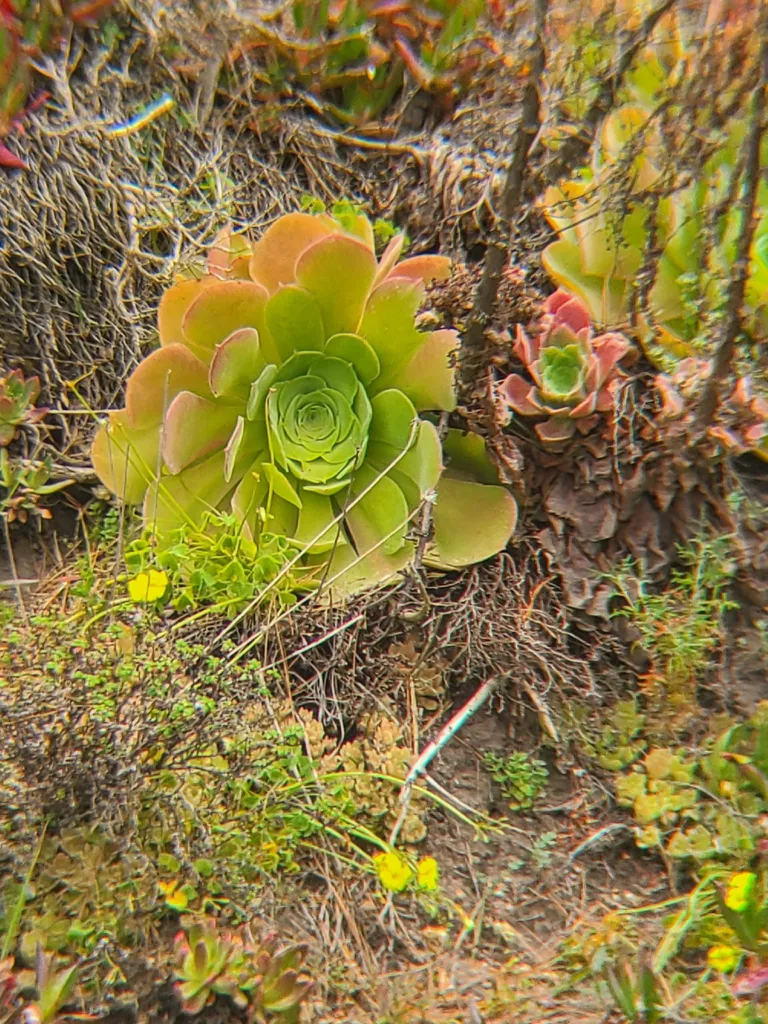
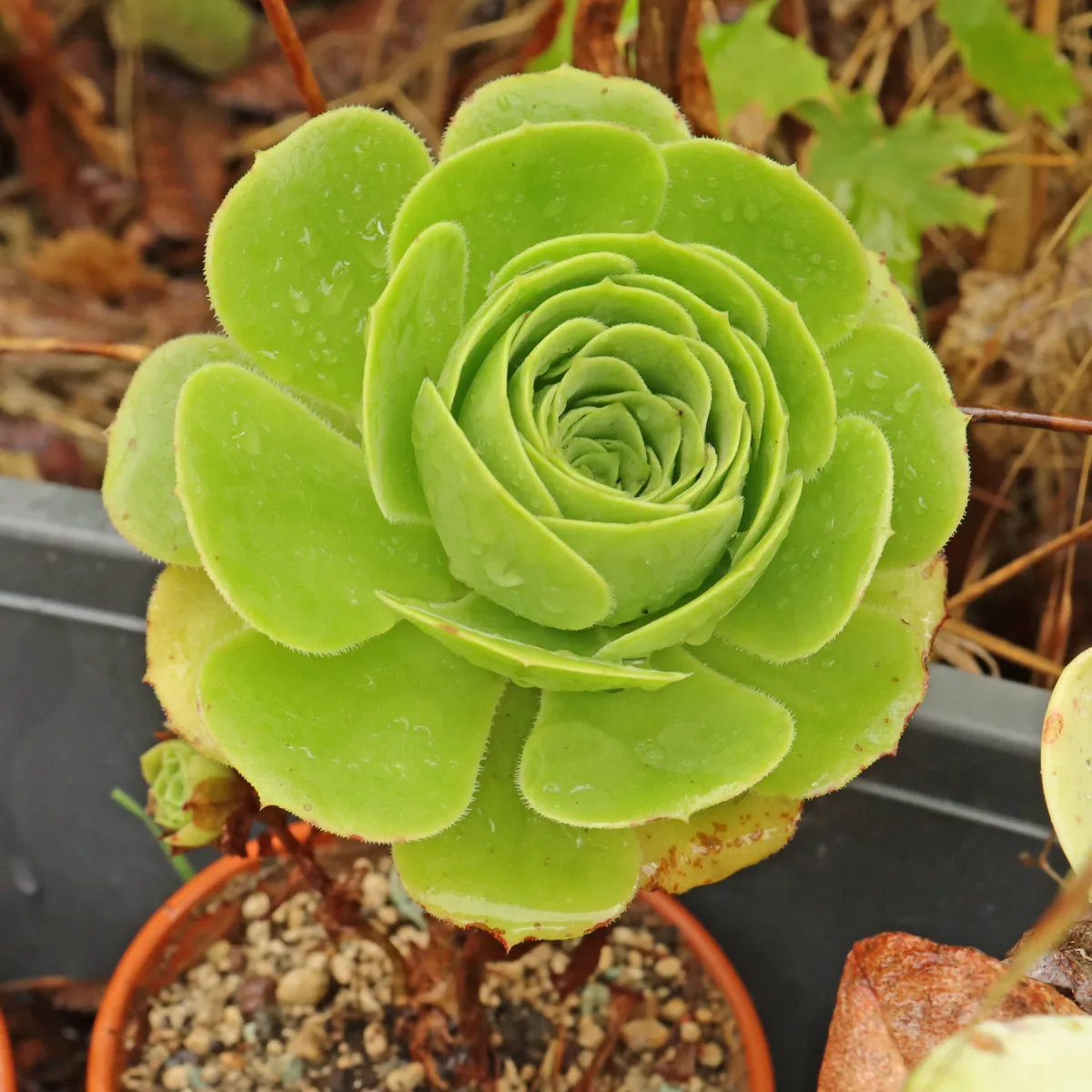
A green succulent which forms large rosettes of bright green fleshy leaves. It slowly develops a bare stem as the rosettes grows upwards to 1m in the wild but more like 50cm in a pot. If the top is pruned, it develops side shoots and a more bushy habit. It may eventually grow heads of yellow-green flowers after which it will die
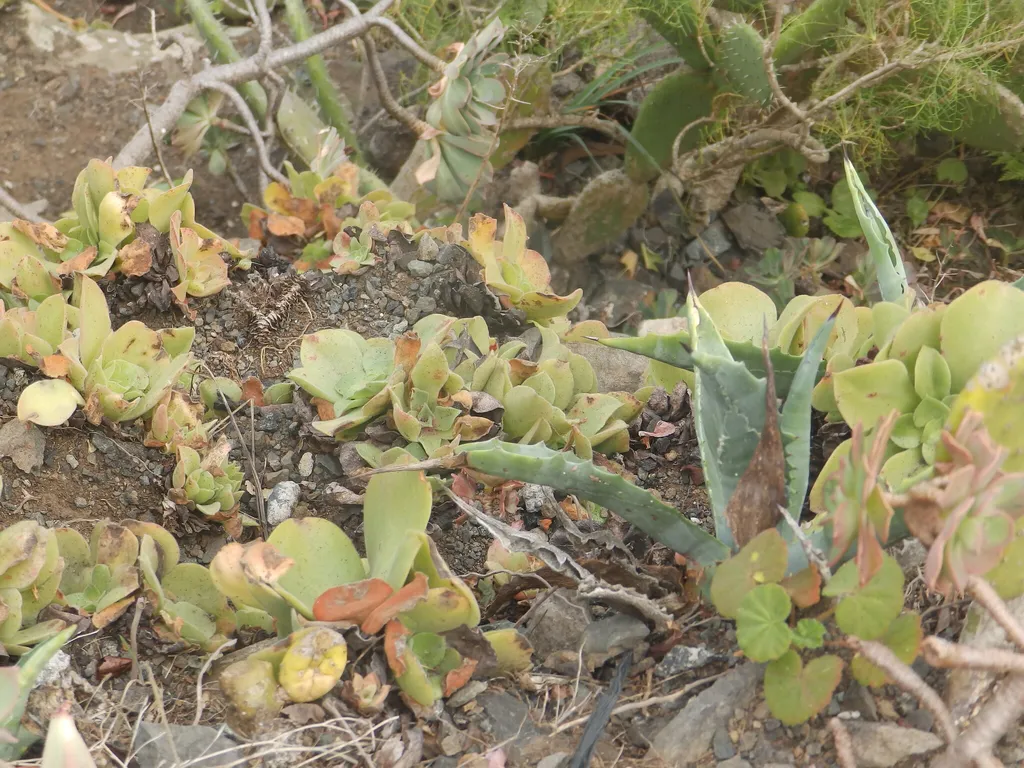
Scientific classification
- Species
- Canary Island aeonium (Aeonium canariense)
- Genus
- Aeonium
- Family
- Crassulaceae
- Information to be completed
- Toxicity
- Cactus Succulent
- Plant type
- 0.1-0.5 metres
- Height
- 0.1-0.5 metres
- Spread
- Evergreen
- Foliage
- Matforming · Columnar upright
- Habit
- Spring · Summer · Autumn · Winter
- Season of interest
- Full sun · Partial shade
- Sunlight
- Information to be completed
- Ideal temperature









Canary Island aeonium pictures
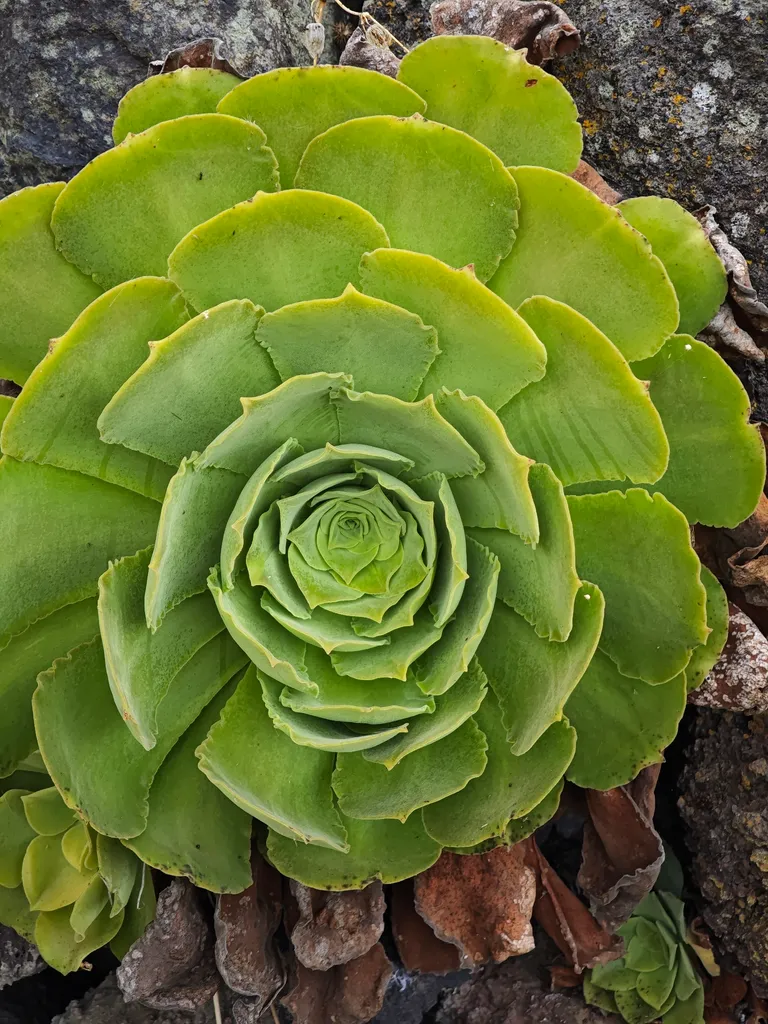
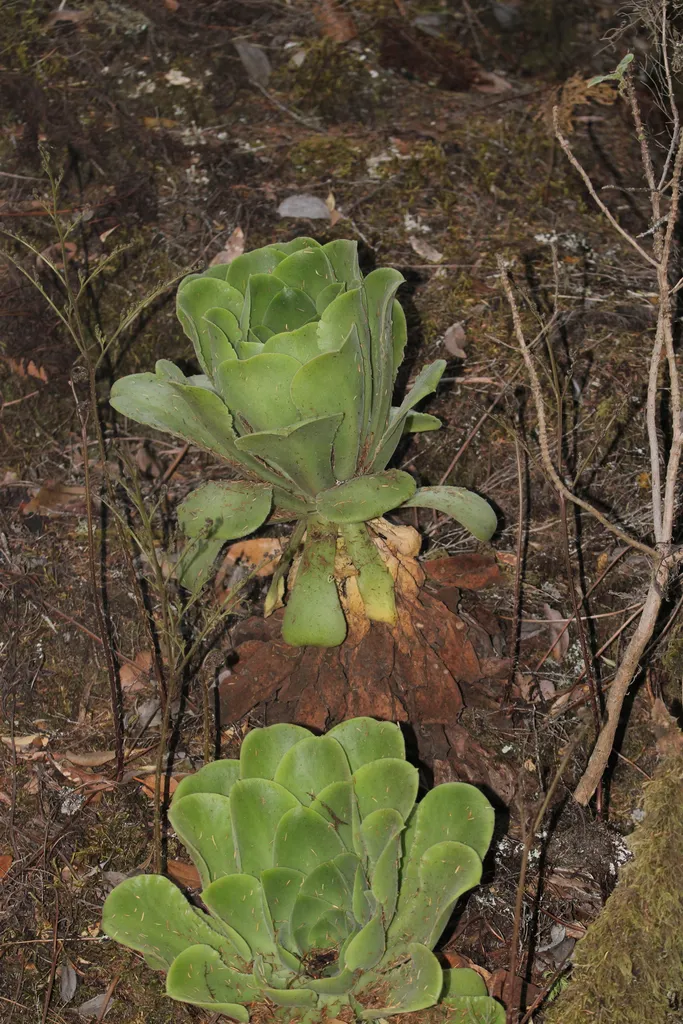
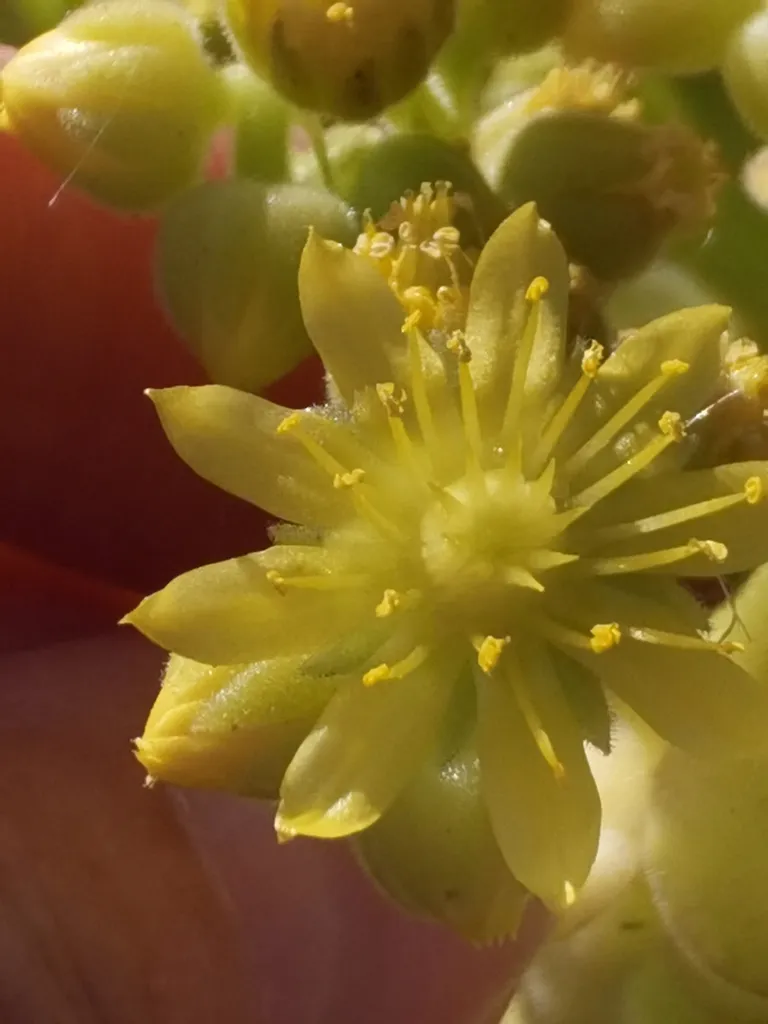
Distribution of Canary Island aeonium
Distribution map
Canary Islands, Tenerife
Information to be completed
Culture
Information to be completed
Toxicity
Information to be completed
Quick identification of Canary Island aeonium
Information to be completed
Canary Island aeonium care guide
- Water thoroughly only after substrate fully dries, suspend watering in winter
- Watering
- Full sun · Partial shade
- Sunlight
- Information to be completed
- Ideal temperature

Watering
Water thoroughly only after substrate fully dries, suspend watering in winter
Fertilizing
 Fertilizing
Highly diluted low-nitrogen succulent feed monthly in summer growth
Pruning
 Pruning
No pruning required
Propagation
 Propagation
Propagate by seed sown at 19-24C in spring or by cuttings of rosettes kept at 18C and barely moist until rooted
Growing
 Growing
Grow in any well-lit and well-drained soil. For more advice see houseplant cacti and succulent cultivation
People also ask
Information to be completed
Common pests and diseases
Diseases
Generally disease-free
Pests
May be susceptible to aphids and mealybugs
Explore the plant health library →




