
striped-stemmed aloe
Also known as: Information to be completed
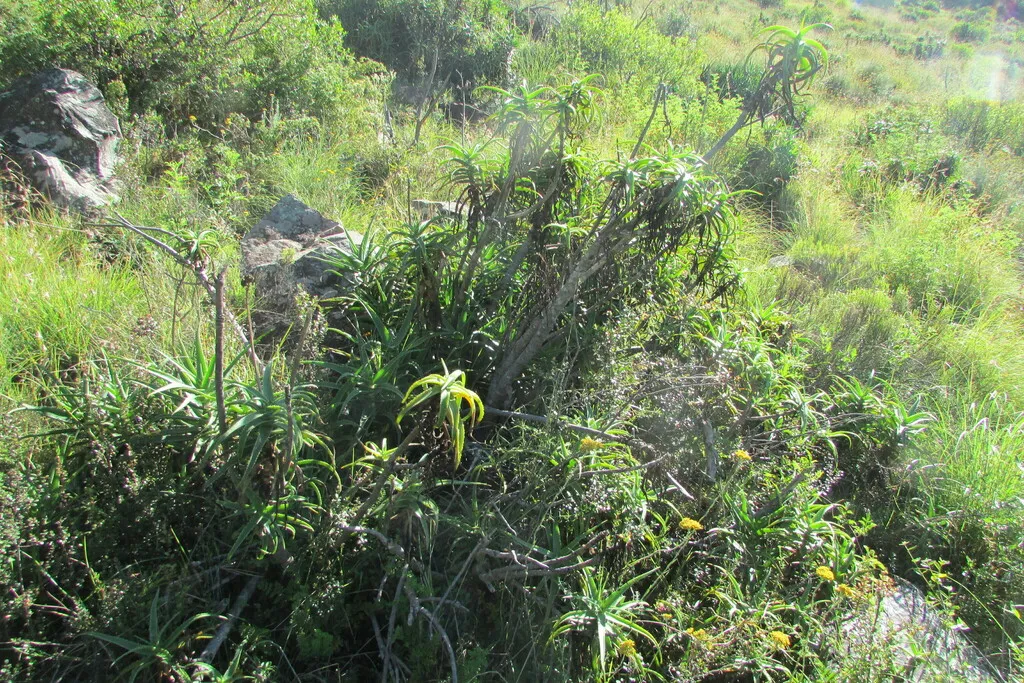
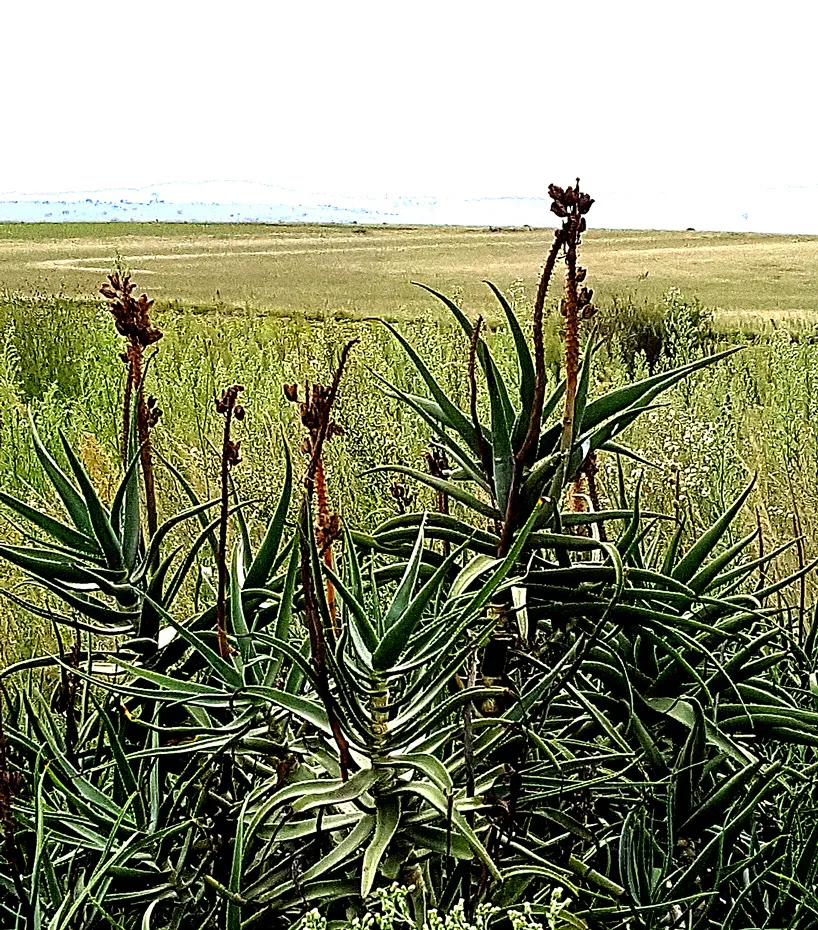
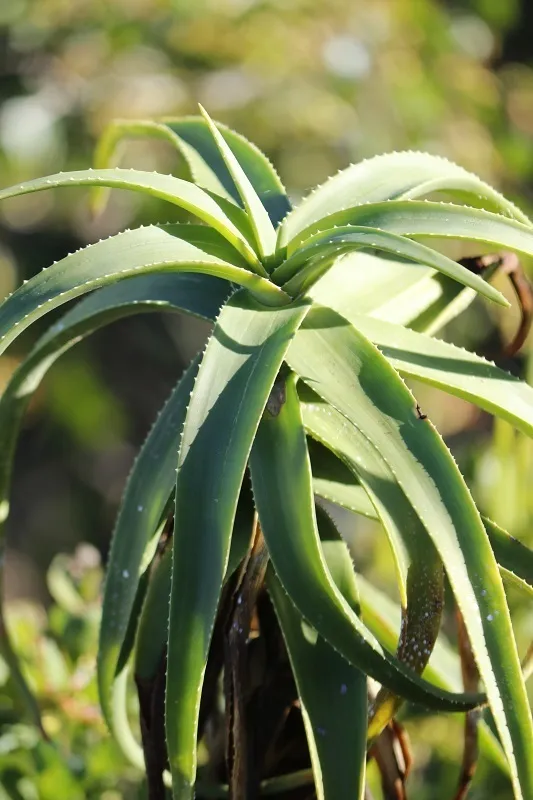
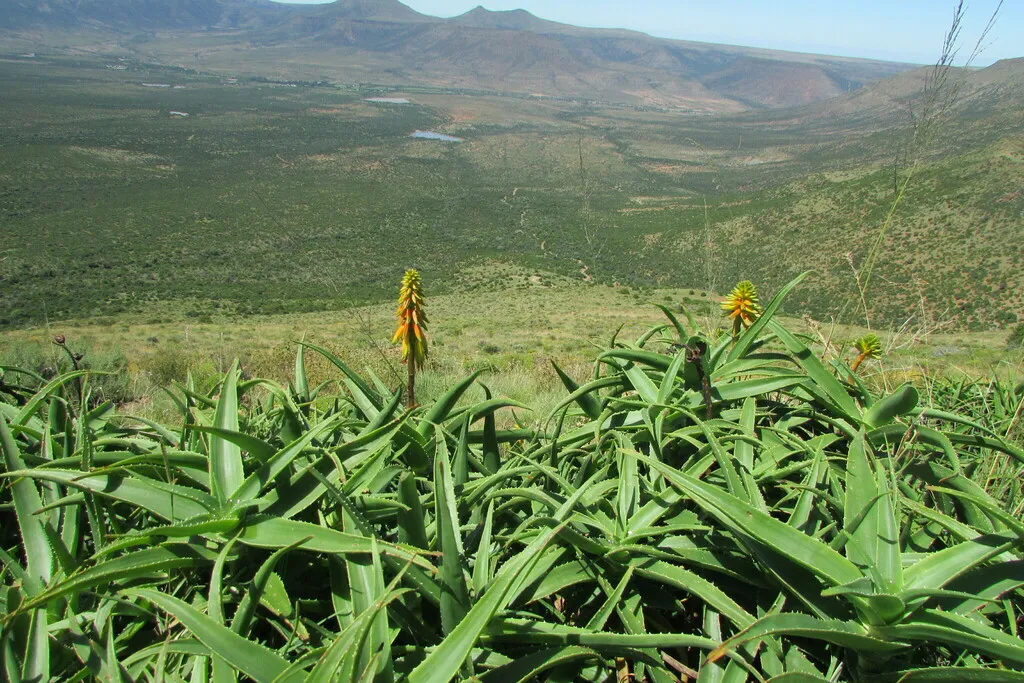
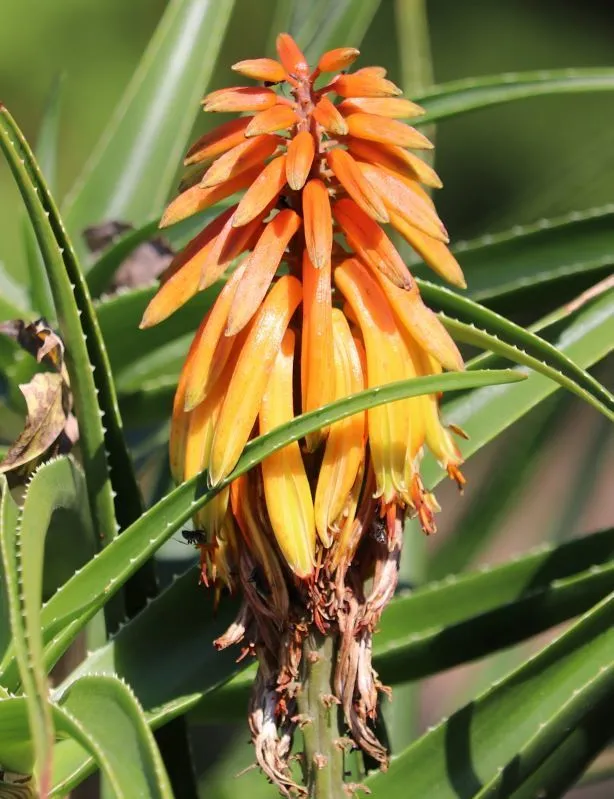
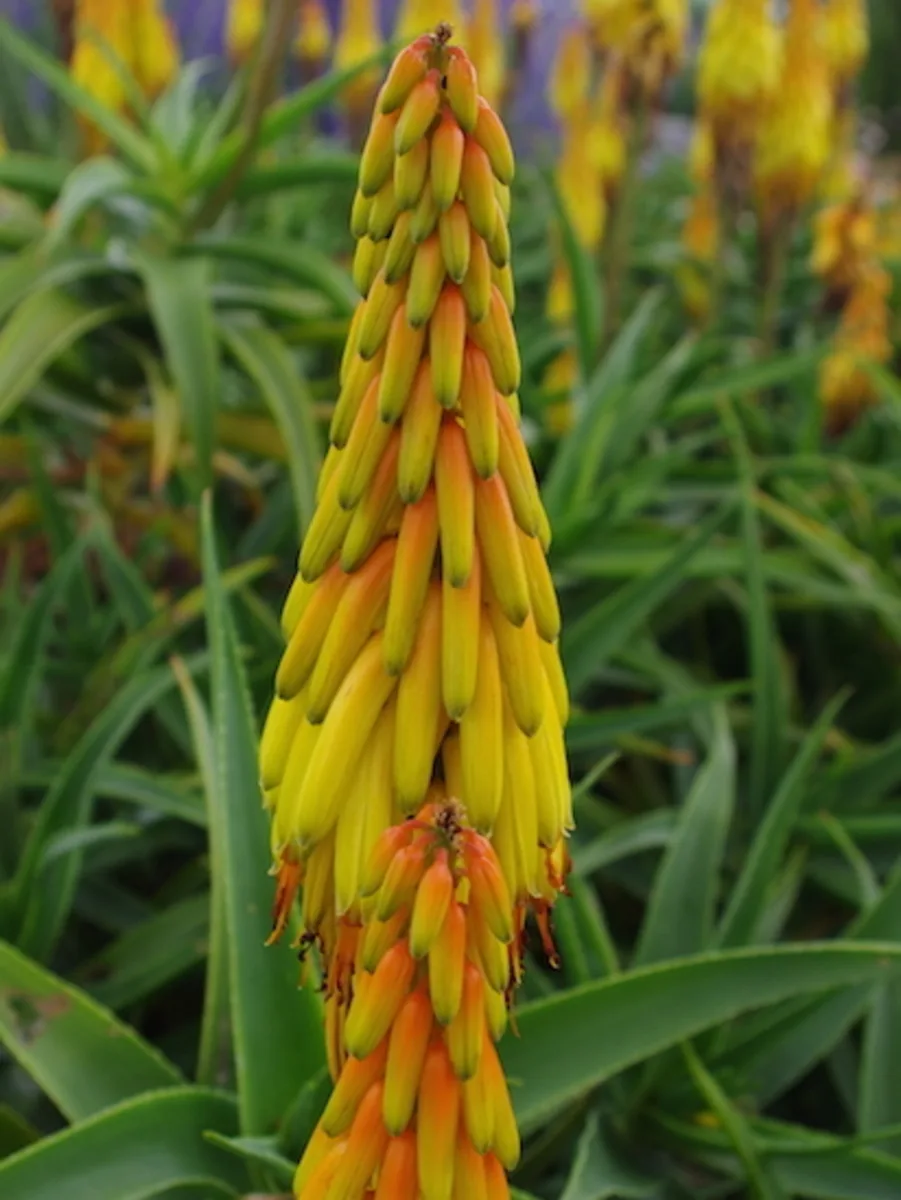
An evergreen succulent with bushy, scrambling stems. The stems and leaf sheaths are striped light and dark green. Yellow racemes of flowers with protruding orange stamens are produced on spikes 40cm high in summer
Scientific classification
- Species
- striped-stemmed aloe (Aloiampelos striatula)
- Genus
- Aloiampelos
- Family
- Asphodelaceae
- Order
- Asparagales
- Class
- Liliopsida
- Phylum
- Magnoliophyta
- Information to be completed
- Toxicity
- Cactus Succulent
- Plant type
- 1.5-2.5 metres
- Height
- 1.5-2.5 metres
- Spread
- Evergreen
- Foliage
- Bushy
- Habit
- Spring · Summer · Autumn · Winter
- Season of interest
- Full sun
- Sunlight
- Information to be completed
- Ideal temperature









striped-stemmed aloe pictures
Distribution of striped-stemmed aloe
Distribution map
- Native
- Introduced
- Cultivated
Source:WCVP v16 · Royal Botanic Gardens, Kew · CC BY 3.0 · Boundaries:WGSRPD / TDWG
striped-stemmed aloe care guide
- Moderate regular watering, avoid prolonged drought and stagnant waterlogging
- Watering
- Full sun
- Sunlight

Watering
Moderate regular watering, avoid prolonged drought and stagnant waterlogging
Fertilizing
 Fertilizing
Balanced perennial feed every four weeks spring through summer growth
Pruning
 Pruning
None required
Propagation
 Propagation
Propagate by seed in spring at 21°C or from stem cuttings in summer
Growing
 Growing
Outdoors, grow in a sharply-draining soil in full sun. Under glass grow in a sharply-draining loam based compost (JI No2) with extra sand or perlite. Water freely during the growth period from spring to autumn, and more sparingly when dormant during the winter. Outdoors protect from excessive winter wet. As an endemic of high-altitude habitats in South Africa, if given very sharp drainage is hardy in average winters throughout much of the UK, except the far north
Common pests and diseases
Diseases
Generally disease free, except in wet or poorly-drained soils where it can be susceptible to root rot
Pests
scale insects and mealybugs can be a problem under glass
Explore the plant health library →




