
common rose mallow
Also known as: crimsoneyed rosemallow; purple marsh rose mallow; sea hollyhock; swamp rose mallow; rose mallow
A tall, strong-growing herbaceous perennial with upright stems, woody at the base. The broad leaves have toothed edges and white hairs on the underside. Large flowers, up to 20cm across, have spreading petals in white, pink or pinky-red, sometimes with a dark eye
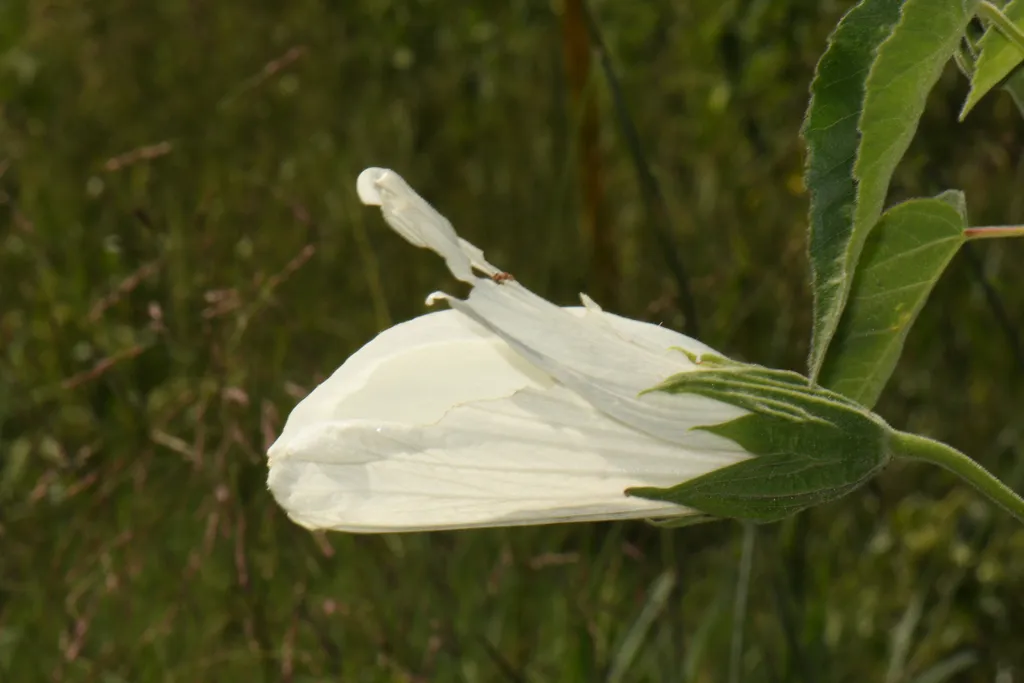
Scientific classification
- Species
- common rose mallow (Hibiscus moscheutos)
- Genus
- Hibiscus
- Family
- Malvaceae
- Information to be completed
- Toxicity
- Herbaceous Perennial
- Plant type
- 1.5-2.5 metres
- Height
- 0.5-1 metres
- Spread
- Deciduous
- Foliage
- Bushy
- Habit
- Spring · Summer · Autumn
- Season of interest
- Full sun
- Sunlight
- Information to be completed
- Ideal temperature









common rose mallow pictures
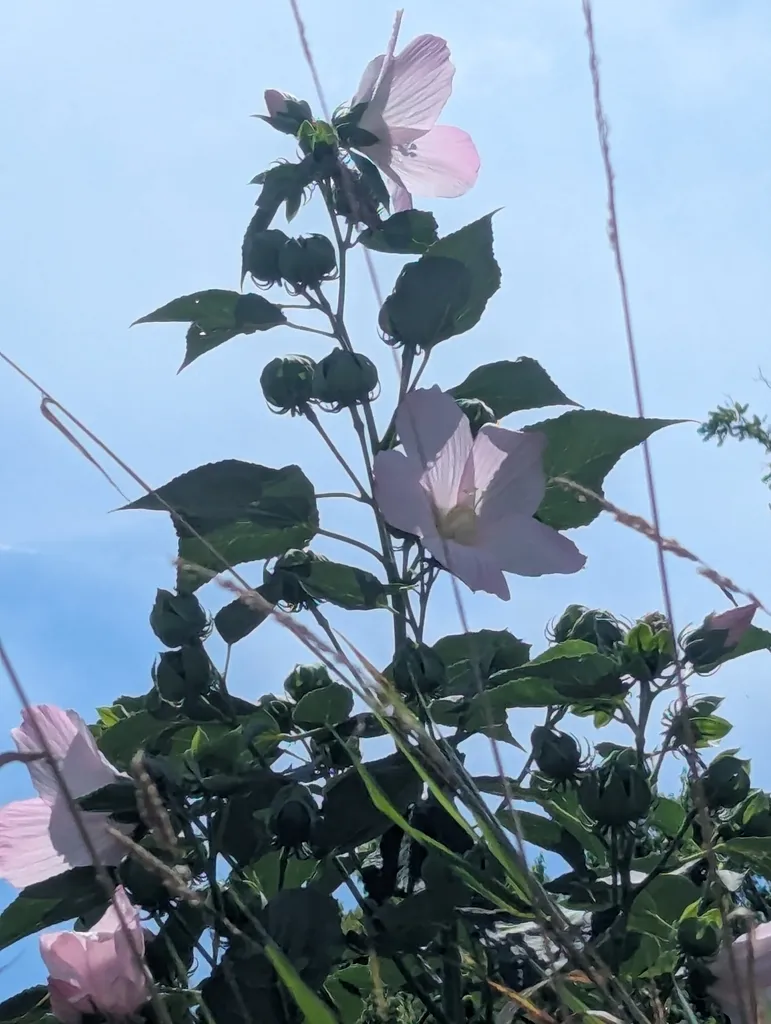
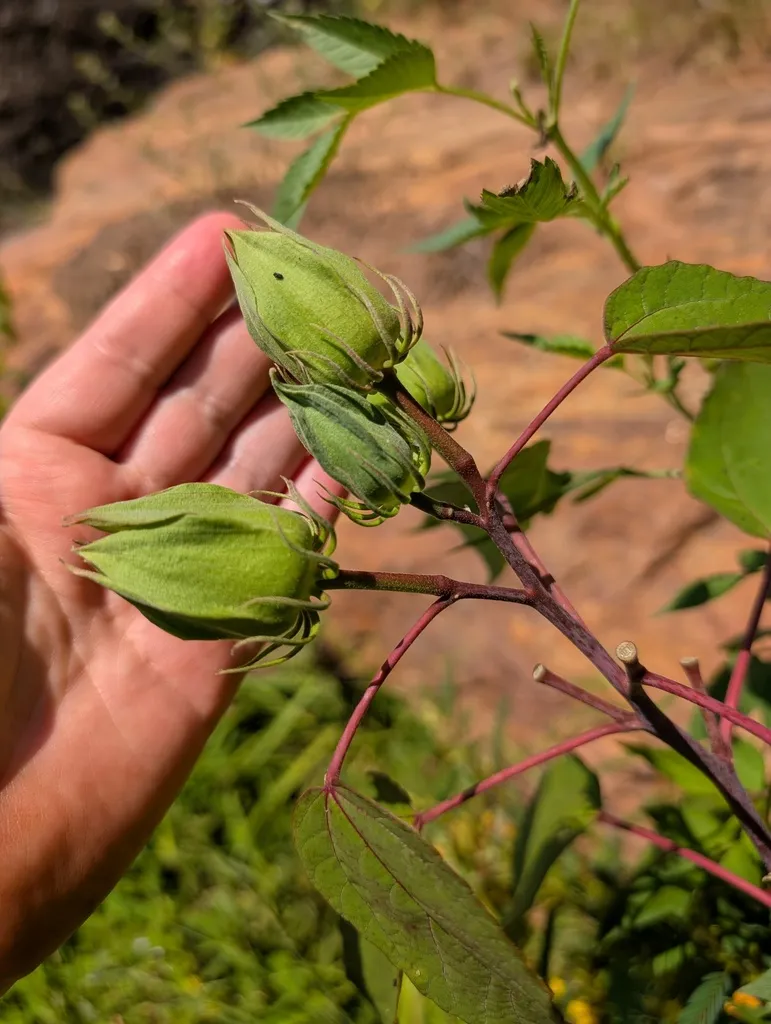
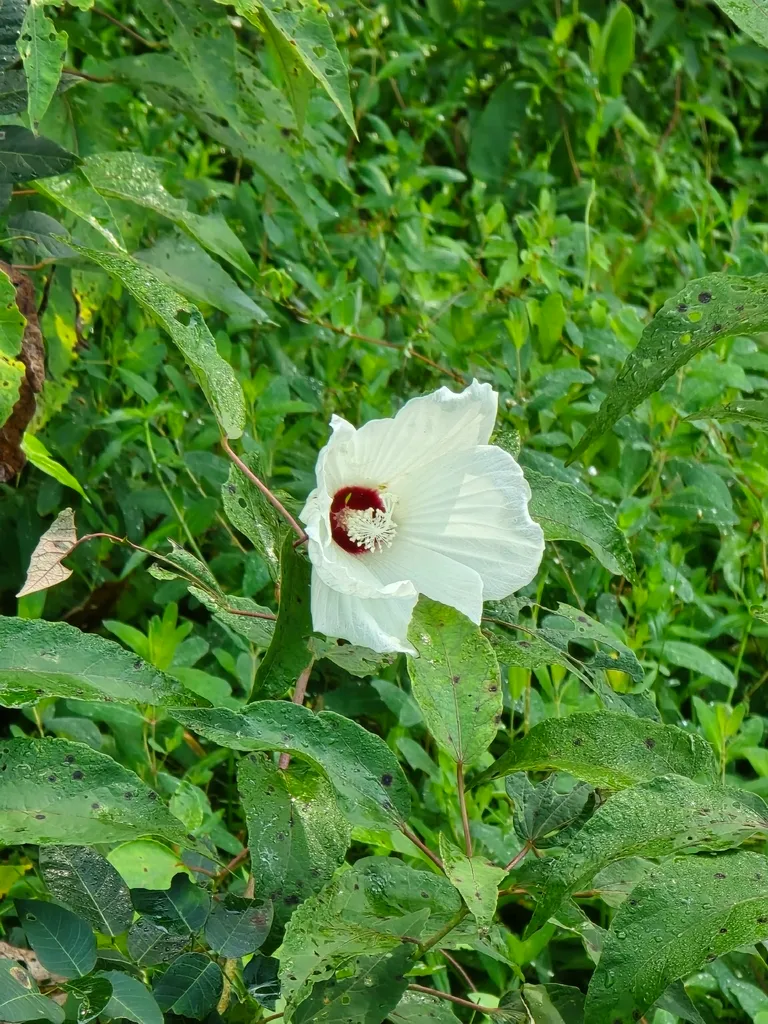
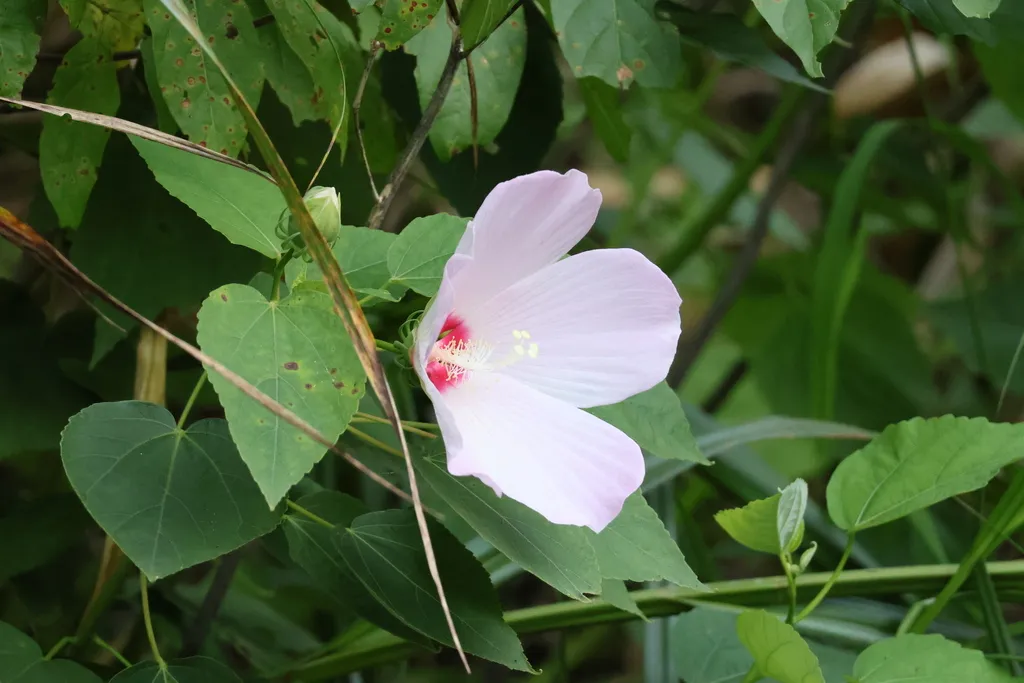
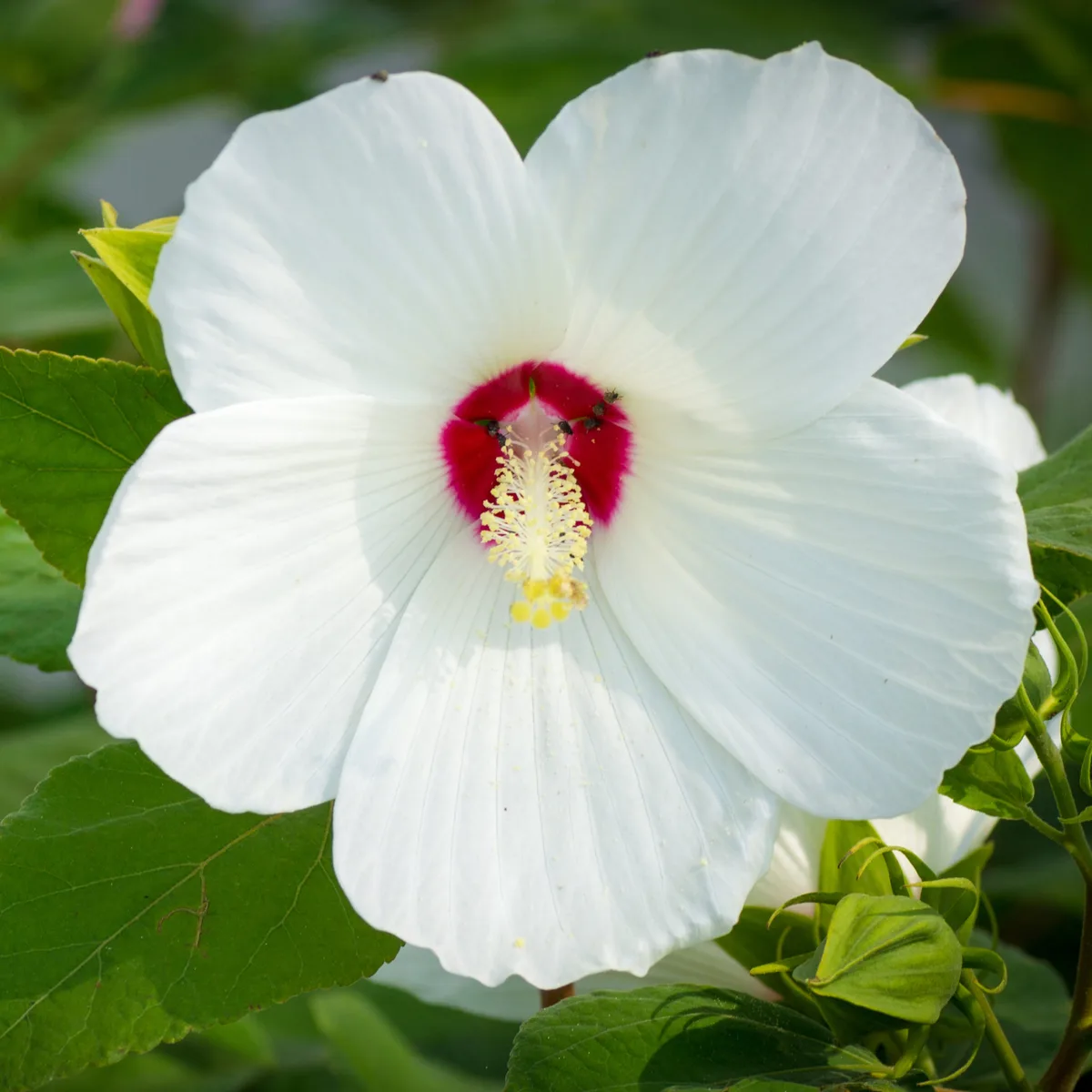
Distribution of common rose mallow
Distribution map
- Native
- Introduced
- Cultivated
Source:WCVP v16 · Royal Botanic Gardens, Kew · CC BY 3.0 · Boundaries:WGSRPD / TDWG
Culture
Information to be completed
Toxicity
Information to be completed
Quick identification of common rose mallow
Information to be completed
common rose mallow care guide
- Keep soil evenly moist in warm active growth
- Watering
- Full sun
- Sunlight
- Information to be completed
- Ideal temperature

Watering
Keep soil evenly moist in warm active growth
Fertilizing
 Fertilizing
Balanced feed regularly through growing season
Pruning
 Pruning
Little pruning is needed. Remove diseased, damaged, crowded or crossing shoots and unwanted growth. Timing depends on the plant: generally late winter or early spring; plants prone to bleeding and deciduous magnolias need different timing, and deciduous azaleas and lilacs are pruned after flowering. Only light pruning is usually needed.
Propagation
 Propagation
Propagate by seed or by division in spring, or by softwood or semi-hardwood cuttings
Growing
 Growing
May be grown outdoors in mild, frost-free areas, or in large containers that can be moved indoors over winter. Outdoors, grow in neutral to slightly alkaline soil in full sun, and mulch well over winter. Hibiscus need long, hot summers to flower well. Indoors, grow in bright filtered light with moderate humidity and good ventilation
People also ask
Information to be completed
Common pests and diseases
Diseases
May be susceptible to honey fungus (rarely) and powdery mildews
Pests
May be susceptible to aphids, scale insects, mealybugs and glasshouse whitefly when grown under glass
Explore the plant health library →




