
sword lily 'Robinetta'
Also known as: Information to be completed
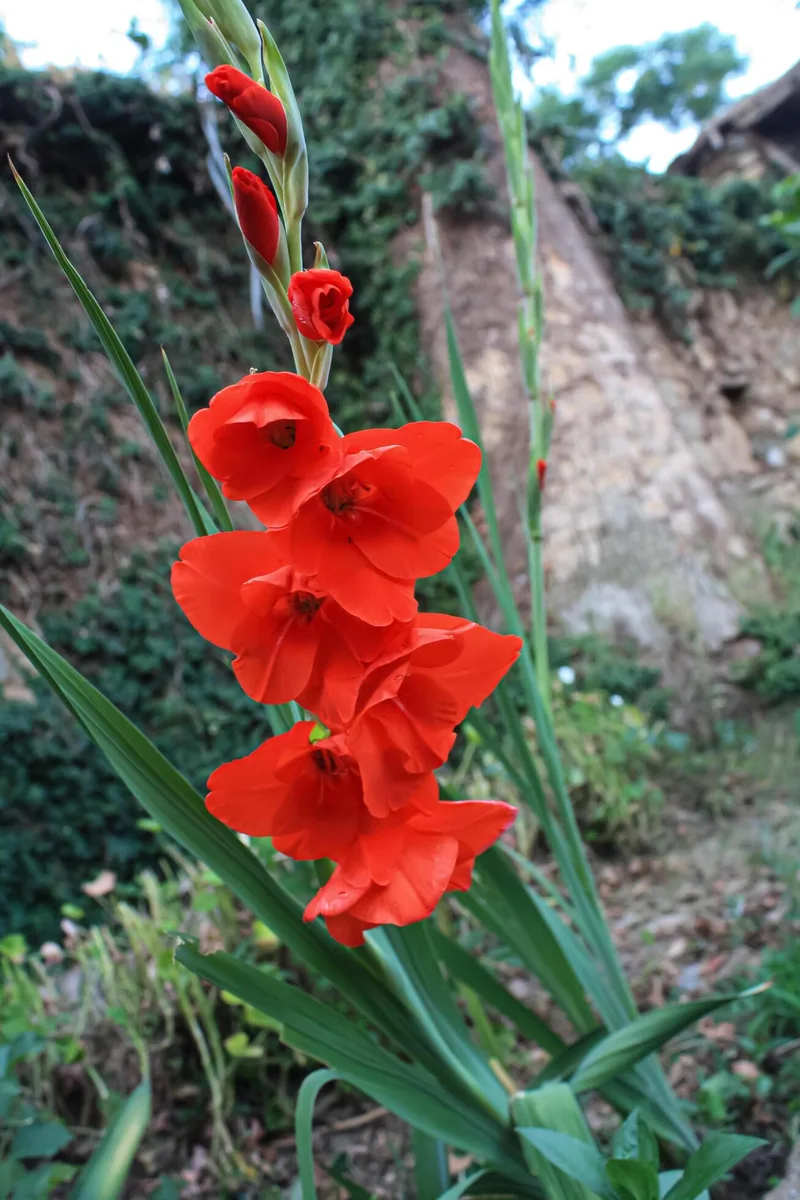
Robinetta' grows to around 50cm and in early summer produces rich-pink flowers with a narrow cream splash on the lower petals
Scientific classification
- Species
- sword lily 'Robinetta' (Gladiolus 'Robinetta')
- Genus
- Gladiolus
- Family
- Iridaceae
- Ornamental bulbs, not to be eaten. Wear gloves and other protective equipment when handling]
- Toxicity
- Bulbs
- Plant type
- 0.1-0.5 metres
- Height
- 0-0.1 metre
- Spread
- Deciduous
- Foliage
- Columnar upright
- Habit
- Spring · Summer
- Season of interest
- Full sun
- Sunlight
- Information to be completed
- Ideal temperature









sword lily 'Robinetta' pictures
Distribution of sword lily 'Robinetta'
Distribution map
Information to be completed
Information to be completed
Culture
Information to be completed
Toxicity
Ornamental bulbs, not to be eaten. Wear gloves and other protective equipment when handling]
Quick identification of sword lily 'Robinetta'
Information to be completed
sword lily 'Robinetta' care guide
- Mild damp soil growth stage, complete drying during dormancy period
- Watering
- Full sun
- Sunlight
- Information to be completed
- Ideal temperature

Watering
Mild damp soil growth stage, complete drying during dormancy period
Fertilizing
 Fertilizing
Weak gladiolus corm feed biweekly before flower stalk emergence
Pruning
 Pruning
Snap off old stems from the corms when lifting them for winter storage
Propagation
 Propagation
Separate cormlets when lifting in autumn
Growing
 Growing
Grow gladioli in fertile, well-drained soil in full sun. Plant corms 10-16cm deep in spring. If the soil is not perfectly drained, plant the corms on a bed of sand. When the flower spikes reach one third to half their final height, feed with a potassium-rich fertiliser such as a tomato feed. Repeat every 10-14 days until three weeks after flowering. In areas where there is frost, lift the corms when the foliage has turned yellow-brown. Snap the stem off the corms and dry the corms off for 14 days and keep the new corms dry and frost-free until planting time
People also ask
Information to be completed
Common pests and diseases
Diseases
May be susceptible to gladiolus corm rot, grey moulds (Botrytis), Fusarium bulb rot, gladiolus core rot, gladiolus dry rot, gladiolus scab and neck rot, fungal leaf spot, and virus diseases
Pests
May be susceptible to gladiolus thrip, aphids and slugs
Explore the plant health library →




