
sicklethorn
Also known as: Information to be completed
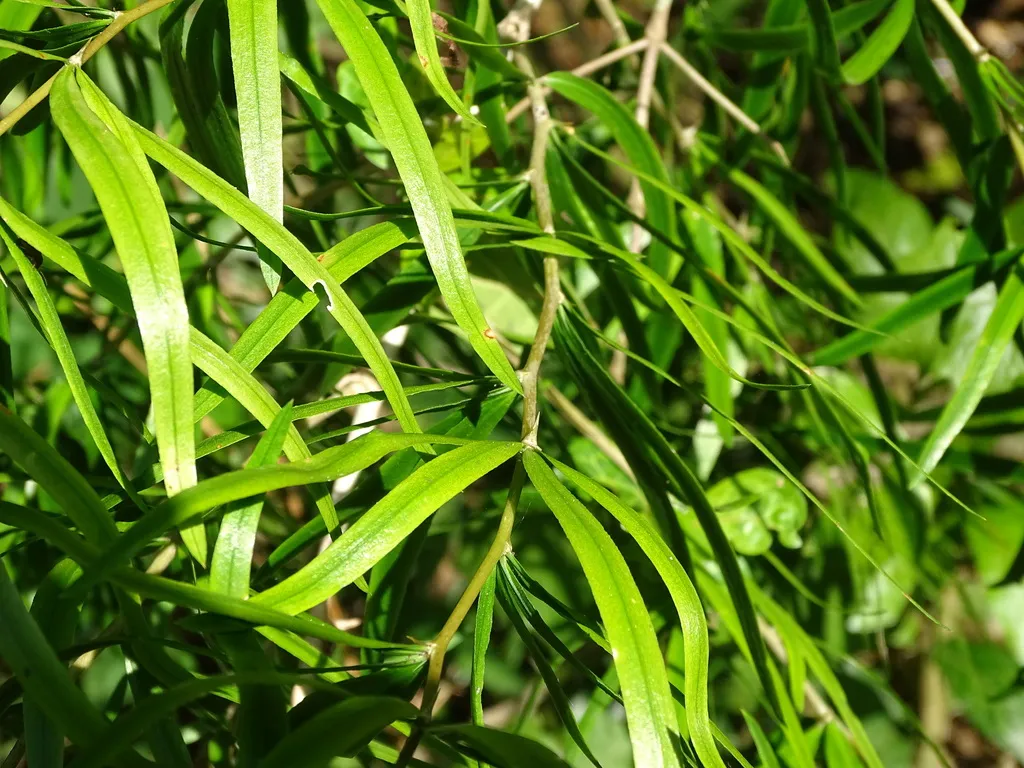
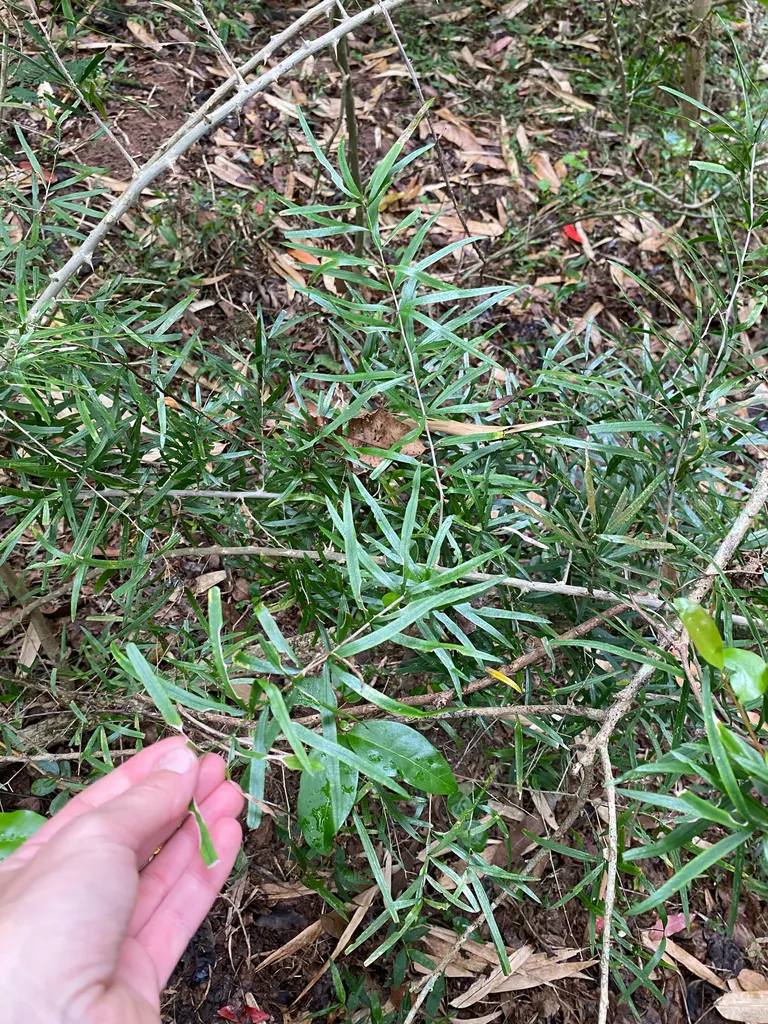
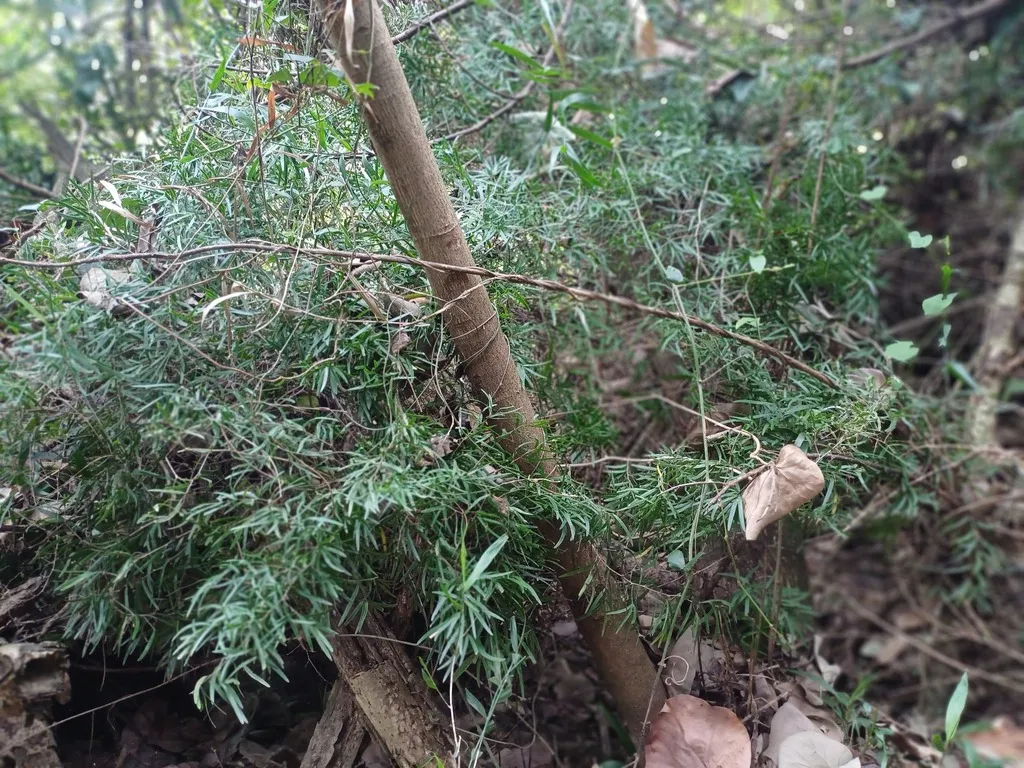
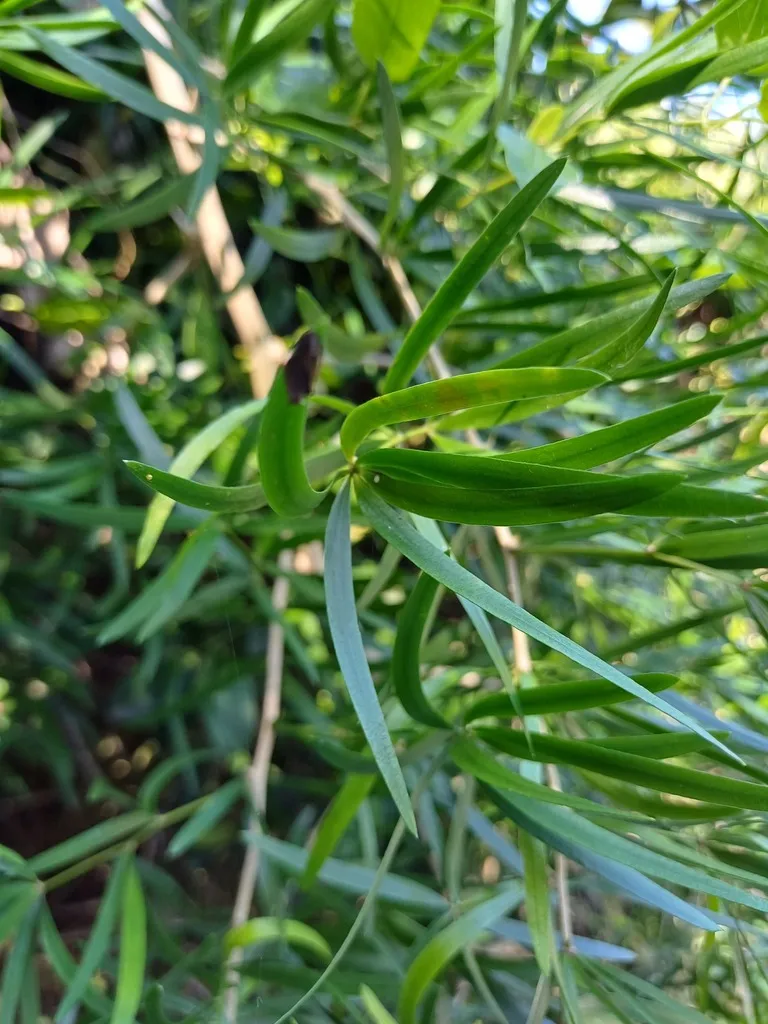
A perennial with lax stems that may develop thorns, and start to twine once mature, needing support such as a moss pole. Foliage has long, narrow, glossy, dark green leaflets, and sprays of small, white, scented, star-shaped flowers are produced in summer, followed by red berries
Scientific classification
- Species
- sicklethorn (Asparagus falcatus)
- Genus
- Asparagus
- Family
- Asparagaceae
- Order
- Asparagales
- Class
- Liliopsida
- Phylum
- Magnoliophyta
- Skin allergen, fruits harmful if eaten. Wear gloves and other protective equipment when handling]
- Toxicity
- Conservatory Greenhouse · Houseplants
- Plant type
- 1.5-2.5 metres
- Height
- 1-1.5 metres
- Spread
- Evergreen
- Foliage
- Climbing · Bushy
- Habit
- Spring · Summer · Autumn · Winter
- Season of interest
- Partial shade
- Sunlight
- Information to be completed
- Ideal temperature









sicklethorn pictures
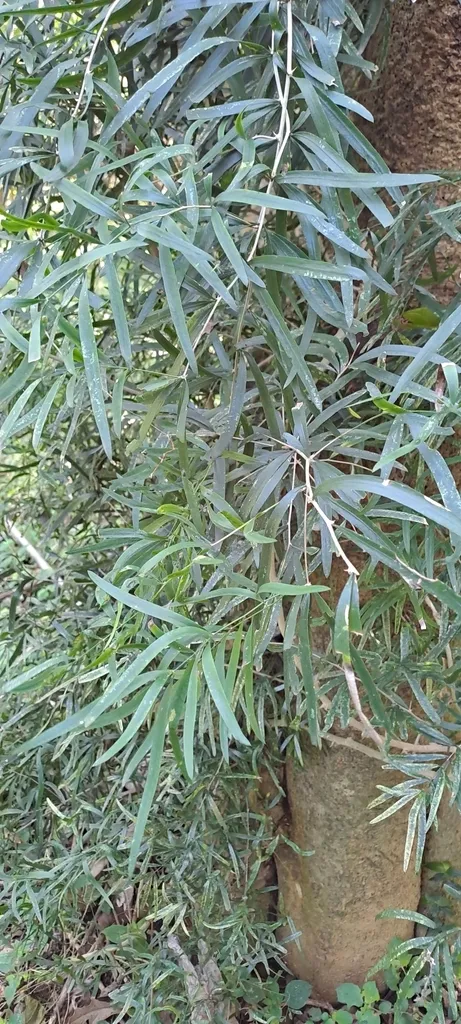
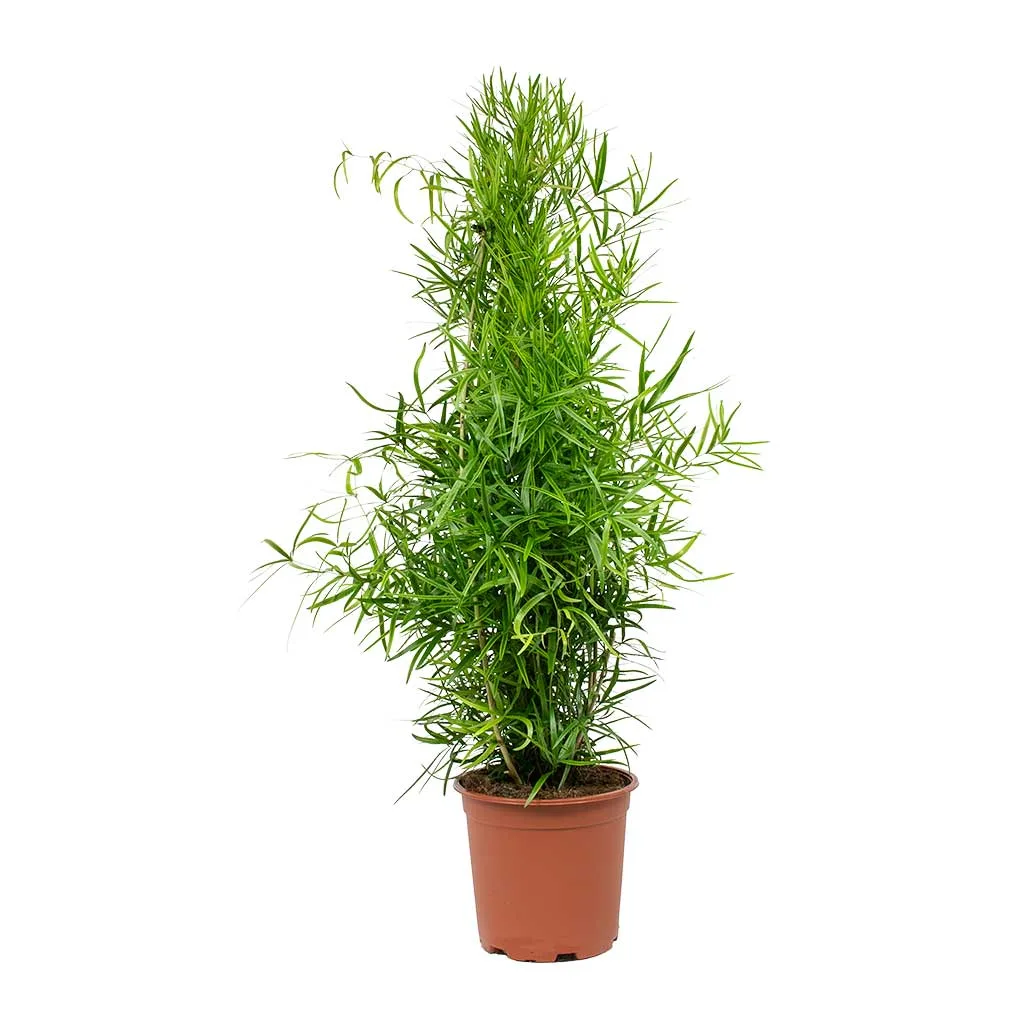
Distribution of sicklethorn
Distribution map
Africa, Asia
Toxicity
Skin allergen, fruits harmful if eaten. Wear gloves and other protective equipment when handling]
sicklethorn care guide
- Moderate regular watering, avoid prolonged drought and stagnant waterlogging
- Watering
- Partial shade
- Sunlight

Watering
Moderate regular watering, avoid prolonged drought and stagnant waterlogging
Fertilizing
 Fertilizing
Balanced perennial feed every four weeks spring through summer growth
Pruning
 Pruning
No pruning required
Propagation
 Propagation
Propagate by seed or by cuttings
Growing
 Growing
Grow under glass in a loam-based potting compost such as John Innes No.2 in bright, filtered light sheltered from hot sun. Keep frost free. Water freely from spring to mid-autumn; water more sparingly in winter. Pot on in spring. Provide support once climbing shoots develop
Common pests and diseases
Diseases
Generally disease-free
Pests
May be susceptible to asparagus beetle, slugs and snails
Explore the plant health library →




