
Veronica townsonii
Also known as: Information to be completed
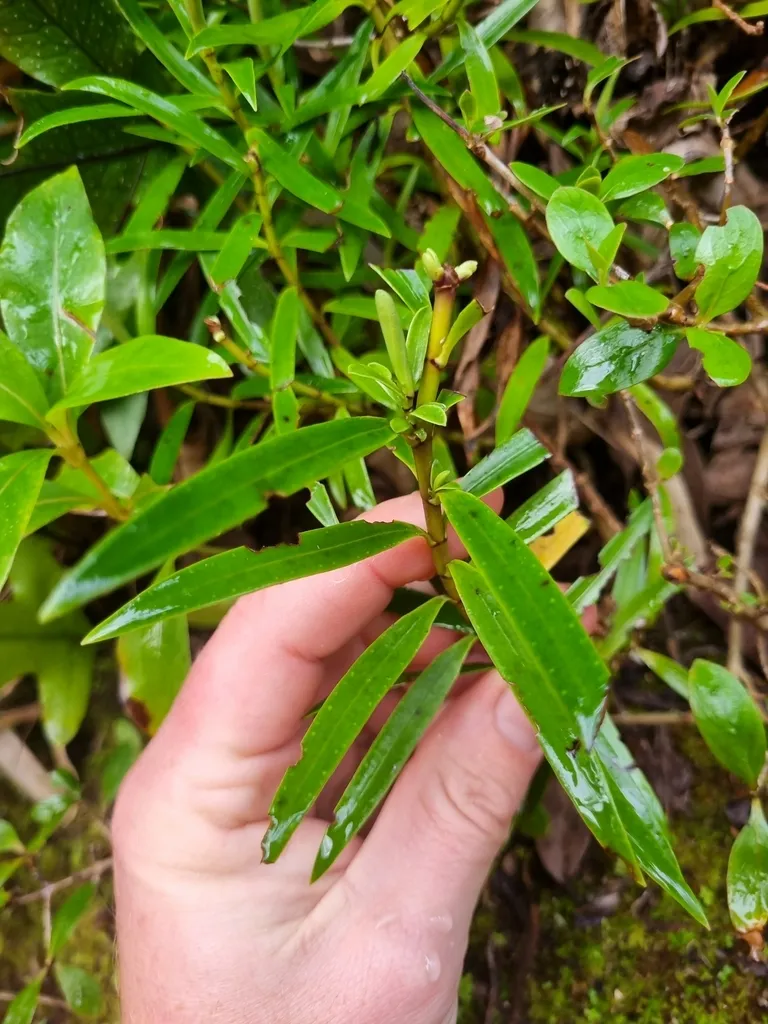
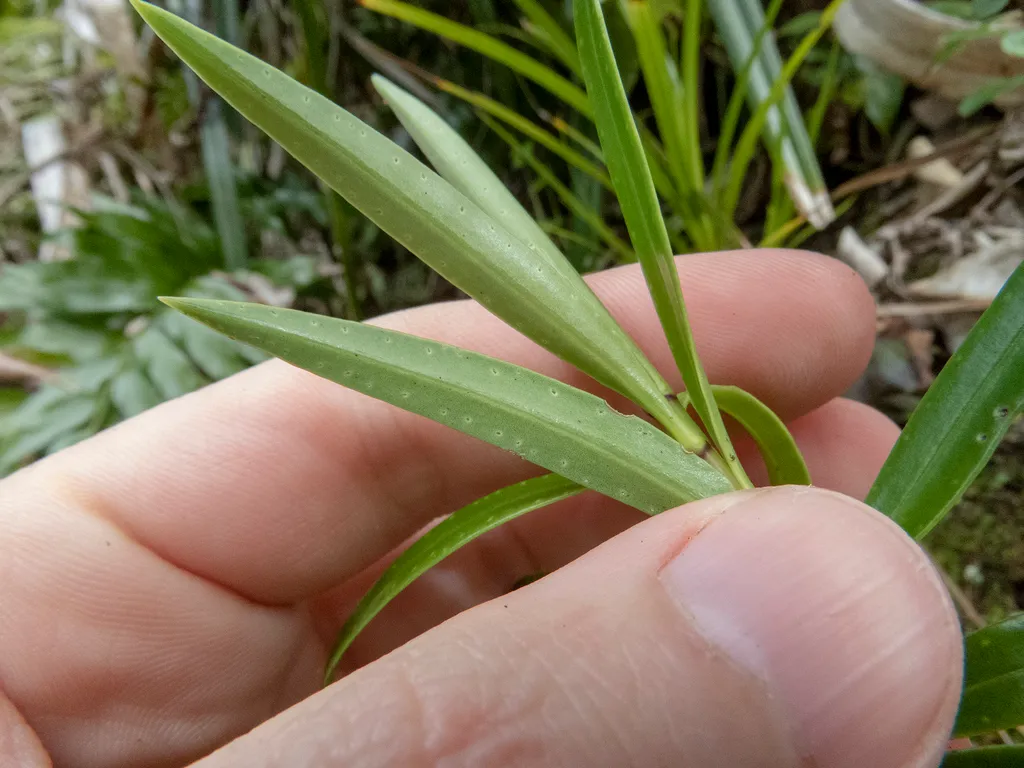
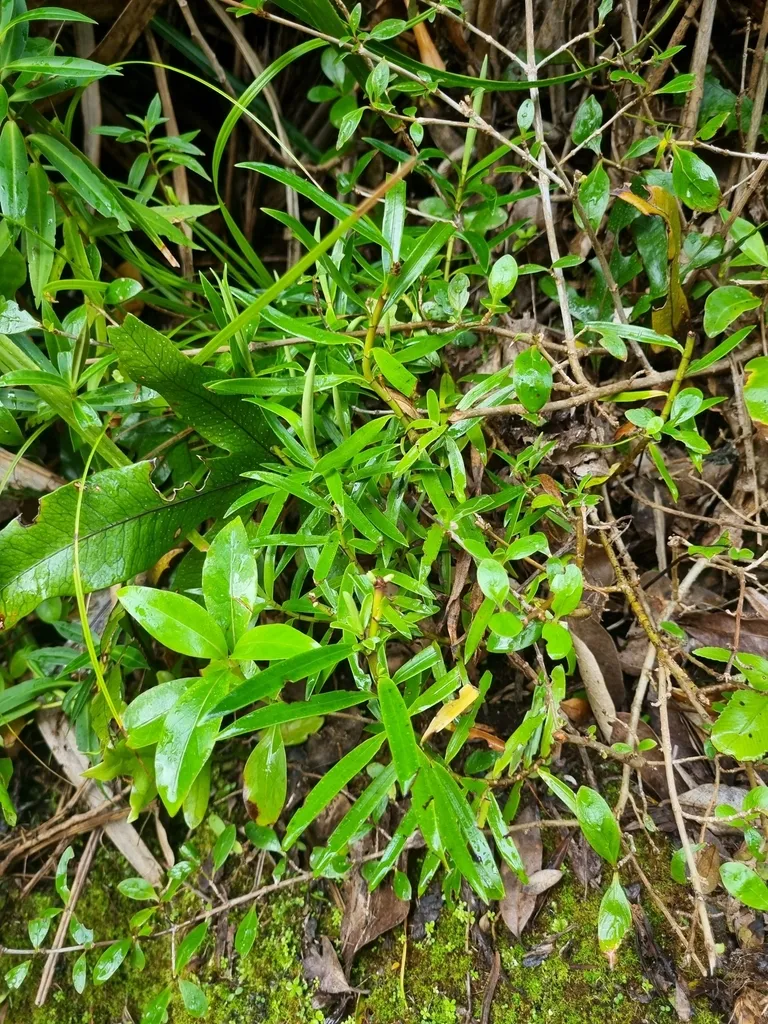
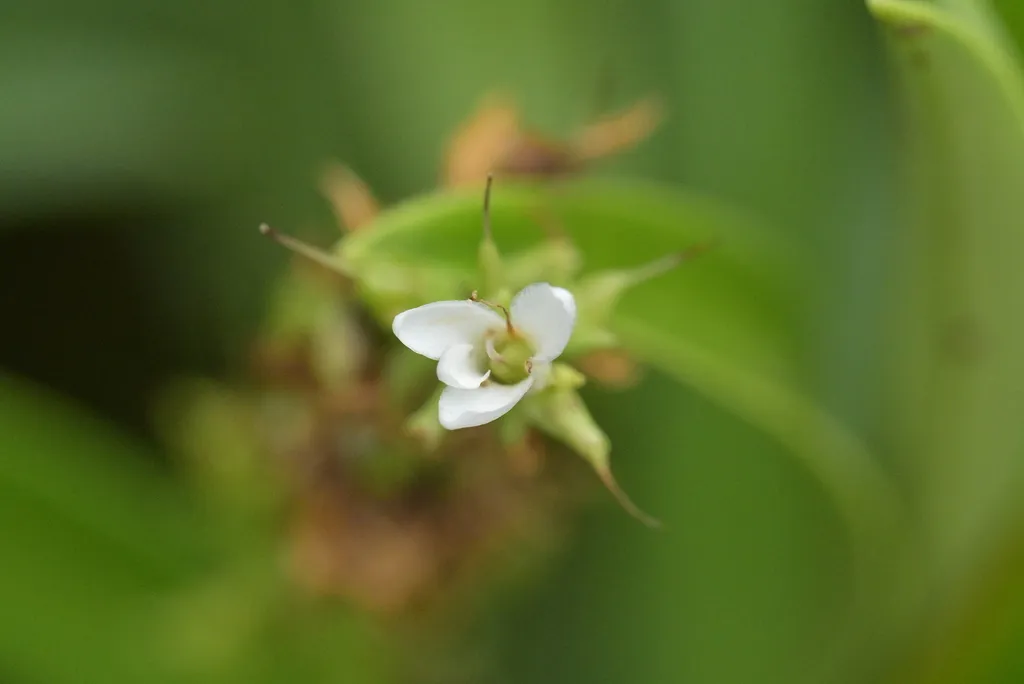
A bushy, evergreen shrub to 2.5m tall, with slender, leathery, dark green leaves to 8cm long. From late spring to late summer it produces conical flowerspikes to 12cm long, comprised of numerous white flowers
Scientific classification
- Species
- Veronica townsonii (Veronica townsonii)
- Genus
- Veronica
- Family
- Plantaginaceae
- Information to be completed
- Toxicity
- Shrubs
- Plant type
- 1.5-2.5 metres
- Height
- 1.5-2.5 metres
- Spread
- Evergreen
- Foliage
- Bushy
- Habit
- Spring · Summer · Autumn · Winter
- Season of interest
- Full sun
- Sunlight
- Information to be completed
- Ideal temperature









Veronica townsonii pictures
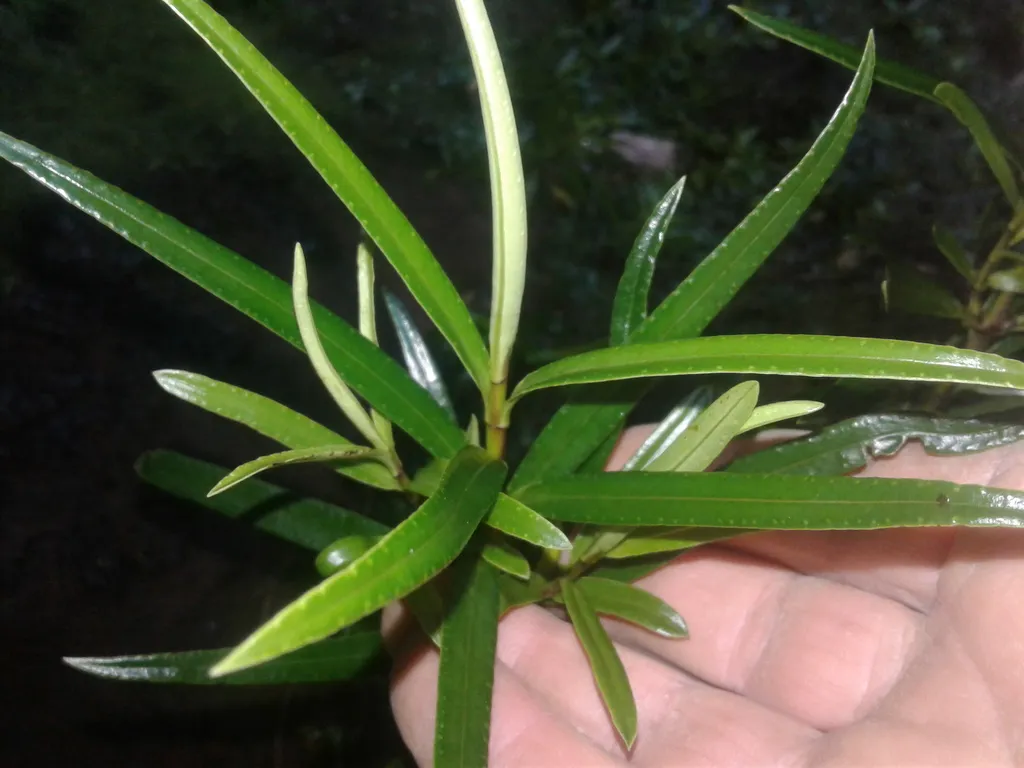
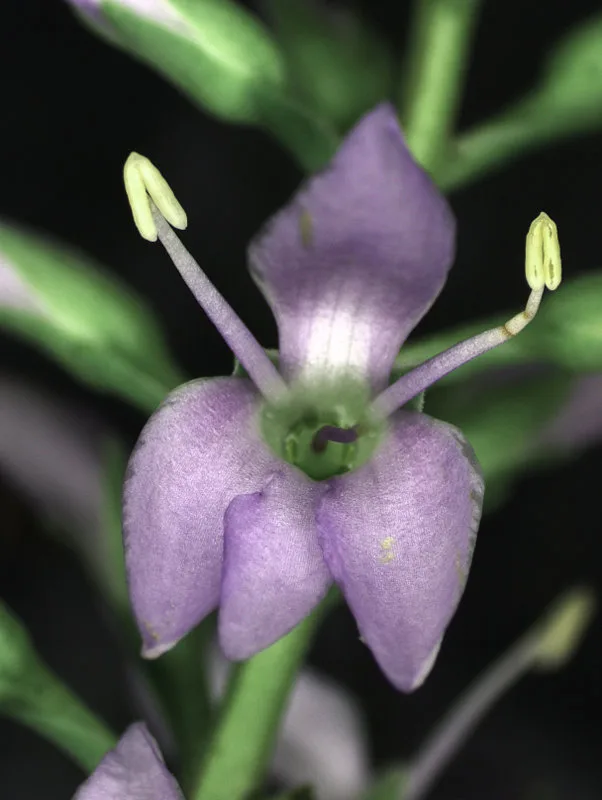
Distribution of Veronica townsonii
Distribution map
- Native
- Introduced
- Cultivated
Source:WCVP v16 · Royal Botanic Gardens, Kew · CC BY 3.0 · Boundaries:WGSRPD / TDWG
Culture
Information to be completed
Toxicity
Information to be completed
Quick identification of Veronica townsonii
Information to be completed
Veronica townsonii care guide
- Moderate regular watering, allowing brief slight drying between soakings
- Watering
- Full sun
- Sunlight
- Information to be completed
- Ideal temperature

Watering
Moderate regular watering, allowing brief slight drying between soakings
Fertilizing
 Fertilizing
Balanced perennial feed every four weeks from spring through summer
Pruning
 Pruning
Prune lightly as needed to remove unwanted shoots and keep the shrub in shape. Prune in mid- to late spring.
Propagation
 Propagation
Propagate by seed sown in containers in a cold frame as soon as ripe, or by semi-ripe cuttings with bottom heat in late summer or early autumn
Growing
 Growing
Grow in poor to moderately fertile, well-drained, neutral to slightly alkaline soil in a sunny position with shelter from cold, drying wind. See Hebe cultivation
People also ask
Information to be completed
Common pests and diseases
Diseases
High Risk Host for Xylella fastidiosa. May be susceptible to downy mildews, fungal leaf spot, fungal rot, Phytophthora and sometimes honey fungus
Pests
May be susceptible to aphids
Explore the plant health library →




