
Veronica annulata
Also known as: Information to be completed
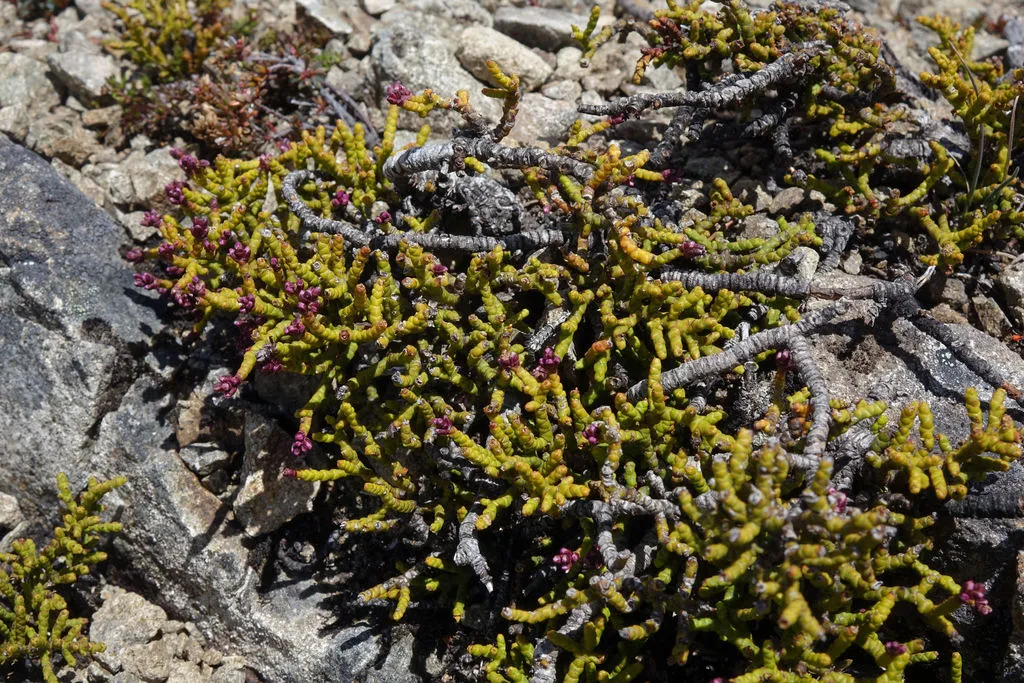
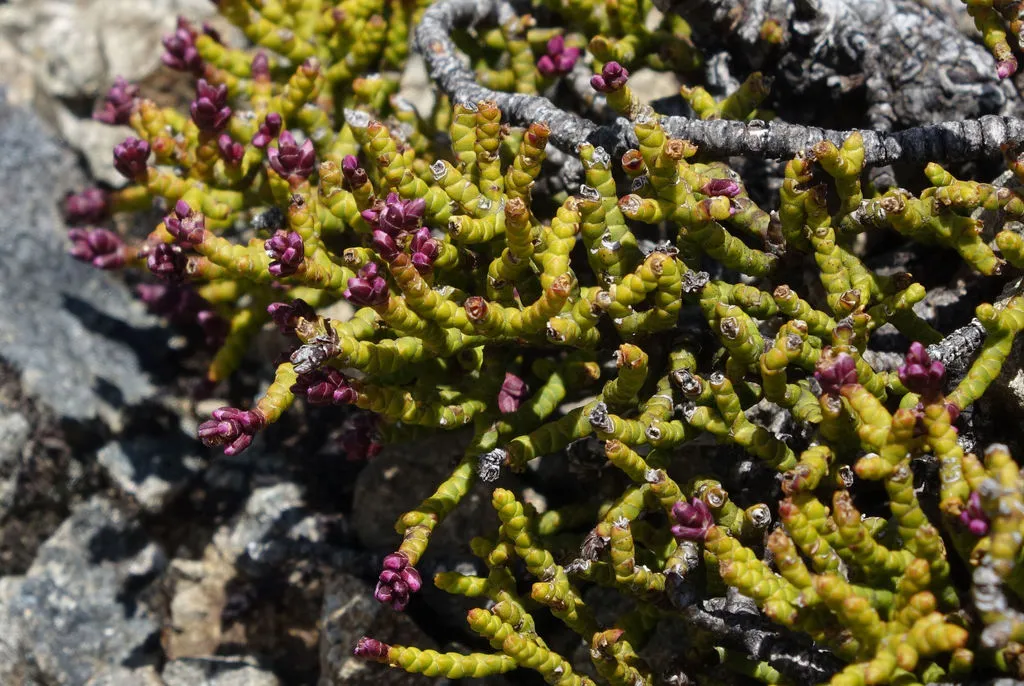
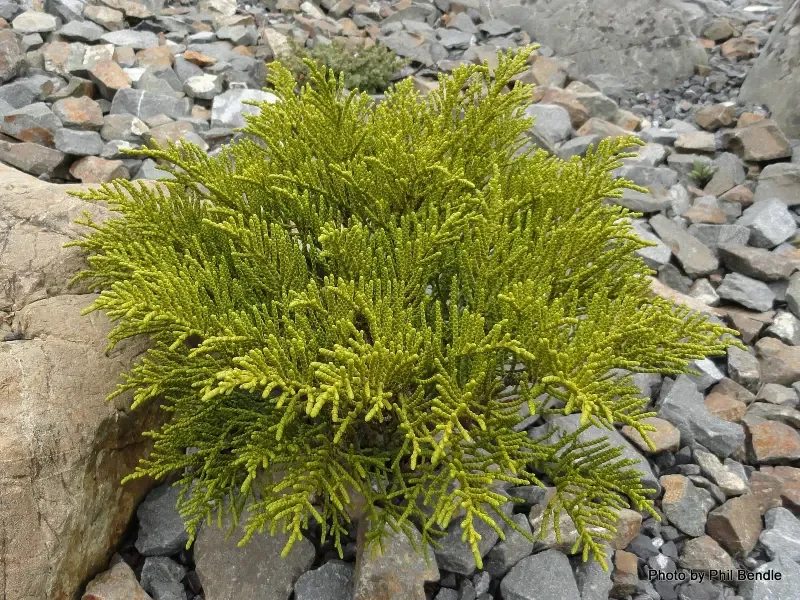
A low-growing, spreading shrub to 50cm high with narrow, whip-like branches that start erect before becoming more prostrate and spreading. Tiny, scale-like, dull yellowish-green leaves have fine hairs at the margins; small, terminal clusters of white flowers are produced in early summer
Scientific classification
- Species
- Veronica annulata (Veronica annulata)
- Genus
- Veronica
- Family
- Plantaginaceae
- Information to be completed
- Toxicity
- Shrubs
- Plant type
- 0.1-0.5 metres
- Height
- 0.5-1 metres
- Spread
- Evergreen
- Foliage
- Bushy
- Habit
- Spring · Summer · Autumn · Winter
- Season of interest
- Full sun · Partial shade
- Sunlight
- Information to be completed
- Ideal temperature









Veronica annulata pictures
Distribution of Veronica annulata
Distribution map
- Native
- Introduced
- Cultivated
Source:WCVP v16 · Royal Botanic Gardens, Kew · CC BY 3.0 · Boundaries:WGSRPD / TDWG
Culture
Information to be completed
Toxicity
Information to be completed
Quick identification of Veronica annulata
Information to be completed
Veronica annulata care guide
- Water thoroughly after top soil dries, good drainage prevents root rot
- Watering
- Full sun · Partial shade
- Sunlight
- Information to be completed
- Ideal temperature

Watering
Water thoroughly after top soil dries, good drainage prevents root rot
Fertilizing
 Fertilizing
Mild perennial flower feed monthly during spring and summer growth
Pruning
 Pruning
Prune lightly as needed to remove unwanted shoots and keep the shrub in shape. Prune in mid- to late spring.
Propagation
 Propagation
Propagate by seed or by semi-hardwood cuttings
Growing
 Growing
Grow in a well-drained soil in full sun or partial shade
People also ask
Information to be completed
Common pests and diseases
Diseases
High Risk Host for Xylella fastidiosa. May be susceptible to downy mildews, fungal leaf spot, fungal rot, Phytophthora and sometimes honey fungus
Pests
May be susceptible to aphids
Explore the plant health library →




