
Ben Lomond hebe
Also known as: Information to be completed
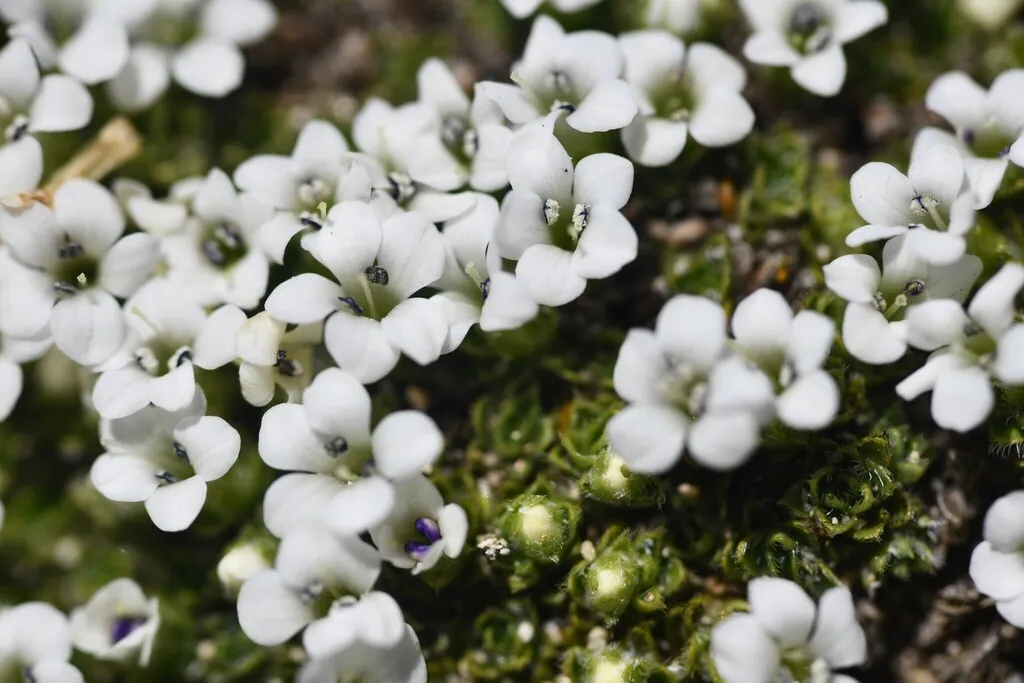
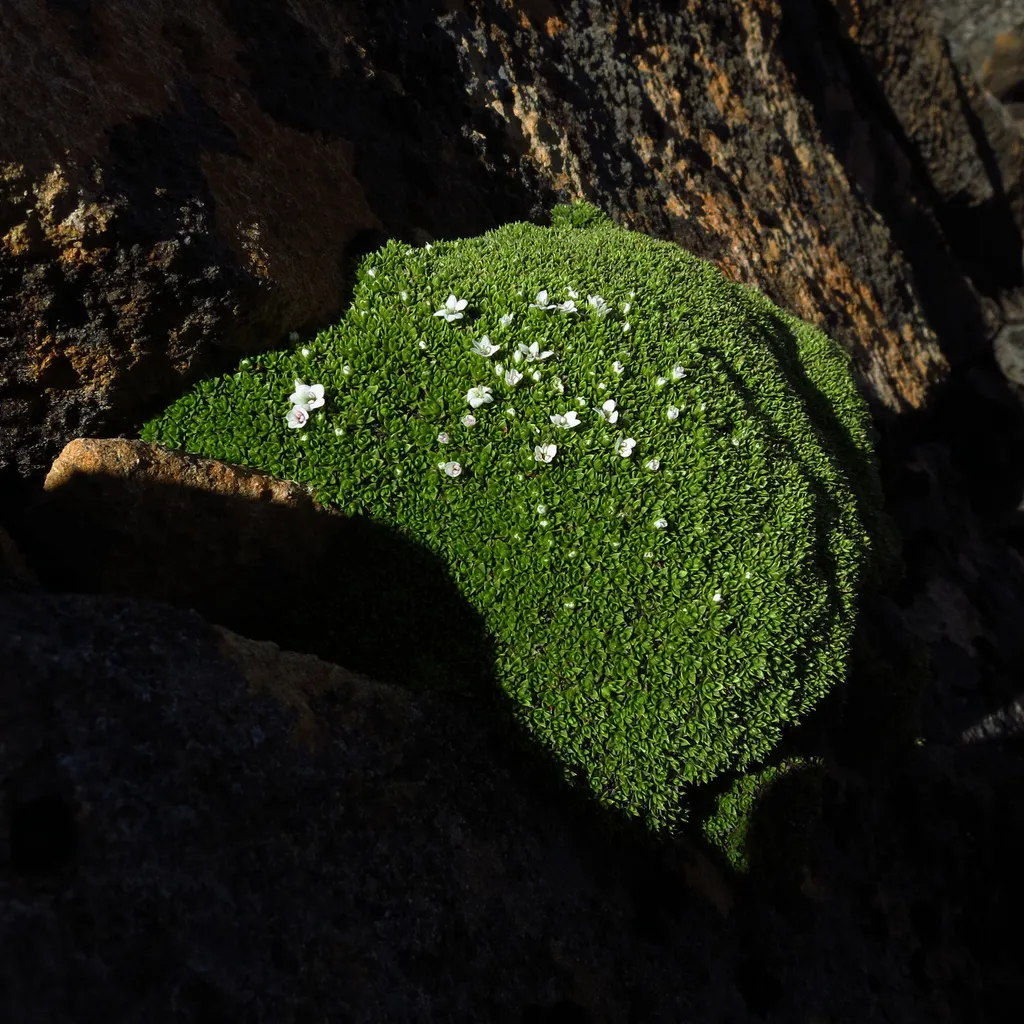
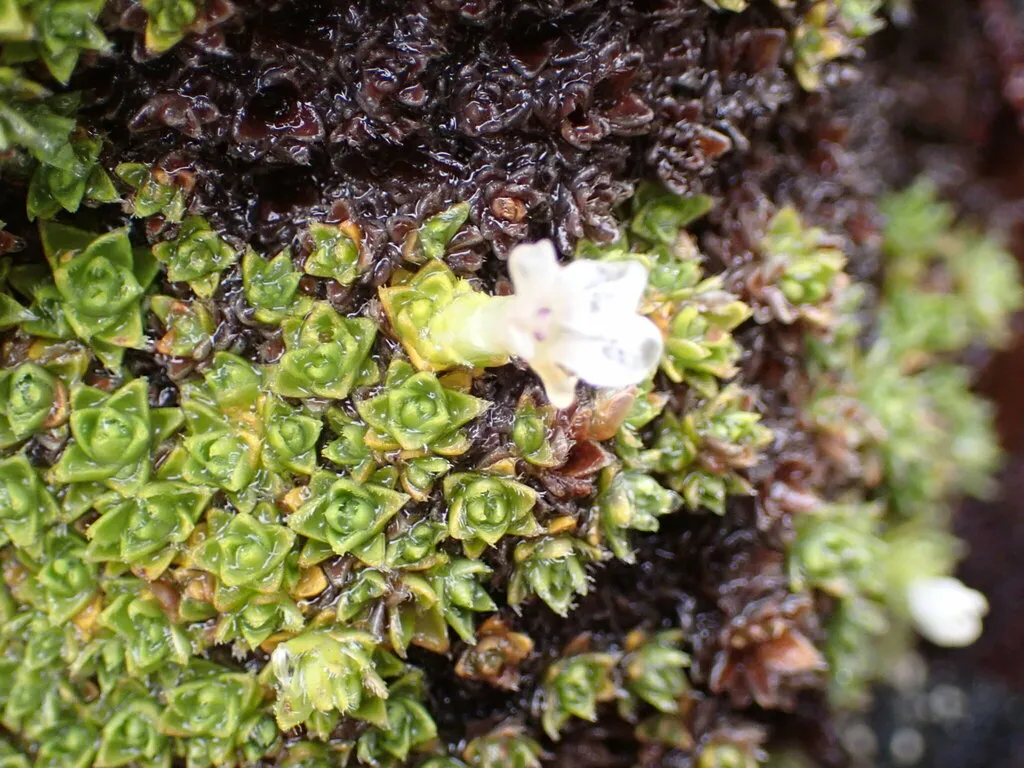
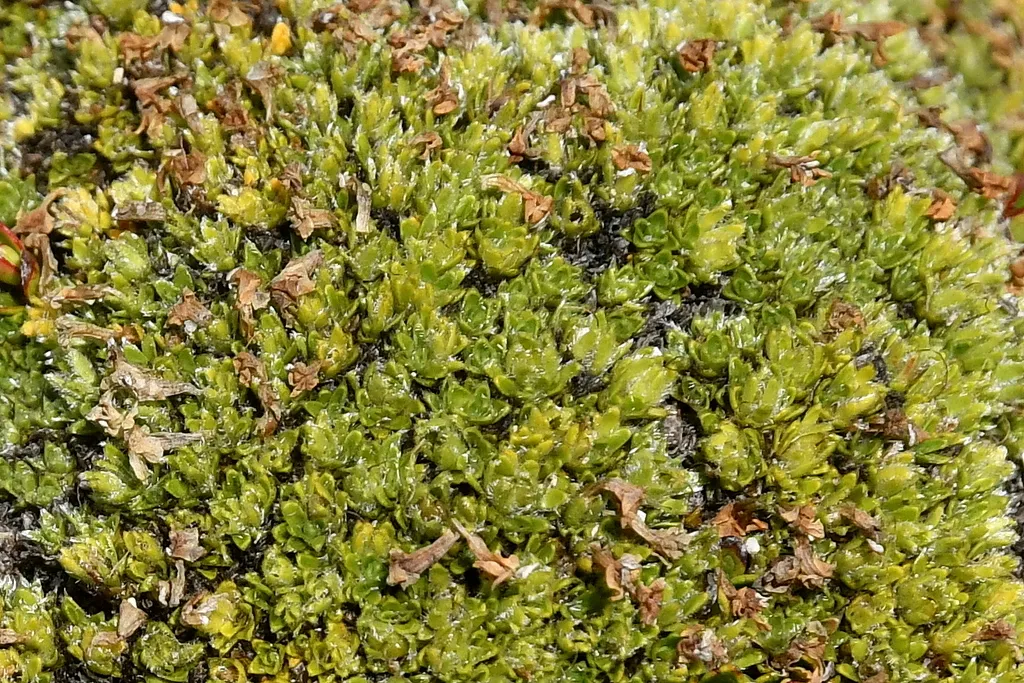
A compact, loosely cushion-forming shrublet to 15cm tall with stems clothed in closely overlapping, narrowly oblong leaves to 4mm long covered in fine hairs. White flowers in one to three pairs are borne close to the stem tips in summer
Scientific classification
- Species
- Ben Lomond hebe (Veronica ciliolata)
- Genus
- Veronica
- Family
- Plantaginaceae
- Information to be completed
- Toxicity
- Shrubs
- Plant type
- 0.1-0.5 metres
- Height
- 0.1-0.5 metres
- Spread
- Evergreen
- Foliage
- Matforming · Bushy
- Habit
- Spring · Summer · Autumn · Winter
- Season of interest
- Full sun · Partial shade
- Sunlight
- Information to be completed
- Ideal temperature









Ben Lomond hebe pictures
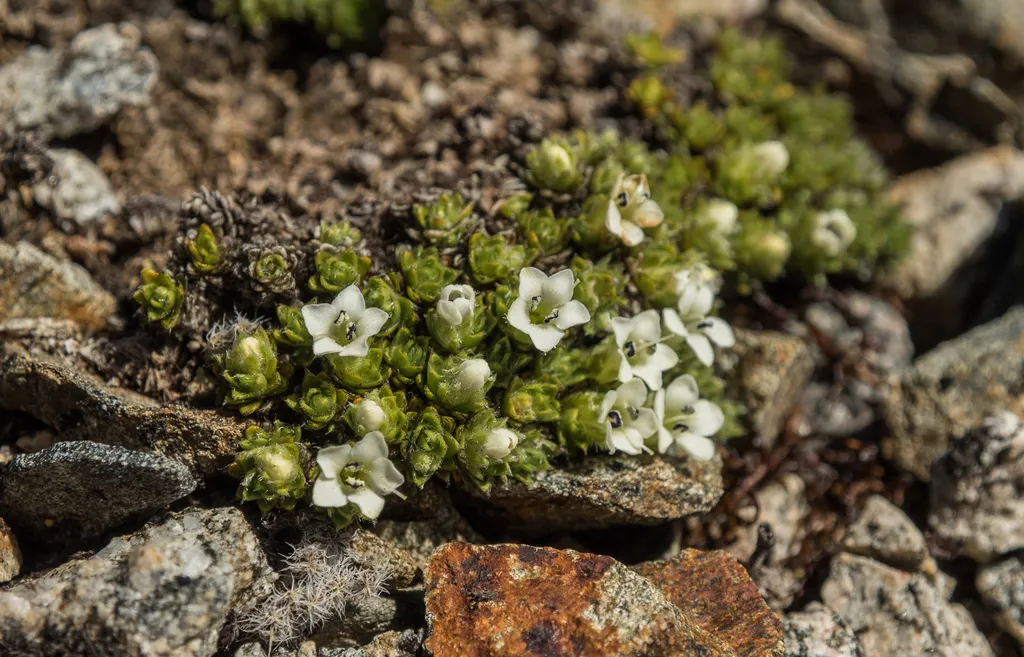
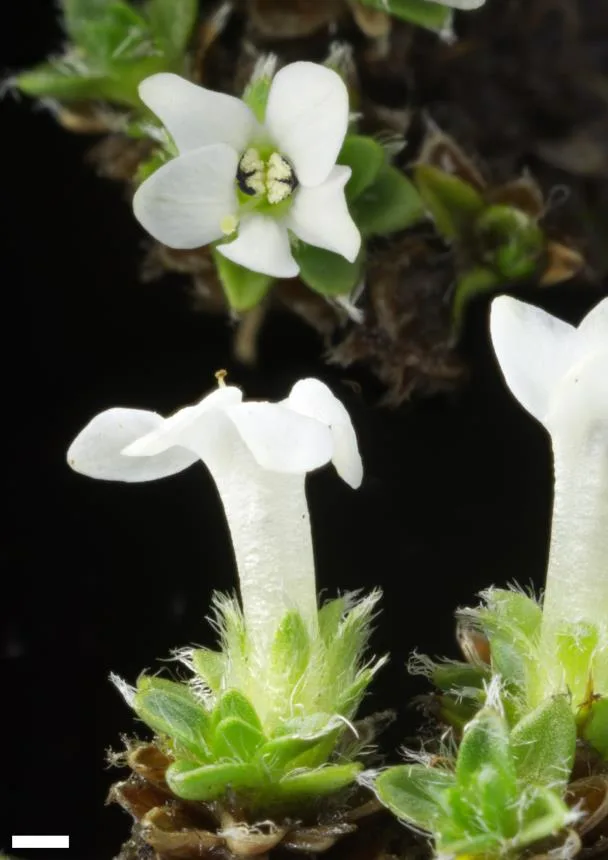
Distribution of Ben Lomond hebe
Distribution map
New Zealand (S. Island)
Information to be completed
Culture
Information to be completed
Toxicity
Information to be completed
Quick identification of Ben Lomond hebe
Information to be completed
Ben Lomond hebe care guide
- Moderate regular watering, avoid prolonged waterlogging
- Watering
- Full sun · Partial shade
- Sunlight
- Information to be completed
- Ideal temperature

Watering
Moderate regular watering, avoid prolonged waterlogging
Fertilizing
 Fertilizing
Light balanced feed in spring and midsummer
Pruning
 Pruning
No pruning required
Propagation
 Propagation
Propagate by seed or by semi-hardwood cuttings
Growing
 Growing
Grow in a well-drained soil in full sun or partial shade
People also ask
Information to be completed
Common pests and diseases
Diseases
High Risk Host for Xylella fastidiosa. May be susceptible to downy mildews, fungal leaf spot, fungal rot, Phytophthora and sometimes honey fungus
Pests
May be susceptible to aphids
Explore the plant health library →




