
Malva × clementii
Also known as: Information to be completed
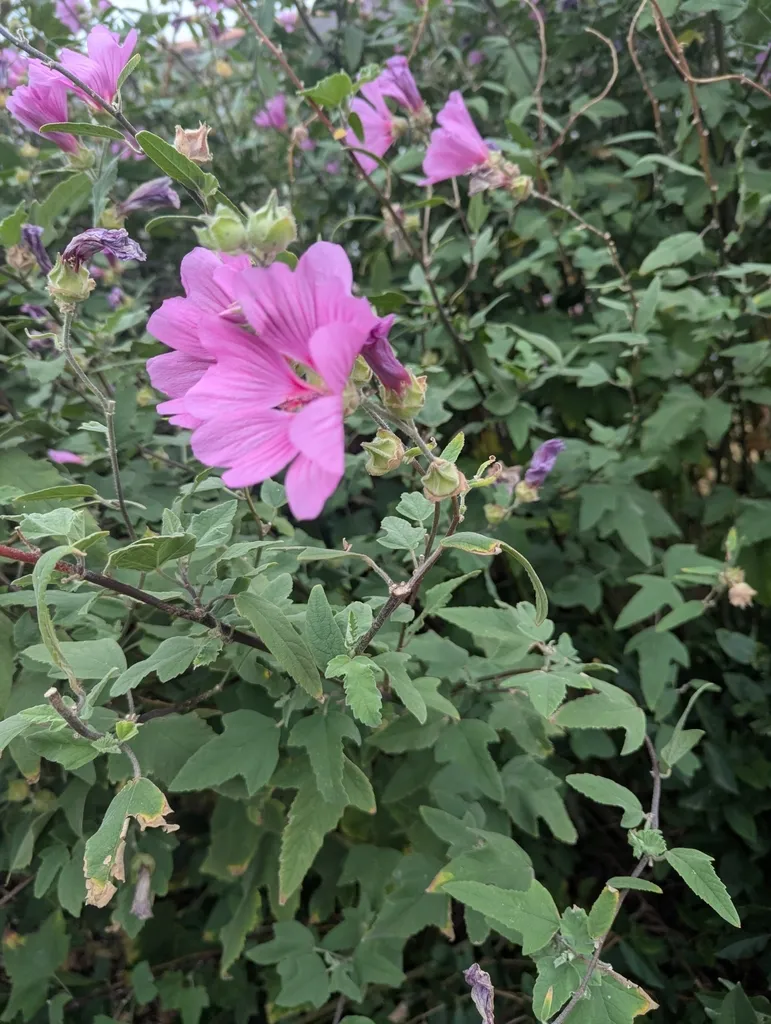
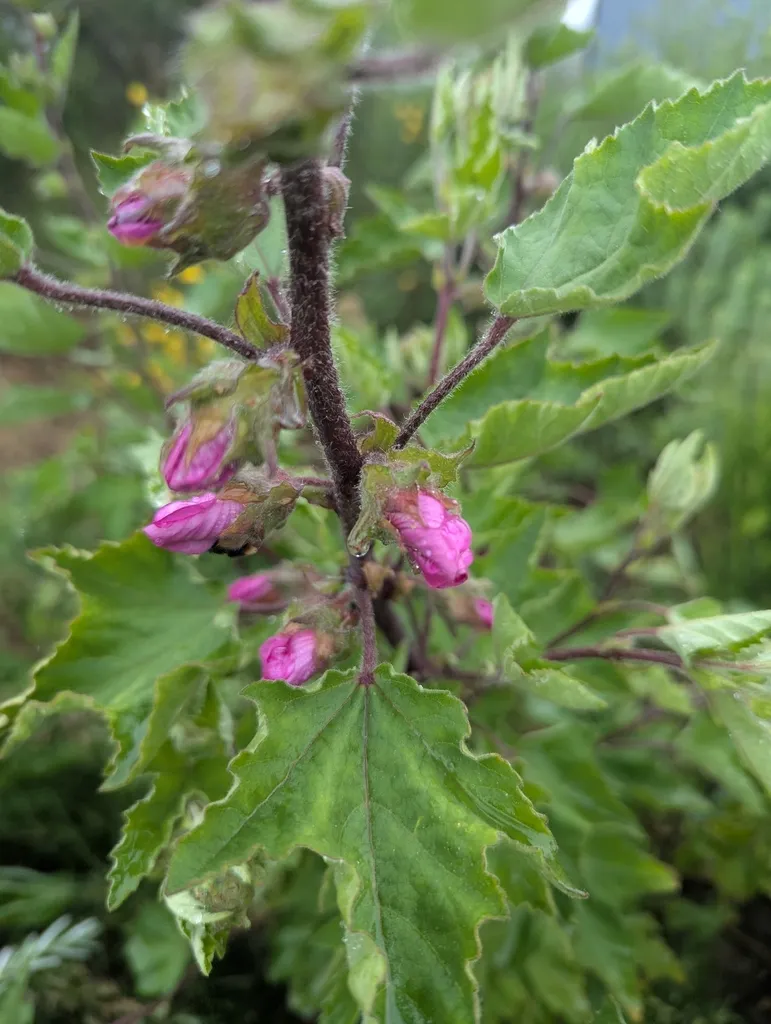
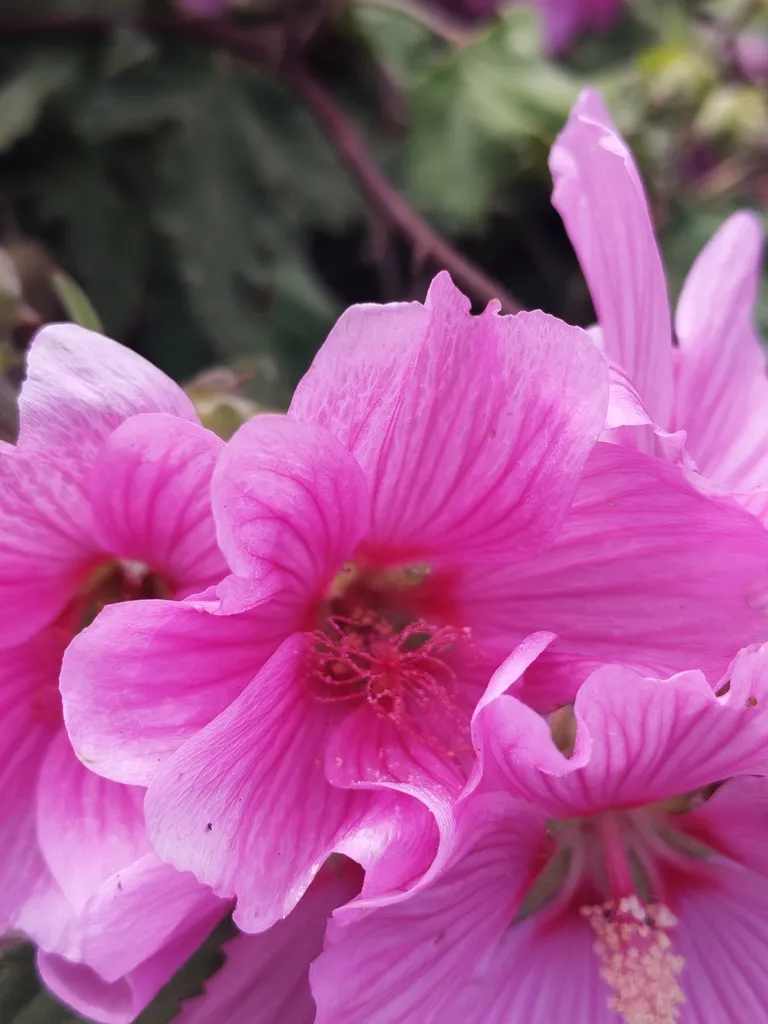
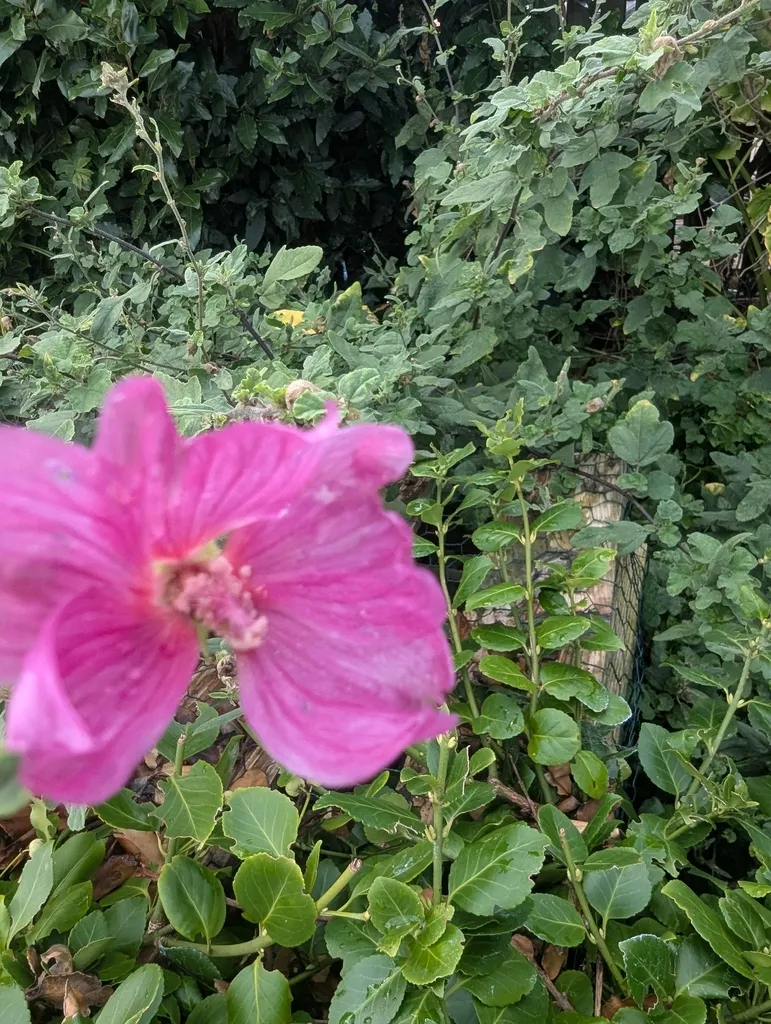
A semi-evergreen subshrub up to 2m high, with soft, lobed green leaves with toothed margins and finely hairy undersides. Long clusters of funnel-shaped flowers to 10cm across, with notched petals in shades of pink, purple or occasionally white, are produced at the tips of the stems throughout summer and into early autumn
Scientific classification
- Species
- Malva × clementii (Malva × clementii)
- Genus
- Malva
- Family
- Malvaceae
- Information to be completed
- Toxicity
- Shrubs
- Plant type
- 1.5-2.5 metres
- Height
- 1.5-2.5 metres
- Spread
- Semi evergreen
- Foliage
- Bushy
- Habit
- Spring · Summer · Autumn · Winter
- Season of interest
- Full sun
- Sunlight
- Information to be completed
- Ideal temperature









Malva × clementii pictures
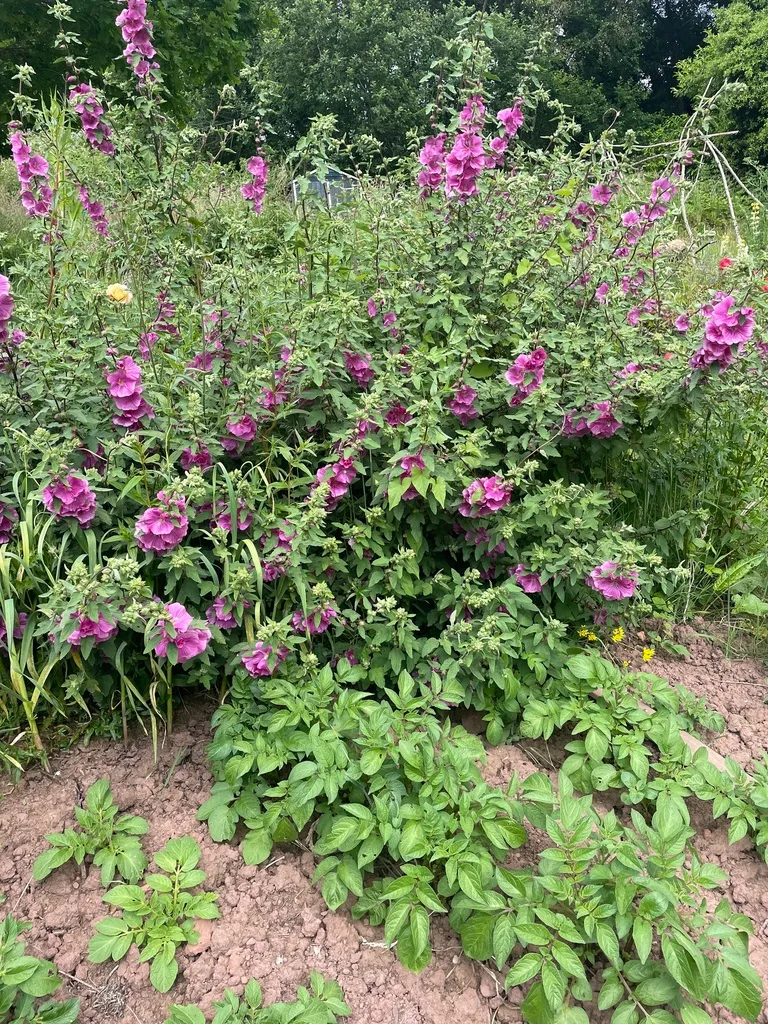
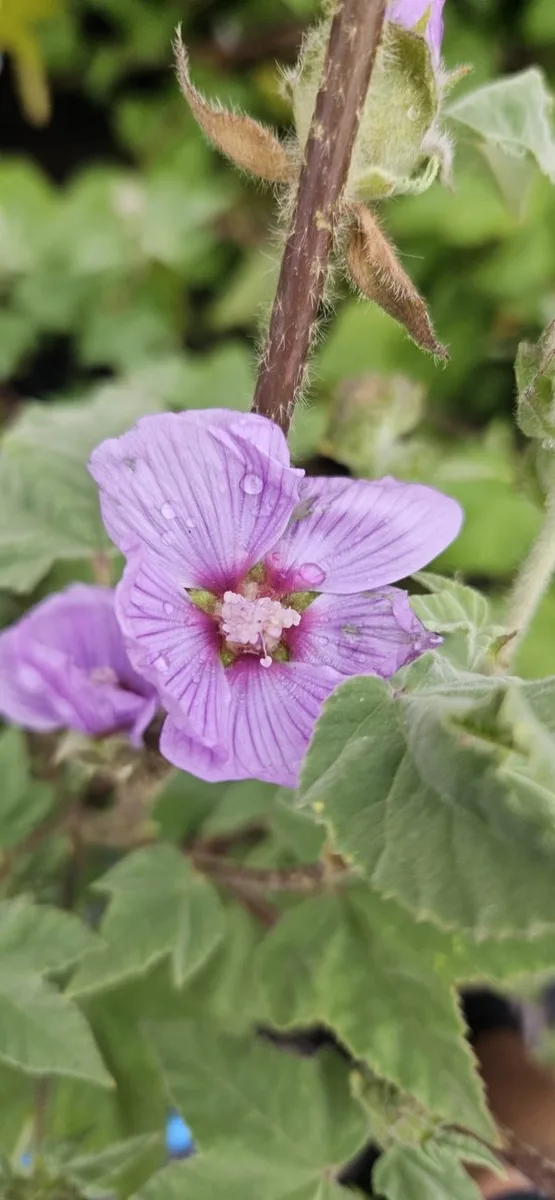
Distribution of Malva × clementii
Distribution map
Information to be completed
Information to be completed
Culture
Information to be completed
Toxicity
Information to be completed
Quick identification of Malva × clementii
Information to be completed
Malva × clementii care guide
- Moderate regular watering, more in hot flowering weather
- Watering
- Full sun
- Sunlight
- Information to be completed
- Ideal temperature

Watering
Moderate regular watering, more in hot flowering weather
Fertilizing
 Fertilizing
Light balanced feed in spring and midsummer
Pruning
 Pruning
Shorten last year's flowering stems to one or two buds from the older woody framework. Remove thin, weak and dead shoots. Prune in early to mid-spring as growth resumes; avoid winter pruning that exposes new shoots to frost.
Propagation
 Propagation
Propagate by softwood cuttings from stems or basal shoots in early summer. Plants can be short-lived so regular propagation is recommended
Growing
 Growing
Thrives in light, moderately fertile, well drained soil in full sun; may need support if grown in richer soils (see staking perennials). Shelter from cold winds in areas prone to frosts. May die back to a woody base in cold winters
People also ask
Information to be completed
Common pests and diseases
Diseases
May be susceptible to stem rot, a rust, and soil-borne fungal diseases
Pests
May be susceptible to aphids
Explore the plant health library →




