
dwarf aeonium
Also known as: Information to be completed
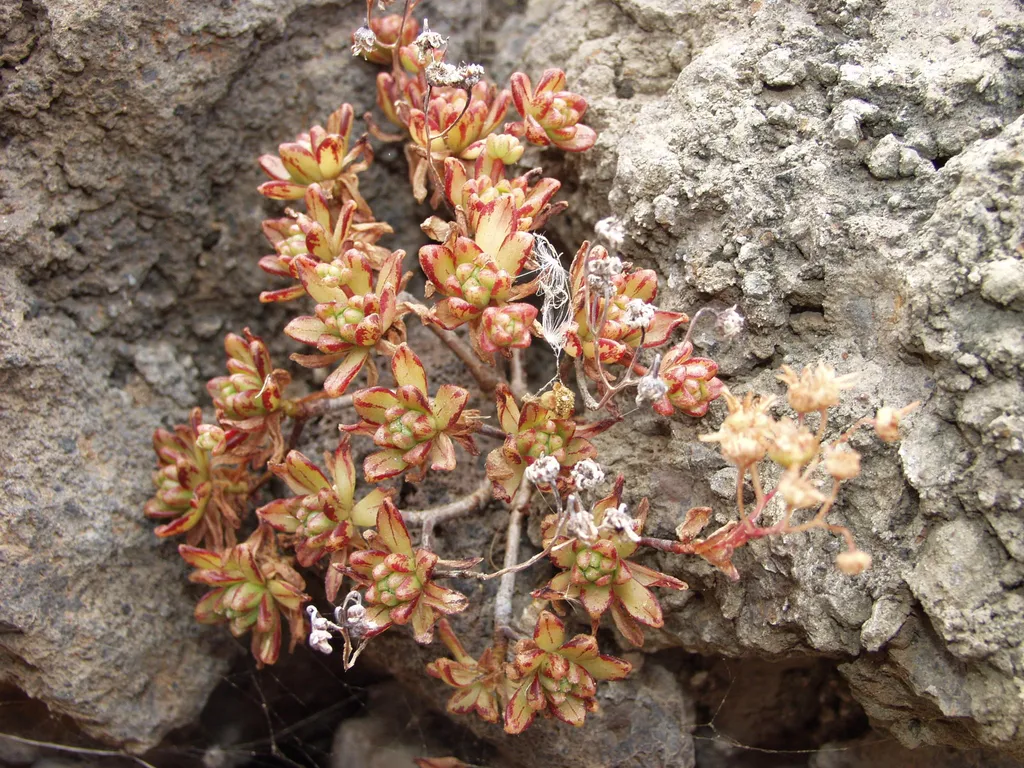
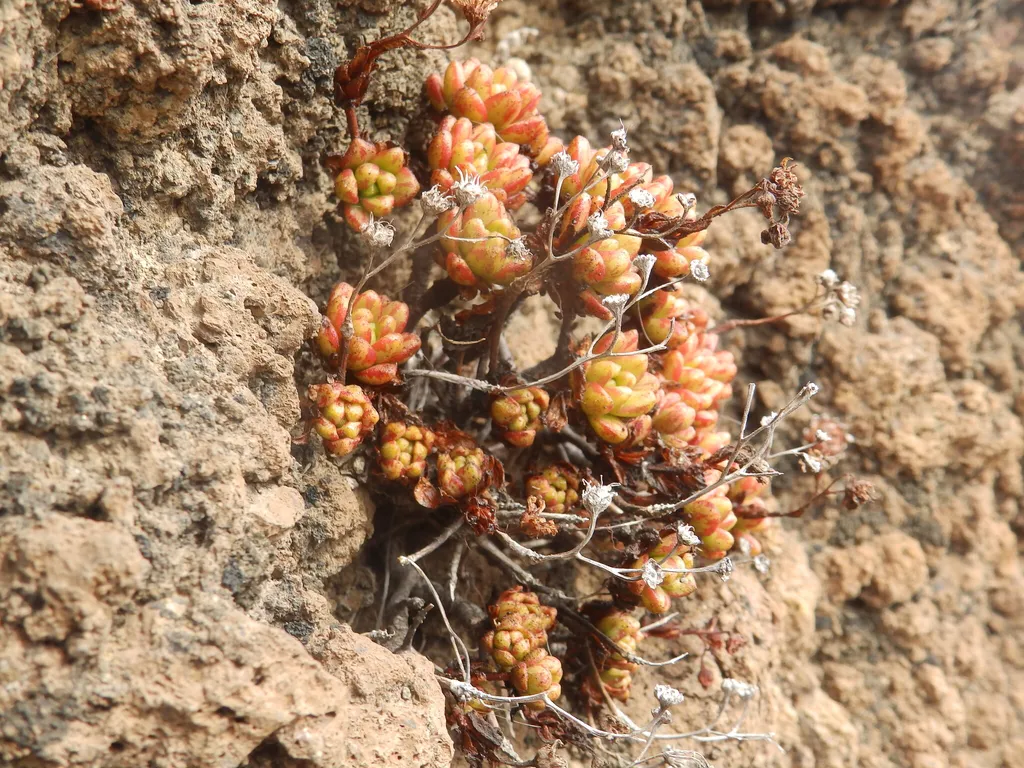
A succulent evergreen subshrub, with densely branching stems tipped with rosettes of fleshy, club-shaped, yellow-green leaves finely edged with red. Mature rosettes produce spikes of small yellow flowers in spring
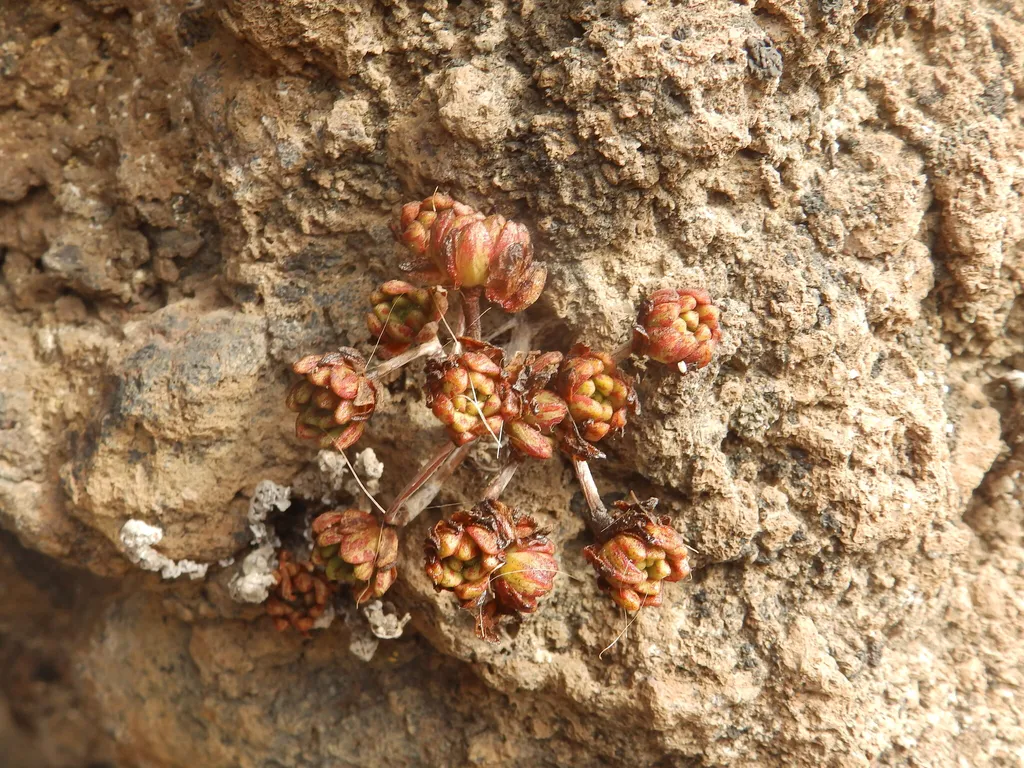
Scientific classification
- Species
- dwarf aeonium (Aeonium sedifolium)
- Genus
- Aeonium
- Family
- Crassulaceae
- Information to be completed
- Toxicity
- Cactus Succulent · Conservatory Greenhouse · Houseplants
- Plant type
- Information to be completed
- Height
- Information to be completed
- Spread
- Evergreen
- Foliage
- Bushy
- Habit
- Spring · Summer · Autumn · Winter
- Season of interest
- Full sun · Partial shade
- Sunlight
- Information to be completed
- Ideal temperature









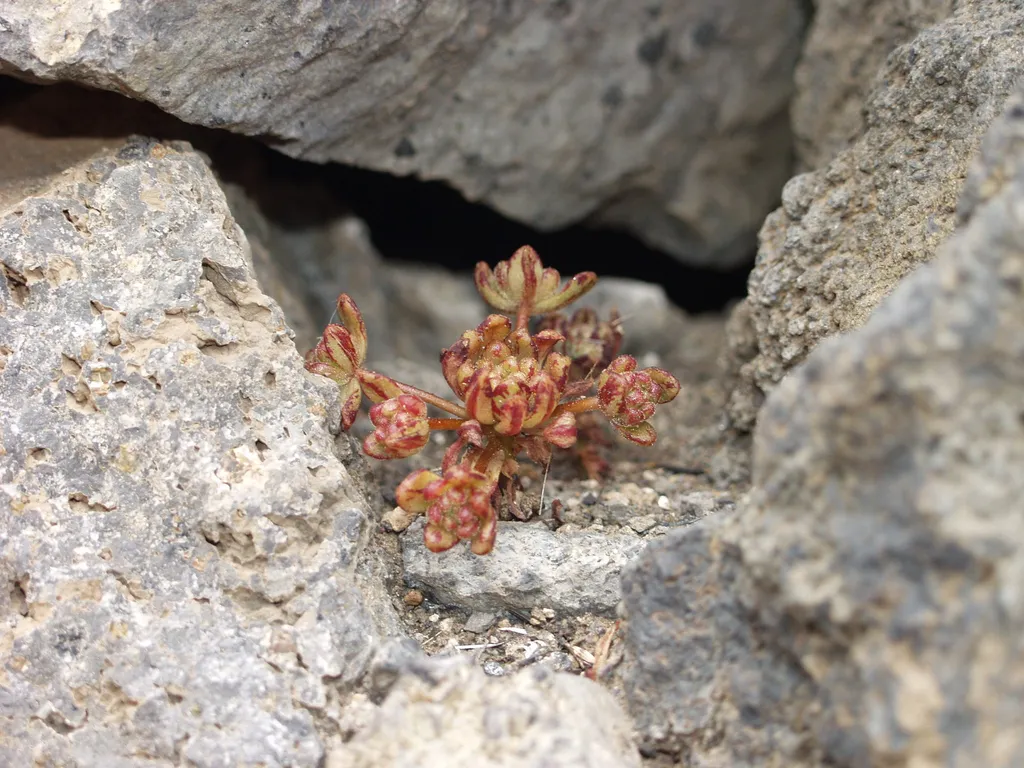
dwarf aeonium pictures
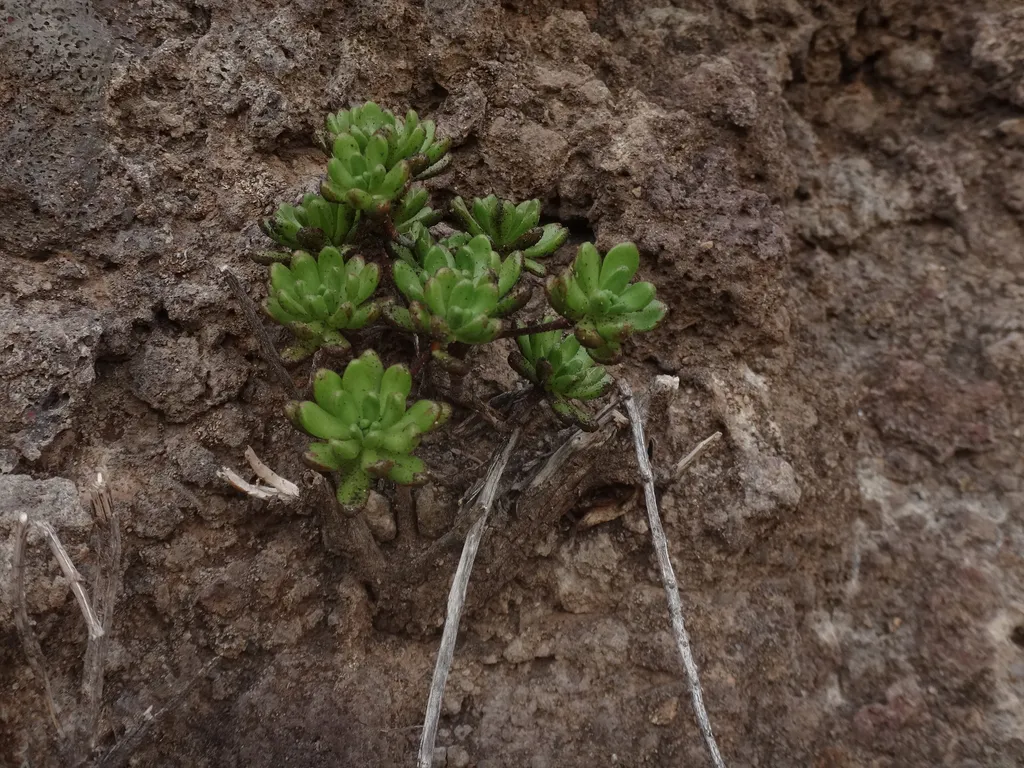
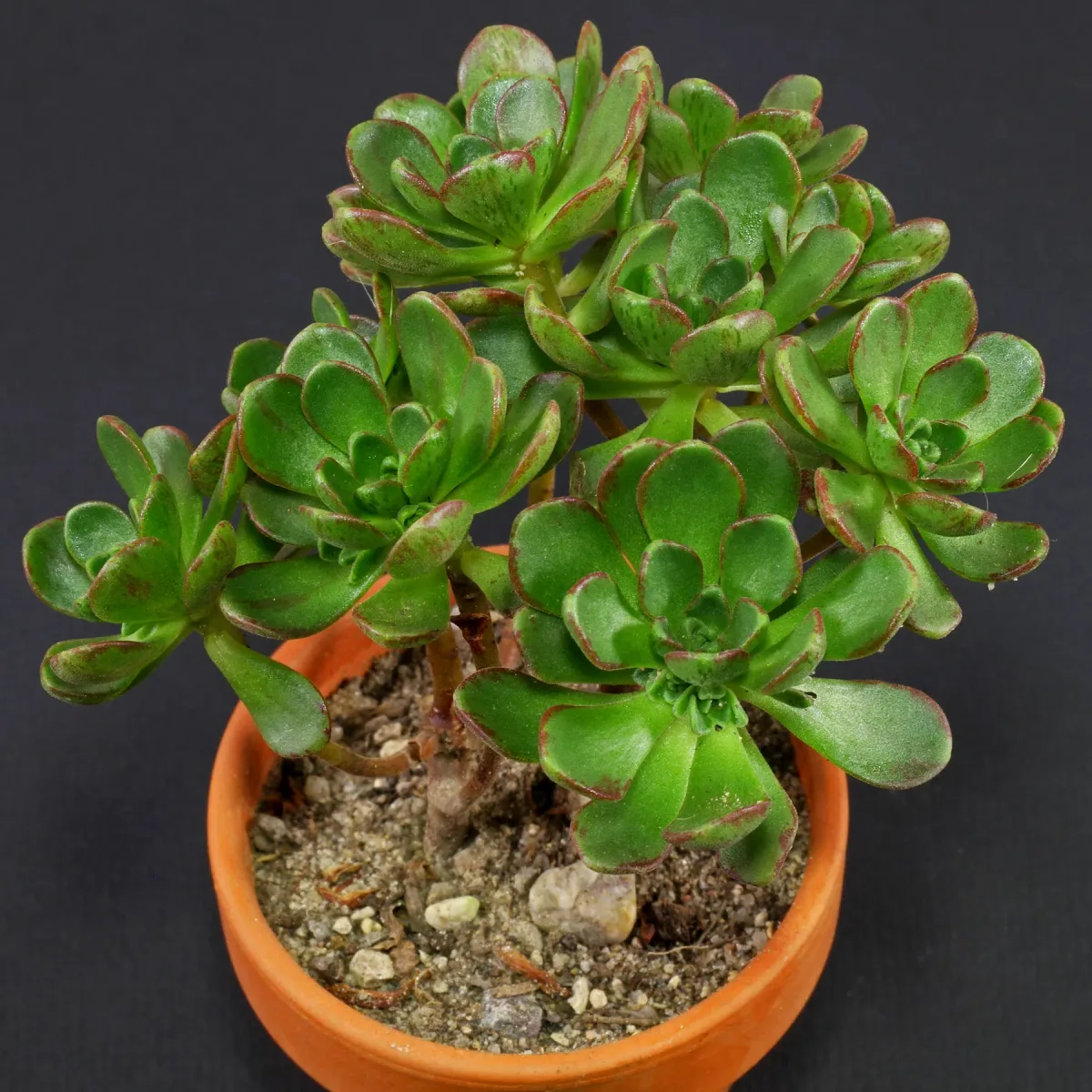
Distribution of dwarf aeonium
Distribution map
Information to be completed
Information to be completed
Culture
Information to be completed
Toxicity
Information to be completed
Quick identification of dwarf aeonium
Information to be completed
dwarf aeonium care guide
- Let gritty soil dry fully before each thorough watering cycle
- Watering
- Full sun · Partial shade
- Sunlight
- Information to be completed
- Ideal temperature

Watering
Let gritty soil dry fully before each thorough watering cycle
Fertilizing
 Fertilizing
Very dilute low-nitrogen succulent feed monthly in warm growth
Pruning
 Pruning
No pruning required, though stems can be tipped during the growing period to promote a bushy habit
Propagation
 Propagation
Propagate by stem cuttings, kept at 18°C and barely moist until rooted
Growing
 Growing
Best grown in containers, in a free-draining medium in part shade or bright filtered light. Water moderately when in growth, not at all when dormant, and feed 2 or 3 times during the growing season. Overwinter in a greenhouse, conservatory or indoors. See houseplant cacti and succulent cultivation for further information
People also ask
Information to be completed
Common pests and diseases
Diseases
Generally disease-free
Pests
May be susceptible to aphids and mealybugs
Explore the plant health library →




