
climbing hydrangea
Also known as: wood vamp
A woody, deciduous, self-clinging climber with glossy, dark green leaves and clusters of small, fluffy, white flowers in summer
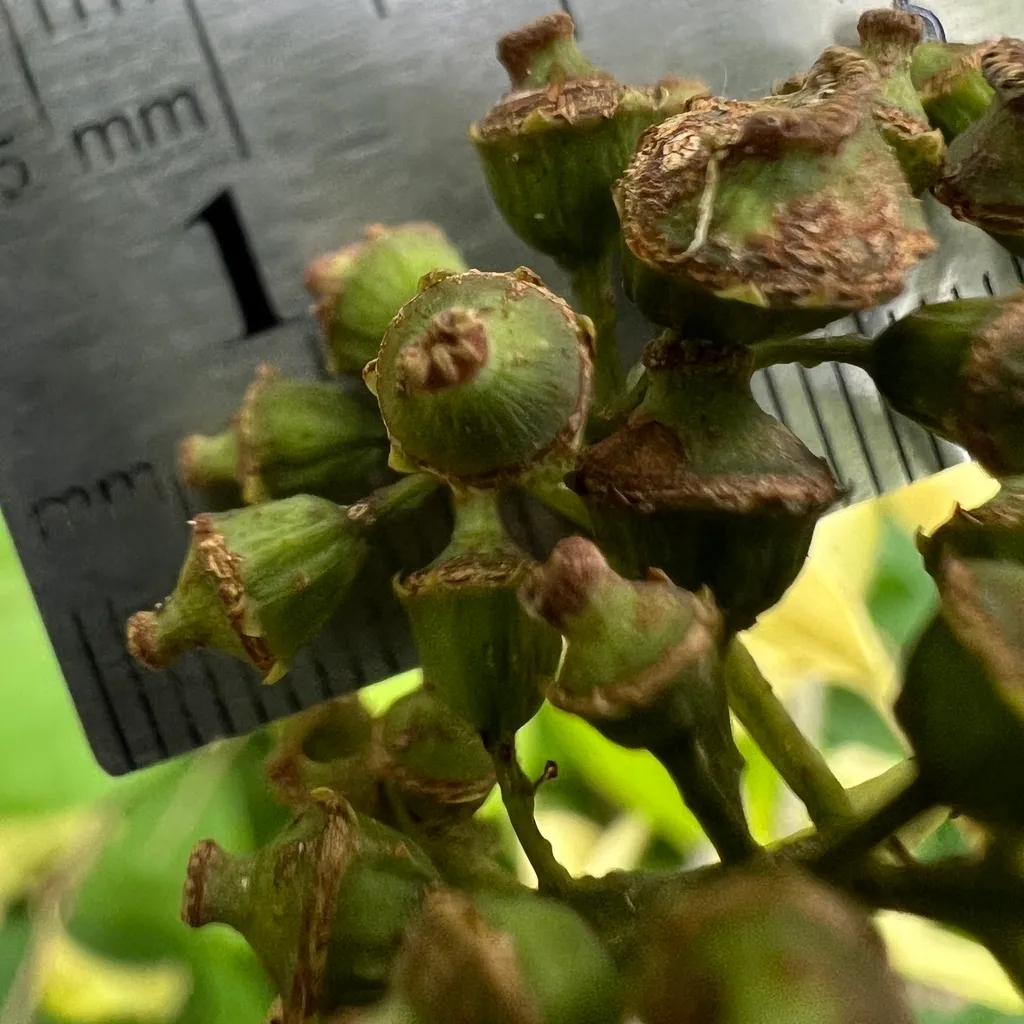
Scientific classification
- Species
- climbing hydrangea (Hydrangea barbara)
- Genus
- Hydrangea
- Family
- Hydrangeaceae
- Skin allergen. Wear gloves and other protective equipment when handling
- Toxicity
- Climber Wall Shrub
- Plant type
- 8-12 metres
- Height
- 1.5-2.5 metres
- Spread
- Deciduous
- Foliage
- Climbing
- Habit
- Spring · Summer · Autumn
- Season of interest
- Full sun · Partial shade
- Sunlight
- Information to be completed
- Ideal temperature









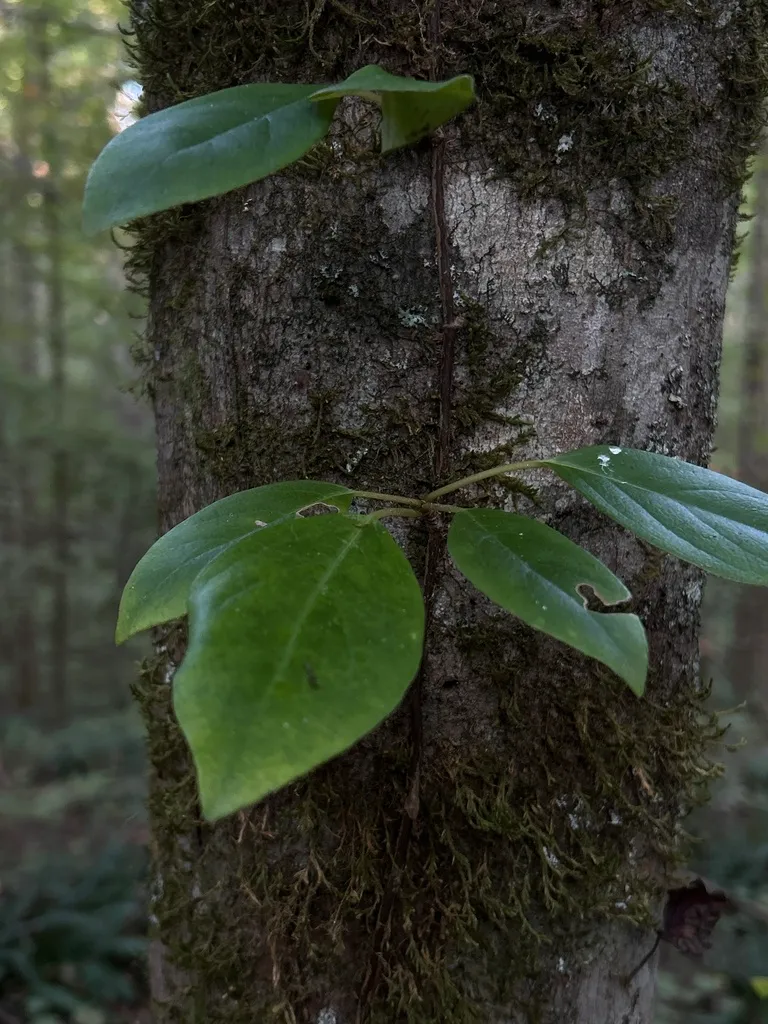
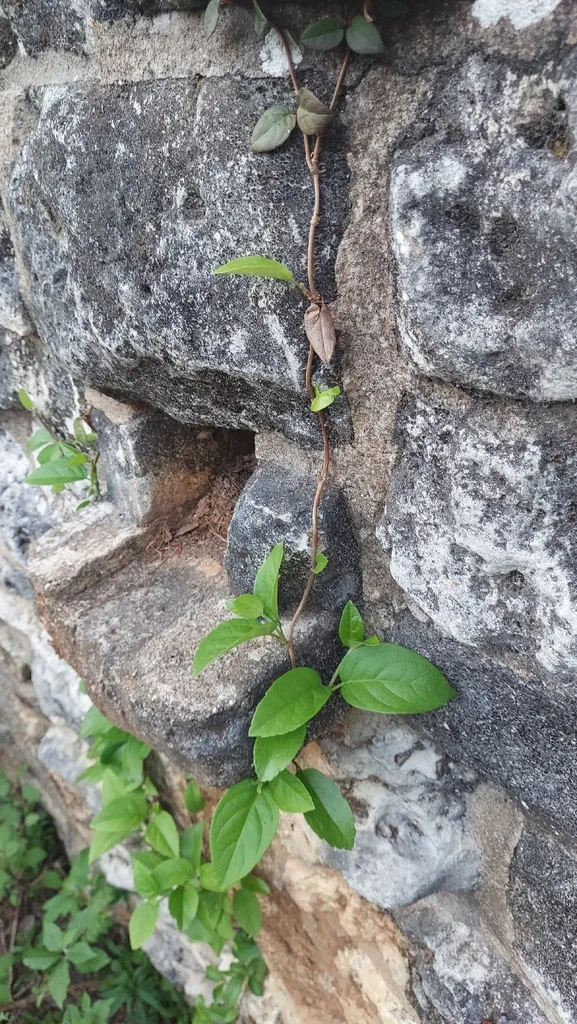
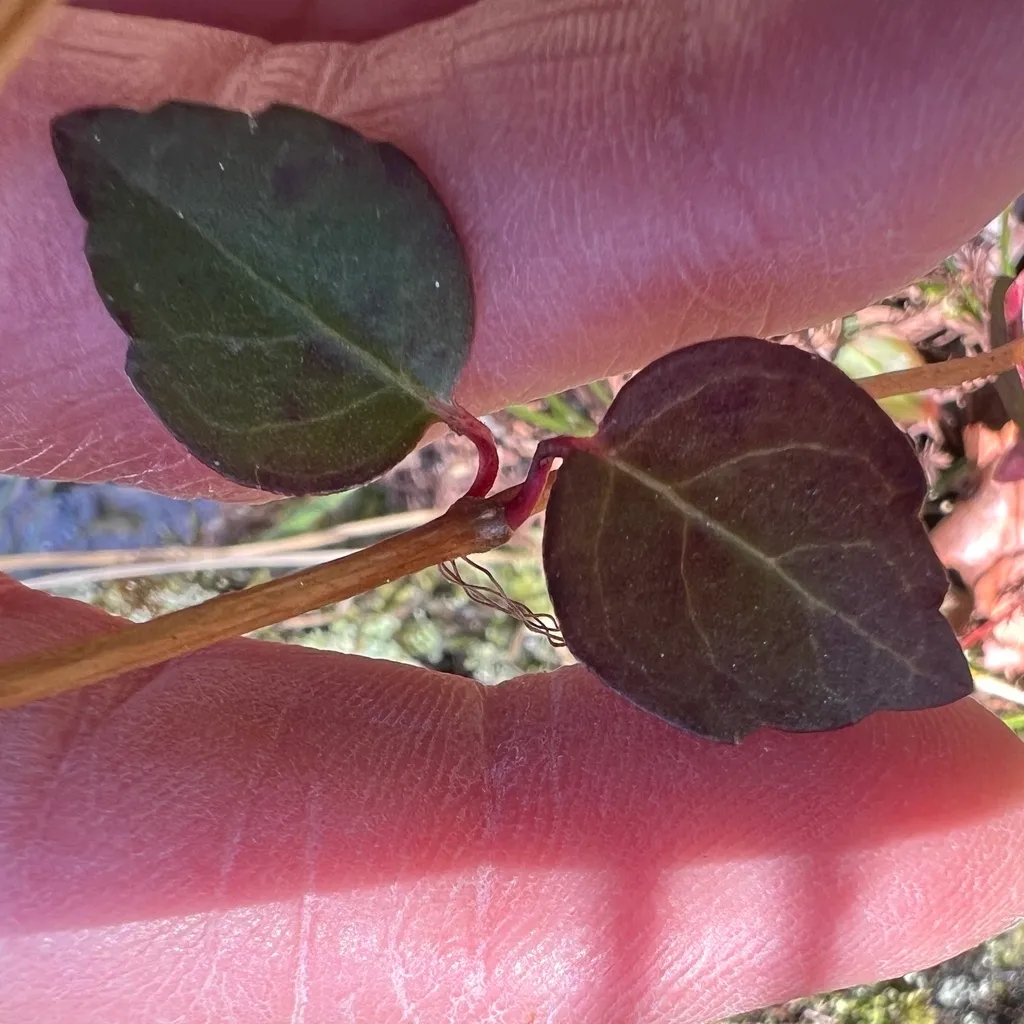
climbing hydrangea pictures
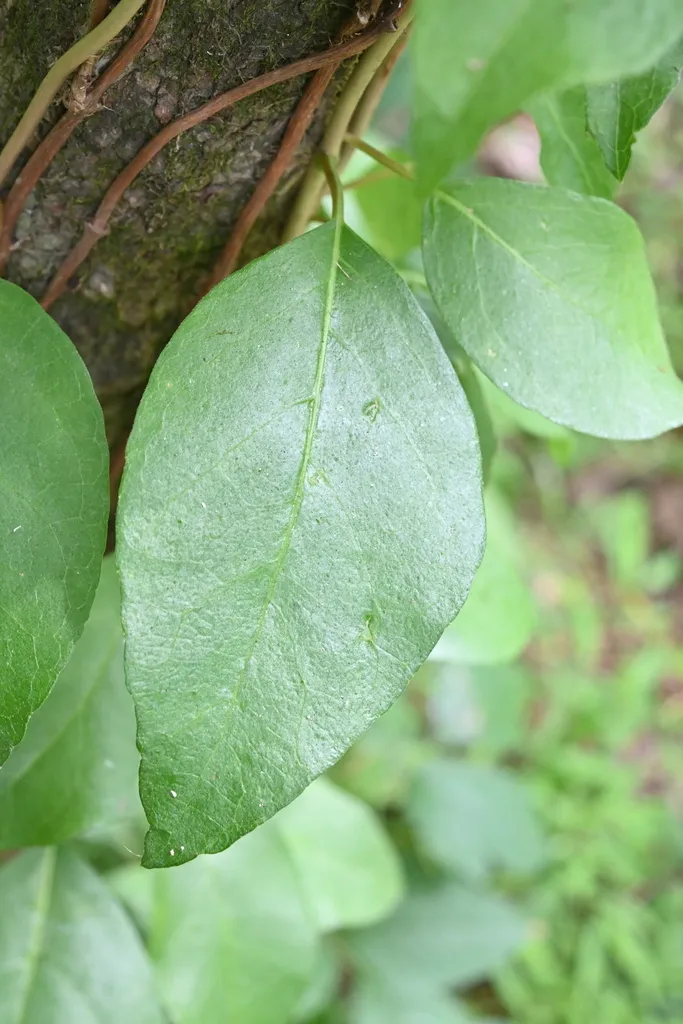
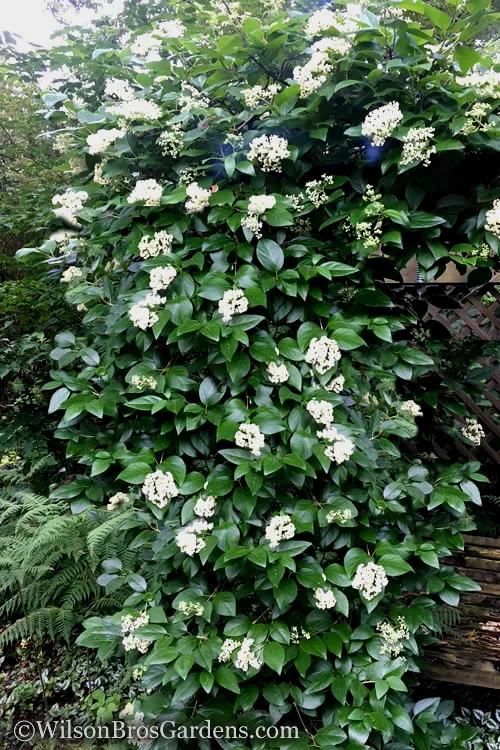
Distribution of climbing hydrangea
Distribution map
Southeastern USA
Information to be completed
Culture
Information to be completed
Toxicity
Skin allergen. Wear gloves and other protective equipment when handling
Quick identification of climbing hydrangea
Information to be completed
climbing hydrangea care guide
- Consistently moist acidic soil, extra water in hot dry summer
- Watering
- Full sun · Partial shade
- Sunlight
- Information to be completed
- Ideal temperature

Watering
Consistently moist acidic soil, extra water in hot dry summer
Fertilizing
 Fertilizing
Ericaceous shrub feed monthly spring until mid summer months
Pruning
 Pruning
On established wall-trained shrubs, shorten sideshoots to two to four buds from the framework; remove shoots growing towards the wall. Prune annually after flowering on last-year growth, or in late winter or early spring on current-year growth.
Propagation
 Propagation
Propagate by semi-ripe cuttings in late summer or early autumn
Growing
 Growing
Grow on a wall, or as ground cover. Requires reasonably fertile, preferably loamy, well-drained soil in sun or partial shade, sheltered from cold winds and frost
People also ask
Information to be completed
Common pests and diseases
Diseases
May be susceptible to a leaf spot, powdery mildews, grey moulds (Botrytis) and honey fungus (rarely)
Pests
May be susceptible to aphids, capsid bug, hydrangea scale and vine weevil
Explore the plant health library →




