
Taiwanese hydrangea vine
Also known as: Information to be completed
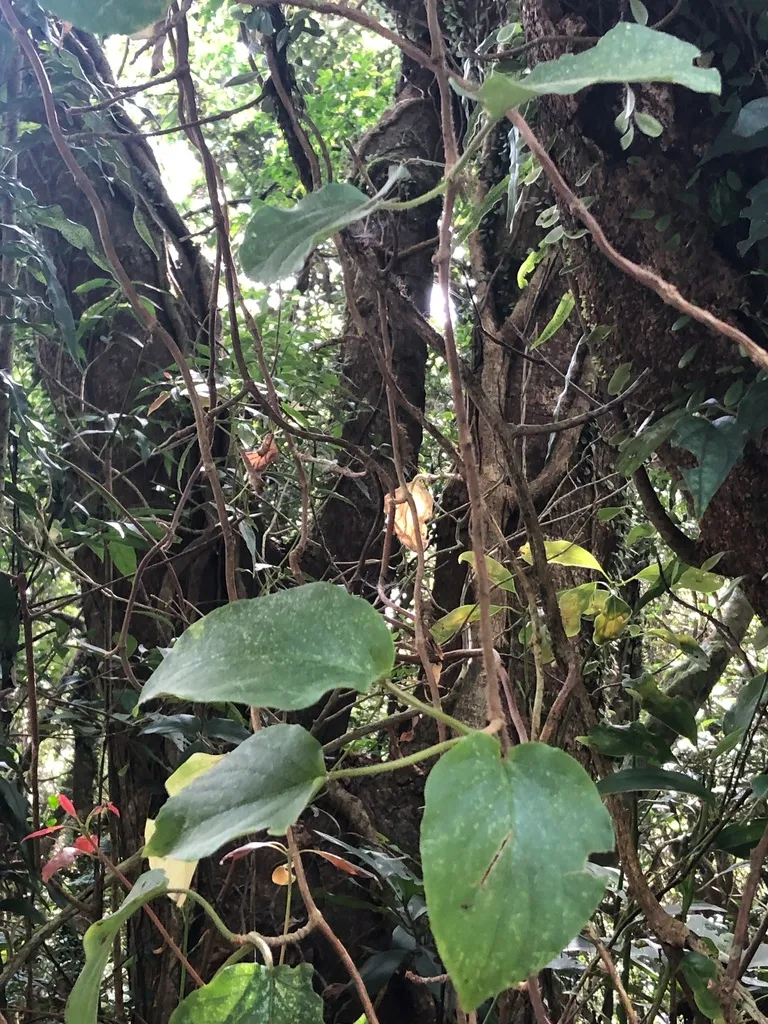
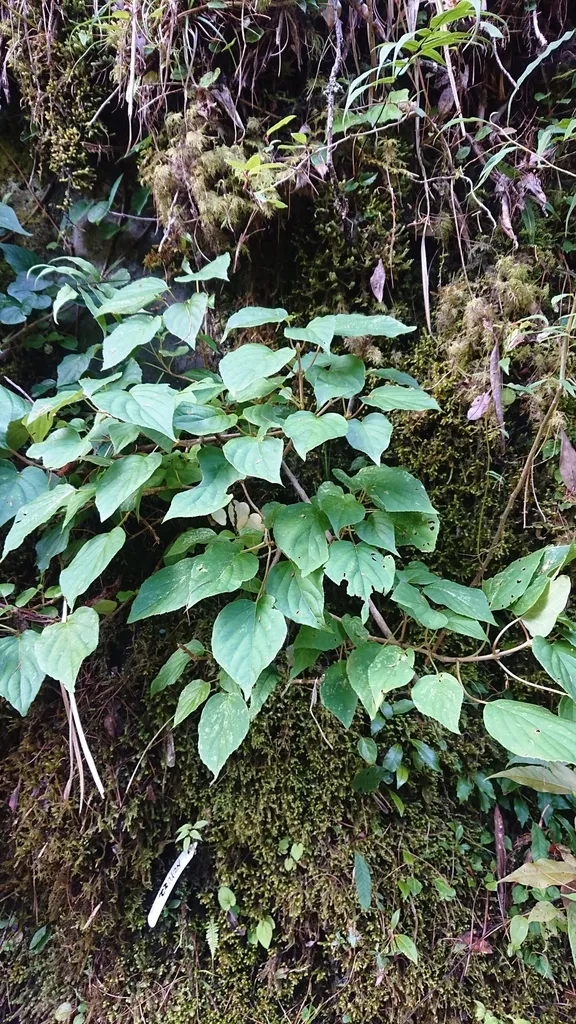
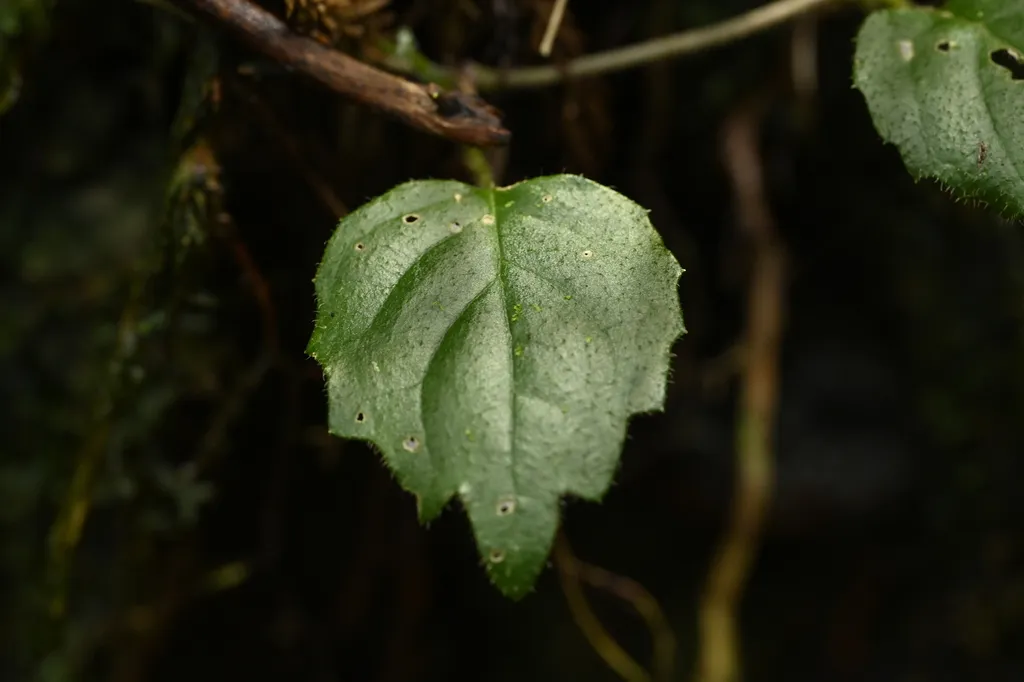
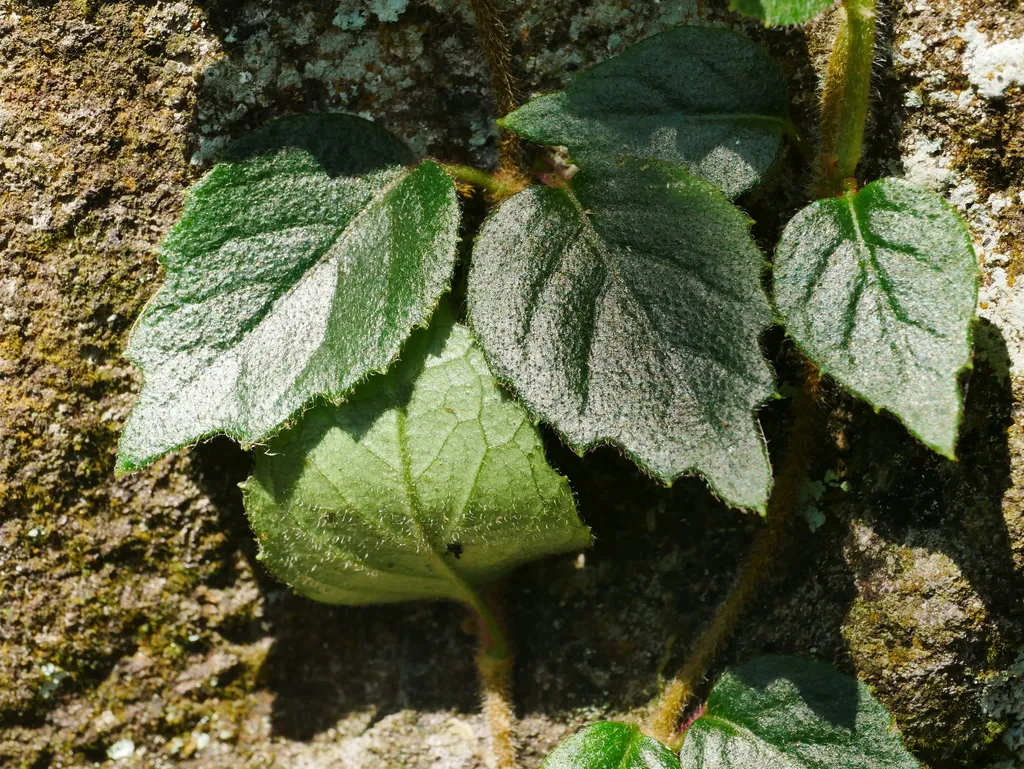
Vigorous, woody, deciduous, self-clinging climber about 15m in height, with downy, brown stems and broad, leathery, matt dark green leaves, to 11cm long, grey-white beneath with brownish down along the veins. Large, scented lacy flowerheads, with white fertile flowers are surrounded by solitary, creamy-white bracts, produced in midsummer
Scientific classification
- Species
- Taiwanese hydrangea vine (Hydrangea fauriei)
- Genus
- Hydrangea
- Family
- Hydrangeaceae
- Skin allergen. Wear gloves and other protective equipment when handling
- Toxicity
- Climber Wall Shrub
- Plant type
- Higher than 12 metres
- Height
- wider than 8 metres
- Spread
- Deciduous
- Foliage
- Climbing
- Habit
- Autumn · Spring · Summer
- Season of interest
- Full sun · Partial shade
- Sunlight
- Information to be completed
- Ideal temperature









Taiwanese hydrangea vine pictures
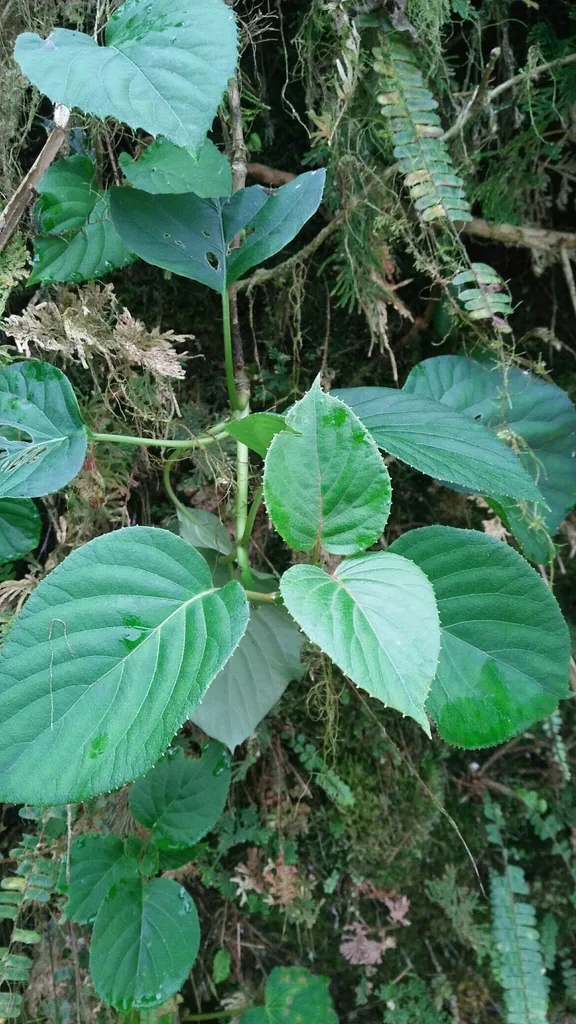
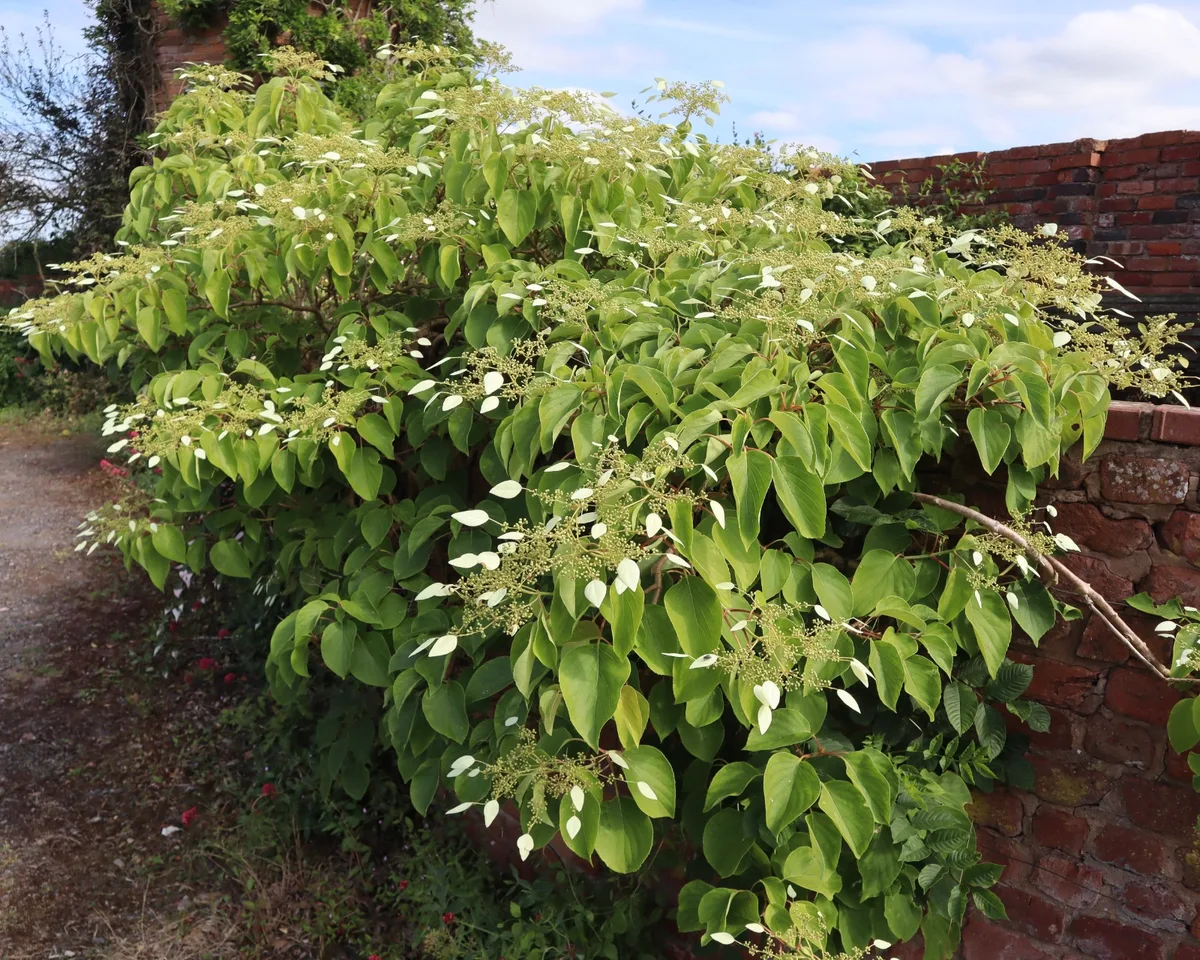
Distribution of Taiwanese hydrangea vine
Distribution map
- Native
- Introduced
- Cultivated
Source:WCVP v16 · Royal Botanic Gardens, Kew · CC BY 3.0 · Boundaries:WGSRPD / TDWG
Culture
Information to be completed
Toxicity
Skin allergen. Wear gloves and other protective equipment when handling
Quick identification of Taiwanese hydrangea vine
Information to be completed
Taiwanese hydrangea vine care guide
- Consistently moist root zone, add extra water during warm dry weather
- Watering
- Full sun · Partial shade
- Sunlight
- Information to be completed
- Ideal temperature

Watering
Consistently moist root zone, add extra water during warm dry weather
Fertilizing
 Fertilizing
Hydrangea shrub feed every four weeks spring through early summer
Pruning
 Pruning
Routine pruning is unnecessary; shorten overlong shoots to fit the available space. Prune after flowering has finished.
Propagation
 Propagation
Propagate by layering, softwood cuttings in early or midsummer, or semi-ripe cuttings in late summer
Growing
 Growing
Grow in moist but well-drained, humus rich soil, in sun or partial shade with shelter from cold, drying winds and from late frosts, which may damage young leaf and bud growth. See climbing hydrangea cultivation for detailed advice
People also ask
Information to be completed
Common pests and diseases
Diseases
May be susceptible to a leaf spot, powdery mildews, grey moulds (Botrytis) and honey fungus (rarely)
Pests
May be susceptible to aphids, capsid bug, glasshouse red spider mite, vine weevil and hydrangea scale
Explore the plant health library →




