
apricot 'Alfred'
Also known as: Information to be completed
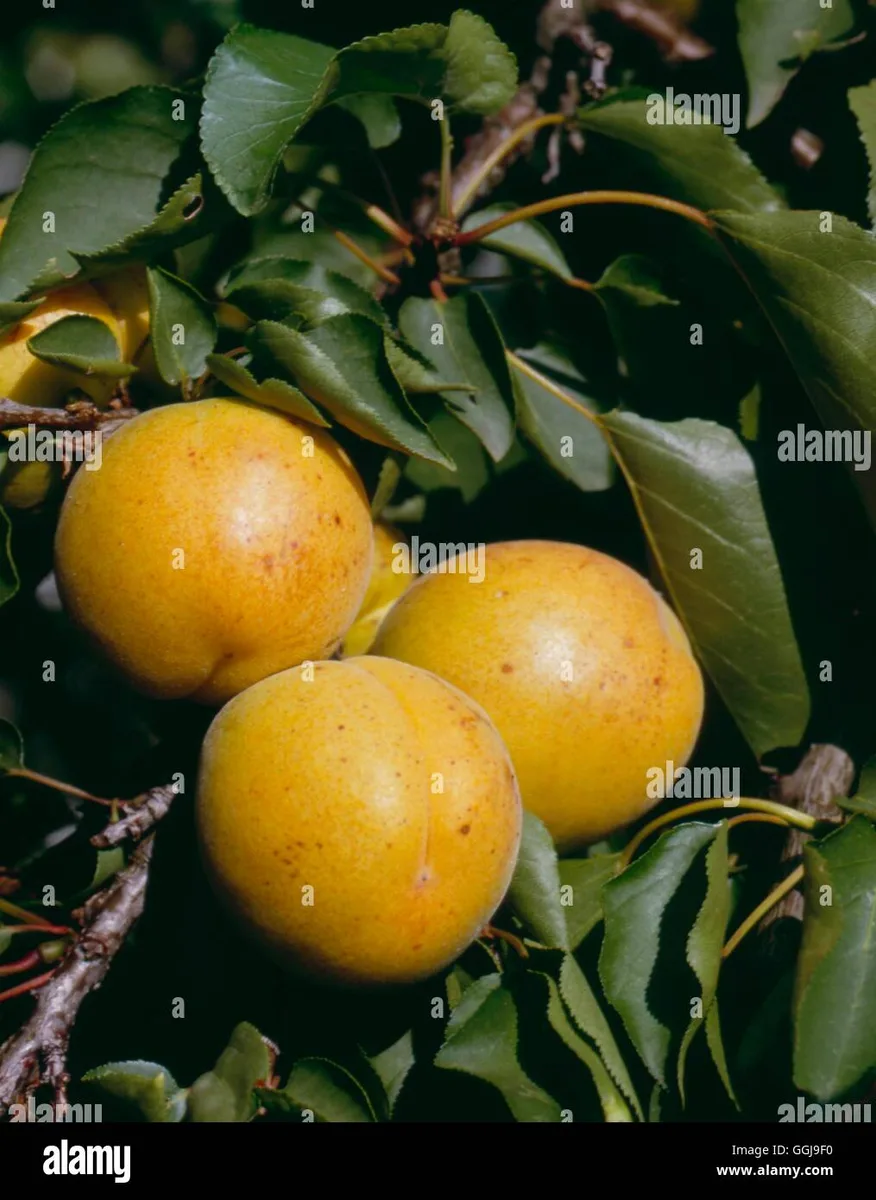
A small deciduous tree reaching around 6m eventually. It has palest pink-white blossom early in spring before its green leaves. Hardy enough for the UK, the flowers develop into sweet orange fruits with a pink blush
Scientific classification
- Species
- apricot 'Alfred' (Prunus armeniaca 'Alfred')
- Genus
- Prunus
- Family
- Rosaceae
- Order
- Rosales
- Class
- Magnoliopsida
- Phylum
- Magnoliophyta
- Information to be completed
- Toxicity
- Fruit Edible · Trees
- Plant type
- 4-8 metres
- Height
- 2.5-4 metres
- Spread
- Deciduous
- Foliage
- Information to be completed
- Habit
- Spring · Summer · Autumn
- Season of interest
- Full sun
- Sunlight
- Information to be completed
- Ideal temperature









apricot 'Alfred' pictures
Distribution of apricot 'Alfred'
Distribution map
- Native
- Introduced
- Cultivated
Source:WCVP v16 · Royal Botanic Gardens, Kew · CC BY 3.0 · Boundaries:WGSRPD / TDWG
apricot 'Alfred' care guide
- Deep watering during dry spells, let surface soil partly dry between sessions
- Watering
- Full sun
- Sunlight

Watering
Deep watering during dry spells, let surface soil partly dry between sessions
Fertilizing
 Fertilizing
Balanced tree feed applied once every early spring growth cycle
Pruning
 Pruning
Regular pruning should be carried out to maintain health and productivity. This should be done in summer when in active growth
Propagation
 Propagation
Propagate by grafting
Growing
 Growing
Grow in deep fertile soil which is water-retentive but free-draining. Choose a warm, sheltered spot with good light. For more advice see apricot cultivation
Common pests and diseases
Diseases
May be susceptible to bacterial canker, honey fungus, blossom wilt, brown rot and silver leaf
Pests
May be susceptible to aphids, winter moth and damage from birds. if grown under cover, tortrix moth caterpillars and glasshouse red spider mite can be a problem
Explore the plant health library →




