
low-growing nerine
Also known as: Information to be completed
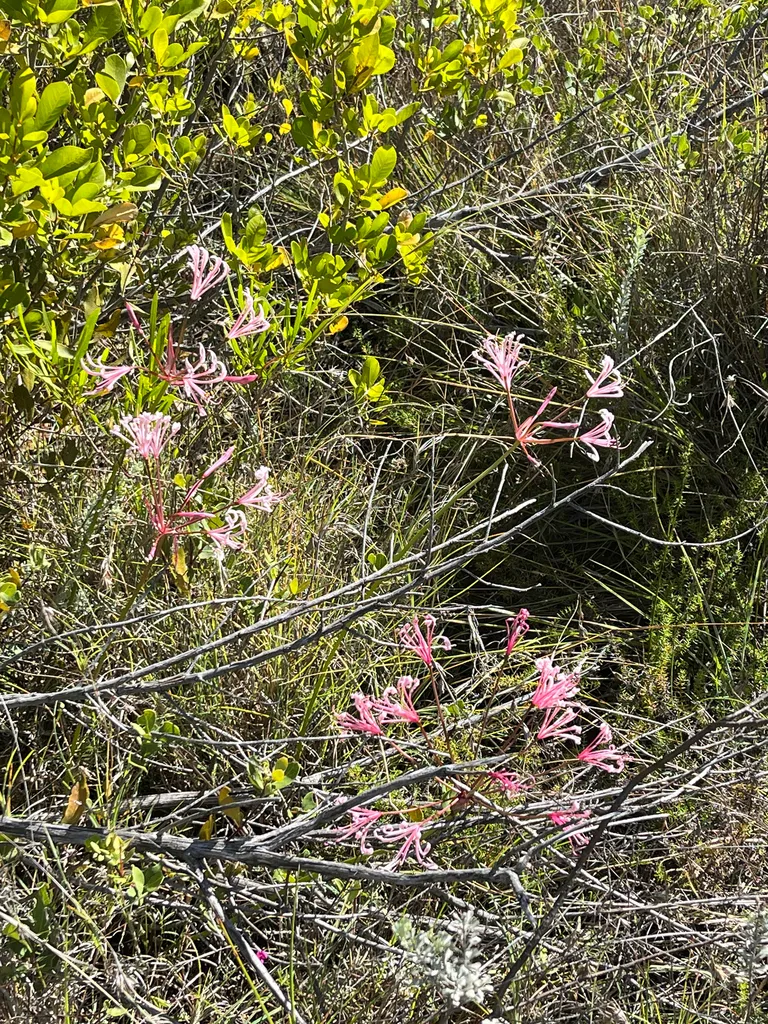
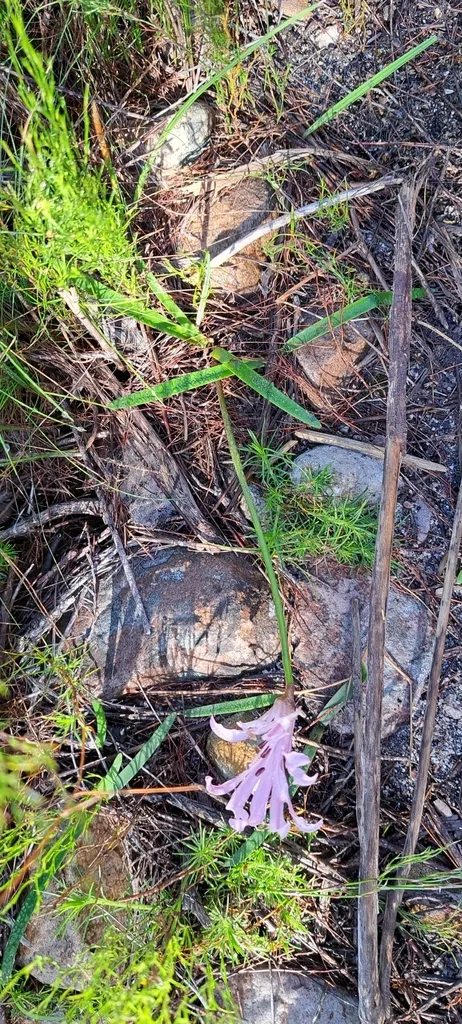
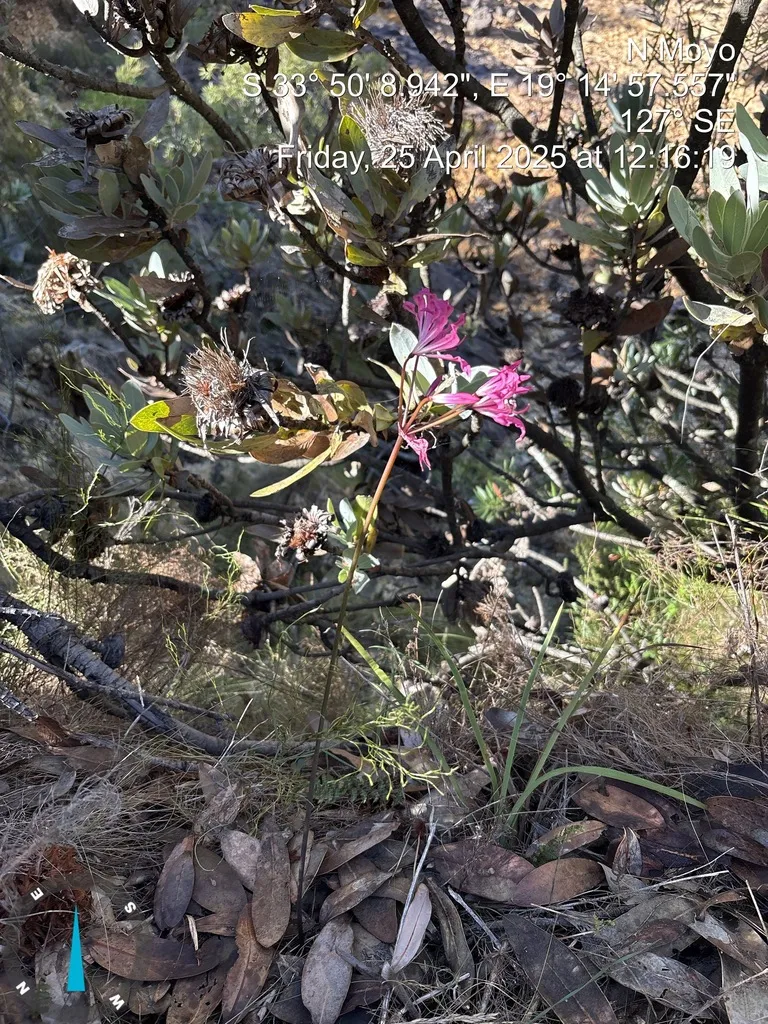
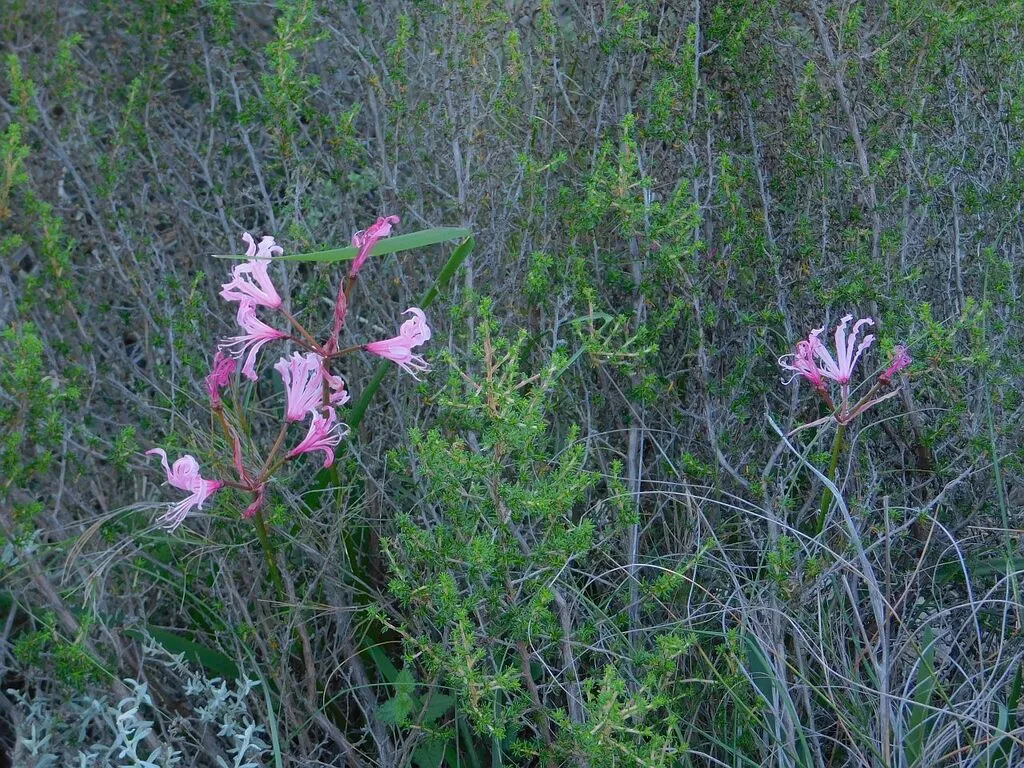
A variable, perennial bulb. The flowers develop in autumn at the same time as the strap-shaped, spreading leaves. The petals are narrow, with wavy edges, in various shades of pink. There can be from one to 12 flowers on each stem, which may be 10-40cm tall
Scientific classification
- Species
- low-growing nerine (Nerine humilis)
- Genus
- Nerine
- Family
- Amaryllidaceae
- Ornamental bulbs - not to be eaten. Wear gloves and other protective equipment when handling
- Toxicity
- Conservatory Greenhouse · Bulbs
- Plant type
- 0.1-0.5 metres
- Height
- 0.1-0.5 metres
- Spread
- Deciduous
- Foliage
- Tufted
- Habit
- Autumn
- Season of interest
- Full sun
- Sunlight
- Information to be completed
- Ideal temperature









low-growing nerine pictures
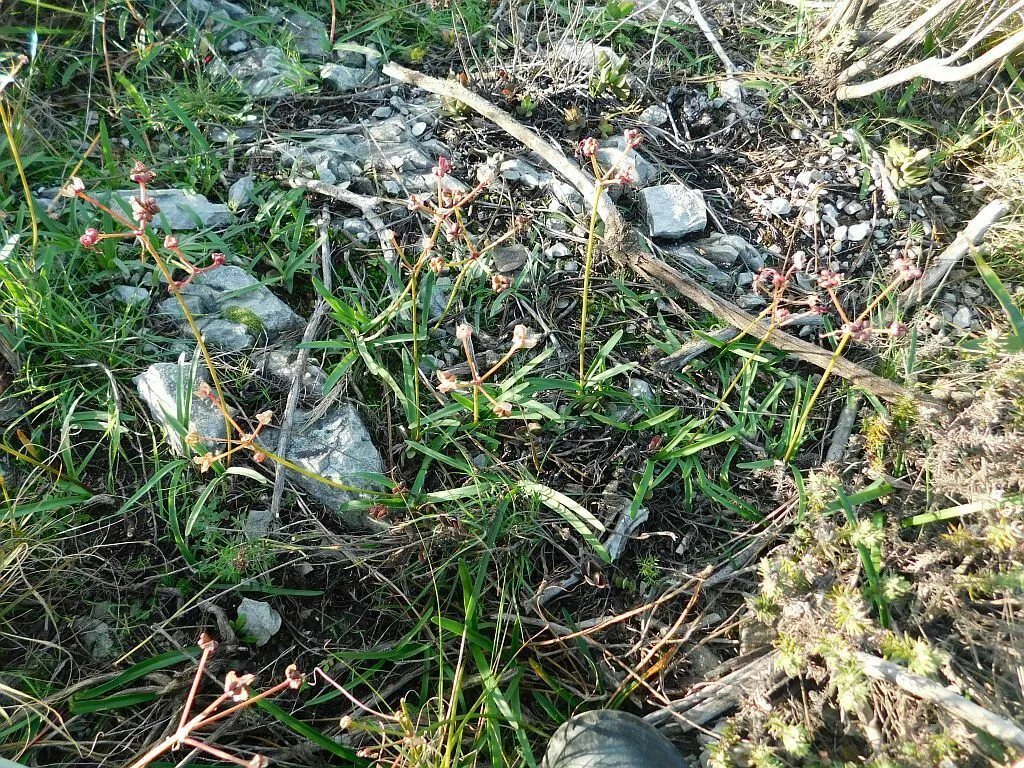
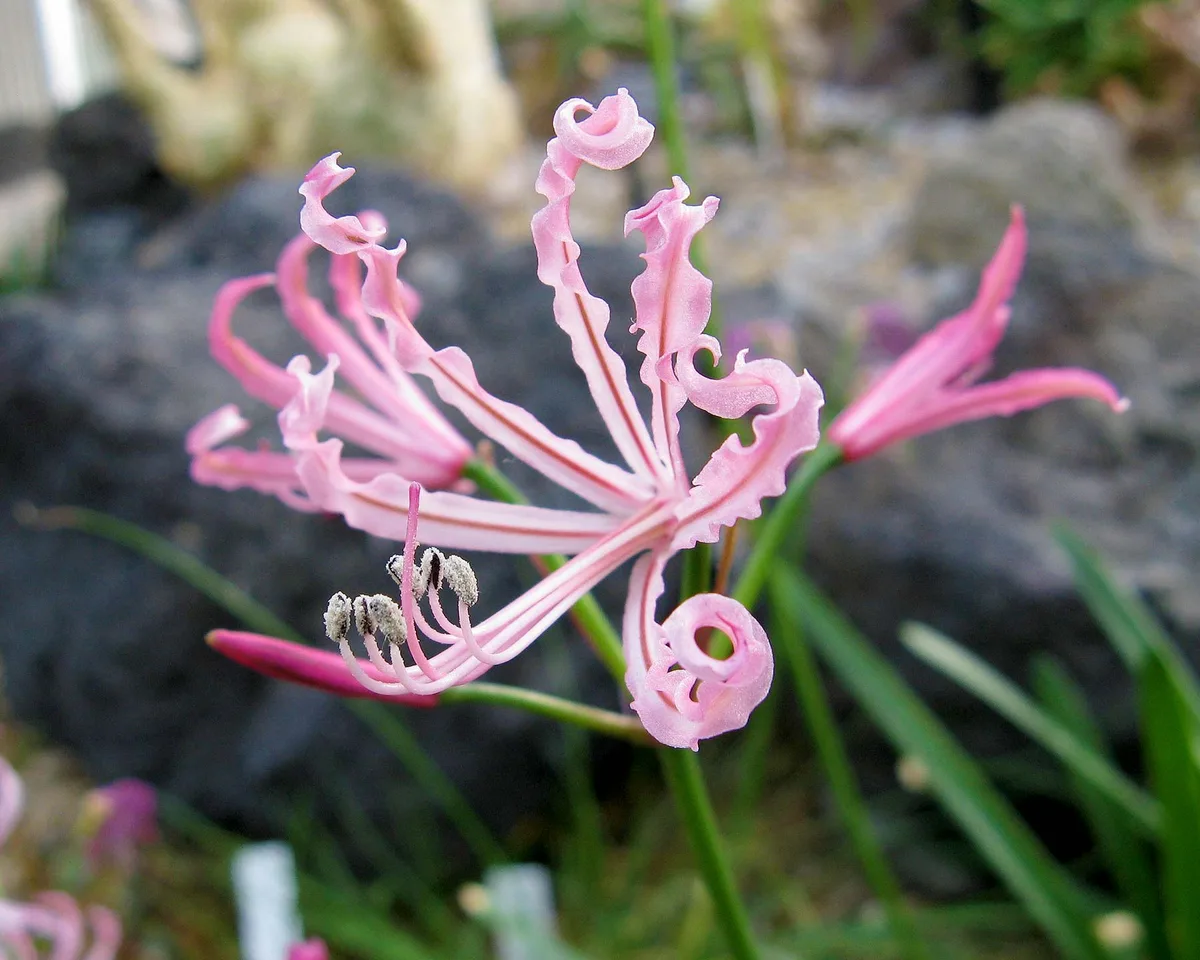
Distribution of low-growing nerine
Distribution map
- Native
- Introduced
- Cultivated
Source:WCVP v16 · Royal Botanic Gardens, Kew · CC BY 3.0 · Boundaries:WGSRPD / TDWG
Culture
Information to be completed
Toxicity
Ornamental bulbs - not to be eaten. Wear gloves and other protective equipment when handling
Quick identification of low-growing nerine
Information to be completed
low-growing nerine care guide
- Moisten soil in growth phase, reduce water heavily at dormancy
- Watering
- Full sun
- Sunlight
- Information to be completed
- Ideal temperature

Watering
Moisten soil in growth phase, reduce water heavily at dormancy
Fertilizing
 Fertilizing
Weak blooming bulb fertilizer every two weeks pre-flowering
Pruning
 Pruning
Deadhead after flowering
Propagation
 Propagation
Propagate by seed, sown with moderate heat as soon as ripe or by division after flowering
Growing
 Growing
Grow in pots of loam-based potting compost, planting in spring or autumn, so the bulb tips are above the compost surface; they flower best when congested. Provide full light, water freely when in active growth, give a low nitrogen feed after flowering, then keep warm and dry when dormant in summer. See also nerine cultivation
People also ask
Information to be completed
Common pests and diseases
Diseases
Generally disease-free
Pests
May be susceptible to slugs
Explore the plant health library →




