
ivy 'Chester'
Also known as: Information to be completed
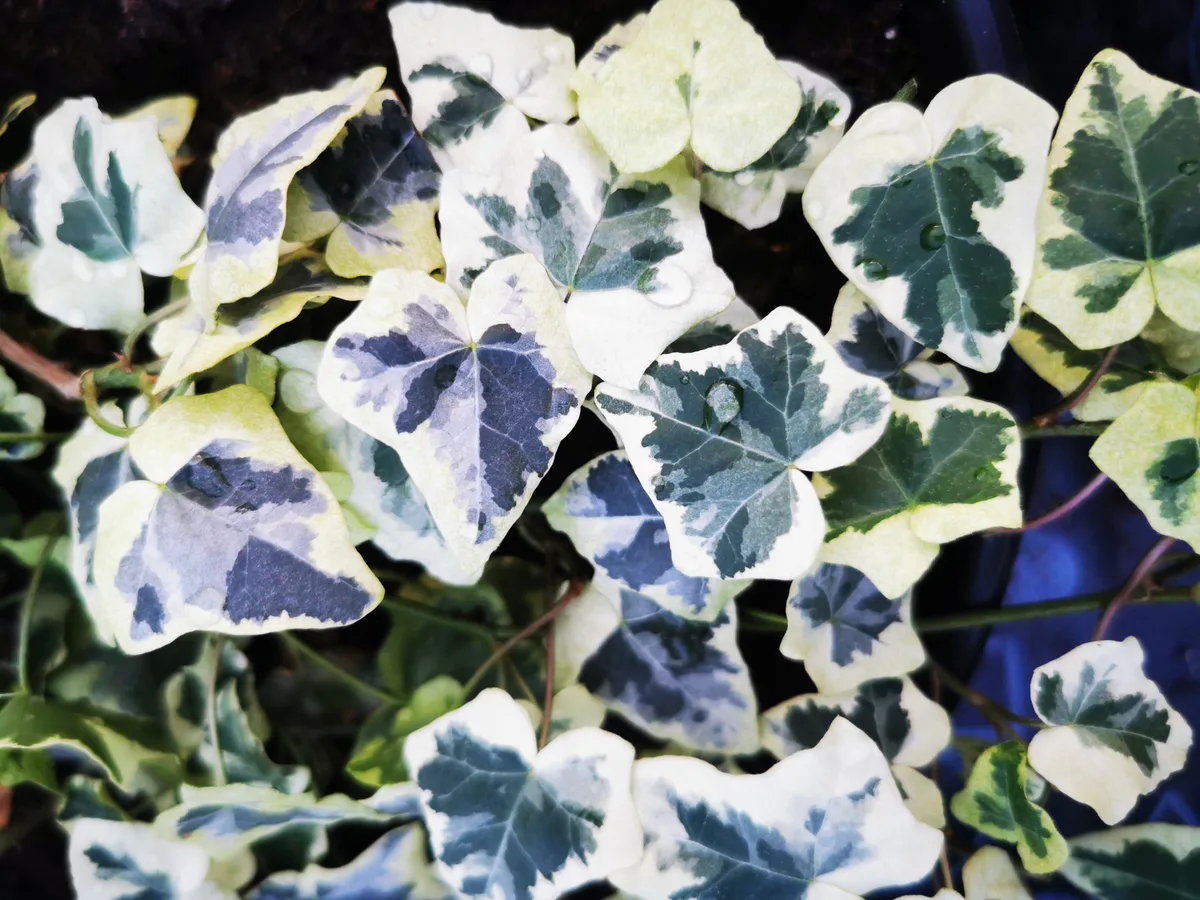
An evergreen, self-clinging climber with medium-sized, variegated grey-green foliage with a broad, creamy-white margin up to around 300cm in height. Suitable for many uses from pots and containers to covering arches, walls and trellis
Scientific classification
- Species
- ivy 'Chester' (Hedera helix 'Chester')
- Genus
- Hedera
- Family
- Araliaceae
- Order
- Apiales
- Class
- Magnoliopsida
- Phylum
- Magnoliophyta
- Harmful if eaten, skin irritant. Wear gloves and other protective equipment when handling]
- Toxicity
- Climber Wall Shrub
- Plant type
- 2.5-4 metres
- Height
- 2.5-4 metres
- Spread
- Evergreen
- Foliage
- Climbing
- Habit
- Spring · Summer · Autumn · Winter
- Season of interest
- Full shade · Full sun · Partial shade
- Sunlight
- Information to be completed
- Ideal temperature









ivy 'Chester' pictures
Toxicity
Harmful if eaten, skin irritant. Wear gloves and other protective equipment when handling]
ivy 'Chester' care guide
- Light regular mist and root watering, avoid waterlogged compost
- Watering
- Full shade · Full sun · Partial shade
- Sunlight

Watering
Light regular mist and root watering, avoid waterlogged compost
Fertilizing
 Fertilizing
Diluted climbing vine liquid feed monthly in warm active months
Pruning
 Pruning
Routine pruning is unnecessary; shorten overlong shoots to fit the available space. For last-year flowering growth, prune after flowering; for current-year flowering growth, prune in late winter or spring. This guidance is for established plants.
Propagation
 Propagation
Propagate by softwood cuttings at any time, semi-ripe or hardwood cuttings from late summer to late winter, layering or grafting at any time
Growing
 Growing
Tolerant of a range of soils and conditions but grows best in fertile, humus-rich well-drained alkaline soil in a sheltered spot. Ideal for patio containers, or on a wall or trellis. See hedera (ivy) cultivation
Common pests and diseases
Diseases
May be susceptible to honey fungus (rarely) and a leaf spot
Pests
May be susceptible to glasshouse red spider mite, scale insects, vine weevil and aphids
Explore the plant health library →




