
alpine knotweed
Also known as: Information to be completed
A tall, clump-forming semi-evergreen perennial to 1.5 with large, willowherb-like lance-shaped fine green leaves which turn to brown-orange in august, and strong stems bearing plumes of small, airy, delicately fragrant creamy-white flowers which flower over a long period in summer, followed by pinkish-red seed heads in late summer. Suitable for the back of a flower border. Holds well without the need for staking
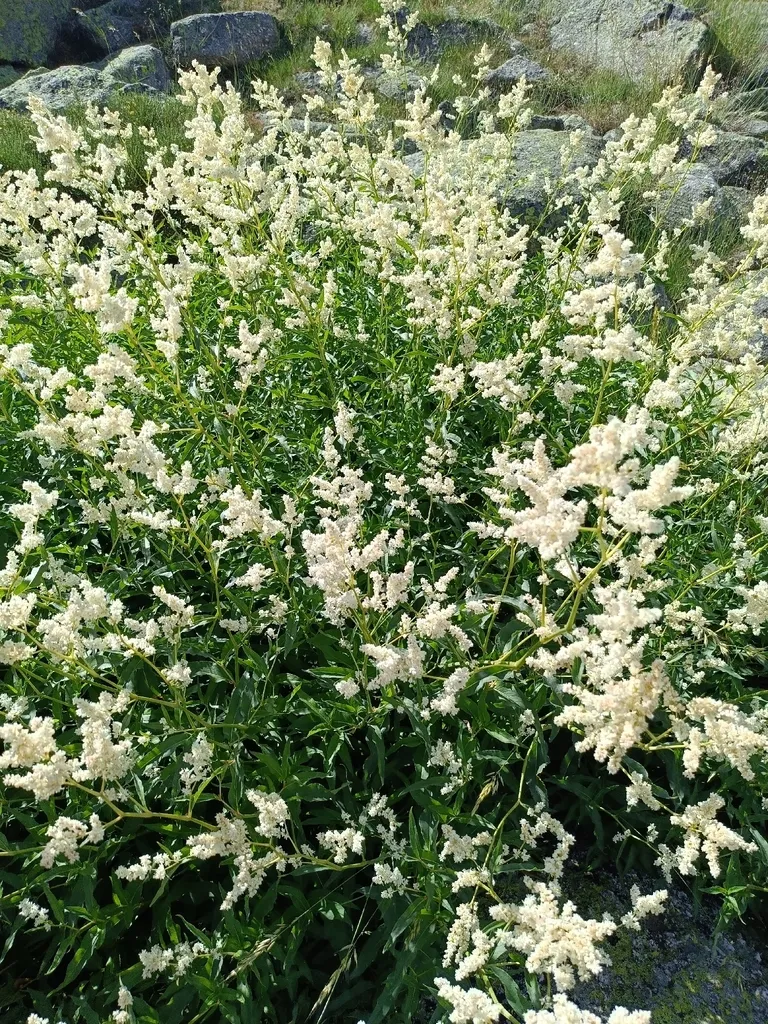
Scientific classification
- Species
- alpine knotweed (Koenigia alpina)
- Genus
- Koenigia
- Family
- Polygonaceae
- Order
- Caryophyllales
- Class
- Magnoliopsida
- Phylum
- Magnoliophyta
- Contact with all parts may irritate skin; the sap may cause mild stomach upset if ingested. Wear gloves and other protective equipment when handling
- Toxicity
- Herbaceous Perennial
- Plant type
- 1.5-2.5 metres
- Height
- 1-1.5 metres
- Spread
- Semi evergreen
- Foliage
- Clump forming
- Habit
- Spring · Summer · Autumn · Winter
- Season of interest
- Full sun · Partial shade
- Sunlight
- Information to be completed
- Ideal temperature









alpine knotweed pictures
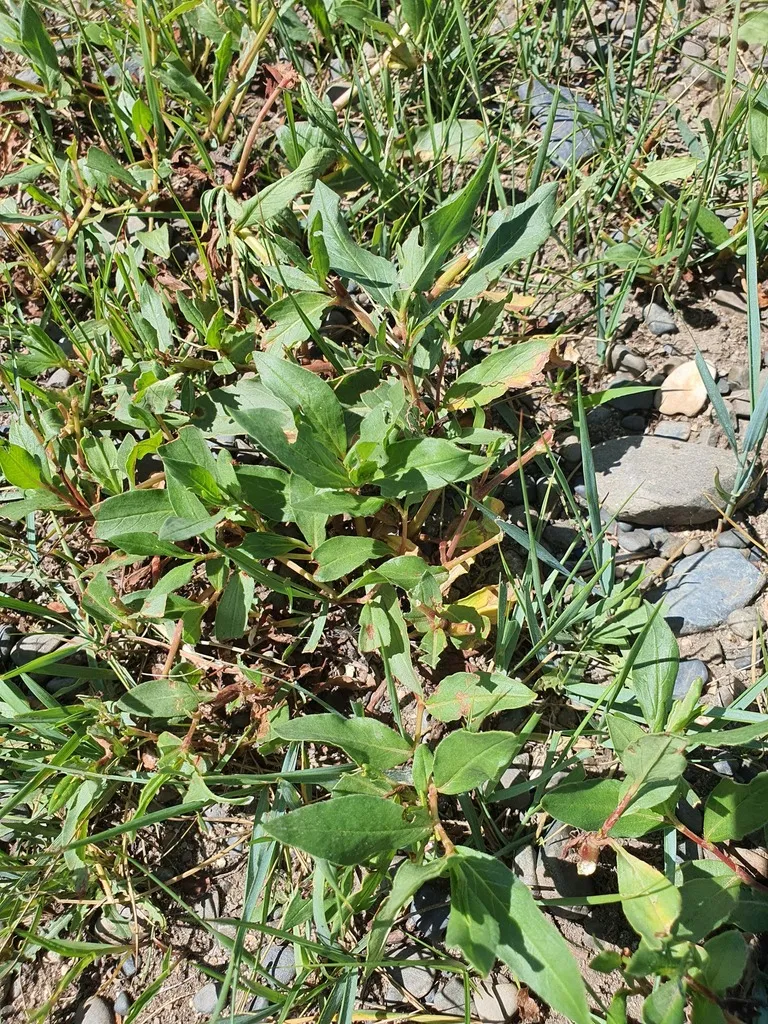
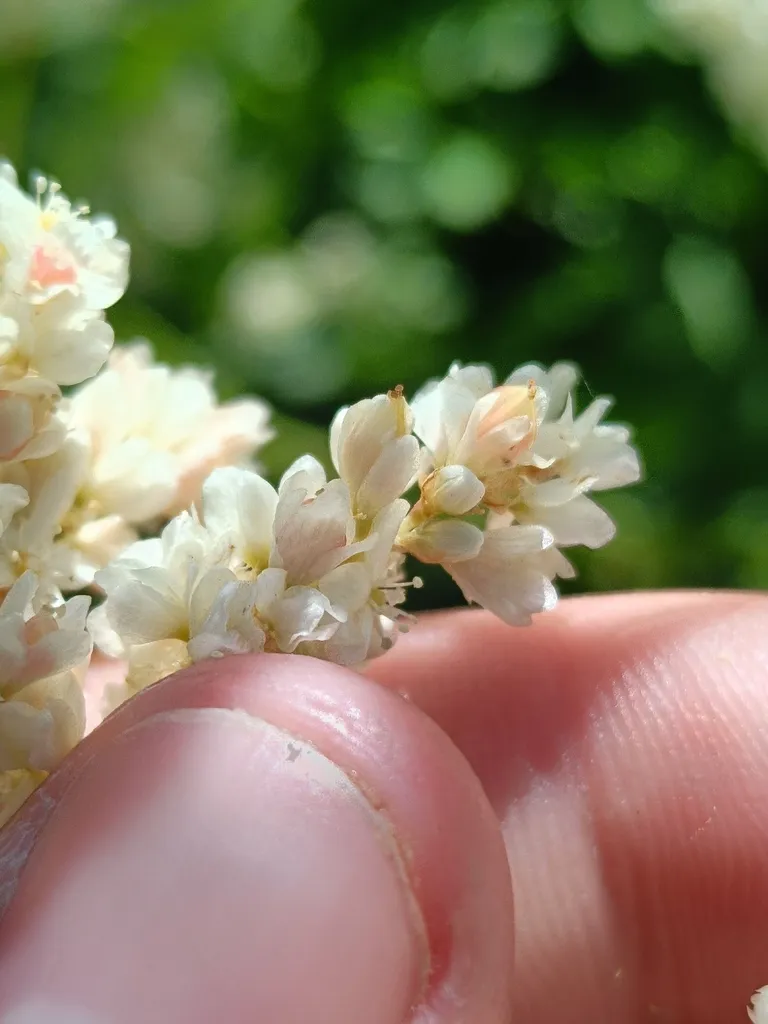
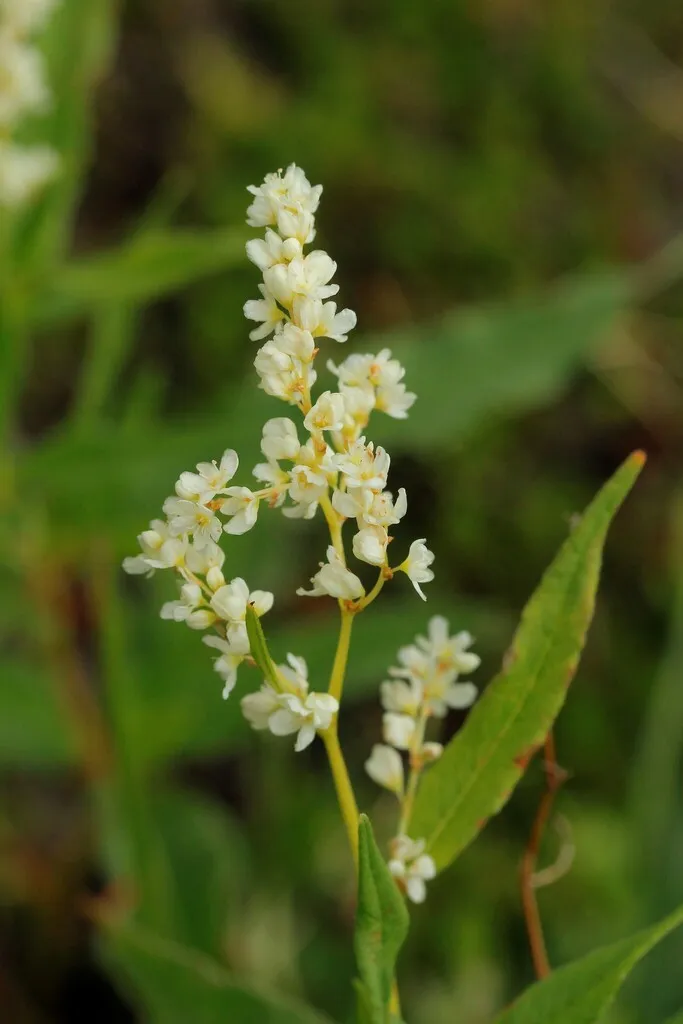
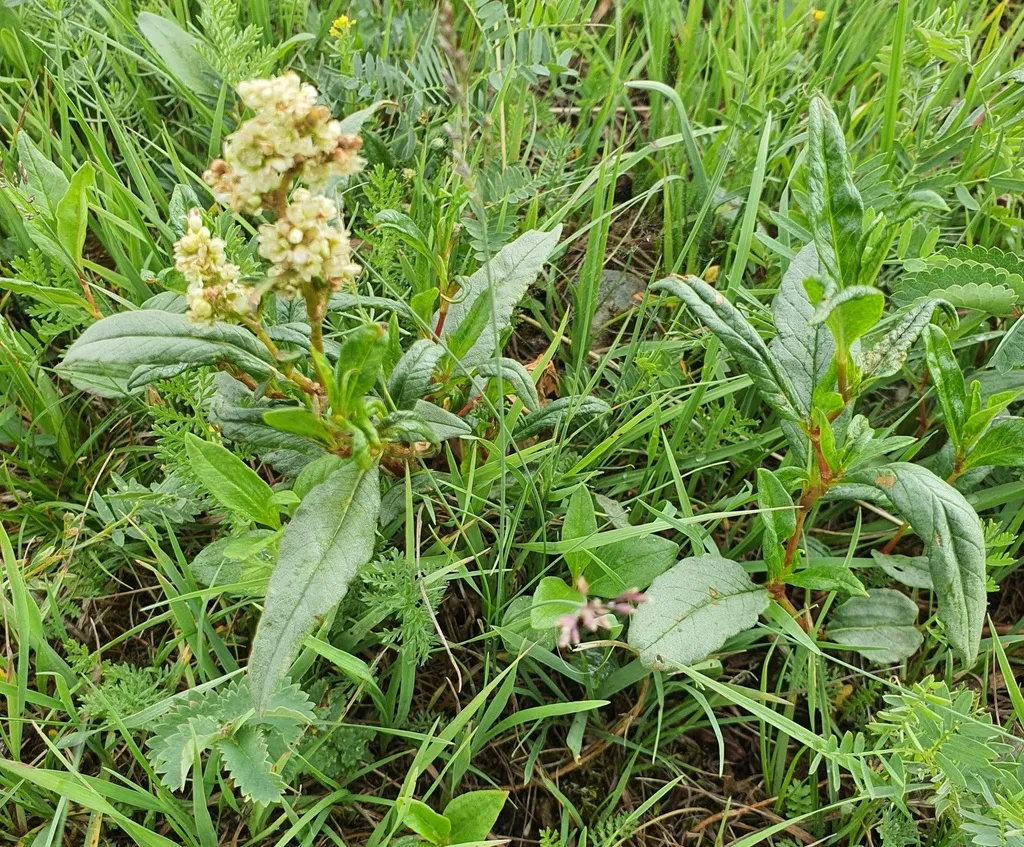
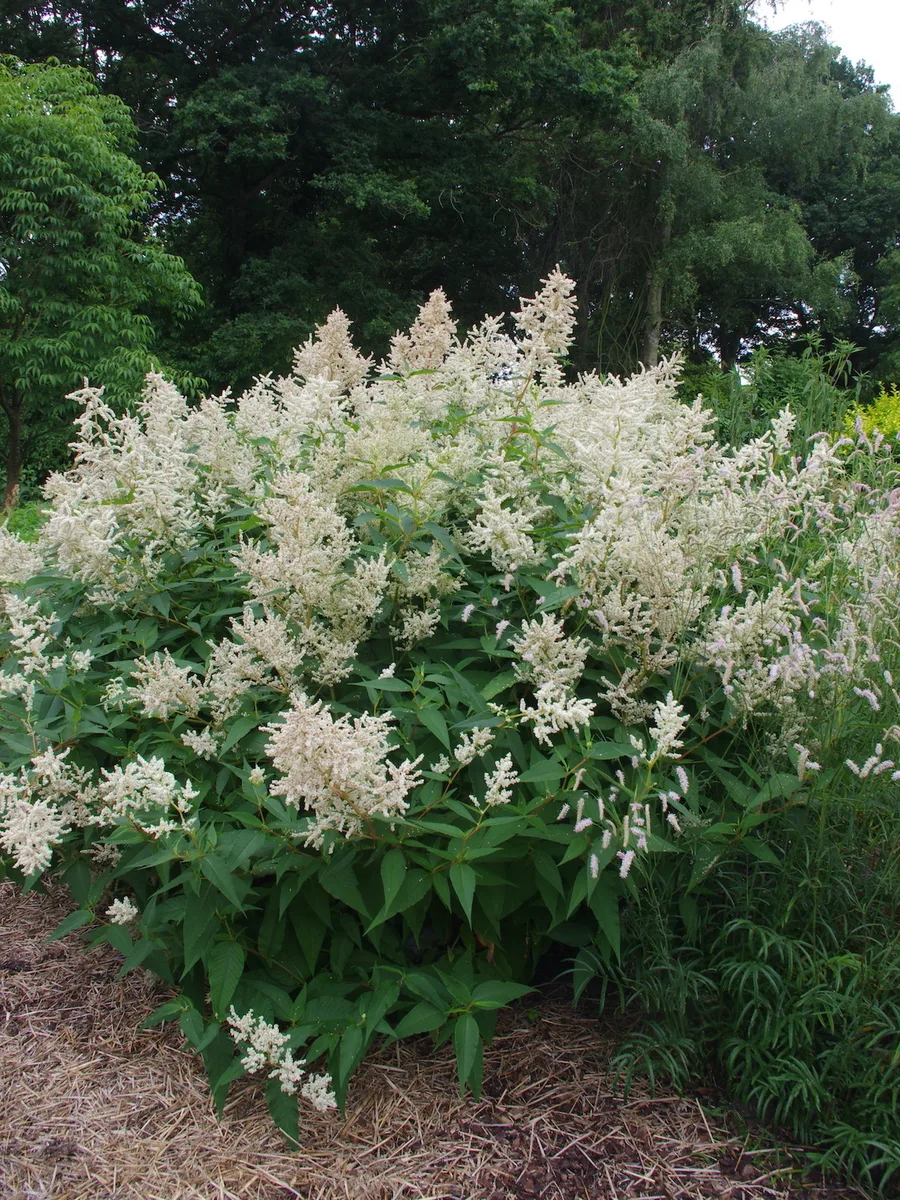
Distribution of alpine knotweed
Distribution map
- Native
- Introduced
- Cultivated
Source:WCVP v16 · Royal Botanic Gardens, Kew · CC BY 3.0 · Boundaries:WGSRPD / TDWG
Toxicity
Contact with all parts may irritate skin; the sap may cause mild stomach upset if ingested. Wear gloves and other protective equipment when handling
alpine knotweed care guide
- Moderate regular watering, allowing brief slight drying between soakings
- Watering
- Full sun · Partial shade
- Sunlight

Watering
Moderate regular watering, allowing brief slight drying between soakings
Fertilizing
 Fertilizing
Balanced perennial feed every four weeks from spring through summer
Pruning
 Pruning
No pruning required. Cut back after flowering
Propagation
 Propagation
Propagate by division in spring or autumn or propagate by seed in spring
Growing
 Growing
Grow in any moist soil in full sun or partial shade. Substantial mounds of foliage steadily increase in size, needing space and careful siting
Common pests and diseases
Diseases
Generally disease-free
Pests
Generally pest-free
Explore the plant health library →




