
mountain puya
Also known as: Information to be completed
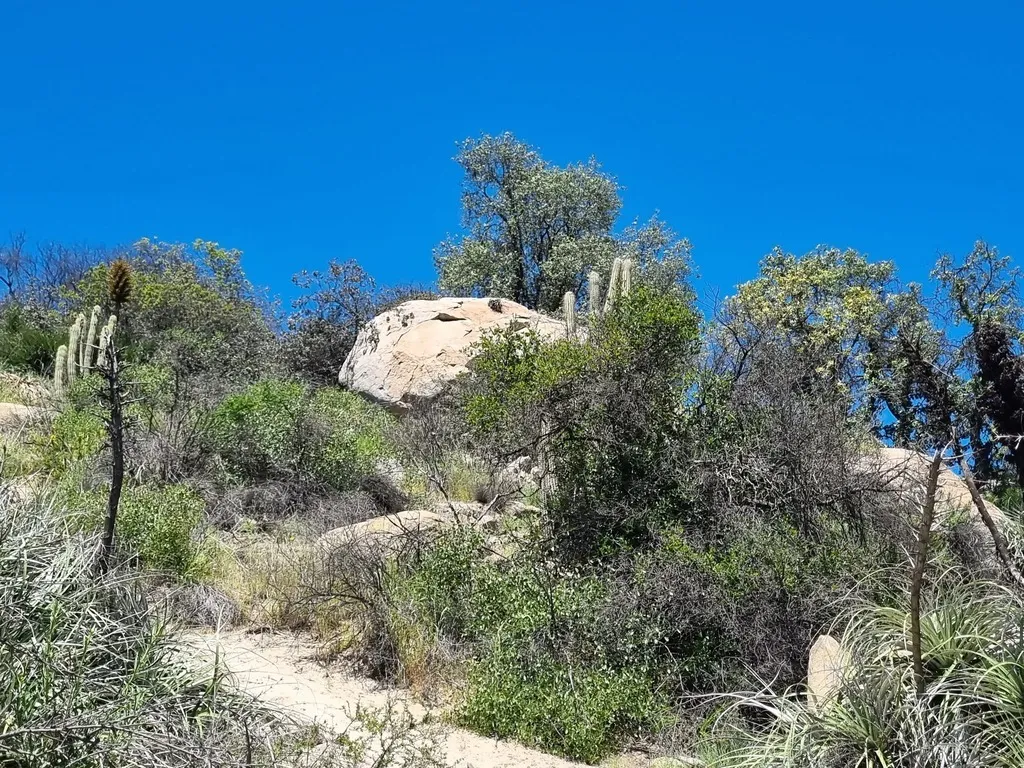
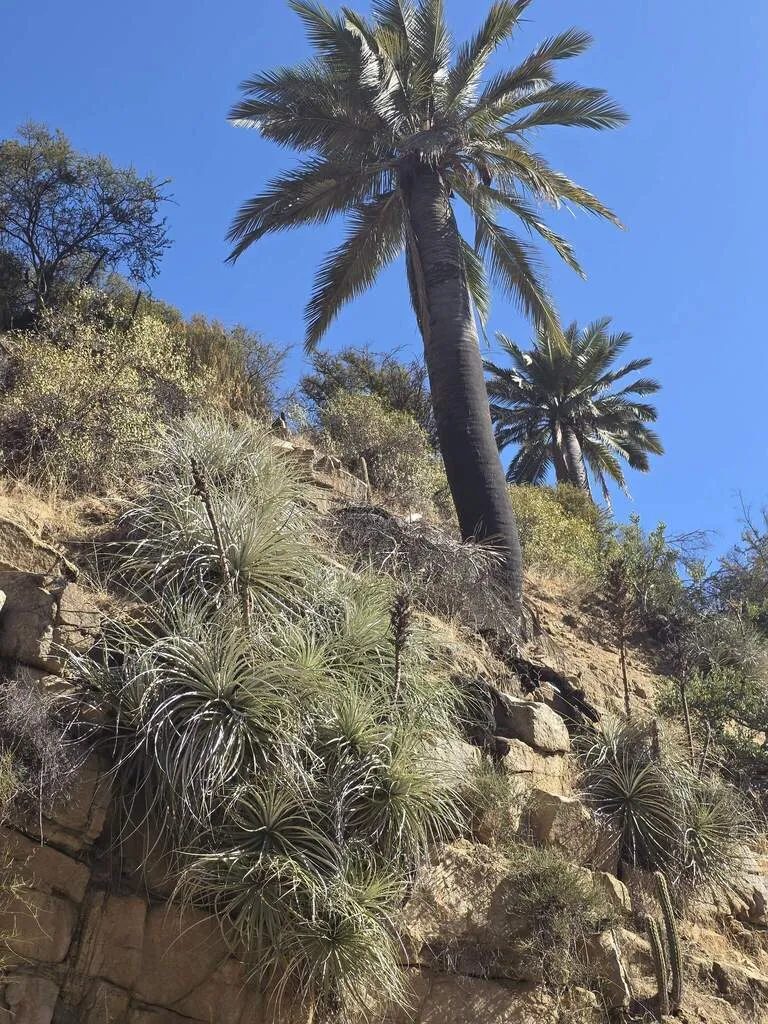
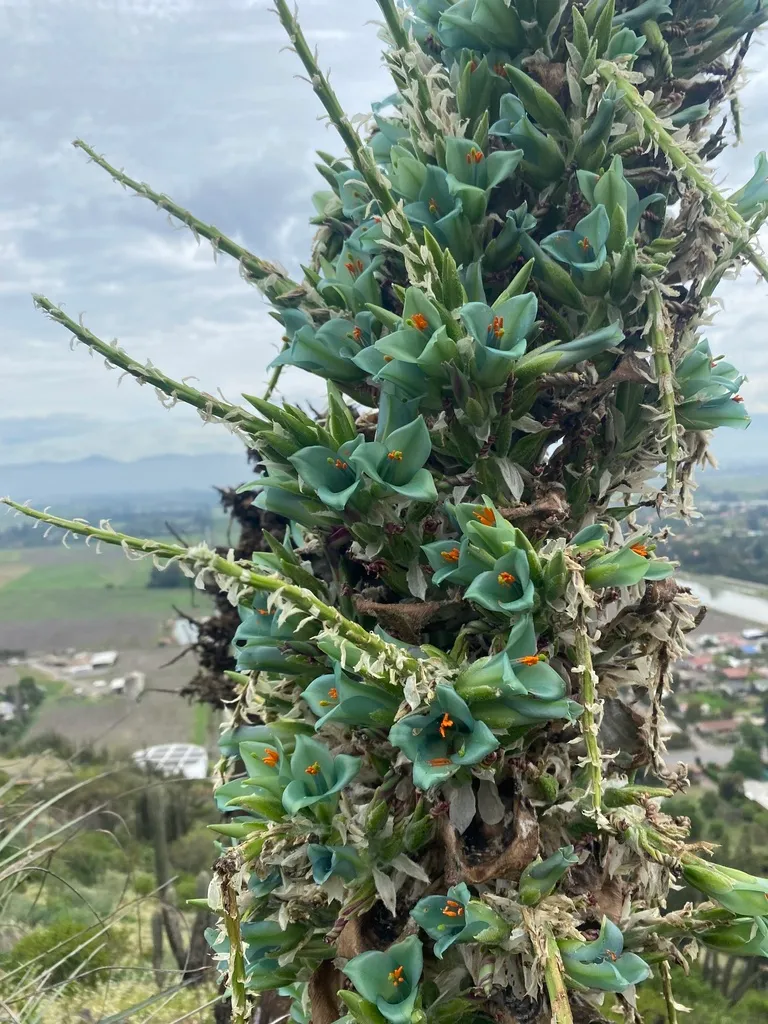
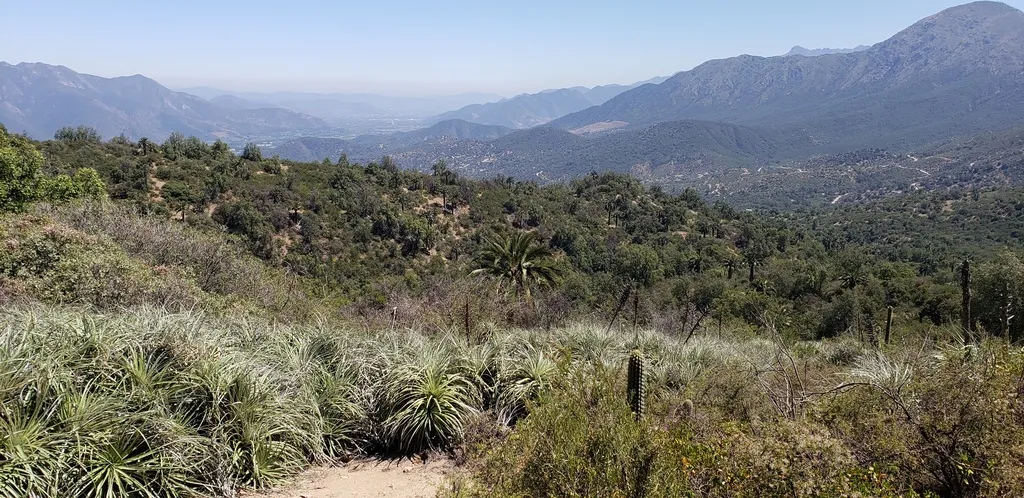
P. alpestris is an evergreen, terrestrial bromeliad, with narrow, arching, dark green leaves with spines along the margins making a clump about 60cm high. In summer produces tall, dense spikes of metallic turquoise to almost black flowers with orange anthers
Scientific classification
- Species
- mountain puya (Puya alpestris)
- Genus
- Puya
- Family
- Bromeliaceae
- Order
- Poales
- Class
- Liliopsida
- Phylum
- Magnoliophyta
- Information to be completed
- Toxicity
- Herbaceous Perennial · Conservatory Greenhouse
- Plant type
- 1-1.5 metres
- Height
- 0.5-1 metres
- Spread
- Evergreen
- Foliage
- Bushy
- Habit
- Spring · Summer · Autumn · Winter
- Season of interest
- Full sun
- Sunlight
- Information to be completed
- Ideal temperature









mountain puya pictures
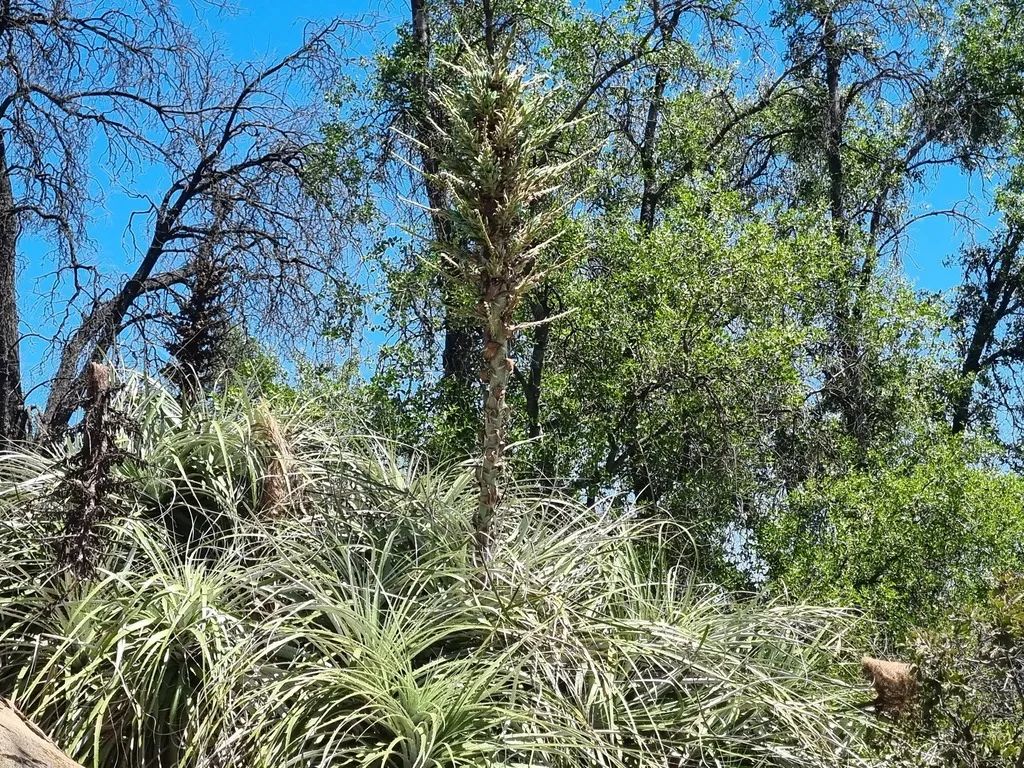
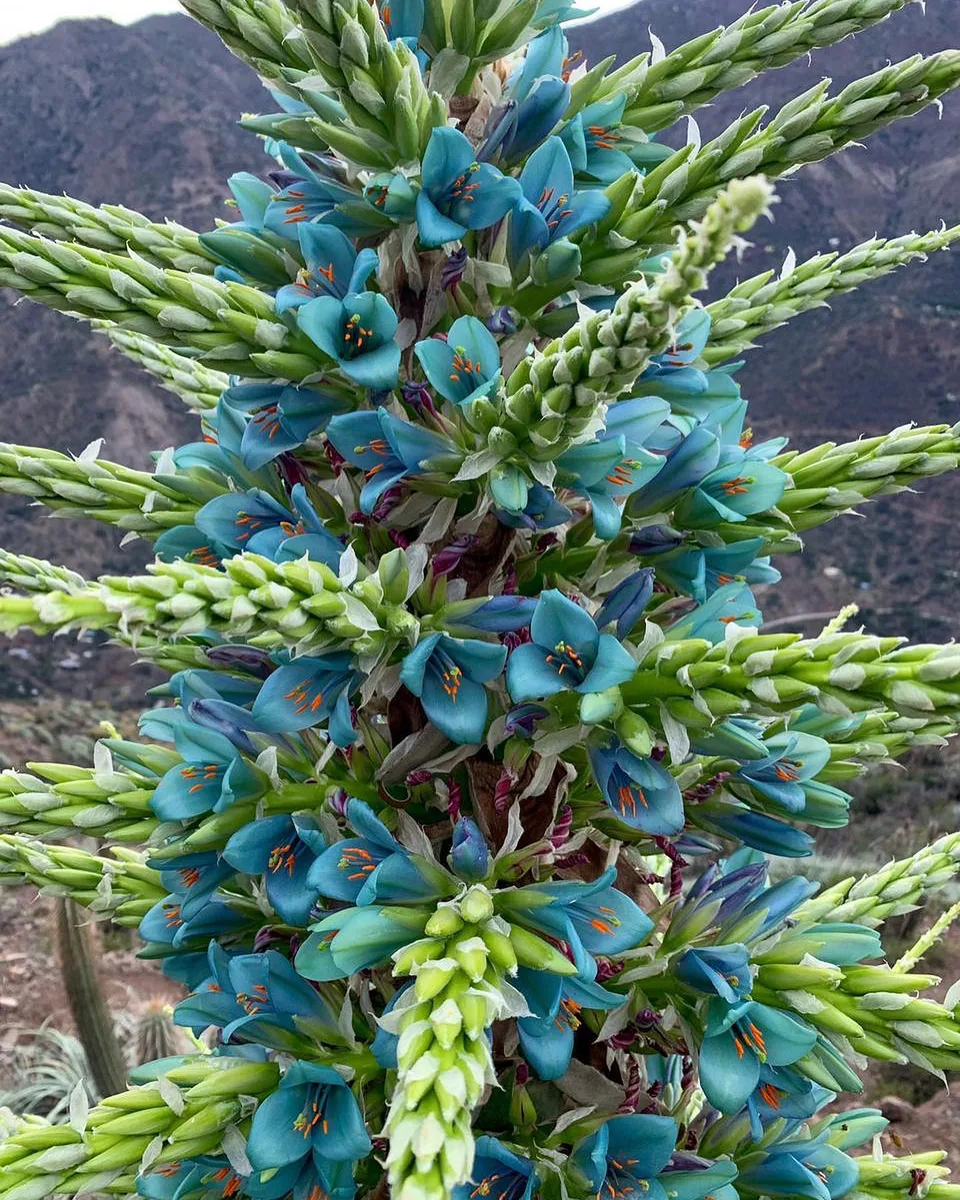
Distribution of mountain puya
Distribution map
- Native
- Introduced
- Cultivated
Source:WCVP v16 · Royal Botanic Gardens, Kew · CC BY 3.0 · Boundaries:WGSRPD / TDWG
mountain puya care guide
- Moderate regular watering, avoid prolonged drought and stagnant waterlogging
- Watering
- Full sun
- Sunlight

Watering
Moderate regular watering, avoid prolonged drought and stagnant waterlogging
Fertilizing
 Fertilizing
Balanced perennial feed every four weeks spring through summer growth
Pruning
 Pruning
No pruning required
Propagation
 Propagation
Propagate by seed sown at 19-24°C as soon as ripe
Growing
 Growing
Under glass grow in terrestrial bromeliad compost in full light. Water moderately when in active growth in mid-spring to late summer and apply a low nitrogen fertiliser every 6-8 weeks. In warm, sheltered gardens grow plants outdoors in a sunny spot in sharply draining soil and protect from winter wet
Common pests and diseases
Diseases
Susceptible to root rots in wet soils
Pests
New growth is susceptible to scale insects
Explore the plant health library →




