
false aralia
Also known as: petit boux caledonien; threadleaf false aralia; spider plant
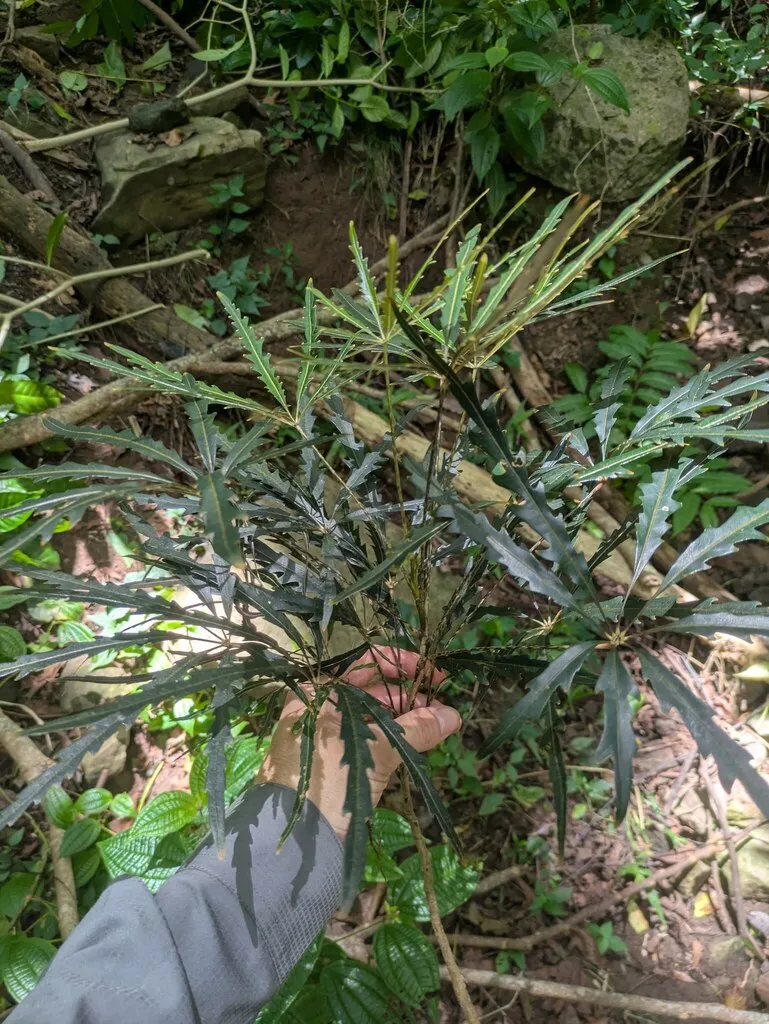
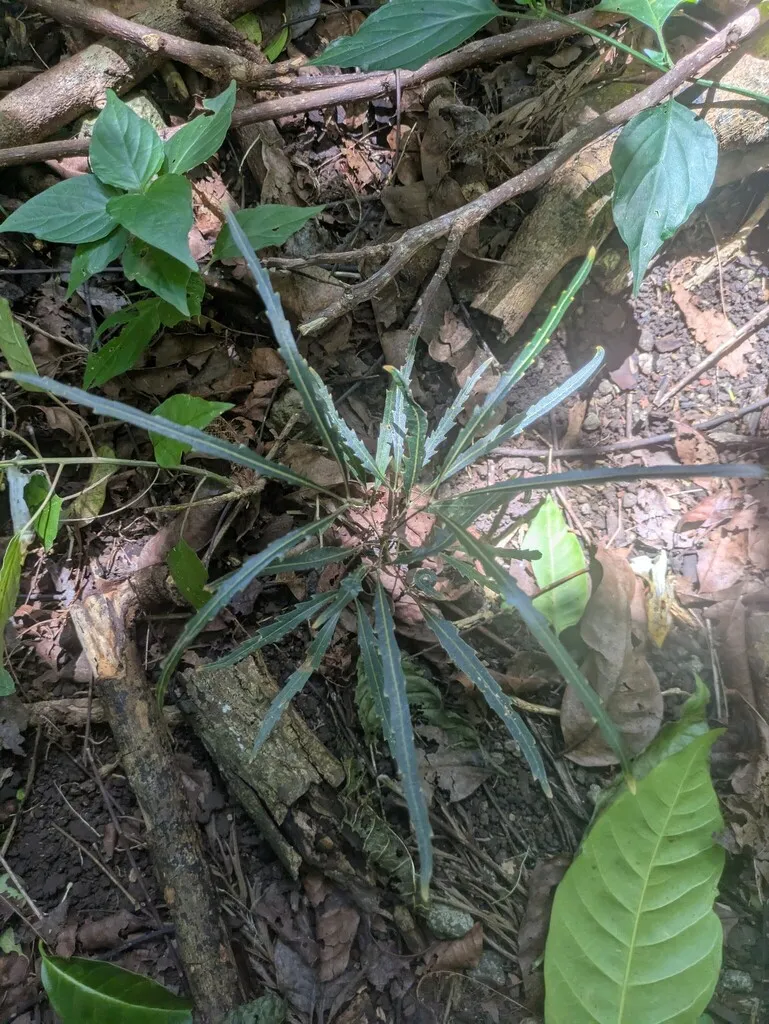
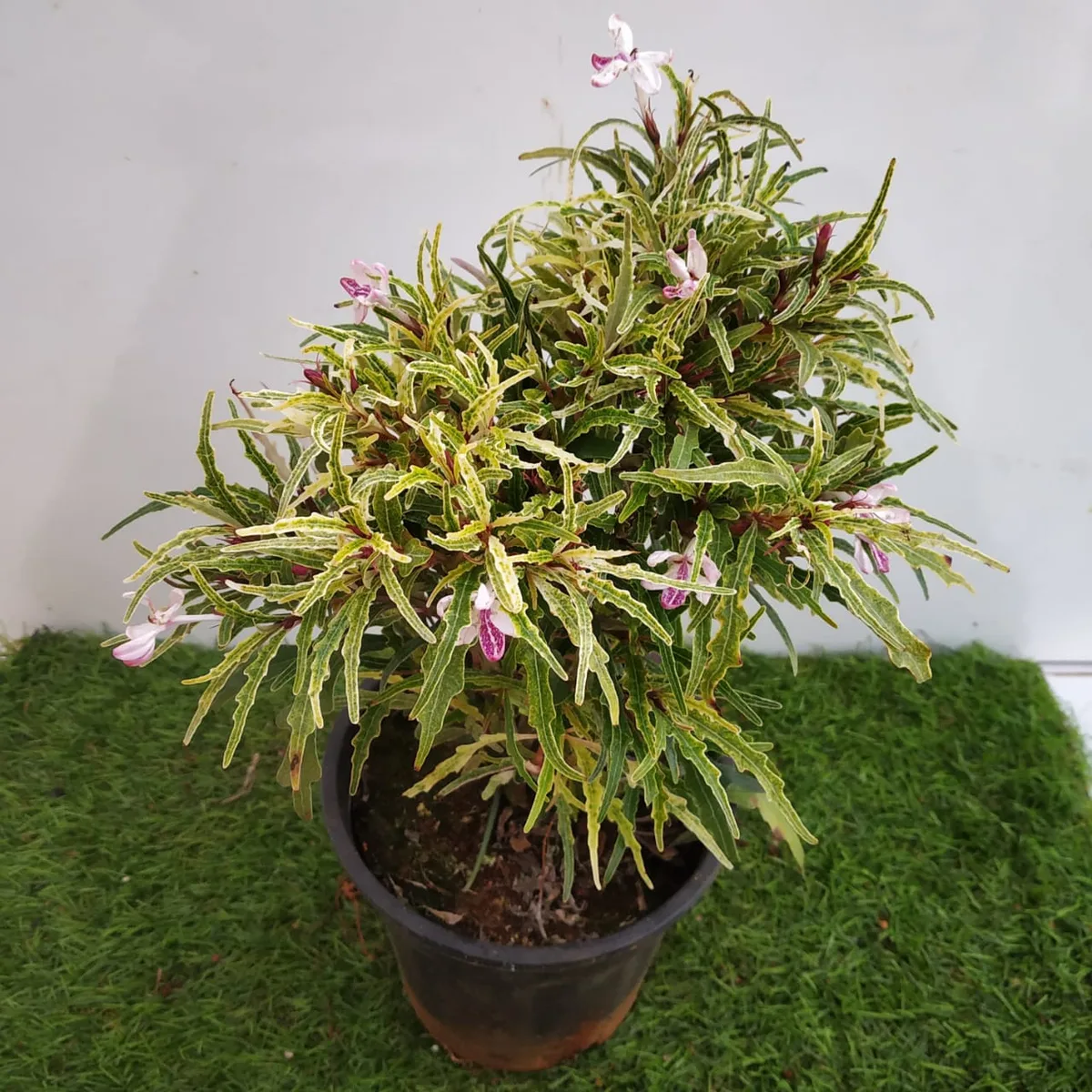
S. elegantissima is a sparsely-branched, erect shrub to 3m or more, with leaves to 30cm in length, composed of radiating, narrow, toothed, dark bronze-green leaflets, becoming broader on adult plants
Scientific classification
- Species
- false aralia (Plerandra elegantissima)
- Genus
- Plerandra
- Family
- Araliaceae
- Contact may cause skin allergies. Wear gloves and other protective equipment when handling
- Toxicity
- Conservatory Greenhouse · Houseplants · Shrubs
- Plant type
- 2.5-4 metres
- Height
- 1.5-2.5 metres
- Spread
- Evergreen
- Foliage
- Bushy
- Habit
- Spring · Summer · Autumn · Winter
- Season of interest
- Full shade · Partial shade
- Sunlight
- Information to be completed
- Ideal temperature









false aralia pictures
Distribution of false aralia
Distribution map
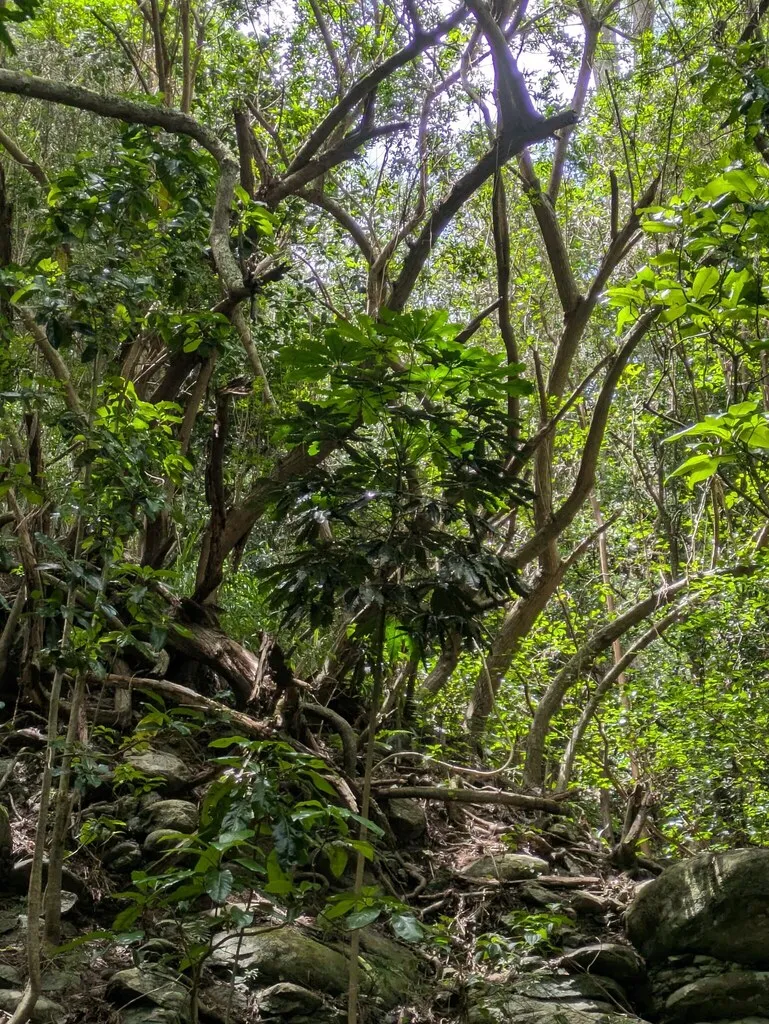
New Caledonia
Information to be completed
Culture
Information to be completed
Toxicity
Contact may cause skin allergies. Wear gloves and other protective equipment when handling
Quick identification of false aralia
Information to be completed
false aralia care guide
- Moderate regular watering, avoid prolonged drought or waterlogging
- Watering
- Full shade · Partial shade
- Sunlight
- Information to be completed
- Ideal temperature

Watering
Moderate regular watering, avoid prolonged drought or waterlogging
Fertilizing
 Fertilizing
Balanced feed in spring and light repeat in growth season
Pruning
 Pruning
Little pruning is needed. Remove diseased, damaged, crowded or crossing shoots and unwanted growth. Timing depends on the plant: generally late winter or early spring; plants prone to bleeding and deciduous magnolias need different timing, and deciduous azaleas and lilacs are pruned after flowering.
Propagation
 Propagation
Propagate by seed or semi-hardwood cuttings
Growing
 Growing
Grow under glass in loam-based compost in bright filtered or indirect sunlight. Grow outdoors in fertile, humus-rich moist but well-drained soil in sheltered frost-free area
People also ask
Information to be completed
Common pests and diseases
Diseases
Generally disease-free
Pests
May be susceptible to scale insects, thrips, and mealybugs under glass
Explore the plant health library →




