
indigo woodland sage
Also known as: Information to be completed
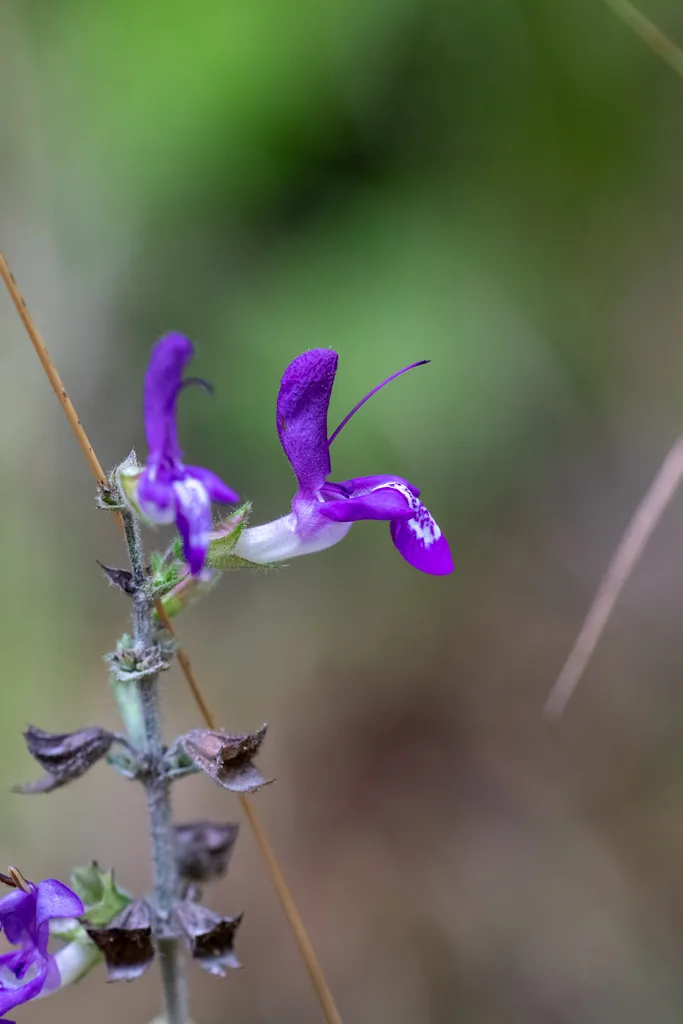
S. forsskaolii is a bushy perennial to 90cm tall, with lyre-shaped or ovate leaves to 30cm long, and long spikes of violet flowers with white tubes, opening in summer and early autumn
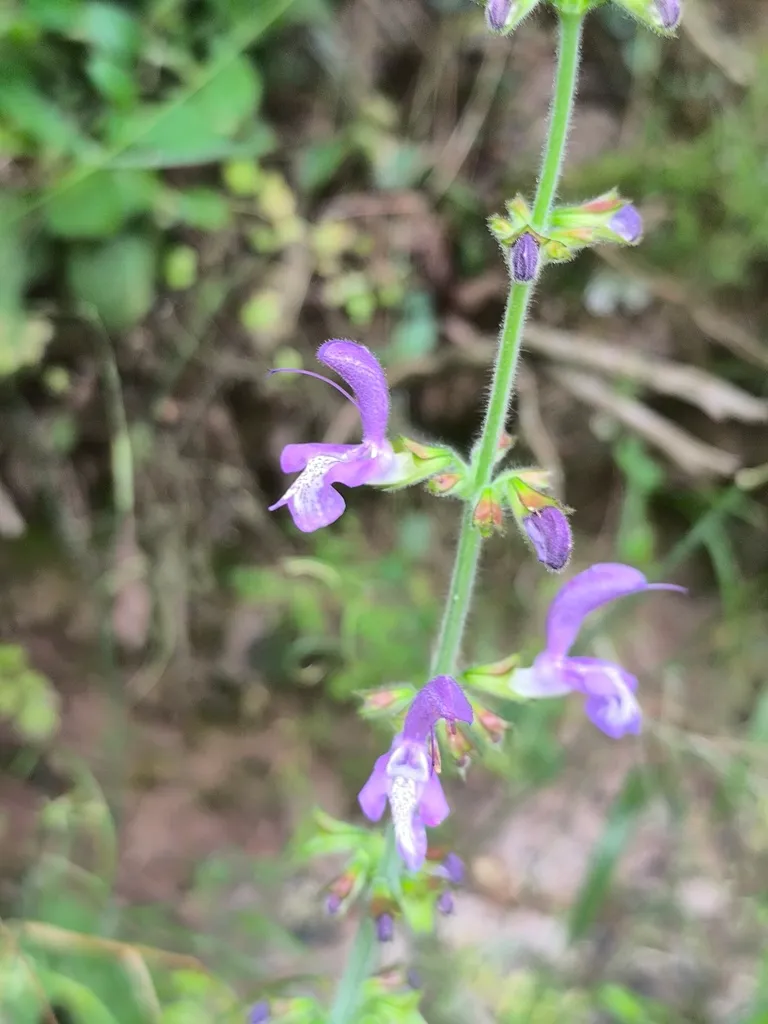
Scientific classification
- Species
- indigo woodland sage (Salvia forskaehlei)
- Genus
- Salvia
- Family
- Lamiaceae
- Order
- Lamiales
- Class
- Magnoliopsida
- Phylum
- Tracheophyta
- Information to be completed
- Toxicity
- Herbaceous Perennial
- Plant type
- 0.5-1 metres
- Height
- 0.1-0.5 metres
- Spread
- Deciduous
- Foliage
- Bushy
- Habit
- Spring · Summer · Autumn
- Season of interest
- Partial shade
- Sunlight
- Information to be completed
- Ideal temperature









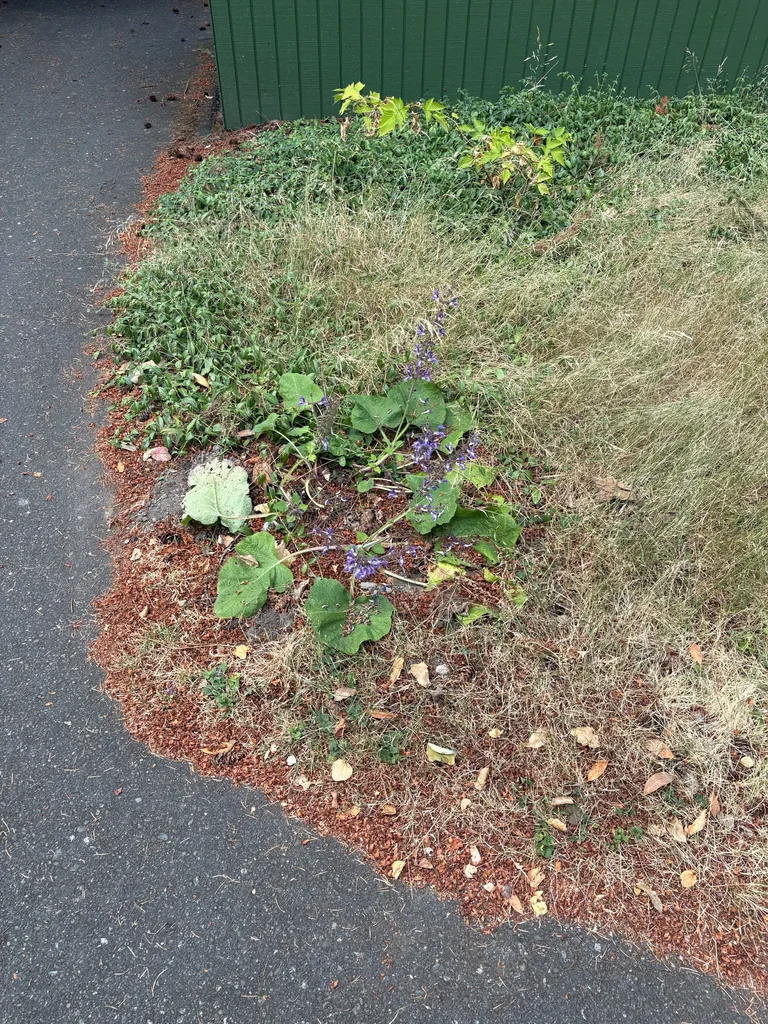
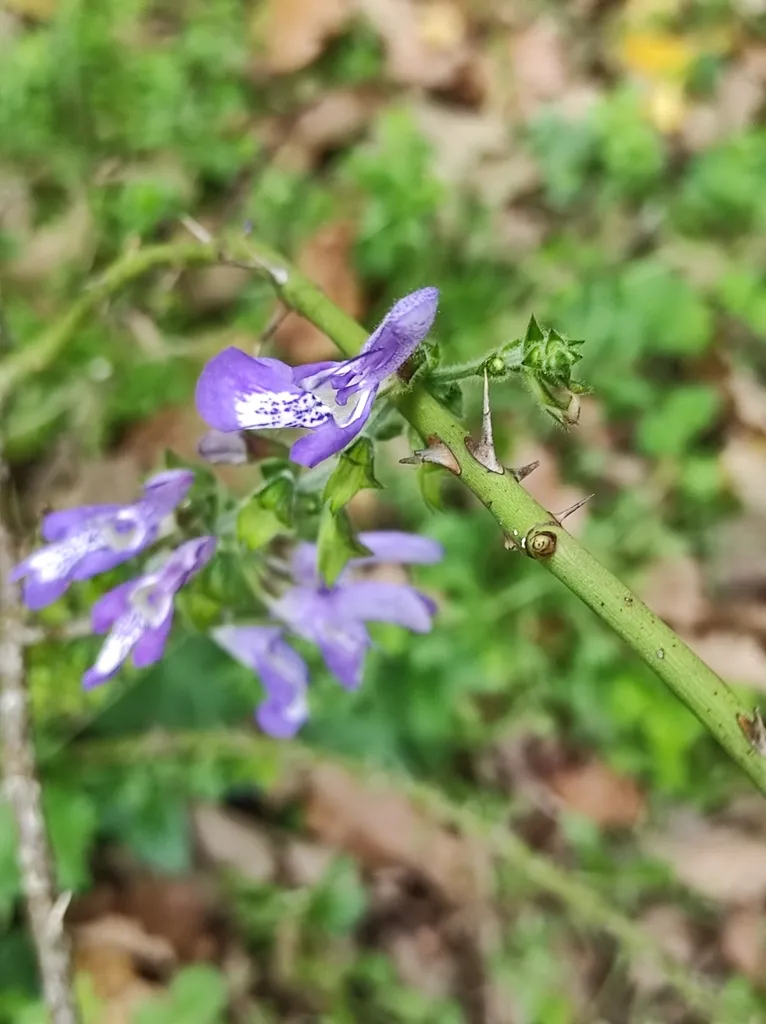
indigo woodland sage pictures
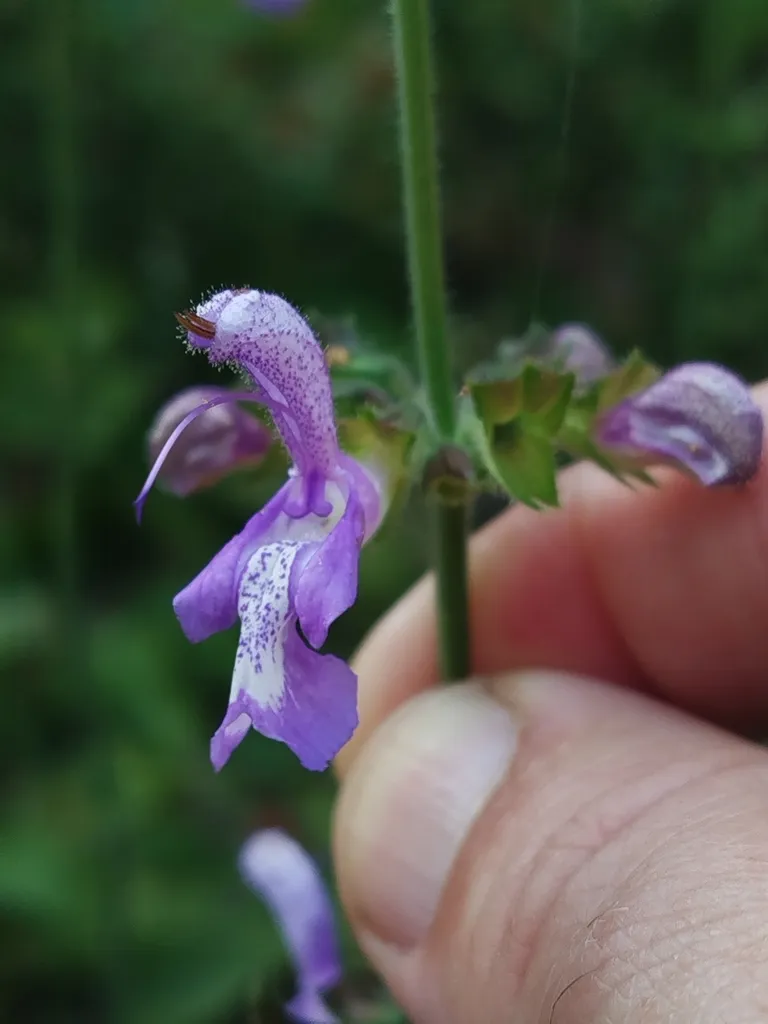
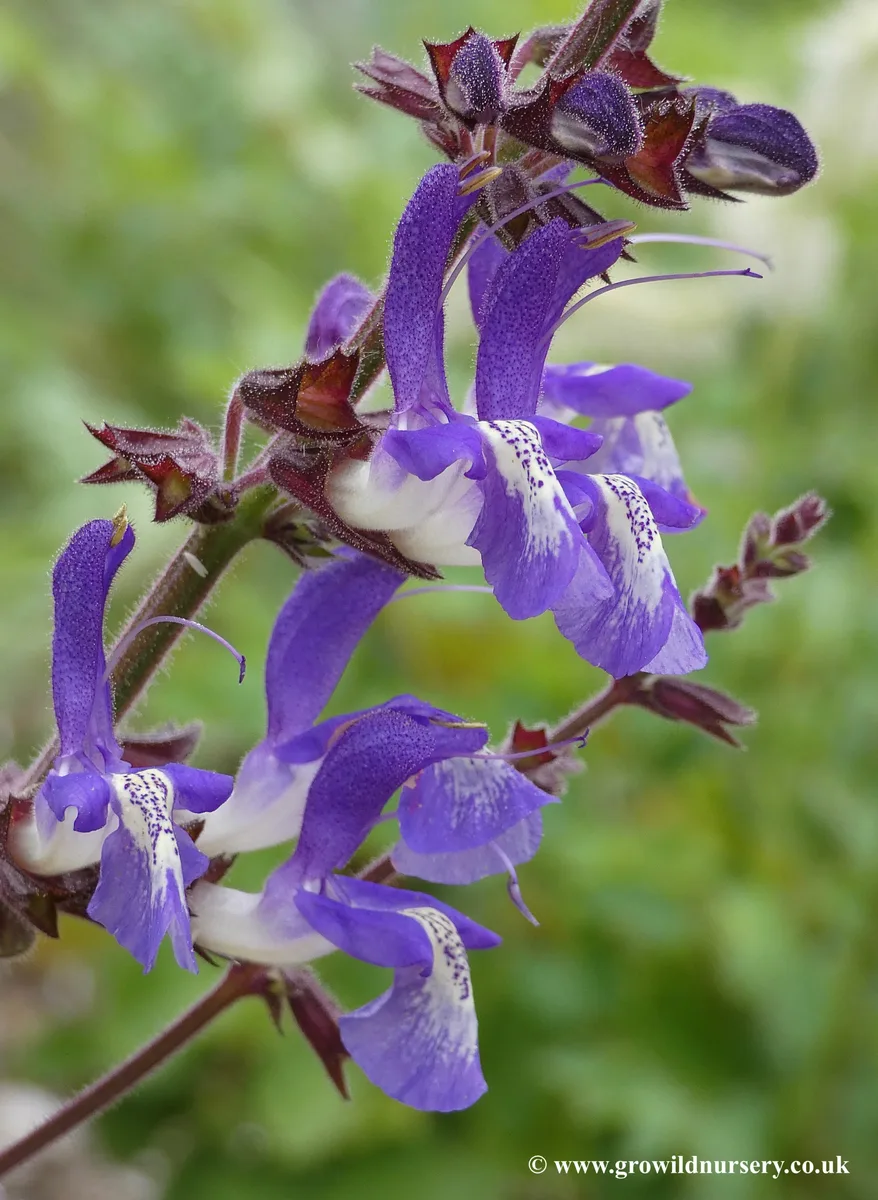
Distribution of indigo woodland sage
Distribution map
Balkans and Northern Turkey
indigo woodland sage care guide
- Allow soil to dry halfway deep before each thorough watering
- Watering
- Partial shade
- Sunlight

Watering
Allow soil to dry halfway deep before each thorough watering
Fertilizing
 Fertilizing
Low-nitrogen diluted feed every month warm active growth stage
Pruning
 Pruning
Prune lightly as needed to remove unwanted shoots and keep the shrub in shape. Prune in mid- to late spring.
Propagation
 Propagation
Propagate by seed in spring or divide established clumps; Take softwood cuttings in spring or early summer or semi-ripe cuttings in late summer and autumn
Growing
 Growing
Best grown in any light, moderately fertile, moist but well-drained soil in partial shade
Common pests and diseases
Diseases
May be susceptible to honey fungus (rarely), powdery mildews, verticillium wilt and foot and root rots
Pests
May be susceptible to leafhoppers, slugs and snails
Explore the plant health library →




