
common ragwort
Also known as: benweed; binweed; boliaum; cankerweed; common ragweed; fairy's horse; fellon weed; felon weed; keddledock; kettledock; ragweed; ragwort; Saracen's compass; St James' weed; St James' wort; staggerwort; starchwort; stinking Willy; tansy ragwort; yellow tops; fireweed
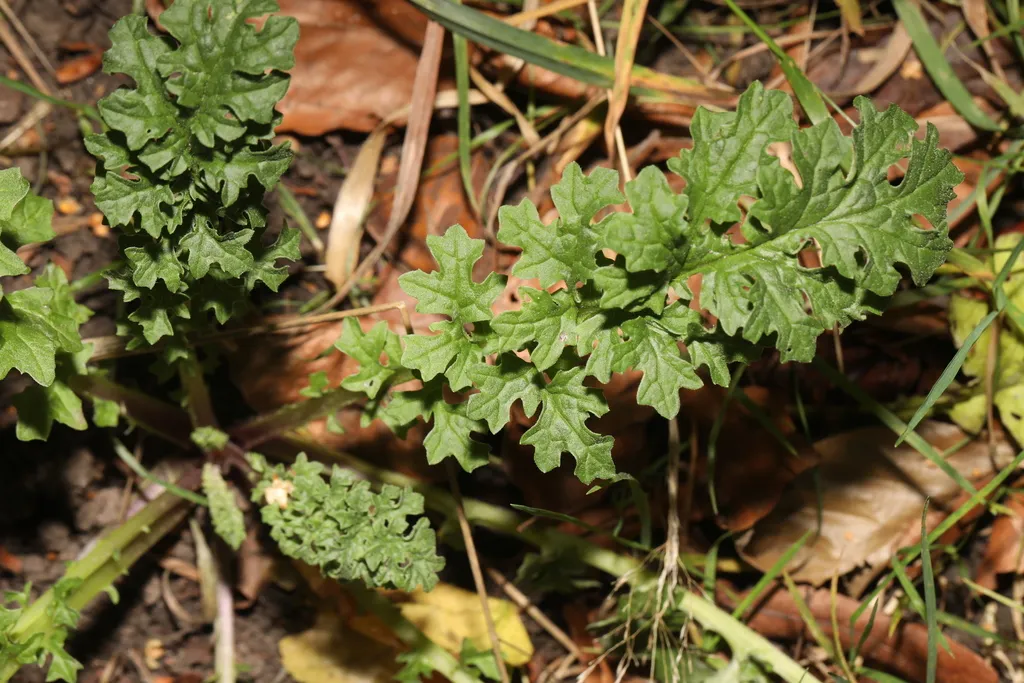
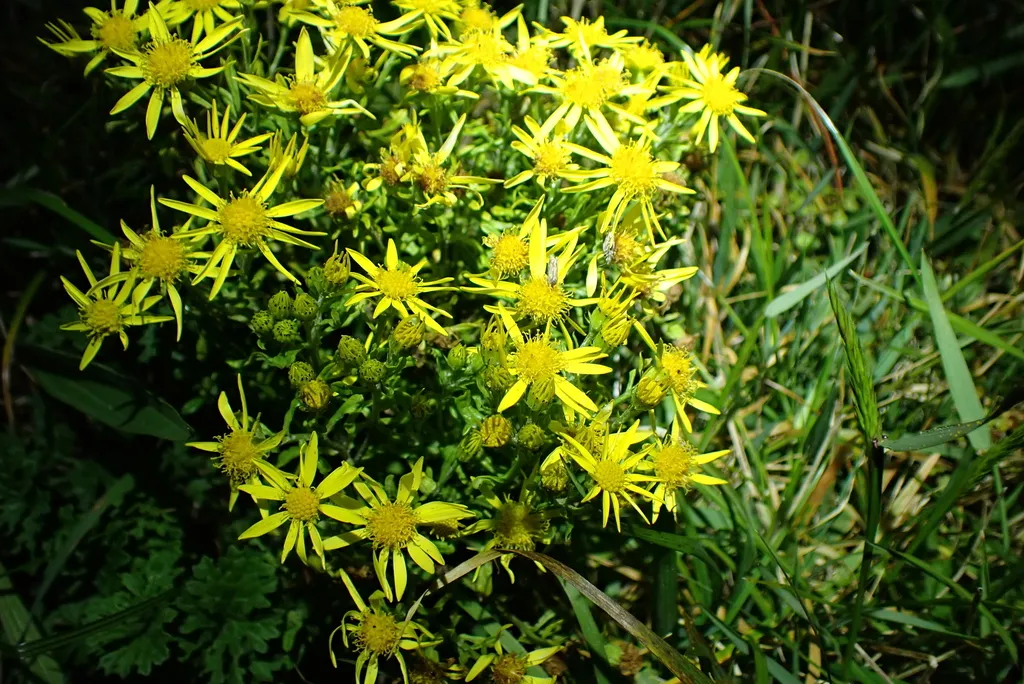
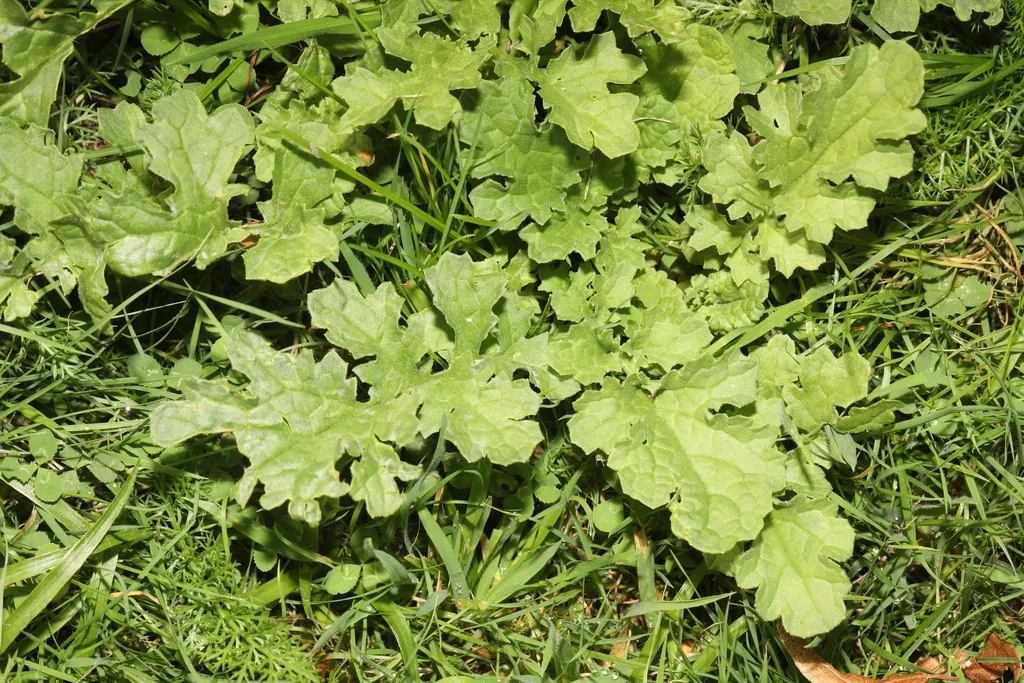
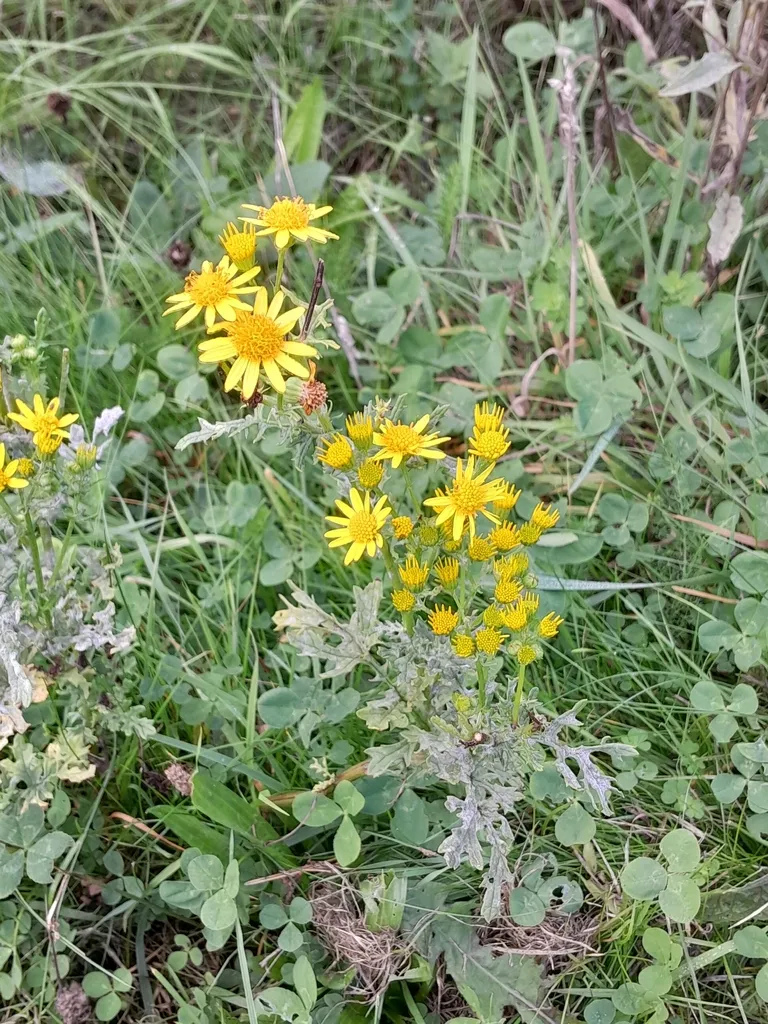
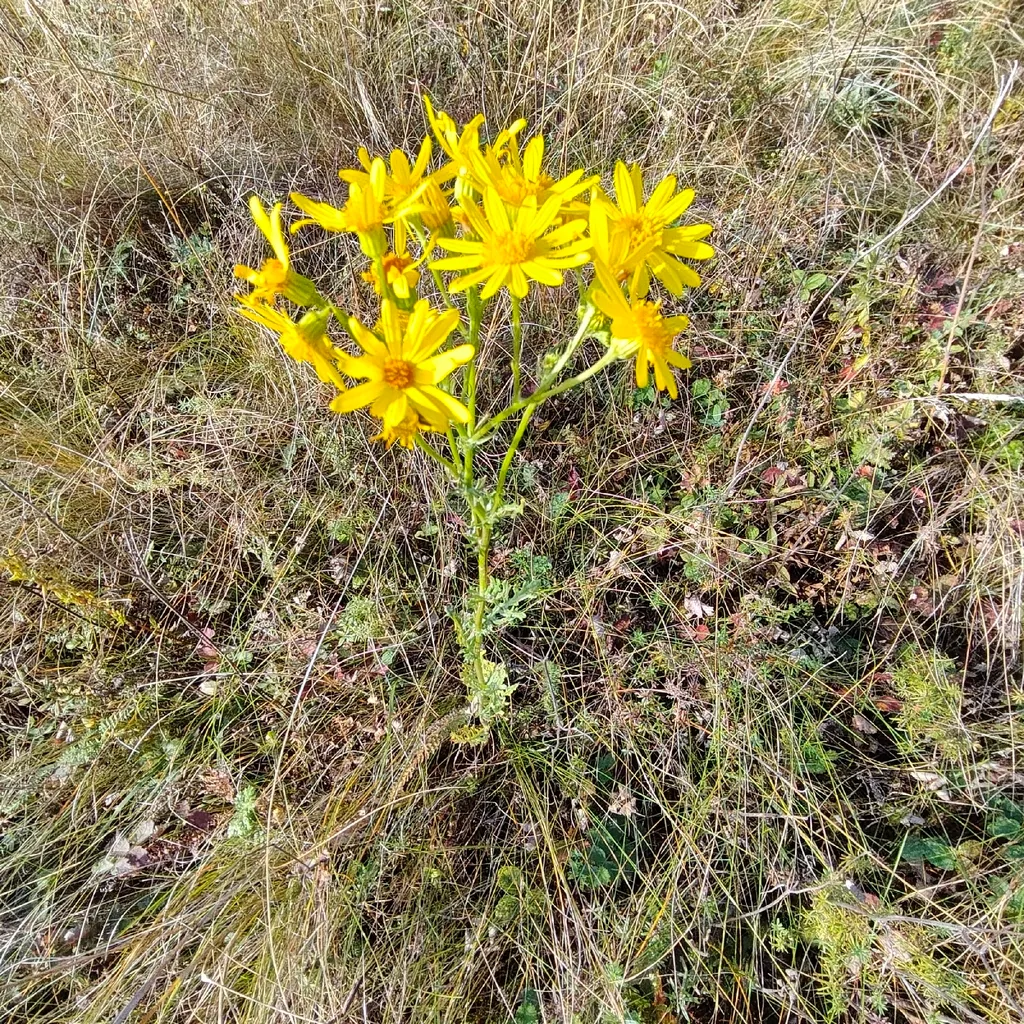
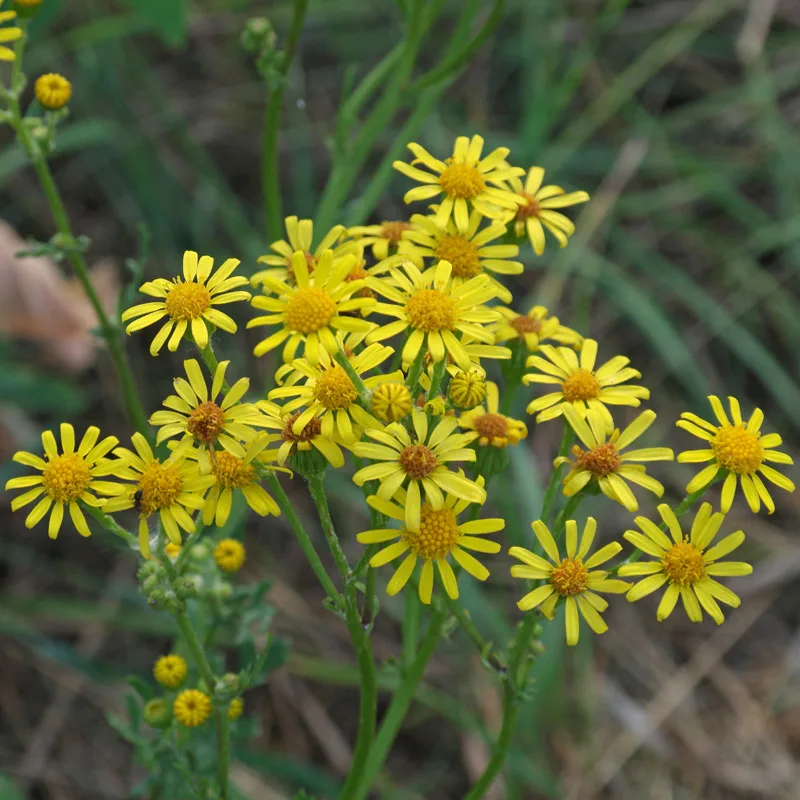
An upright biennial or short-lived perennial capable of reaching 1.5m tall, though often much less, with deeply lobed, dark green leaves, often overwintering as a low rosette, and large, flat-topped clusters of yellow, daisy-like flowers from mid-summer to mid-autumn
Scientific classification
- Species
- common ragwort (Jacobaea vulgaris)
- Genus
- Jacobaea
- Family
- Asteraceae
- Order
- Asterales
- Class
- Magnoliopsida
- Phylum
- Magnoliophyta
- Poisonous to horses and cattle
- Toxicity
- Annual Biennial · Herbaceous Perennial
- Plant type
- 1-1.5 metres
- Height
- 0.5-1 metres
- Spread
- Deciduous
- Foliage
- Clump forming · Columnar upright
- Habit
- Spring · Summer · Autumn
- Season of interest
- Full sun
- Sunlight
- Information to be completed
- Ideal temperature









common ragwort pictures
Toxicity
Poisonous to horses and cattle
common ragwort care guide
- Light infrequent watering, fully established plants survive dry ground
- Watering
- Full sun
- Sunlight

Watering
Light infrequent watering, fully established plants survive dry ground
Fertilizing
 Fertilizing
No fertilizer needed, wild weed species gains nutrients from soil naturally
Pruning
 Pruning
Cut down spent flowers to prevent self-seeding
Propagation
 Propagation
Spreads readily by seed, also by offsets and root fragments
Growing
 Growing
Grows naturally in grassland and waste ground, on roadsides and sand dunes. A problem weed in pasture as it is poisonous to horses and cattle, but otherwise a good plant for wildlife. See Ragwort
Common pests and diseases
Diseases
Generally disease-free
Pests
May be susceptible to cinnabar moth caterpillars
Explore the plant health library →




