
Greek horehound
Also known as: Information to be completed
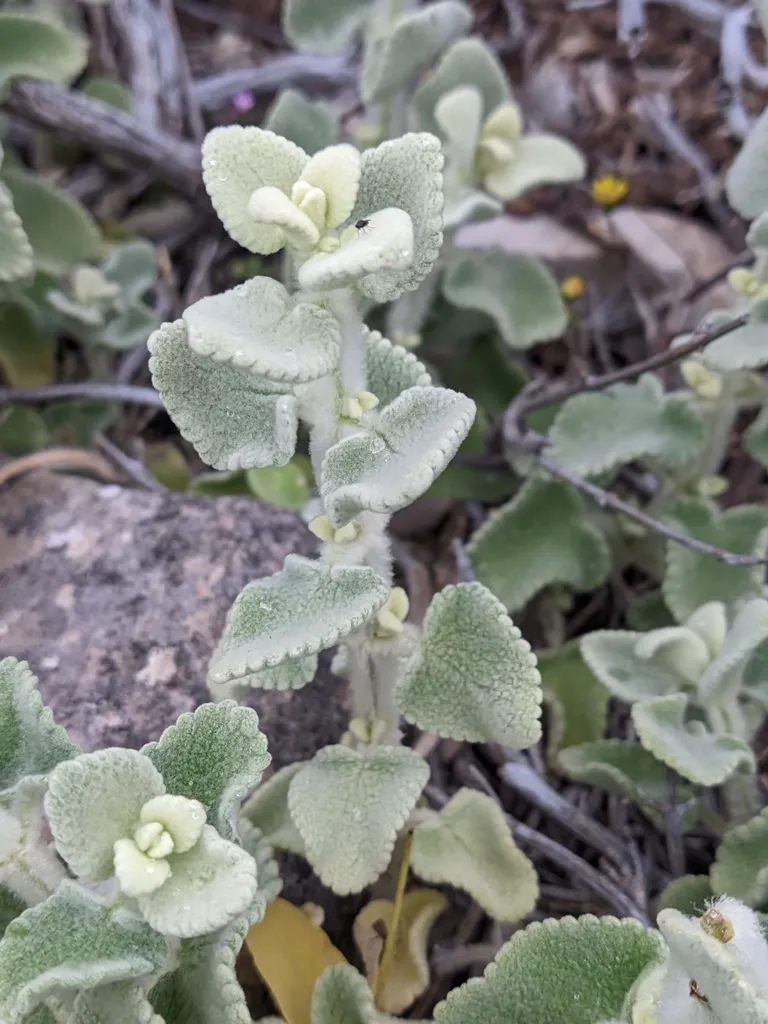
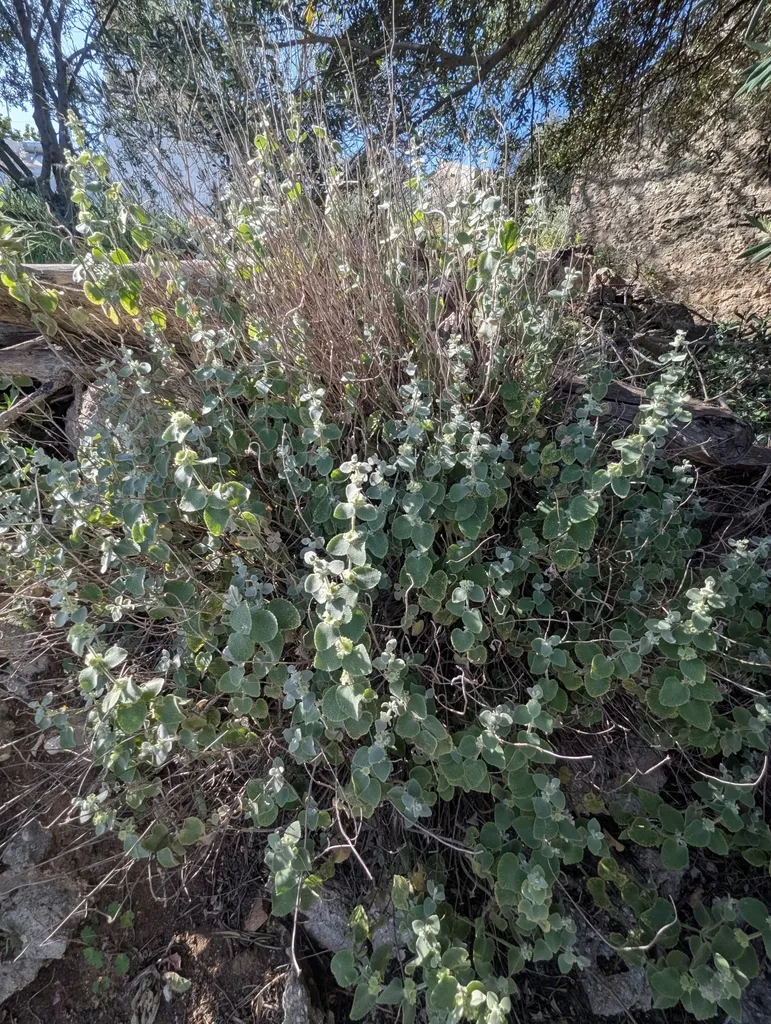
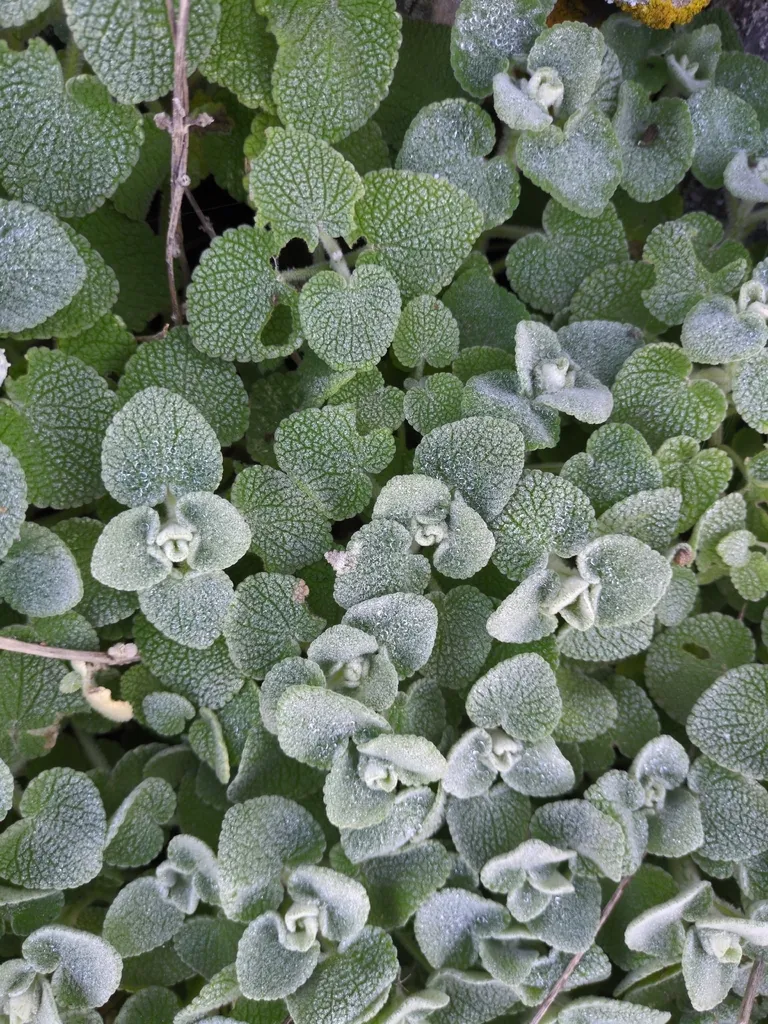
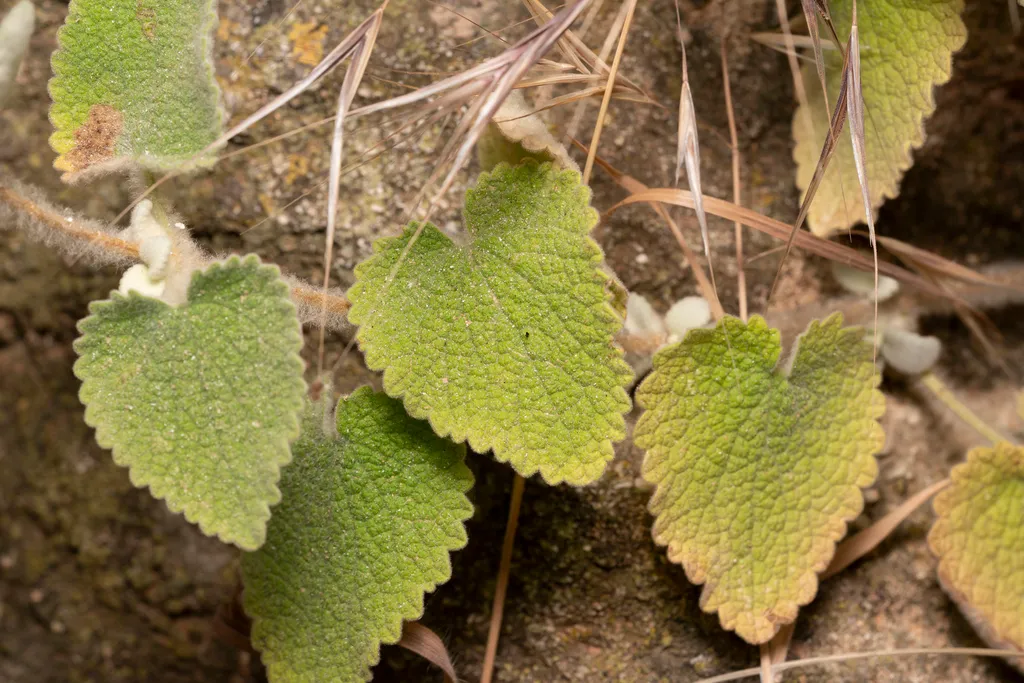
A bushy evergreen subshrub forming a mat of erect white-felted stems bearing paired, rounded, hairy grey-green leaves. Small pink flowers borne in whorls towards the stem tips in late summer
Scientific classification
- Species
- Greek horehound (Pseudodictamnus acetabulosus)
- Genus
- Pseudodictamnus
- Family
- Lamiaceae
- Information to be completed
- Toxicity
- Herbaceous Perennial
- Plant type
- 0.1-0.5 metres
- Height
- 0.5-1 metres
- Spread
- Evergreen
- Foliage
- Bushy
- Habit
- Spring · Summer · Autumn · Winter
- Season of interest
- Full sun
- Sunlight
- Information to be completed
- Ideal temperature









Greek horehound pictures
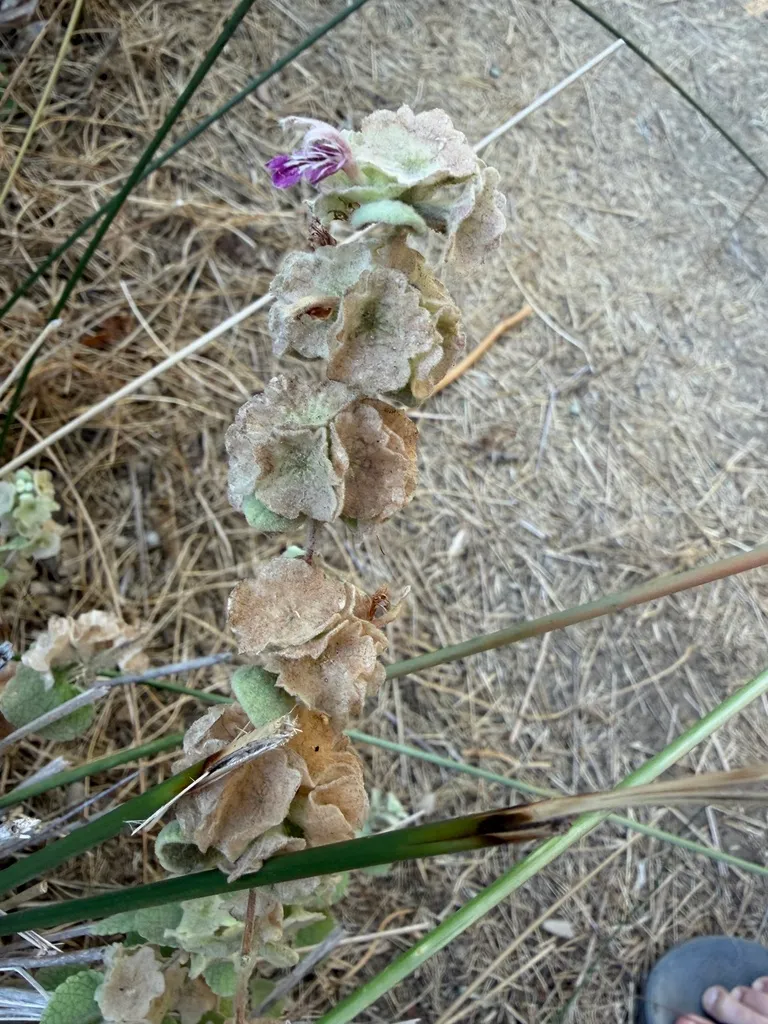
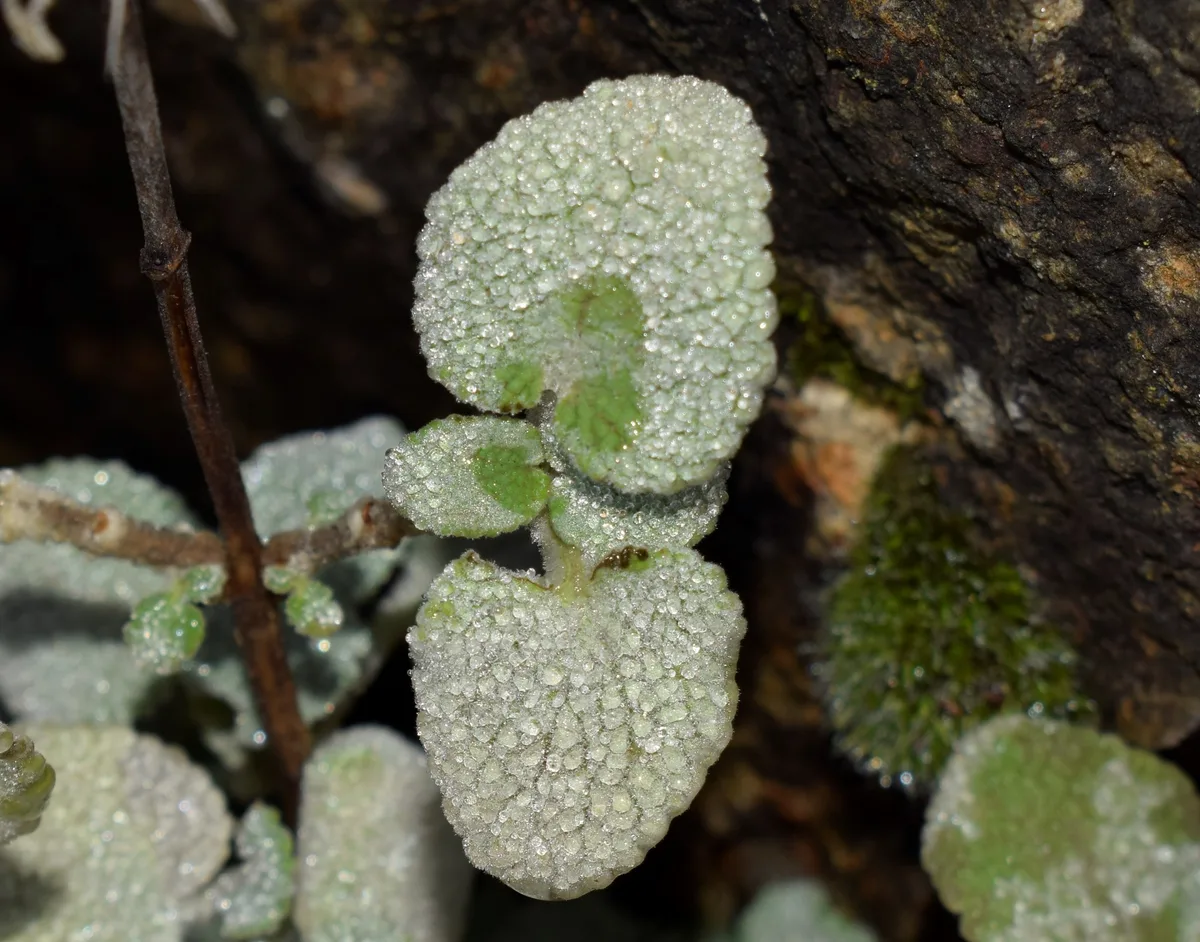
Distribution of Greek horehound
Distribution map
Greece, Turkey
Information to be completed
Culture
Information to be completed
Toxicity
Information to be completed
Quick identification of Greek horehound
Information to be completed
Greek horehound care guide
- Moderate regular watering, allowing brief slight drying between soakings
- Watering
- Full sun
- Sunlight
- Information to be completed
- Ideal temperature

Watering
Moderate regular watering, allowing brief slight drying between soakings
Fertilizing
 Fertilizing
Balanced perennial feed every four weeks from spring through summer
Pruning
 Pruning
Shorten flowered shoots to about 1.5–2.5 cm from the previous year's growth. Prune in mid-spring.
Propagation
 Propagation
Propagate by rooting softwood cuttings in late spring or early summer or propagate by semi-hardwood cuttings in early summer
Growing
 Growing
Grow in poor, dry, well-drained soil in full sun or use as a drought-tolerant plant for a raised bed
People also ask
Information to be completed
Common pests and diseases
Diseases
Generally disease-free
Pests
Generally pest-free
Explore the plant health library →




