
berry catchfly
Also known as: berry-bearing campion; berry-bearing catchfly; berry-bearing chickweed
A sprawling perennial wildflower, with slender, spreading stems and narrowly oval-shaped, slightly hairy green leaves. Slightly nodding, bell-shaped flowers, with a pale green outer casing and narrow, divided white petals, are produced in summer. Flowers are followed by round black berries
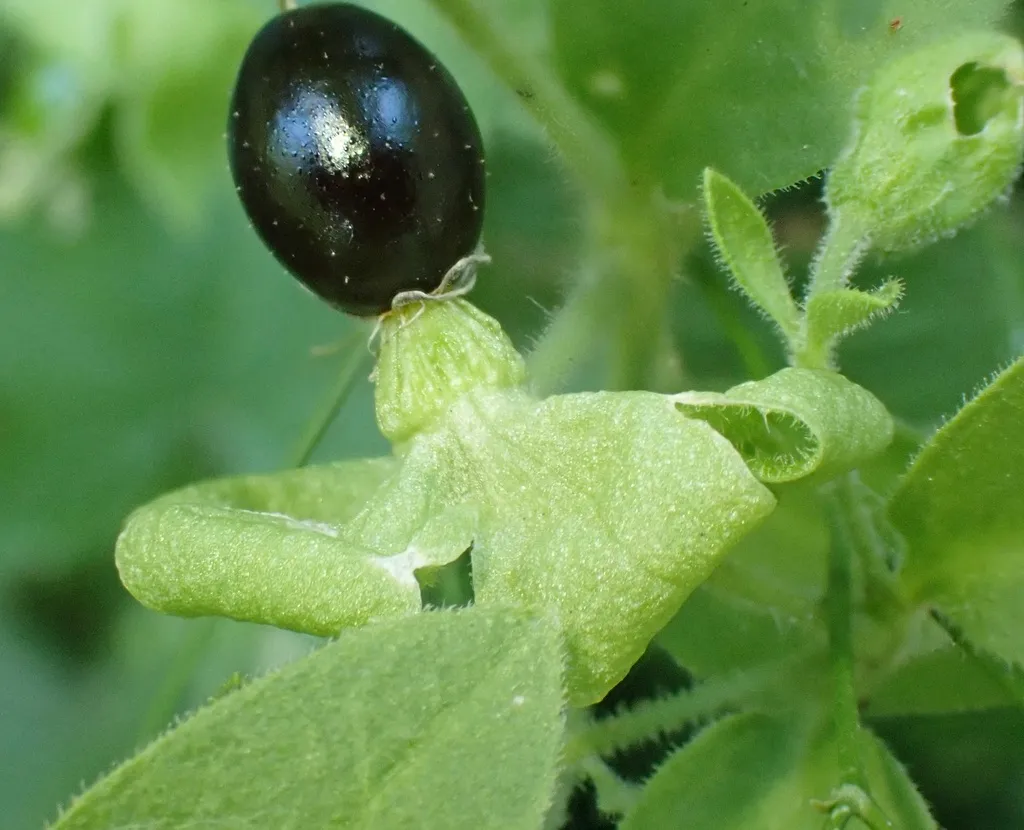
Scientific classification
- Species
- berry catchfly (Silene baccifera)
- Genus
- Silene
- Family
- Caryophyllaceae
- Information to be completed
- Toxicity
- Herbaceous Perennial
- Plant type
- Information to be completed
- Height
- Information to be completed
- Spread
- Deciduous
- Foliage
- Information to be completed
- Habit
- Autumn · Spring · Summer
- Season of interest
- Full sun · Partial shade
- Sunlight
- Information to be completed
- Ideal temperature









berry catchfly pictures
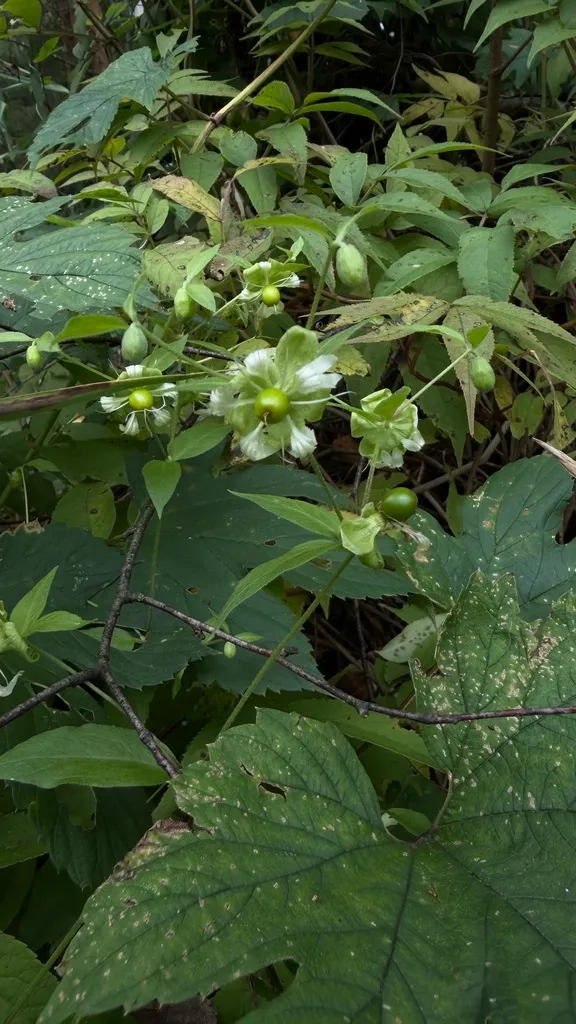
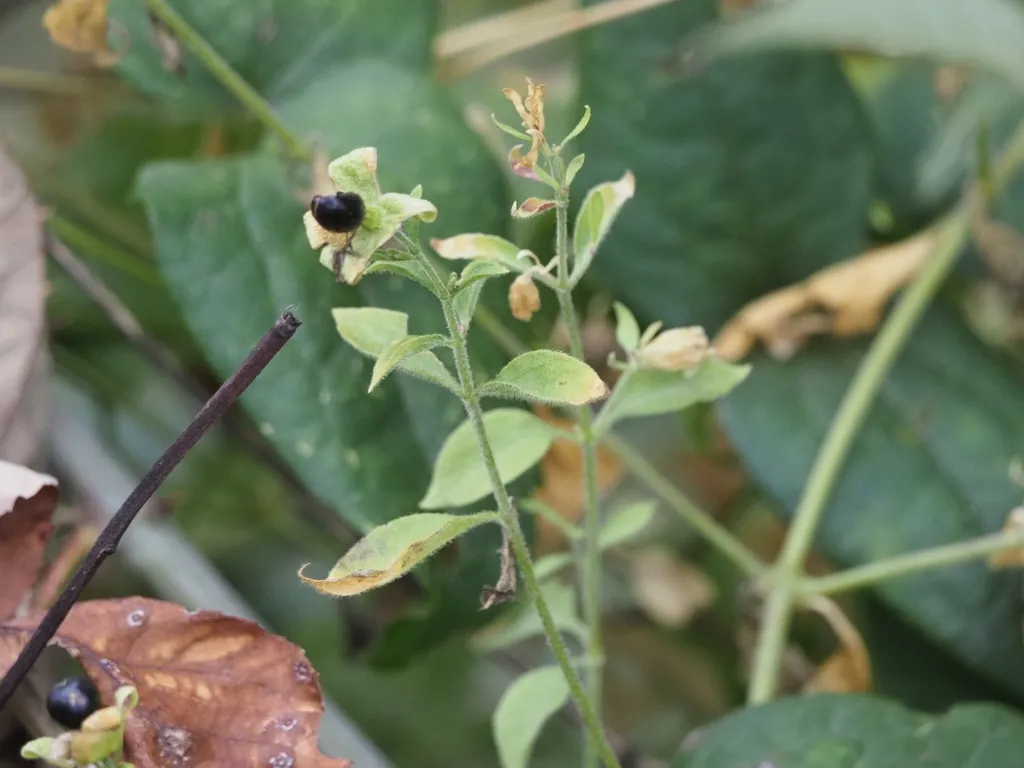
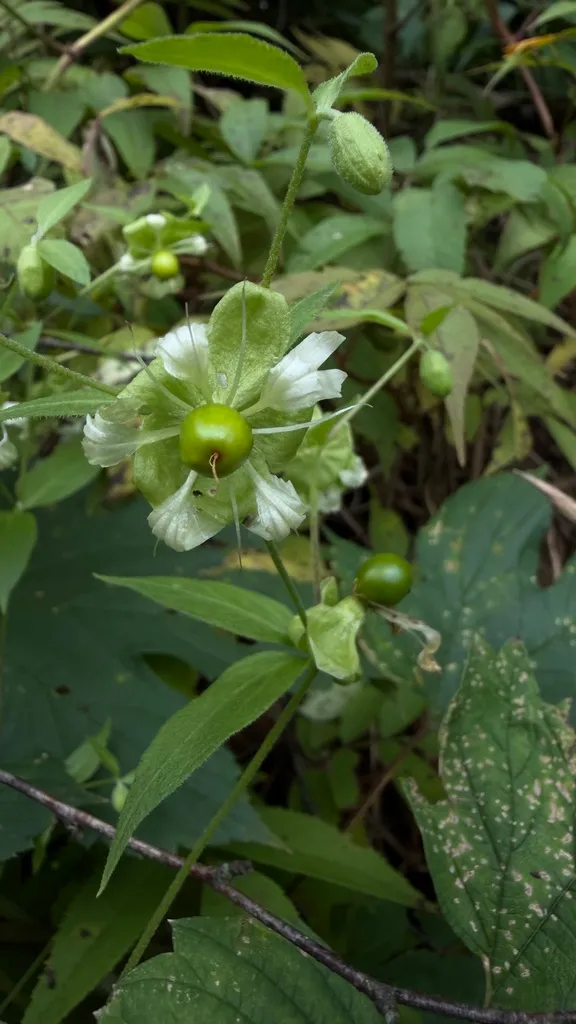
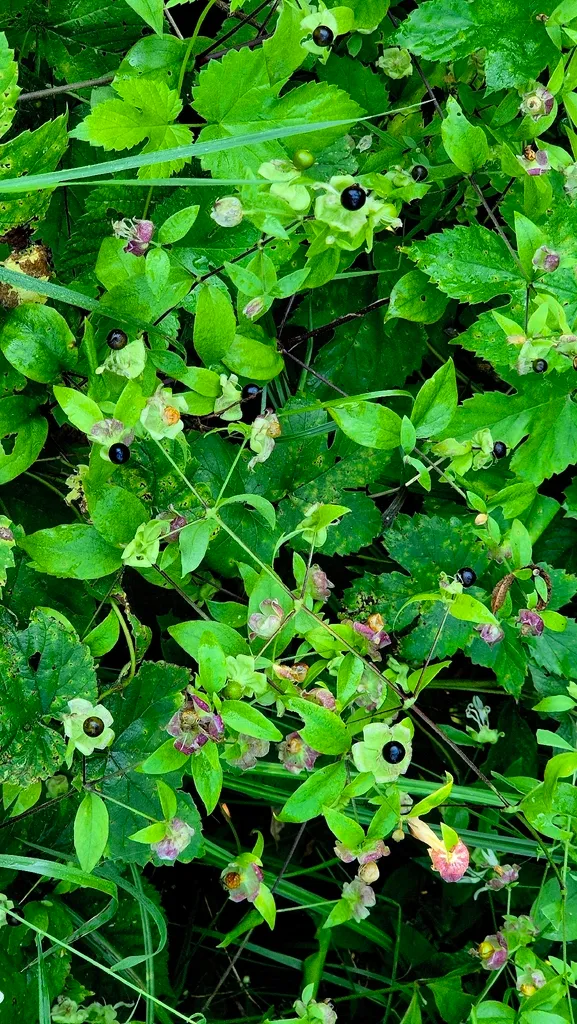
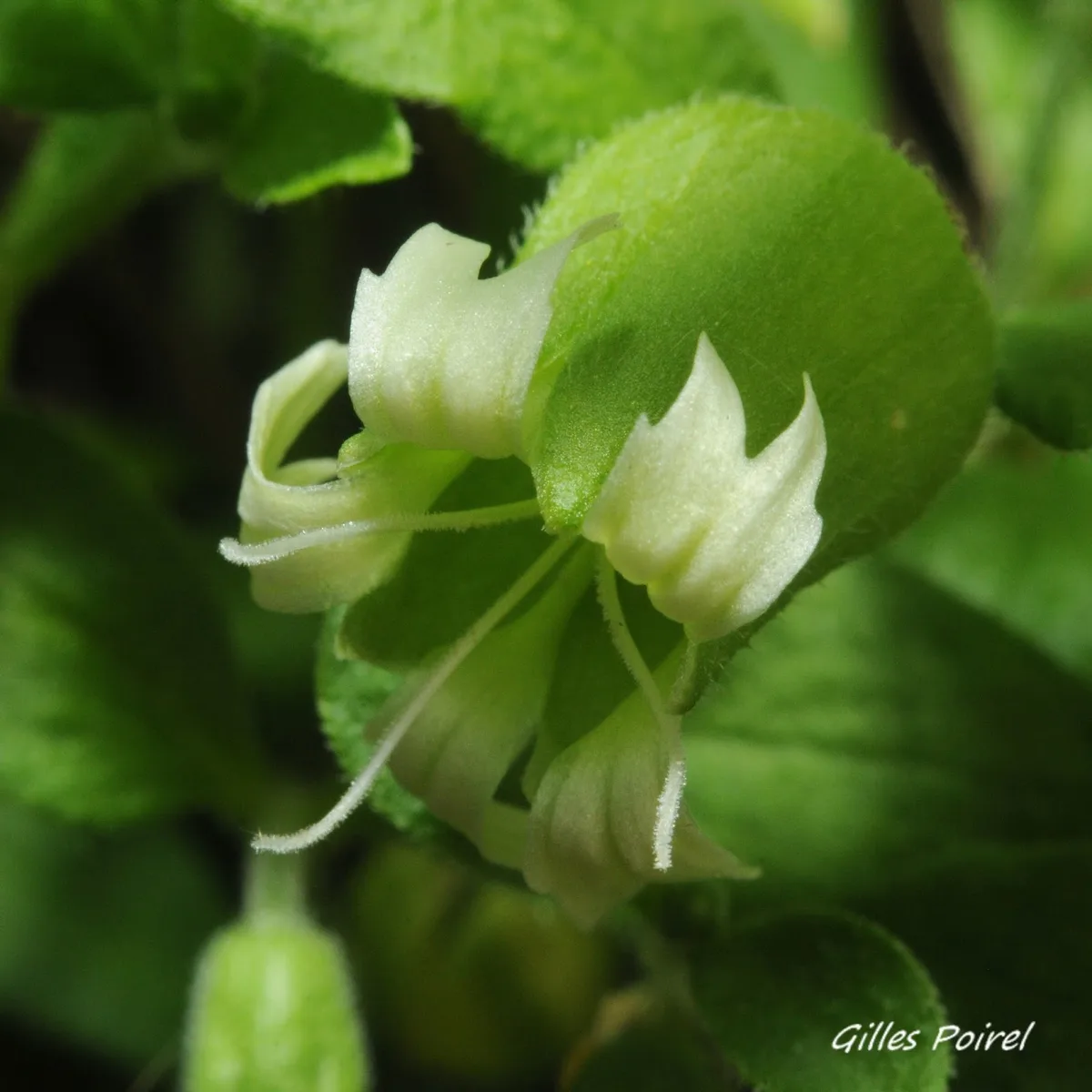
Distribution of berry catchfly
Distribution map
Temperate Eurasia
Information to be completed
Culture
Information to be completed
Toxicity
Information to be completed
Quick identification of berry catchfly
Information to be completed
berry catchfly care guide
- Moderate regular watering, allowing brief slight drying between soakings
- Watering
- Full sun · Partial shade
- Sunlight
- Information to be completed
- Ideal temperature

Watering
Moderate regular watering, allowing brief slight drying between soakings
Fertilizing
 Fertilizing
Balanced perennial feed every four weeks from spring through summer
Pruning
 Pruning
No pruning required
Propagation
 Propagation
Propagate by seed
Growing
 Growing
Thrives in moist but well-drained soil in part or dappled shade, but will tolerate a range of soils and positions. Ideal for woodland underplanting or wildflower meadows
People also ask
Information to be completed
Common pests and diseases
Diseases
Generally disease-free
Pests
May be susceptible to aphids, slugs and snails
Explore the plant health library →




