
large-leaved yarrow
Also known as: Information to be completed
A herbaceous perennial, 40-100cm high, with grey-green stems, woody at the base, leaves covered above and below in fine silvery hairs, giving them a grey-green appearance, flat and lanceolate to broadly ovate in outline, 7–20cm long and 5–10cm wide, deeply pinnatifid to pinnatisect, with 4–6 (sometimes 8) pairs of pinnatifid, cuneate–lanceolate segments, and dense corymbs, 5-20cm across, containing 50-250 flowerheads, each with usually 4-5 white ray florets, in early summer; not to be confused with Tanacetum macrophyllum
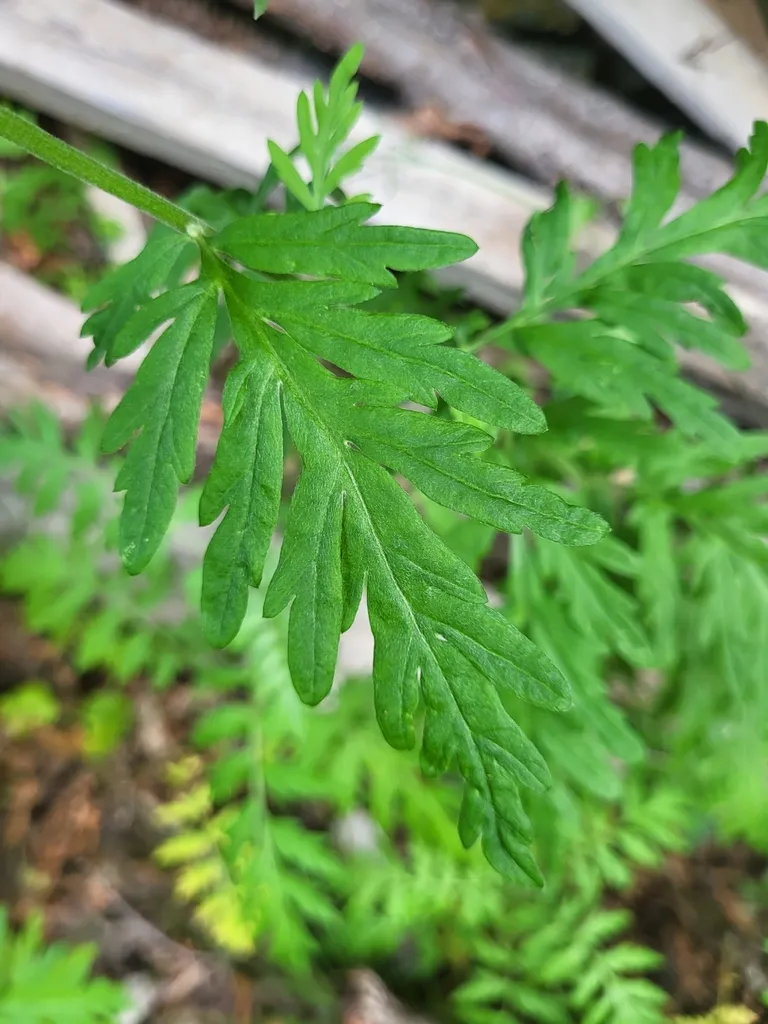
Scientific classification
- Species
- large-leaved yarrow (Achillea grandifolia)
- Genus
- Achillea
- Family
- Asteraceae
- Order
- Asterales
- Class
- Magnoliopsida
- Phylum
- Magnoliophyta
- Information to be completed
- Toxicity
- Herbaceous Perennial
- Plant type
- 0.5-1 metres
- Height
- 0.5-1 metres
- Spread
- Deciduous
- Foliage
- Clump forming
- Habit
- Spring · Summer · Autumn
- Season of interest
- Full sun
- Sunlight
- Information to be completed
- Ideal temperature









large-leaved yarrow pictures
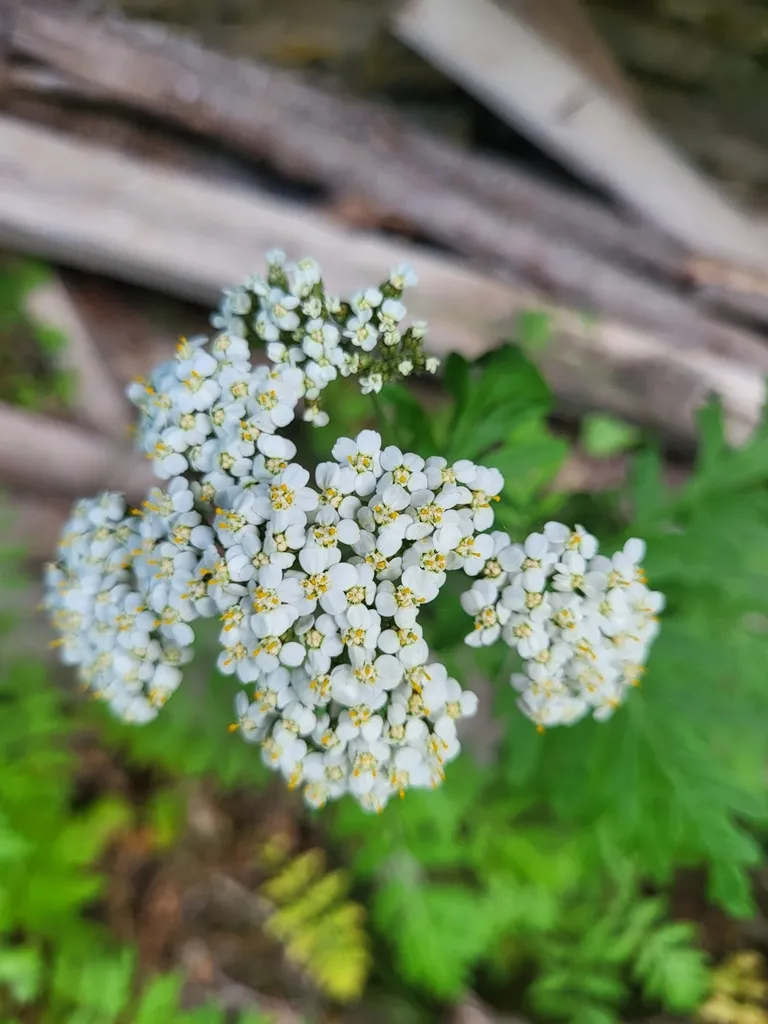
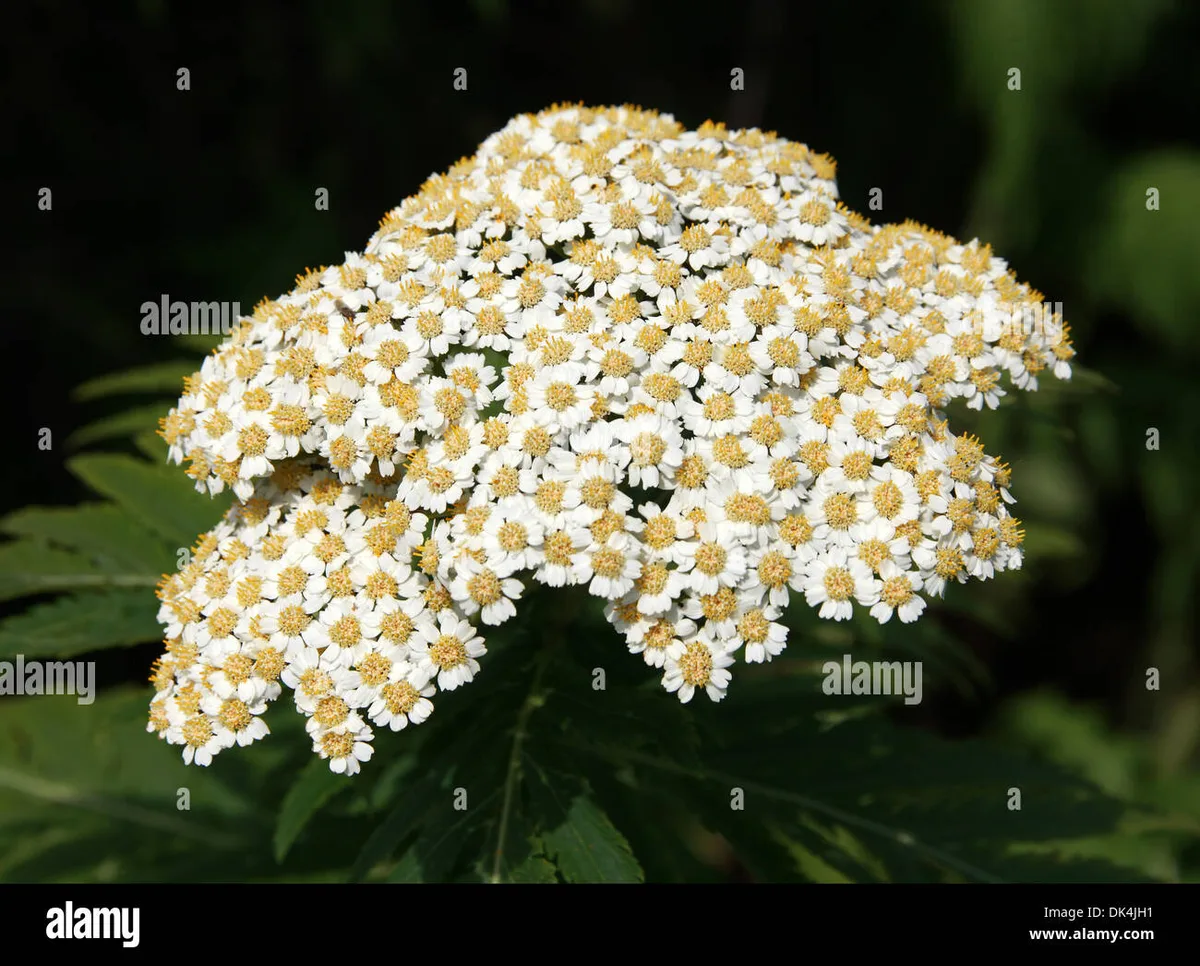
Distribution of large-leaved yarrow
Distribution map
- Native
- Introduced
- Cultivated
Source:WCVP v16 · Royal Botanic Gardens, Kew · CC BY 3.0 · Boundaries:WGSRPD / TDWG
large-leaved yarrow care guide
- Cool damp humus soil, drain excess water to avoid root rot
- Watering
- Full sun
- Sunlight

Watering
Cool damp humus soil, drain excess water to avoid root rot
Fertilizing
 Fertilizing
Light organic perennial feed every four weeks spring summer
Pruning
 Pruning
No pruning required, but deadheading will prolong the flowering season
Propagation
 Propagation
Propagate by seed, sown in its final position, or by division in spring
Growing
 Growing
Grow in moist but well-drained soil in full sun or dappled shade in an open position
Common pests and diseases
Diseases
Generally disease-free but may be affected by powdery mildews
Pests
Generally pest-free but may be affected by aphids
Explore the plant health library →




