
lupin Band of Nobles Series
Also known as: Information to be completed
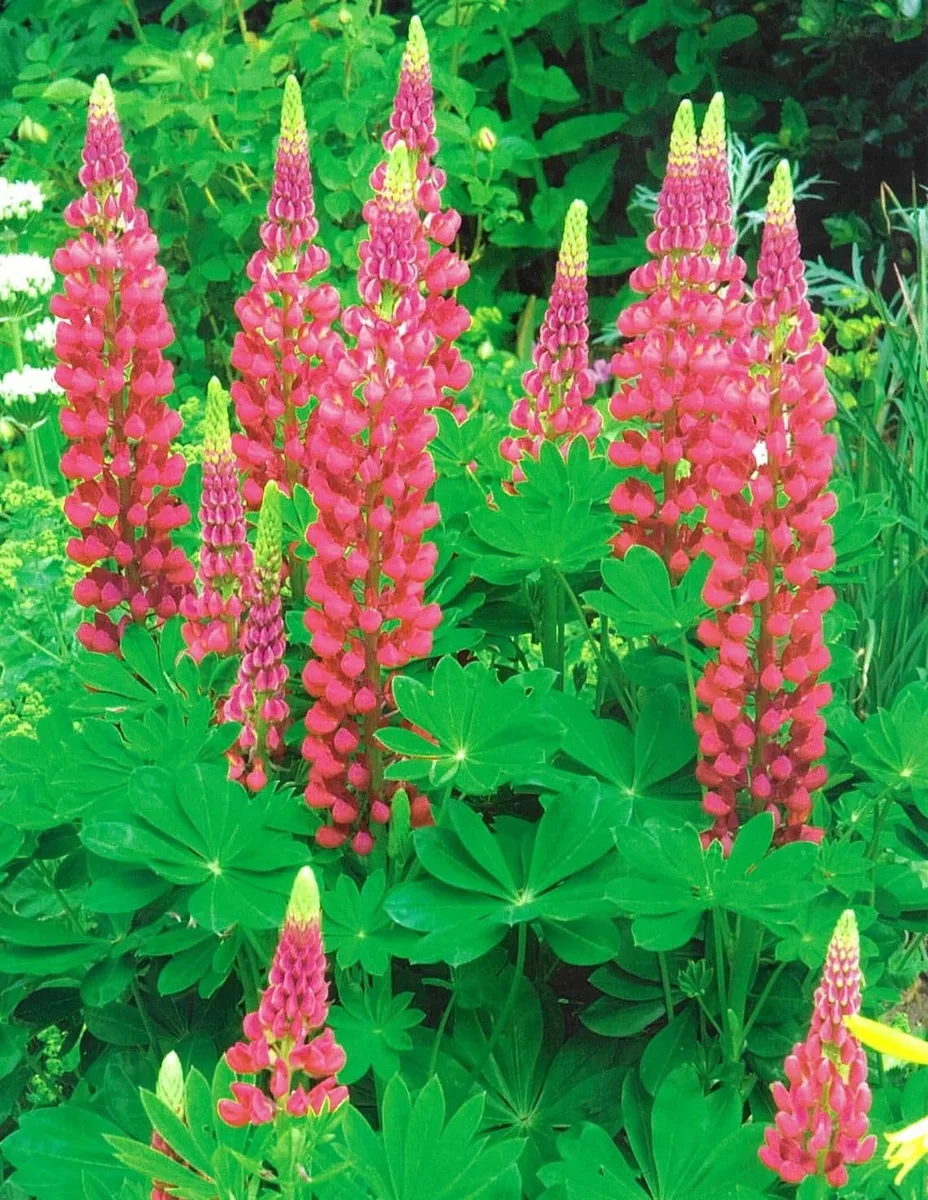
Robust biennials or short-lived perennials with erect racemes of fragrant flowers in shades of blue, pink, cream, red and yellow, some bicoloured, in early summer
Scientific classification
- Species
- lupin Band of Nobles Series (Lupinus (Band of Nobles Series))
- Genus
- Lupinus
- Family
- Fabaceae
- Order
- Fabales
- Class
- Magnoliopsida
- Phylum
- Magnoliophyta
- Harmful if eaten. Wear gloves and other protective equipment when handling
- Toxicity
- Herbaceous Perennial
- Plant type
- 1-1.5 metres
- Height
- 0.5-1 metres
- Spread
- Deciduous
- Foliage
- Clump forming
- Habit
- Spring · Summer
- Season of interest
- Full sun · Partial shade
- Sunlight
- Information to be completed
- Ideal temperature









lupin Band of Nobles Series pictures
Toxicity
Harmful if eaten. Wear gloves and other protective equipment when handling
lupin Band of Nobles Series care guide
- Deep occasional watering with excellent drainage, less once established
- Watering
- Full sun · Partial shade
- Sunlight

Watering
Deep occasional watering with excellent drainage, less once established
Fertilizing
 Fertilizing
Light conifer feed once yearly in early spring only
Pruning
 Pruning
Deadhead to encourage a second flush of flowers
Propagation
 Propagation
Propagate by seed sown in situ in late spring or in seedbeds and transplanted to final flowering site in autumn
Growing
 Growing
Grow in moderately fertile, humus-rich, light, moist but well-drained soil in full sun or light, dappled shade
Common pests and diseases
Diseases
May be susceptible to powdery mildews, rots, a leaf spot and a virus
Pests
May be susceptible to slugs and lupin aphid
Explore the plant health library →




