
rose 'Climbing Shot Silk'
Also known as: Information to be completed
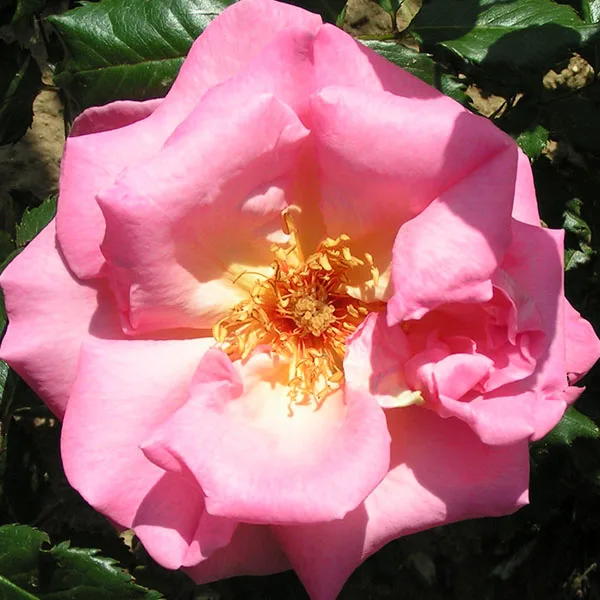
A vigorous disease resistant climbing rose with clusters of large hybrid tea type blooms that will repeat flowering from May to September. The cerise pink double blooms with a yellow centre open up to give a light fragrance with good perfume with a backdrop of dark green glossy foliage. It will tolerate a small amount of shade but it is best grown in full sun.
Scientific classification
- Species
- rose 'Climbing Shot Silk' (Rosa 'Climbing Shot Silk')
- Genus
- Rosa
- Family
- Rosaceae
- Order
- Rosales
- Class
- Magnoliopsida
- Phylum
- Magnoliophyta
- Fruit are ornamental - not to be eaten. Wear gloves and other protective equipment when handling
- Toxicity
- Climber Wall Shrub
- Plant type
- 2.5-4 metres
- Height
- 1.5-2.5 metres
- Spread
- Deciduous
- Foliage
- Climbing
- Habit
- Summer
- Season of interest
- Full sun
- Sunlight
- Information to be completed
- Ideal temperature









rose 'Climbing Shot Silk' pictures
Toxicity
Fruit are ornamental - not to be eaten. Wear gloves and other protective equipment when handling
rose 'Climbing Shot Silk' care guide
- Deep root watering, allow slight surface drying before watering again
- Watering
- Full sun
- Sunlight

Watering
Deep root watering, allow slight surface drying before watering again
Fertilizing
 Fertilizing
Rose fertilizer every two to four weeks from spring through late summer
Pruning
 Pruning
Prune to allow it to climb and remove diseased, dead or damaged stems,and reduce next year's potential long whips. For more details see Pruning roses
Propagation
 Propagation
Propagate by budding and hardwood cuttings.
Growing
 Growing
Prefers full sun but will tolerate a small amount of shade. Will grow well in fresh soil not previously planted with roses. To avoid disease, irrigate from below. Can be trained to climb walls, fences or obelisks. See rose cultivation for further advice
Common pests and diseases
Diseases
May be susceptible to rose black spot, rose rust and powdery mildews
Pests
May be susceptible to aphids, including rose aphid, the most common rose pest. May also be susceptible to rose leafhopper, glasshouse red spider mite, scale insects, caterpillars, large rose sawfly, rose leaf-rolling sawfly and leaf-cutter bees. Deer and rabbits can also cause damage
Explore the plant health library →




