
apple of Peru
Also known as: apple of Sodom; Peruvian bluebell; shoo-fly
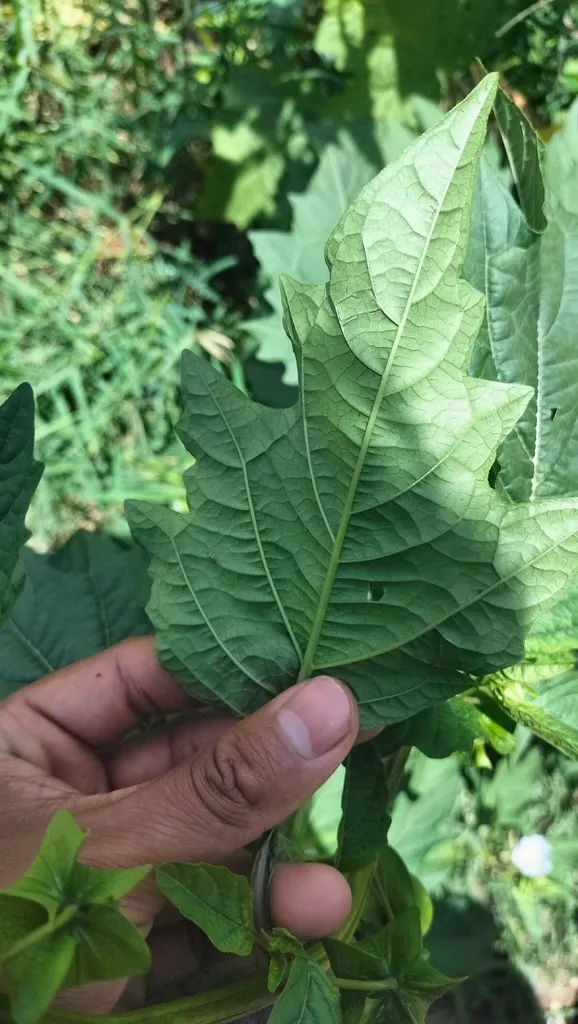
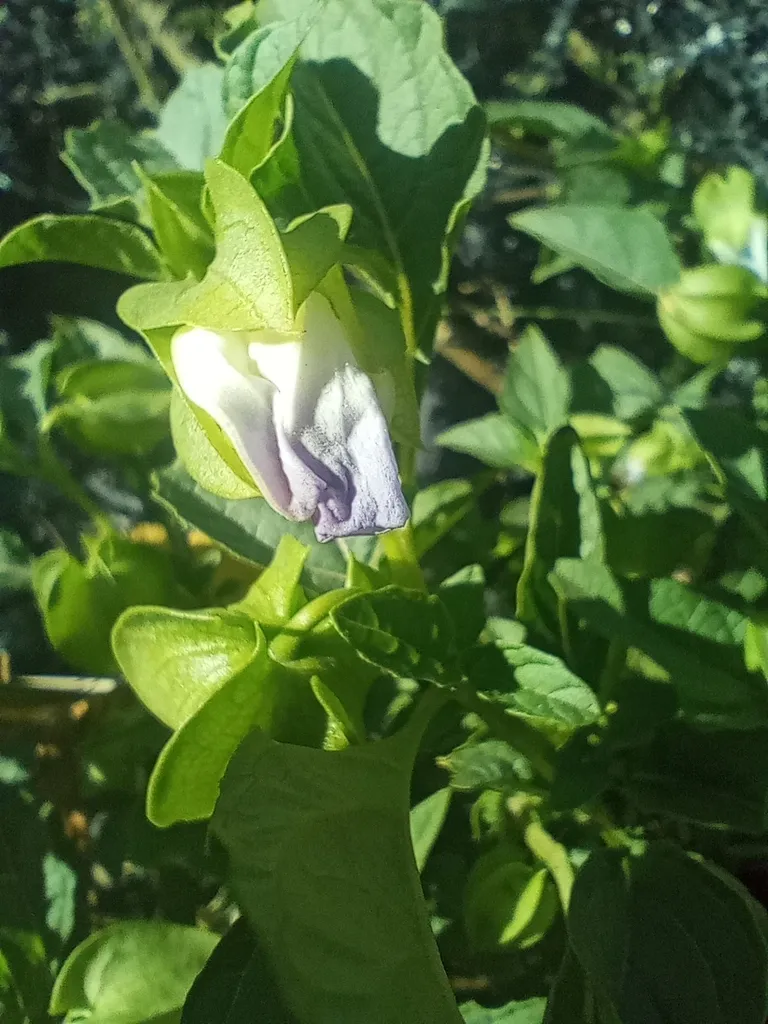
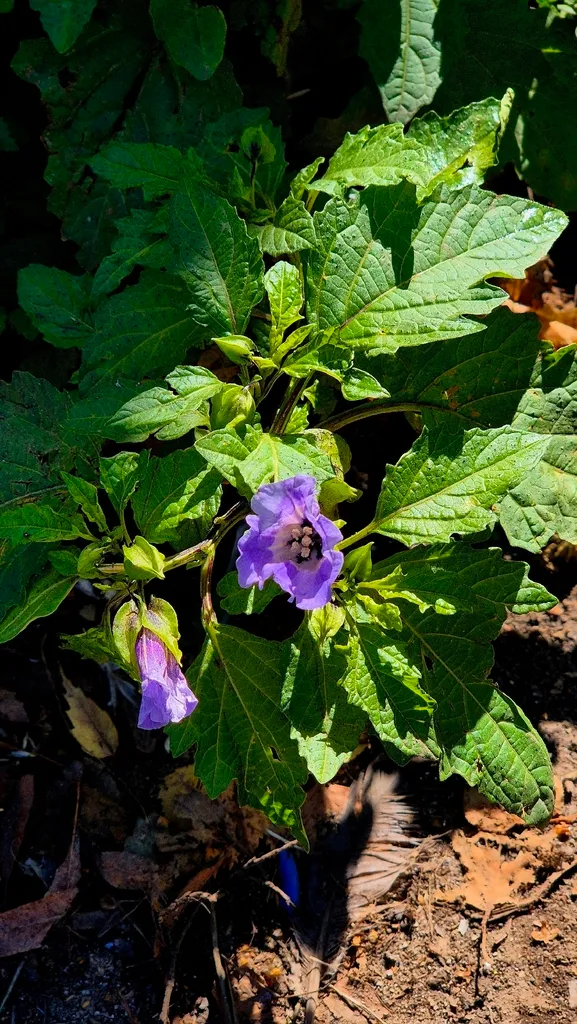
An annual with many, branched, erect, dark coloured stems to 1.2m and toothed, ovate green leaves to 10cm long, rather thin in texture. Short stalks produce short-lived, solitary pale blue or white flowers, opening in the middle of the day from June to October. Round, green-brown fruits are encased in green or black calcyes, similar to Chinese Lanterns, and can be dried for winter decorations
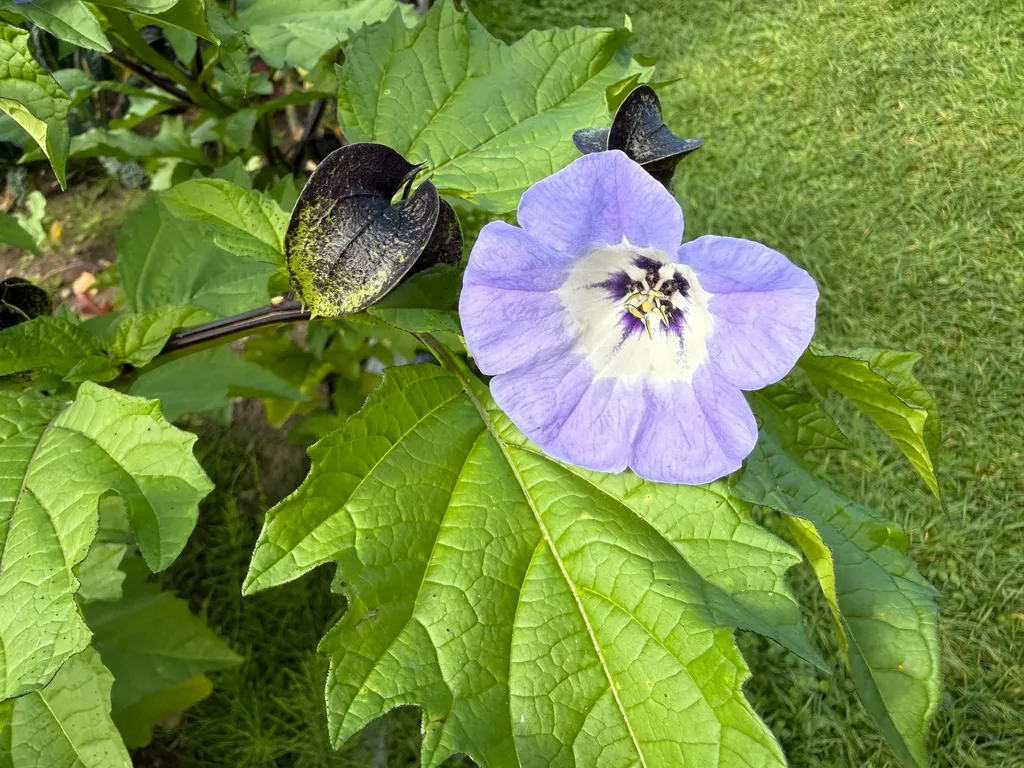
Scientific classification
- Species
- apple of Peru (Nicandra physalodes)
- Genus
- Nicandra
- Family
- Solanaceae
- Information to be completed
- Toxicity
- Annual Biennial
- Plant type
- 1-1.5 metres
- Height
- 0.5-1 metres
- Spread
- Deciduous
- Foliage
- Bushy
- Habit
- Spring · Summer · Autumn
- Season of interest
- Full sun · Partial shade
- Sunlight
- Information to be completed
- Ideal temperature









apple of Peru pictures
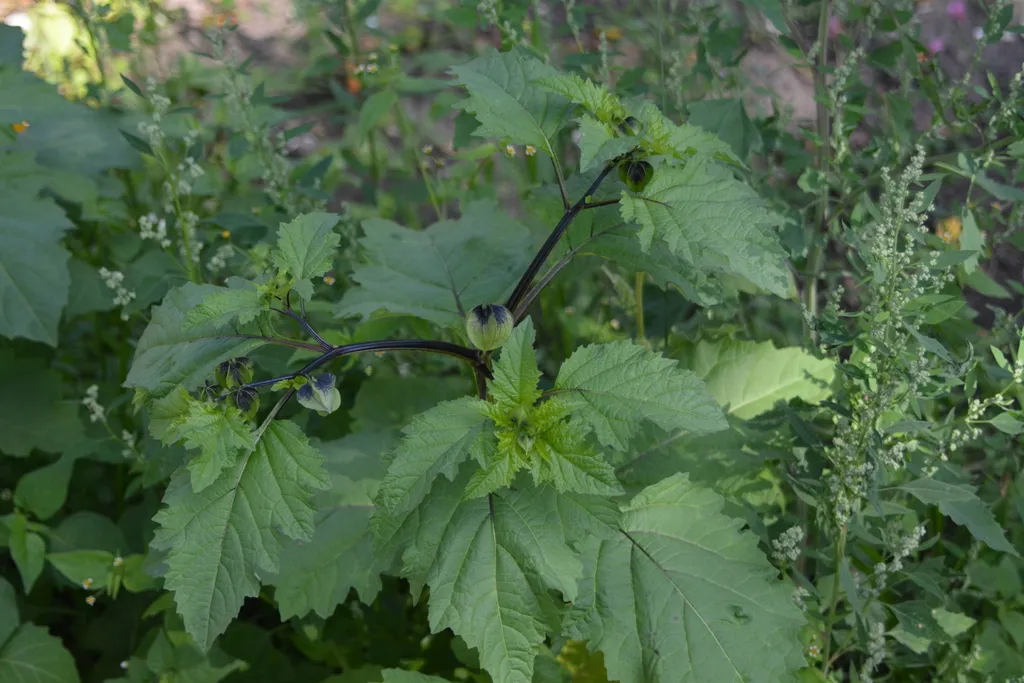
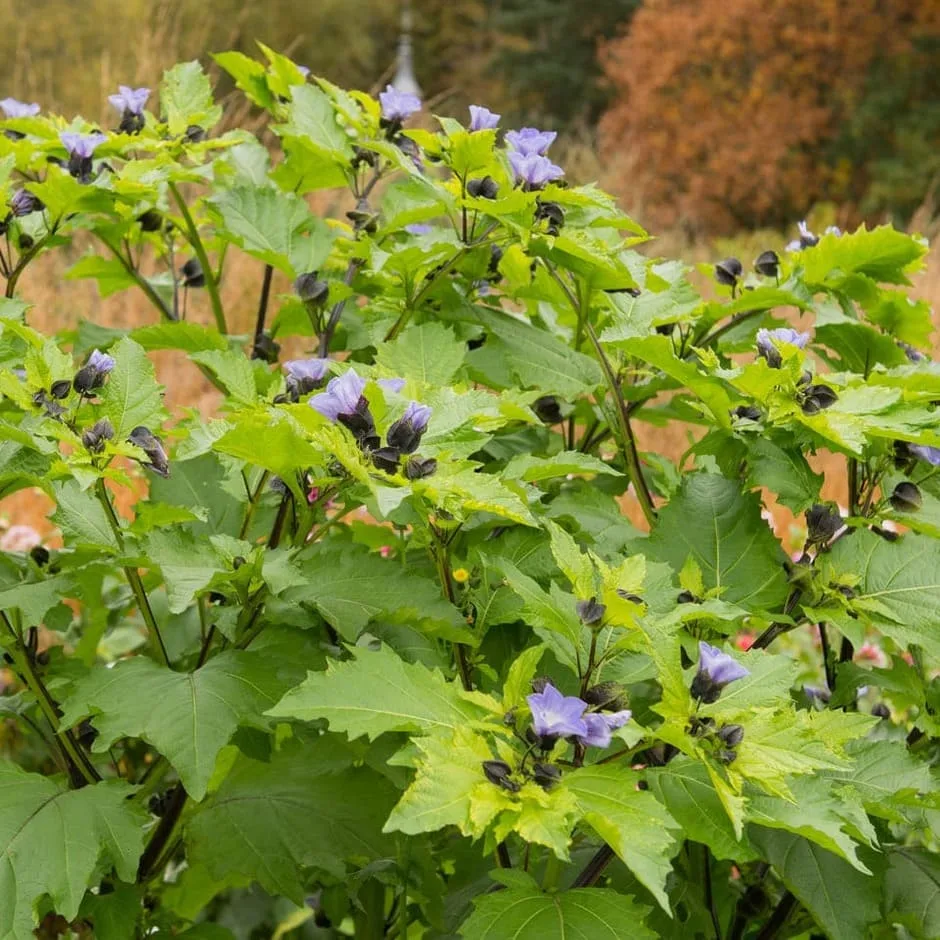
Distribution of apple of Peru
Distribution map
Peru
Information to be completed
Culture
Information to be completed
Toxicity
Information to be completed
Quick identification of apple of Peru
Information to be completed
apple of Peru care guide
- Moderate regular watering, allowing brief slight drying between soakings
- Watering
- Full sun · Partial shade
- Sunlight
- Information to be completed
- Ideal temperature

Watering
Moderate regular watering, allowing brief slight drying between soakings
Fertilizing
 Fertilizing
Balanced perennial feed every four weeks from spring through summer
Pruning
 Pruning
No pruning required; ideal for dried flower arranging
Propagation
 Propagation
Propagate by seed at 15°C (59°F) in early spring or in situ in mid-spring; self-seeds freely and has the potential to become a nuisance if left unchecked. See shoo-fly plant for further advice
Growing
 Growing
Grow in fertile, moist but well-drained soil in full sun or light shade. Flowers are short-lived but the fruit is encased in ornamental lantern-like calyces and can be dried for winter decorations. See shoo-fly plant for further advice
People also ask
Information to be completed
Common pests and diseases
Diseases
Generally disease-free
Pests
Generally pest-free
Explore the plant health library →




