
flax-leaved daphne
Also known as: Information to be completed
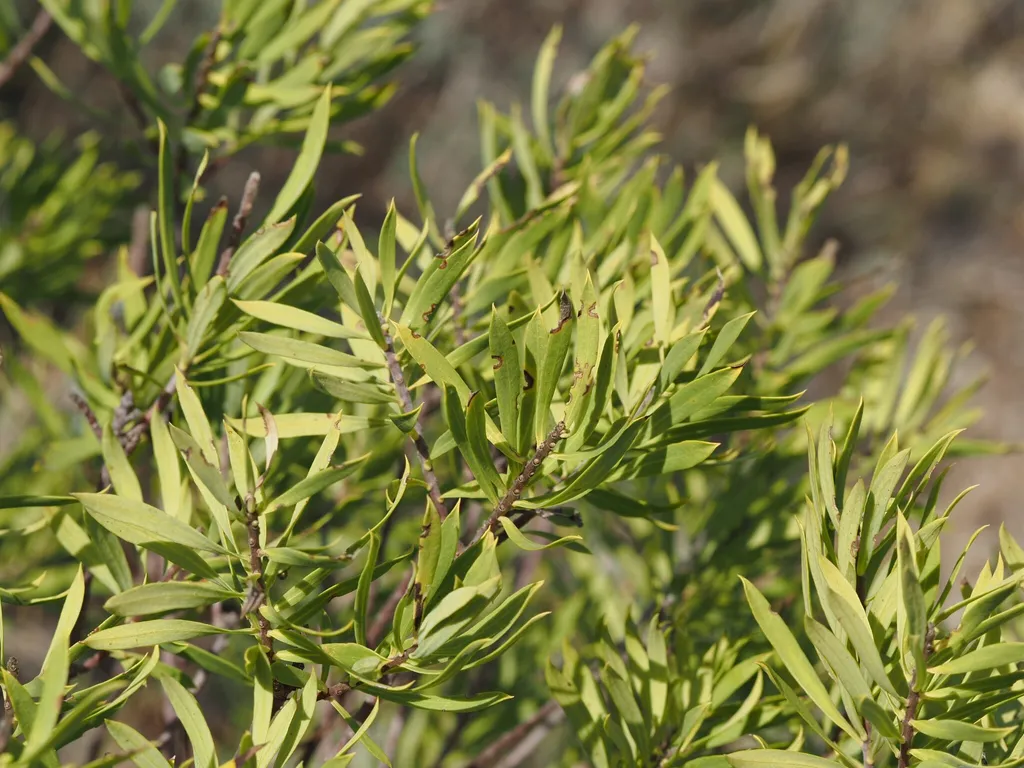
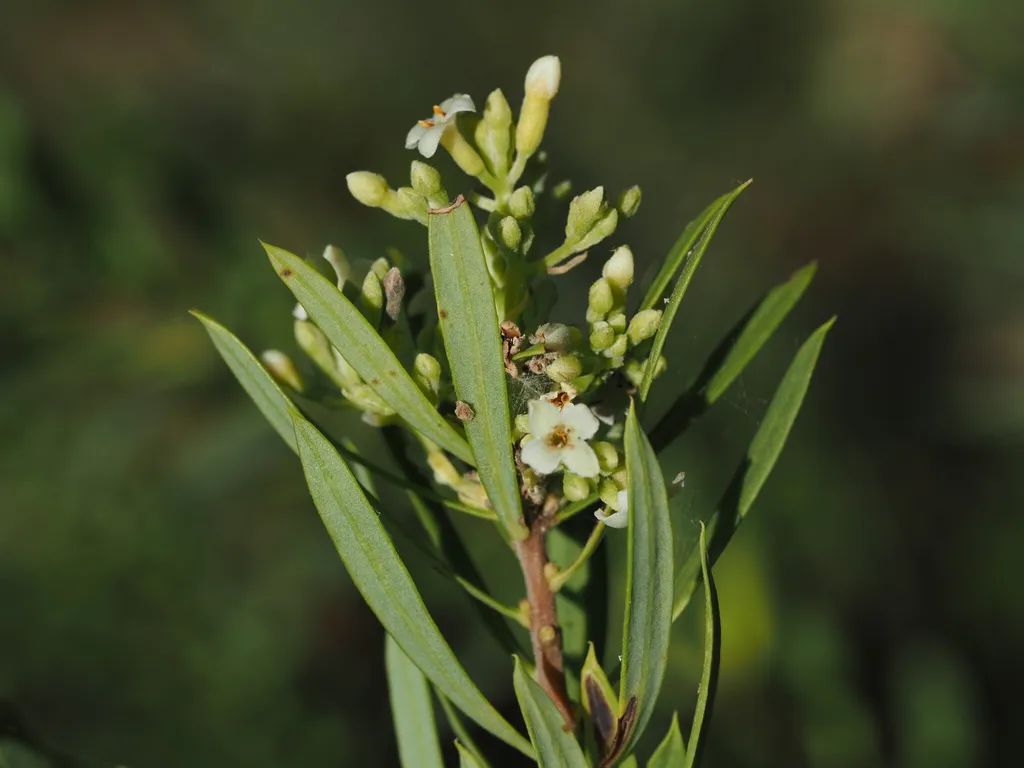
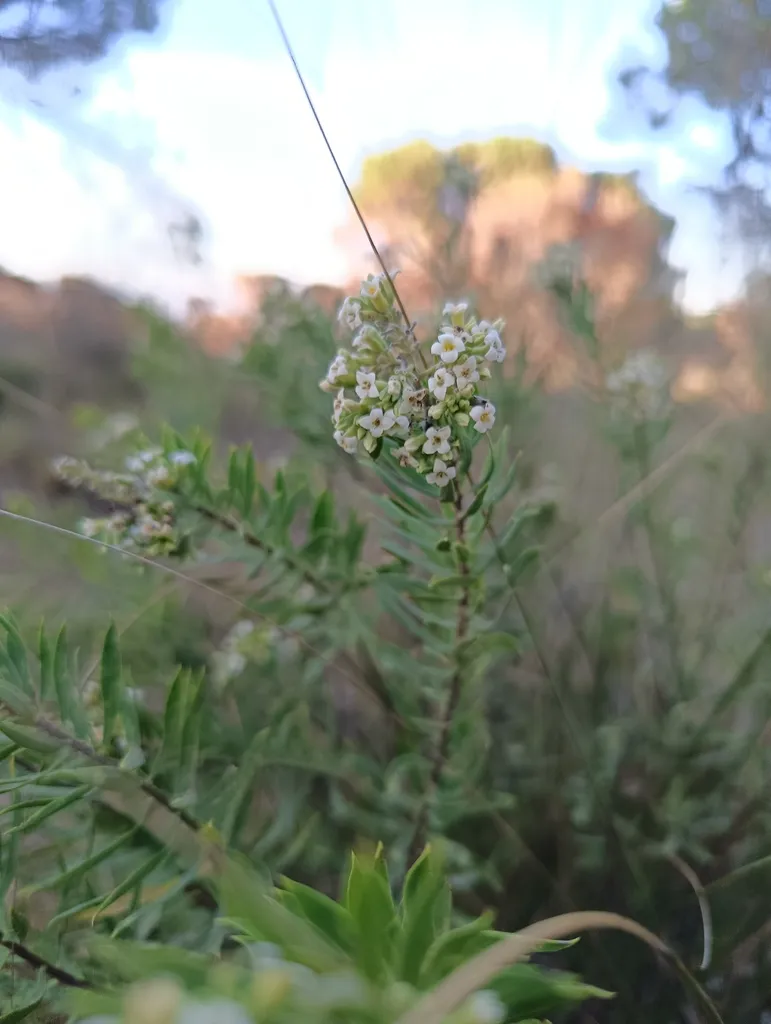
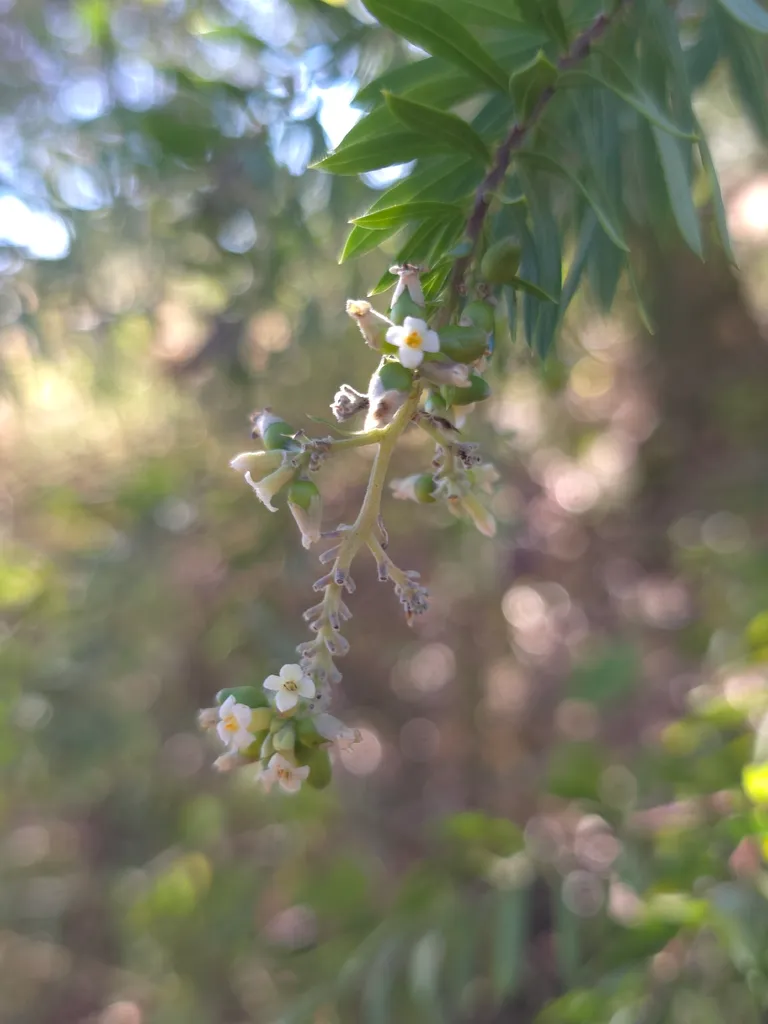
A slow-growing evergreen shrub, up to around 1.5m high, with a strongly upright habit and narrowly oval-shaped grey-green leaves. Clusters of small, fragrant white flowers are produced from late spring to early autumn, sometimes followed by small red berries
Scientific classification
- Species
- flax-leaved daphne (Daphne gnidium)
- Genus
- Daphne
- Family
- Thymelaeaceae
- TOXIC if eaten, skin irritant. Wear gloves and other protective equipment when handling]
- Toxicity
- Shrubs
- Plant type
- 1-1.5 metres
- Height
- 1-1.5 metres
- Spread
- Evergreen · Semi evergreen
- Foliage
- Columnar upright
- Habit
- Spring · Summer · Autumn · Winter
- Season of interest
- Full sun · Partial shade
- Sunlight
- Information to be completed
- Ideal temperature









flax-leaved daphne pictures
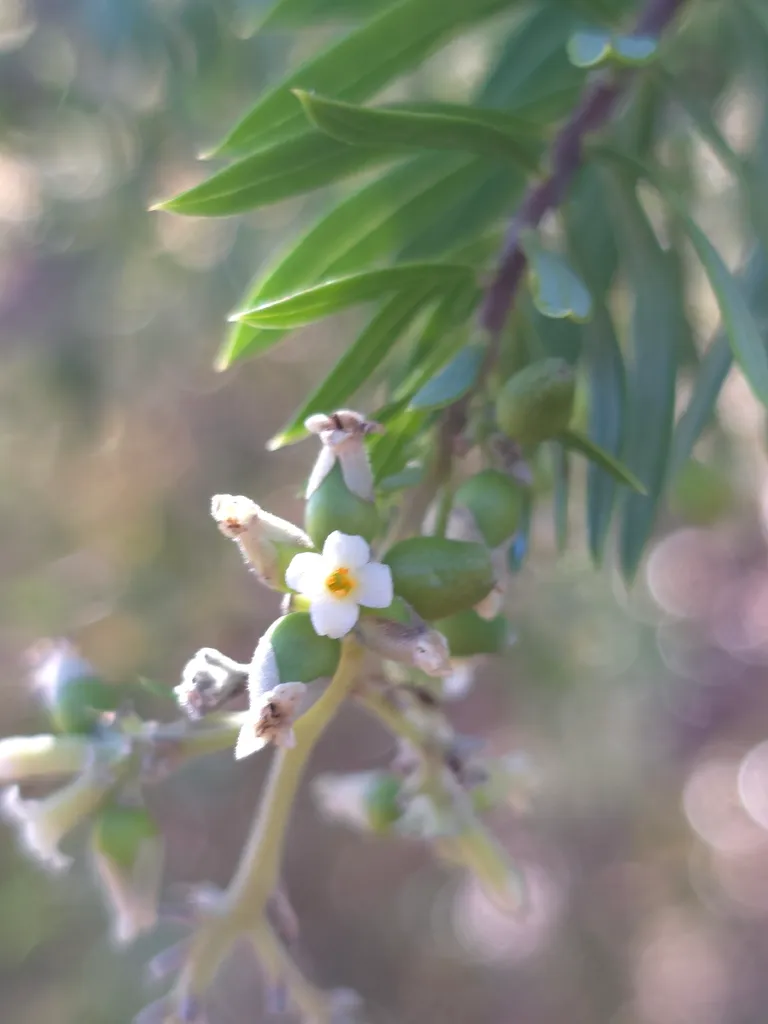
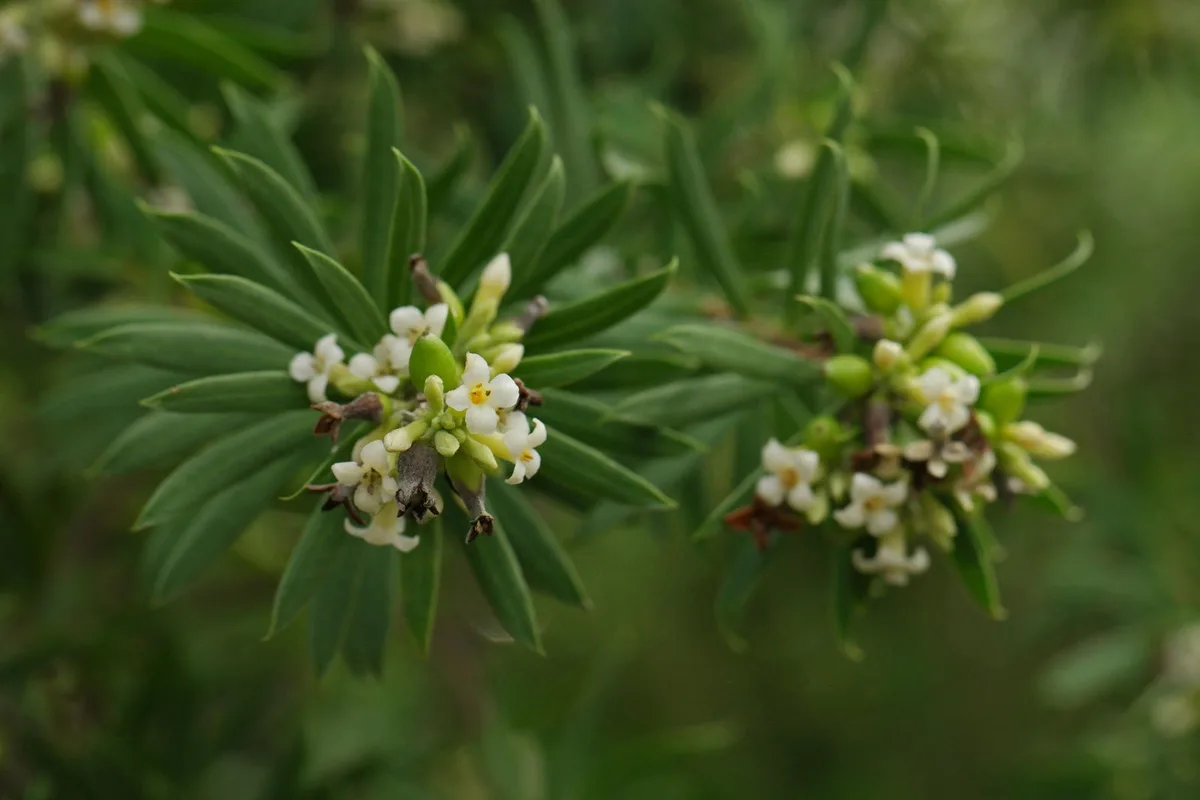
Distribution of flax-leaved daphne
Distribution map
Europe, Northern Africa, Southwestern Asia
Information to be completed
Culture
Information to be completed
Toxicity
TOXIC if eaten, skin irritant. Wear gloves and other protective equipment when handling]
Quick identification of flax-leaved daphne
Information to be completed
flax-leaved daphne care guide
- Moderate regular watering, allowing brief slight drying between soakings
- Watering
- Full sun · Partial shade
- Sunlight
- Information to be completed
- Ideal temperature

Watering
Moderate regular watering, allowing brief slight drying between soakings
Fertilizing
 Fertilizing
Balanced perennial feed every four weeks from spring through summer
Pruning
 Pruning
Keep pruning to a minimum: remove dead, damaged or unwanted growth; if shaping is needed, trim lightly after flowering.
Propagation
 Propagation
Propagate by semi-hardwood cuttings in summer, or by grafting in winter
Growing
 Growing
This species needs excellent drainage, a sandy loam with a roughly neutral pH is ideal. May need winter protection. See daphne cultivation for more details
People also ask
Information to be completed
Common pests and diseases
Diseases
May be susceptible to honey fungus (rarely), phytophthora root rot, fungal leaf spot and virus diseases
Pests
May be susceptible to aphids
Explore the plant health library →




