
swordleaf rush
Also known as: Information to be completed
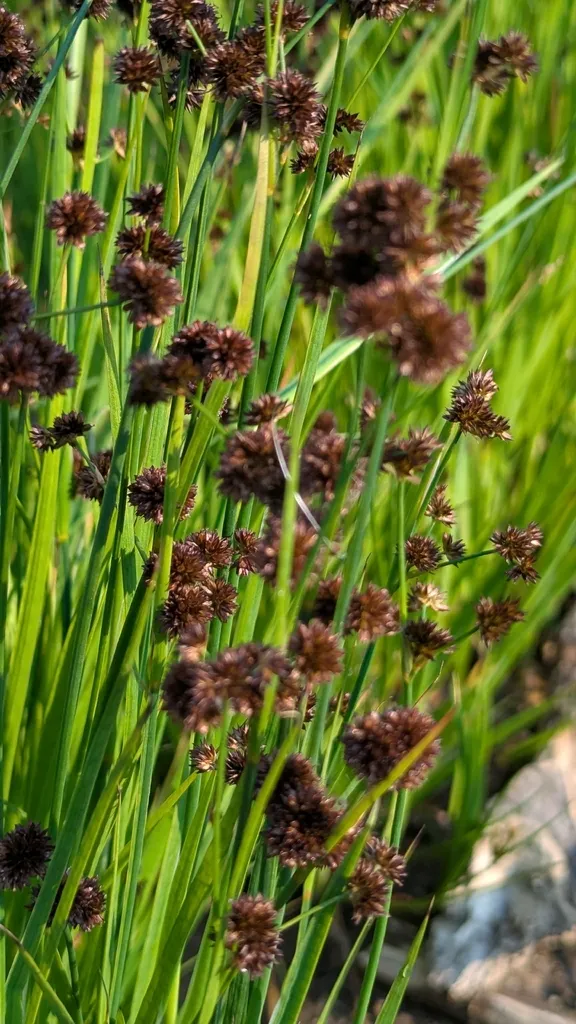
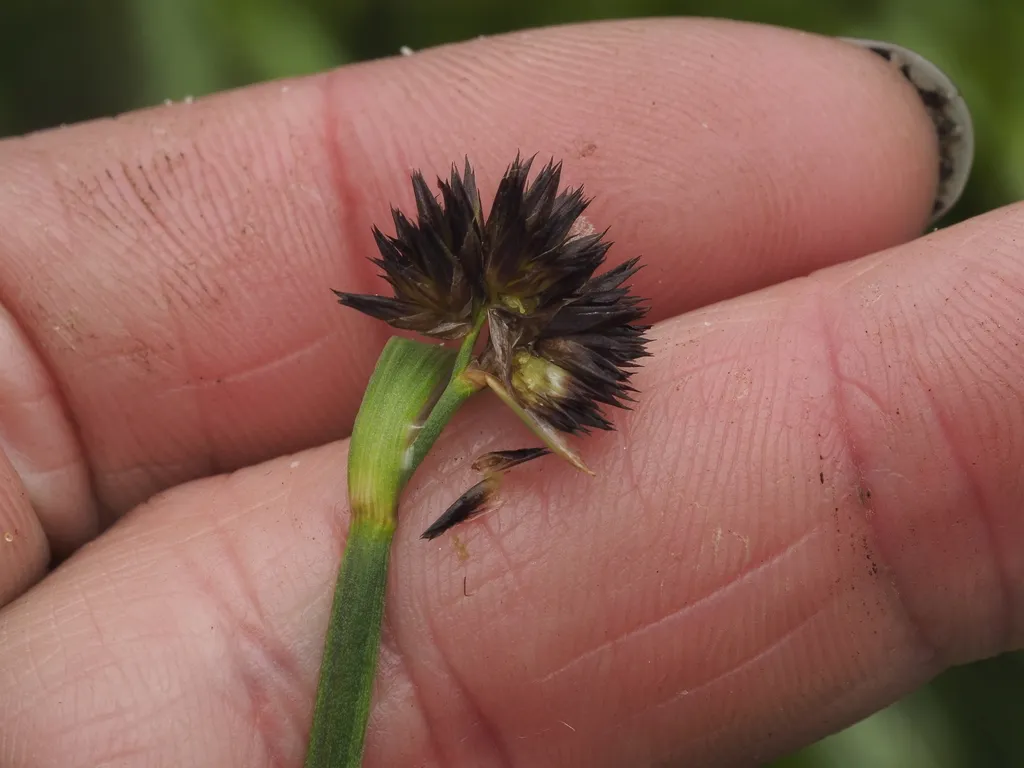
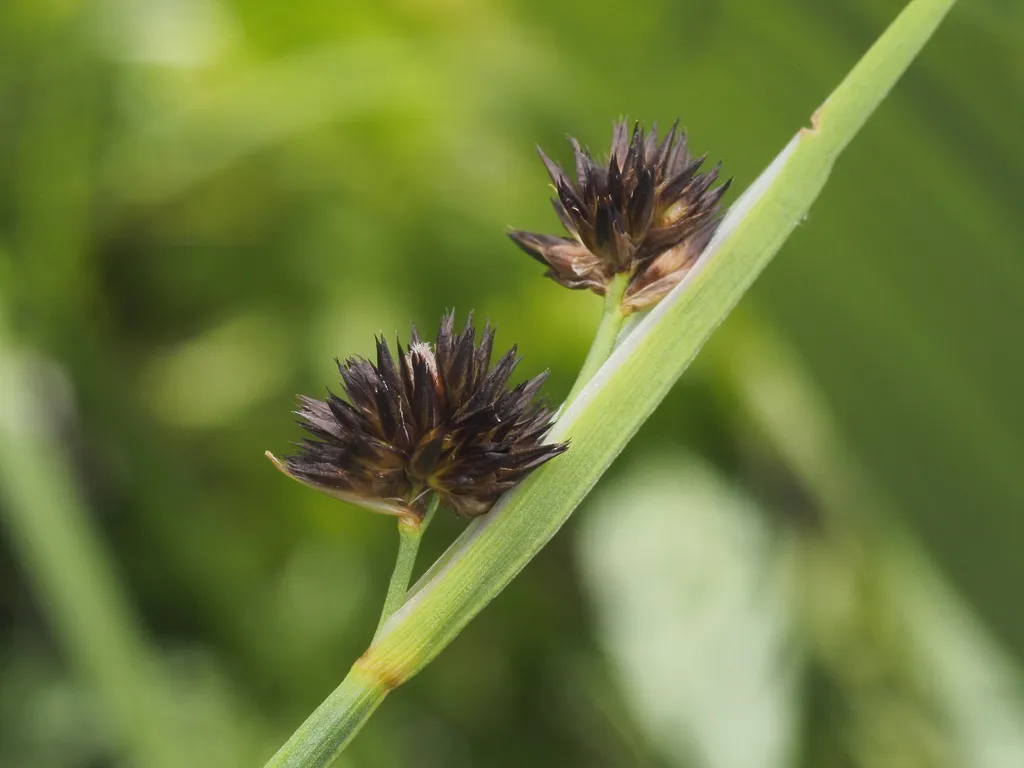
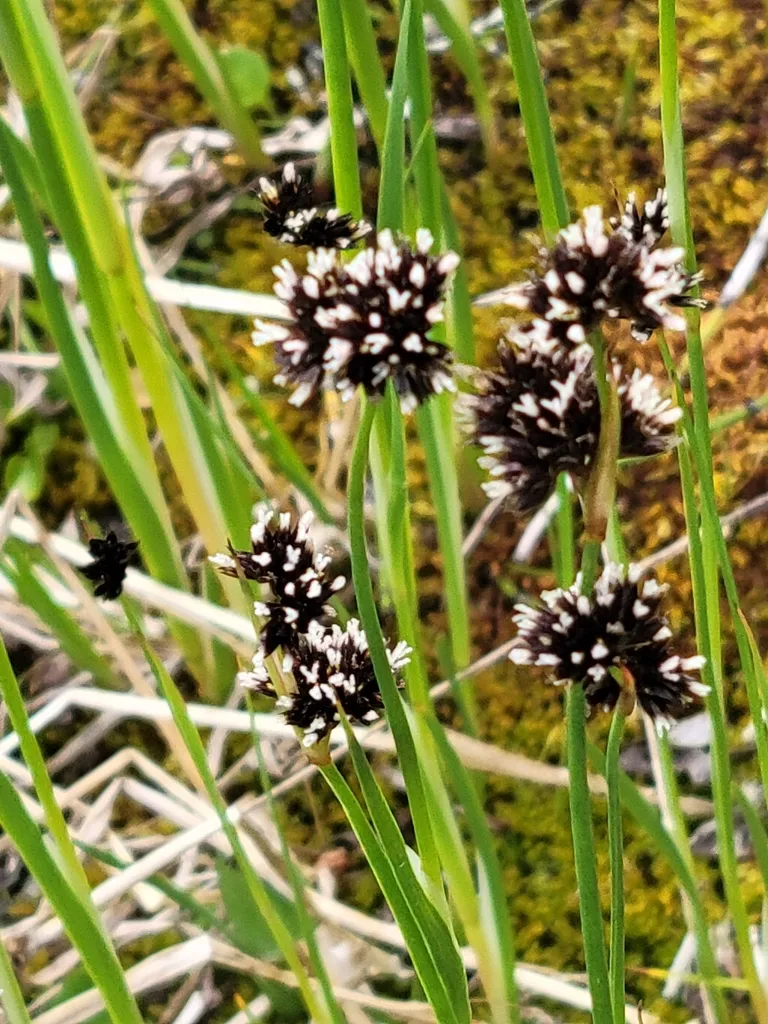
Semi-evergreen to evergreen, rhizomatous perennial about 45cm tall, with upright stems and flat, curved, mid-green basal leaves to 25cm long. Produces globular flowerheads of small green or reddish-brown flowers in summer followed by dark brown or chestnut brown seedheads to 4mm across
Scientific classification
- Species
- swordleaf rush (Juncus ensifolius)
- Genus
- Juncus
- Family
- Juncaceae
- Information to be completed
- Toxicity
- Grass Like
- Plant type
- 0.1-0.5 metres
- Height
- 0.5-1 metres
- Spread
- Evergreen · Semi evergreen
- Foliage
- Clump forming
- Habit
- Spring · Summer · Autumn · Winter
- Season of interest
- Full sun · Partial shade
- Sunlight
- Information to be completed
- Ideal temperature









swordleaf rush pictures
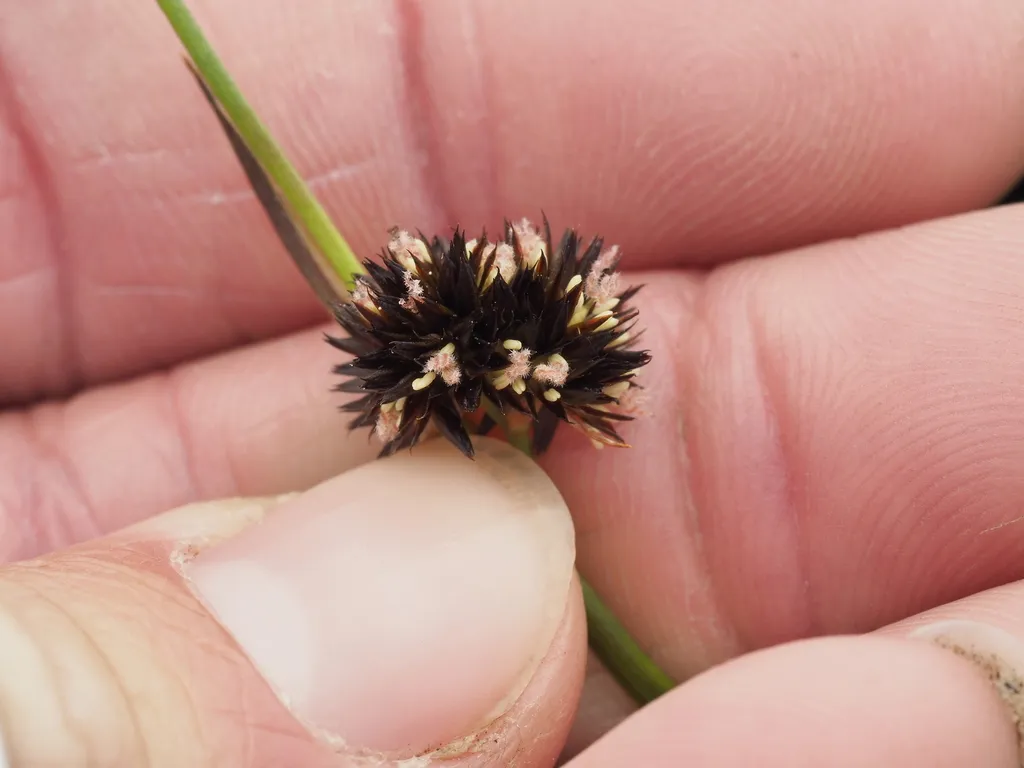
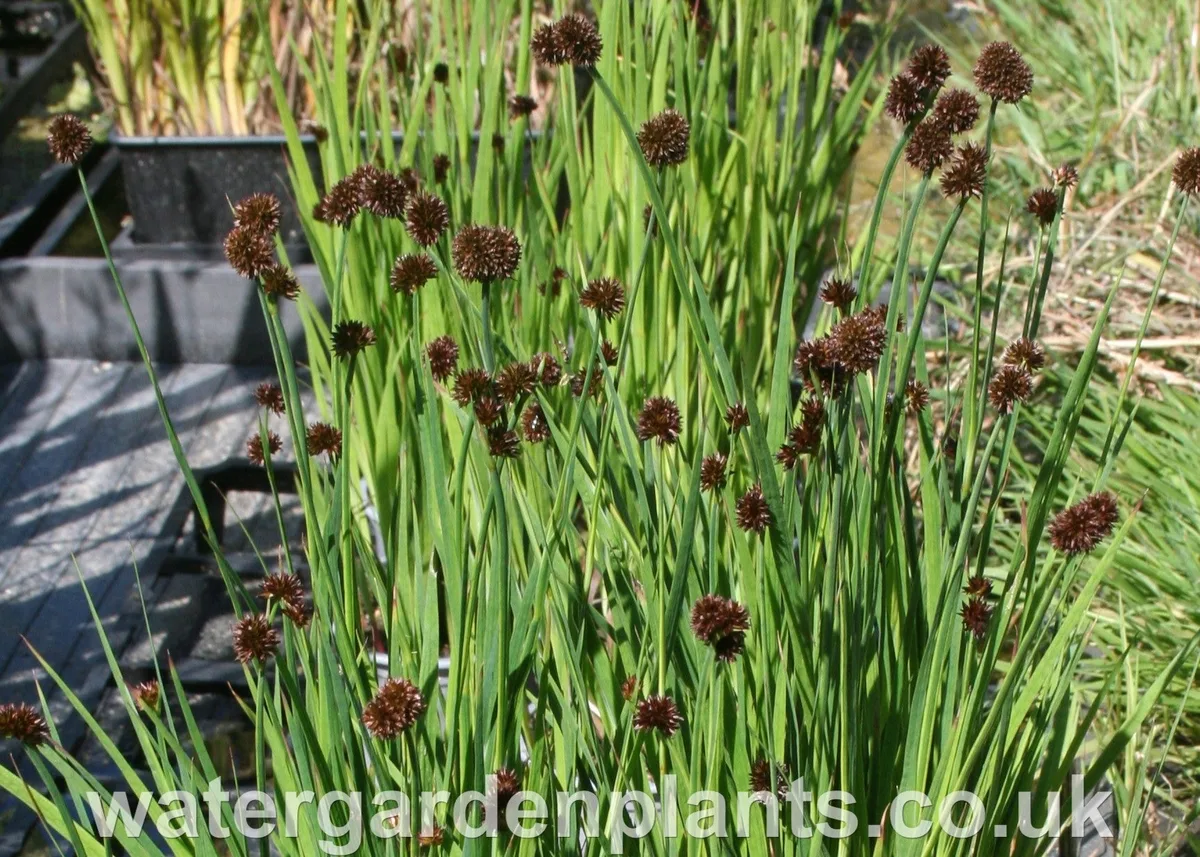
Distribution of swordleaf rush
Distribution map
North America, Mexico, Japan
Information to be completed
Culture
Information to be completed
Toxicity
Information to be completed
Quick identification of swordleaf rush
Information to be completed
swordleaf rush care guide
- Keep soil consistently moist to wet, never allowing roots to dry
- Watering
- Full sun · Partial shade
- Sunlight
- Information to be completed
- Ideal temperature

Watering
Keep soil consistently moist to wet, never allowing roots to dry
Fertilizing
 Fertilizing
Light balanced feed in spring and early summer growth
Pruning
 Pruning
No pruning required, tidy after flowering if necessary
Propagation
 Propagation
Propagate by seed in spring or by division from mid-spring to early summer
Growing
 Growing
Grow in permanently moist acid soil in sun or part shade
People also ask
Information to be completed
Common pests and diseases
Diseases
Generally disease-free
Pests
Generally pest-free
Explore the plant health library →




