
mezereon
Also known as: dwarf bay; February daphne; lady's laurel; mezereum; mysterious plant; spurge flax; spurge olive
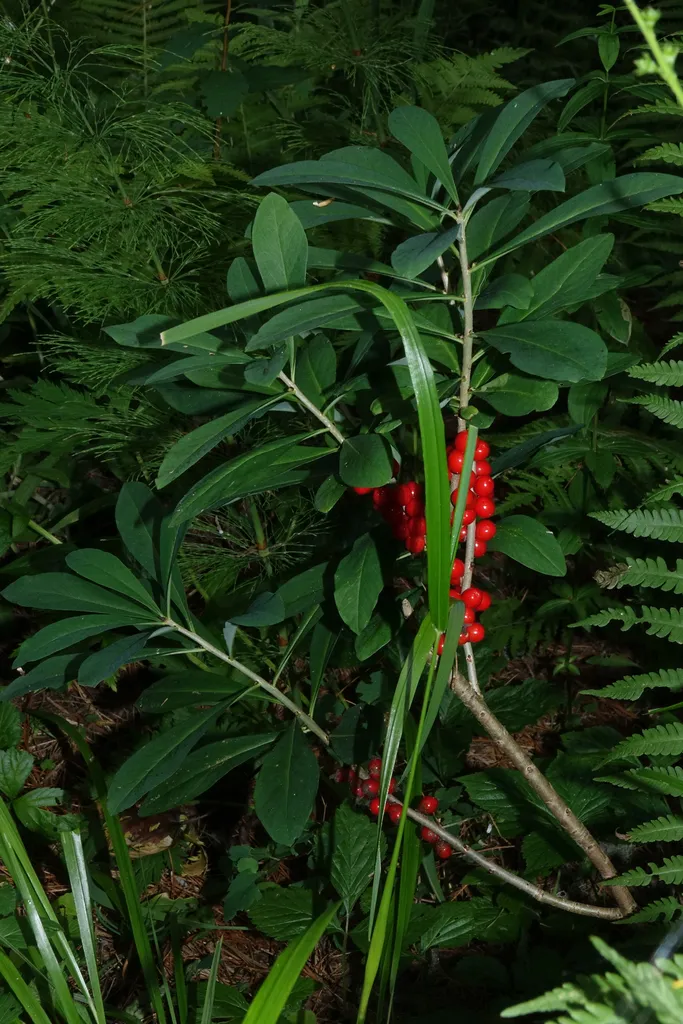
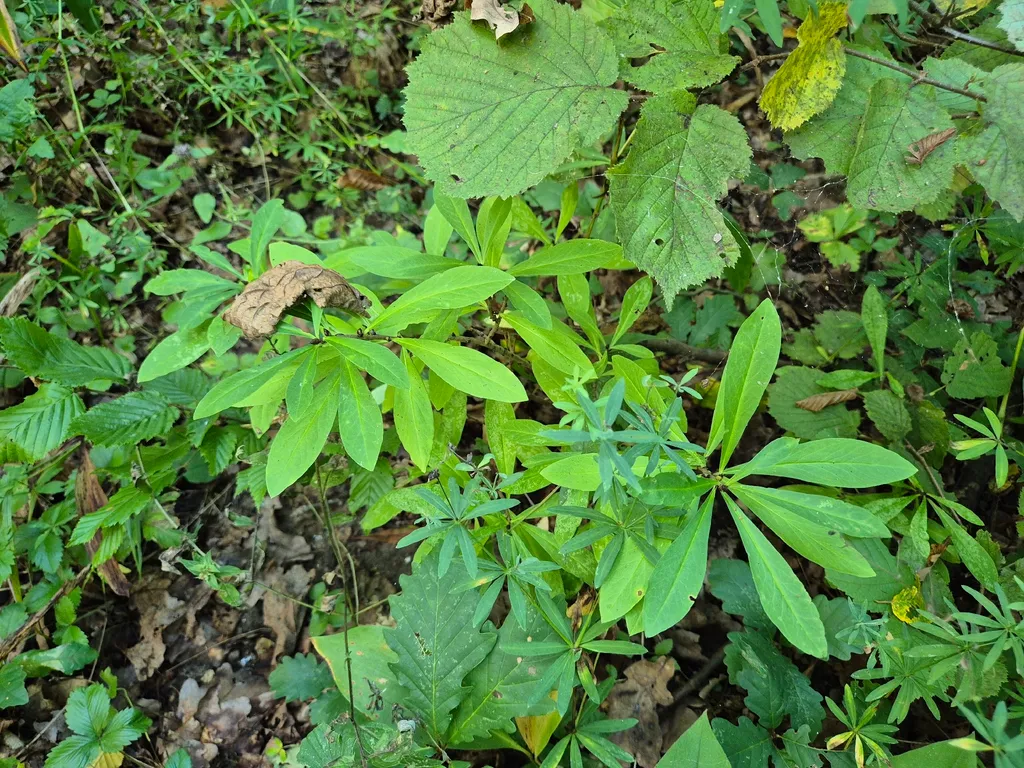
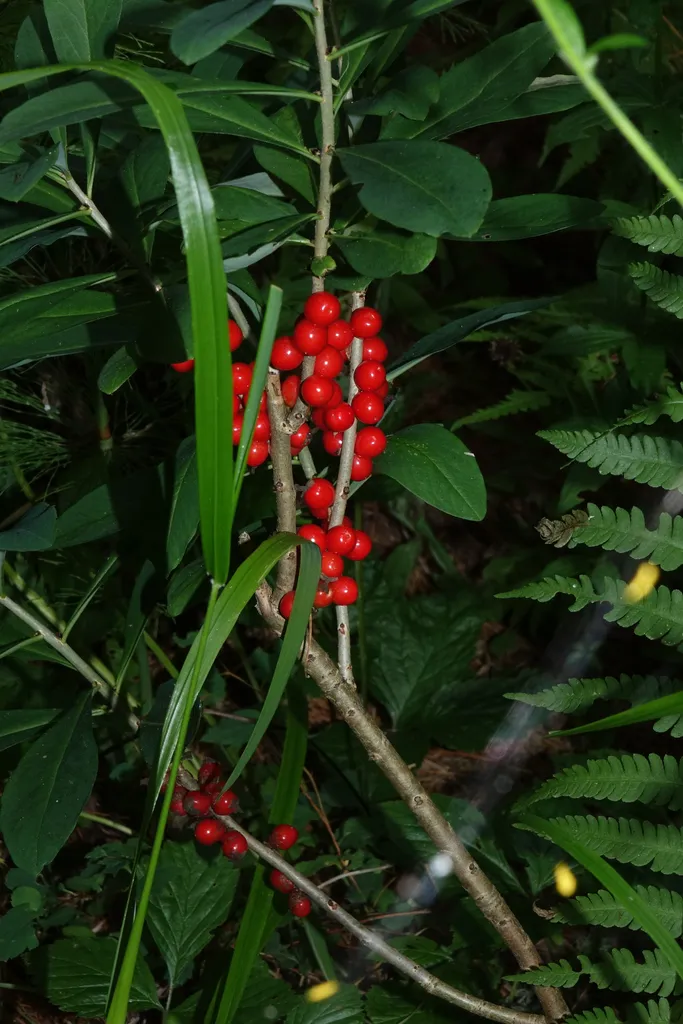
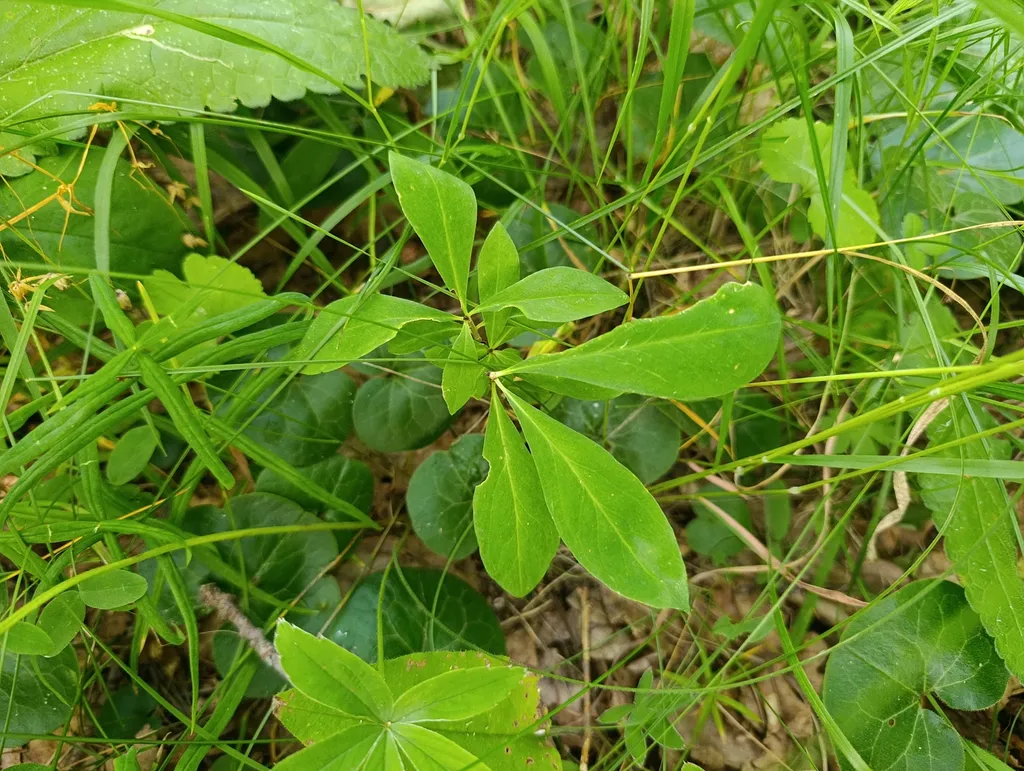
A deciduous, rounded shrub to 1.5m. Flowers usually appear before the leaves, purplish-pink or purplish-red, clustered closely in twos and threes from buds on the twigs in early spring, very fragrant, followed by round red berries. Leaves oblanceolate, dull grey-green, short-stalked, to 9cm long
Scientific classification
- Species
- mezereon (Daphne mezereum)
- Genus
- Daphne
- Family
- Thymelaeaceae
- TOXIC if eaten, skin irritant. Wear gloves and other protective equipment when handling]
- Toxicity
- Shrubs
- Plant type
- 1-1.5 metres
- Height
- 0.5-1 metres
- Spread
- Deciduous
- Foliage
- Bushy
- Habit
- Spring · Summer · Autumn
- Season of interest
- Full sun · Partial shade
- Sunlight
- Information to be completed
- Ideal temperature









mezereon pictures
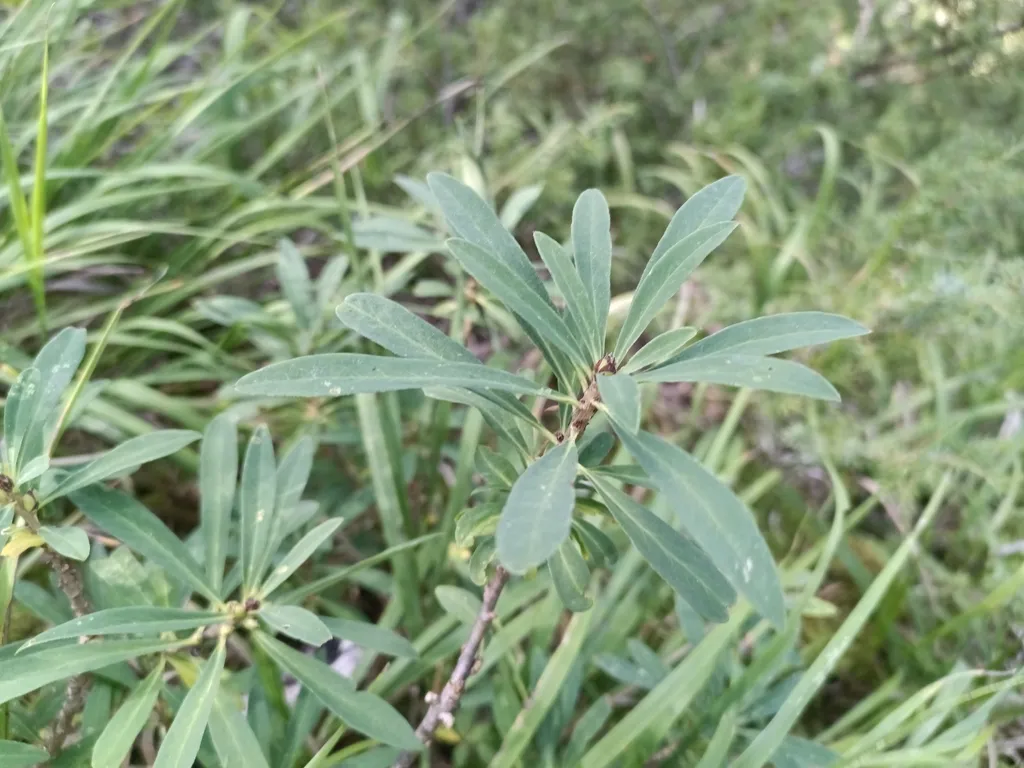
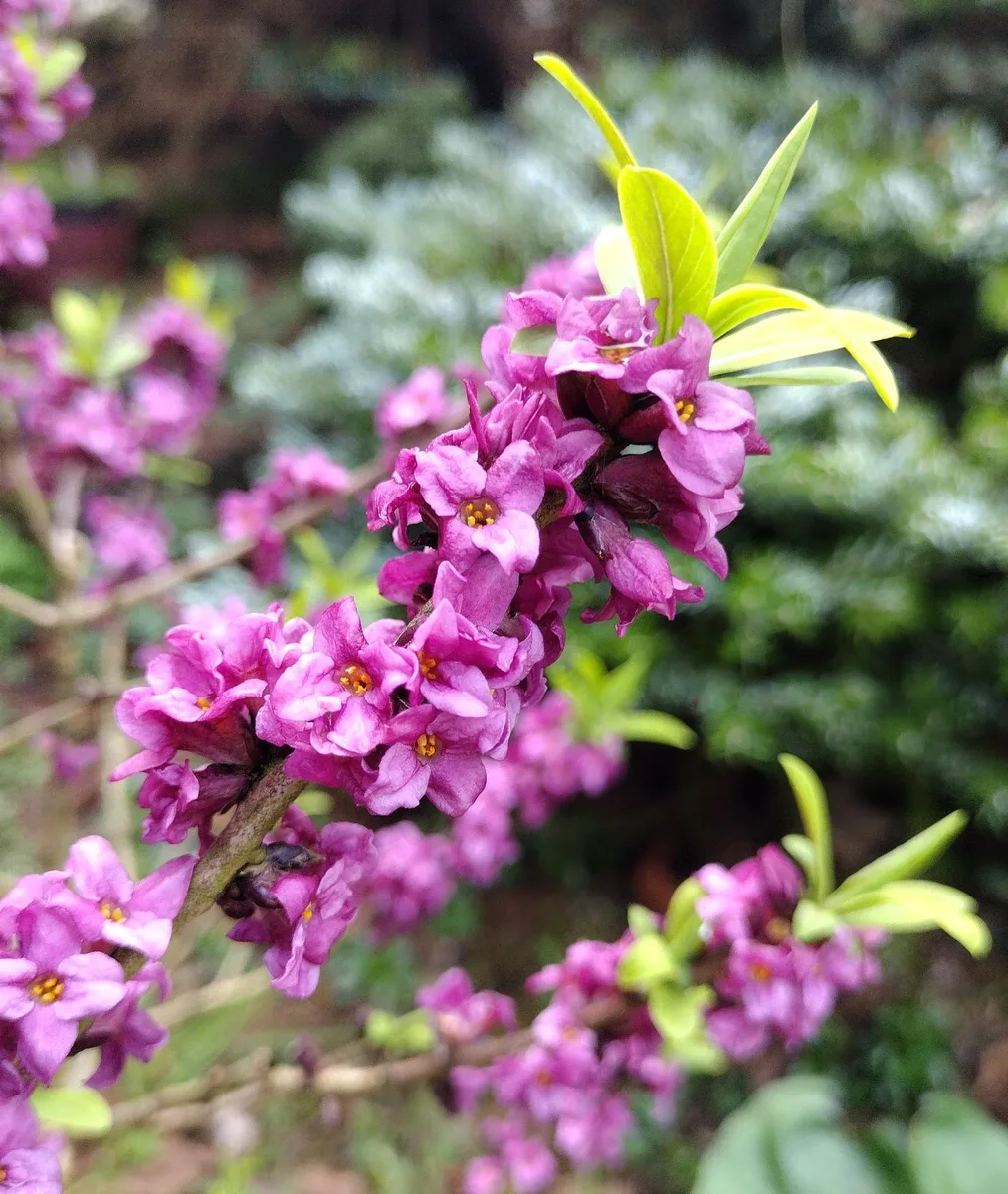
Distribution of mezereon
Distribution map
Europe to Central Asia
Information to be completed
Culture
Information to be completed
Toxicity
TOXIC if eaten, skin irritant. Wear gloves and other protective equipment when handling]
Quick identification of mezereon
Information to be completed
mezereon care guide
- Keep soil evenly moist but perfectly drained
- Watering
- Full sun · Partial shade
- Sunlight
- Information to be completed
- Ideal temperature

Watering
Keep soil evenly moist but perfectly drained
Fertilizing
 Fertilizing
Light feed in spring only, avoid heavy fertilizing
Pruning
 Pruning
Little pruning is needed. Remove diseased, damaged, crowded or crossing shoots and unwanted growth. Timing depends on the plant: generally late winter or early spring; plants prone to bleeding and deciduous magnolias need different timing, and deciduous azaleas and lilacs are pruned after flowering.
Propagation
 Propagation
Propagate by seed in containers in a cold frame as soon as ripe. Propagate by softwood cuttings in early to midsummer and semi-ripe heel cuttings in mid or late summer
Growing
 Growing
Grow in moderately fertile, humus-rich, well-drained but not dry soil in sun or part shade. Mulch to keep roots cool. Establishes best if planted in the spring, resents transplanting so do not move once established
People also ask
Information to be completed
Common pests and diseases
Diseases
May be susceptible to honey fungus (rarely), phytophthora root rot, fungal leaf spot and virus diseases
Pests
May be susceptible to aphids
Explore the plant health library →




