
thorn apple
Also known as: apple of Peru; devil's apple; devil's ladder; devil's trumpet; dewtry; fireweed; gypsum weed; gypsy weed; Jamestown lily; Jamestown weed; Jimson weed; loco weed; mad apple; stinkweed
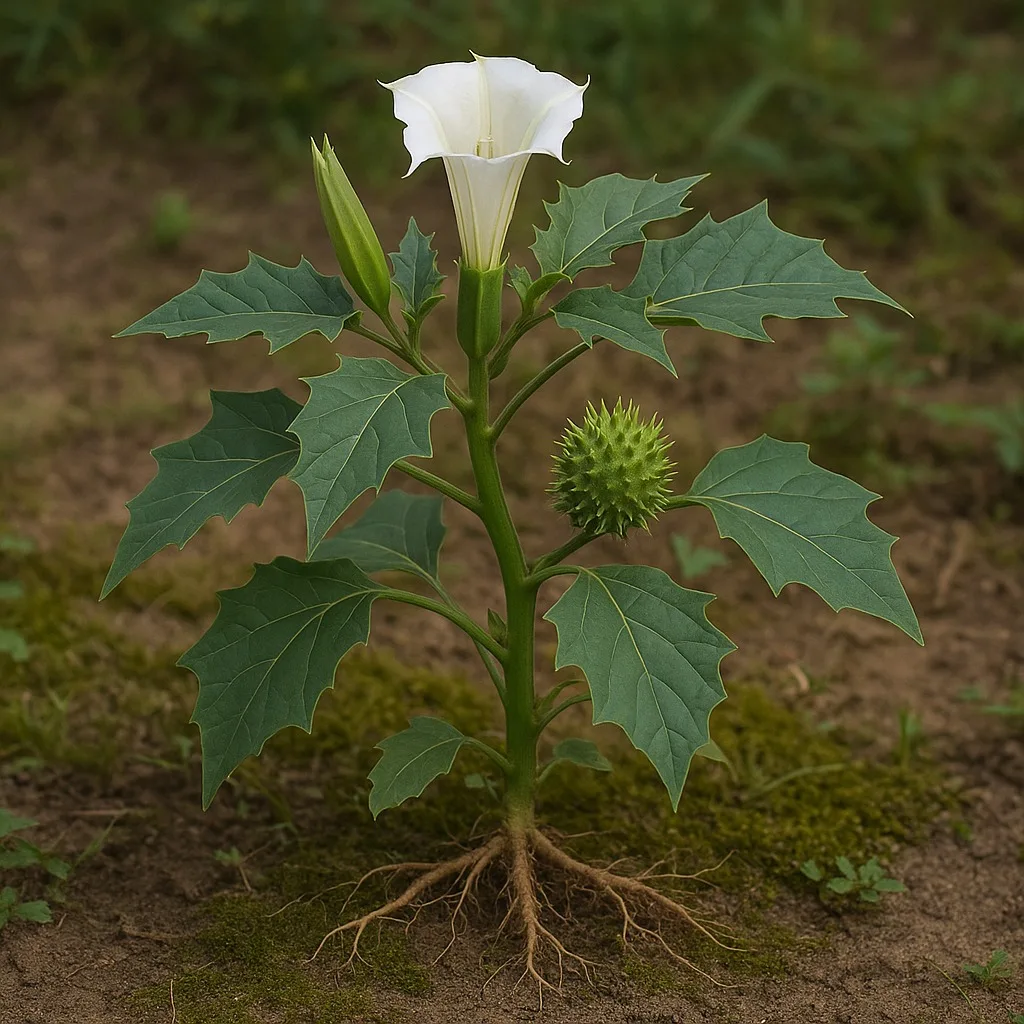
A symmetrically branched annual, found in garden borders, on roadsides and on wasteland, with large, coarsely toothed, oval green leaves. White, trumpet-shaped flowers, sometimes flushed purple appear in July to October are followed by spiny fruit up to 5cm long

Scientific classification
- Species
- thorn apple (Datura stramonium)
- Genus
- Datura
- Family
- Solanaceae
- TOXIC if eaten, skin irritant, avoid eye contact. Wear gloves and other protective equipment when handling
- Toxicity
- Annual Biennial
- Plant type
- 0.5-1 metres
- Height
- 0.5-1 metres
- Spread
- Deciduous
- Foliage
- Bushy
- Habit
- Spring · Summer · Autumn
- Season of interest
- Full sun
- Sunlight
- Information to be completed
- Ideal temperature









thorn apple pictures
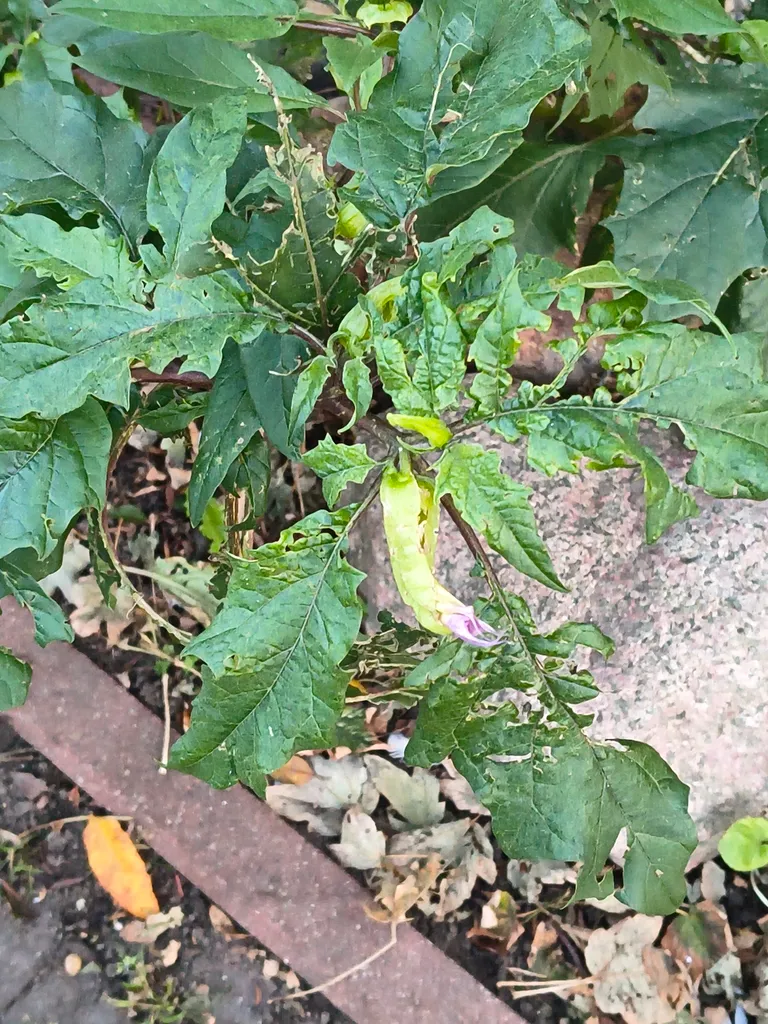
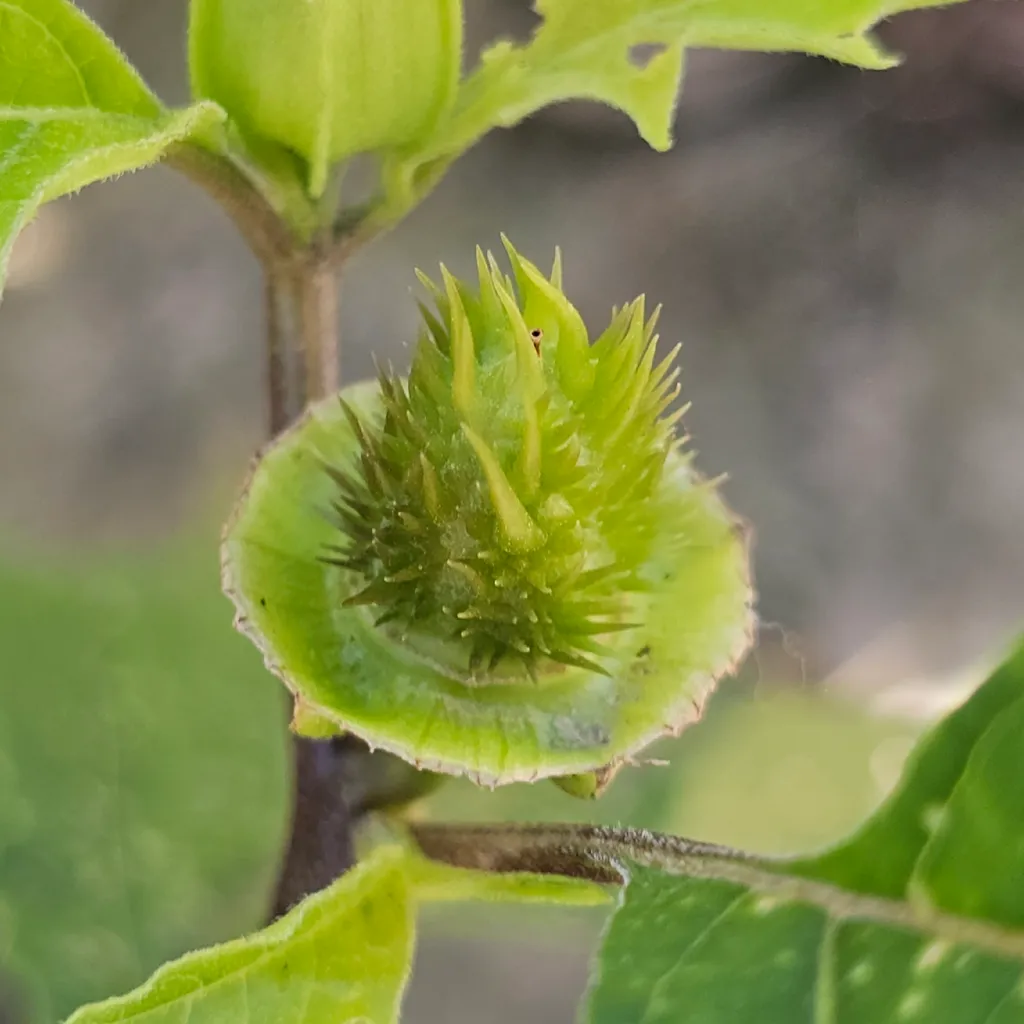
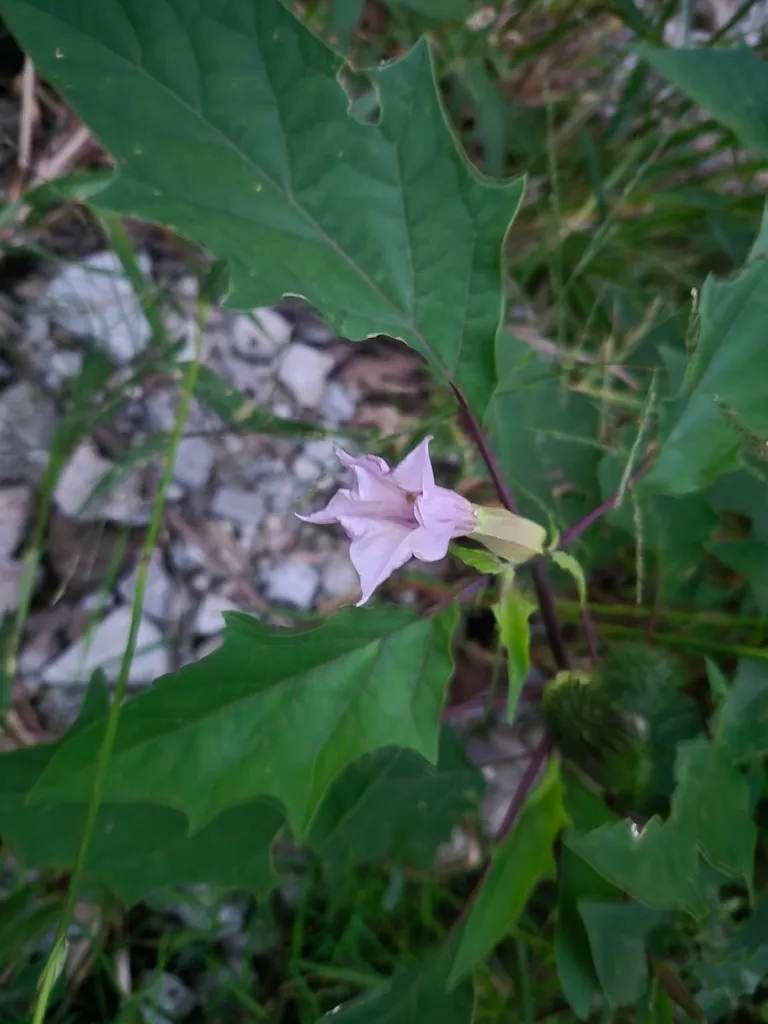
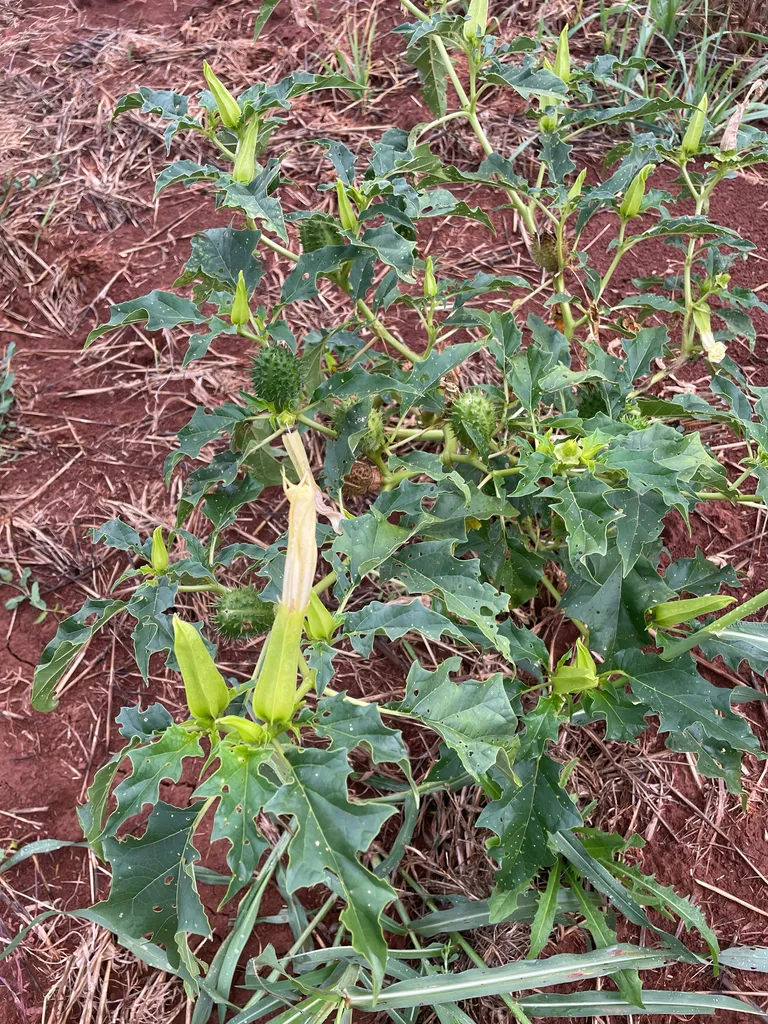
Distribution of thorn apple
Distribution map
Cosmopolitan
Information to be completed
Culture
Information to be completed
Toxicity
TOXIC if eaten, skin irritant, avoid eye contact. Wear gloves and other protective equipment when handling
Quick identification of thorn apple
Information to be completed
thorn apple care guide
- Moderate regular watering, allowing brief slight drying between soakings
- Watering
- Full sun
- Sunlight
- Information to be completed
- Ideal temperature

Watering
Moderate regular watering, allowing brief slight drying between soakings
Fertilizing
 Fertilizing
Balanced perennial feed every four weeks from spring through summer
Pruning
 Pruning
No pruning required
Propagation
 Propagation
Prefers warmer climates, but seeds can germinate well in situ in spring and retain their viability when buried within the soil, germinating when disturbed with the potential to become a nuisance
Growing
 Growing
Grow in fertile, well-drained soil with full sun. Can be used for summer bedding and is not invasive within the UK. See thorn apple for further advice
People also ask
Information to be completed
Common pests and diseases
Diseases
May be susceptible to a virus
Pests
Generally pest-free
Explore the plant health library →




