
deer's foot fern
Also known as: Canary Island hare's foot fern; hare's foot fern
A spreading, deciduous fern with thick, scaly rhizomes and broad, finely-divided fronds 20cm to 50cm long
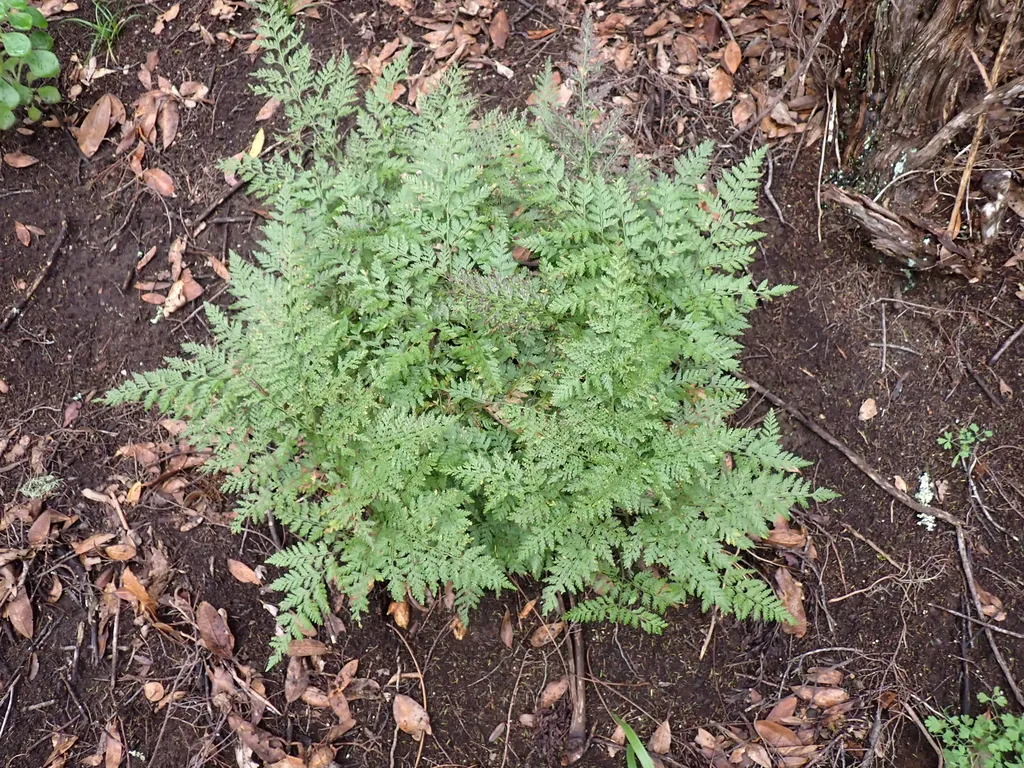
Scientific classification
- Species
- deer's foot fern (Davallia canariensis)
- Genus
- Davallia
- Family
- Davalliaceae
- Information to be completed
- Toxicity
- Ferns · Houseplants · Conservatory Greenhouse
- Plant type
- 0.1-0.5 metres
- Height
- 0.5-1 metres
- Spread
- Deciduous
- Foliage
- Bushy
- Habit
- Spring · Summer · Autumn
- Season of interest
- Partial shade
- Sunlight
- Information to be completed
- Ideal temperature









deer's foot fern pictures
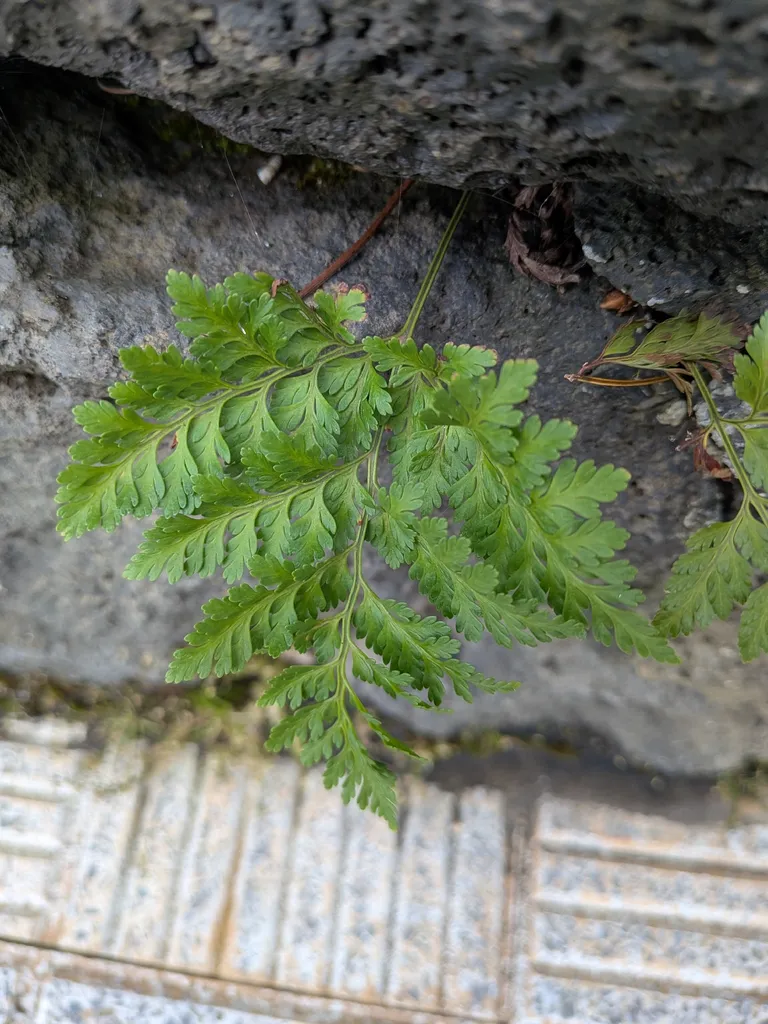
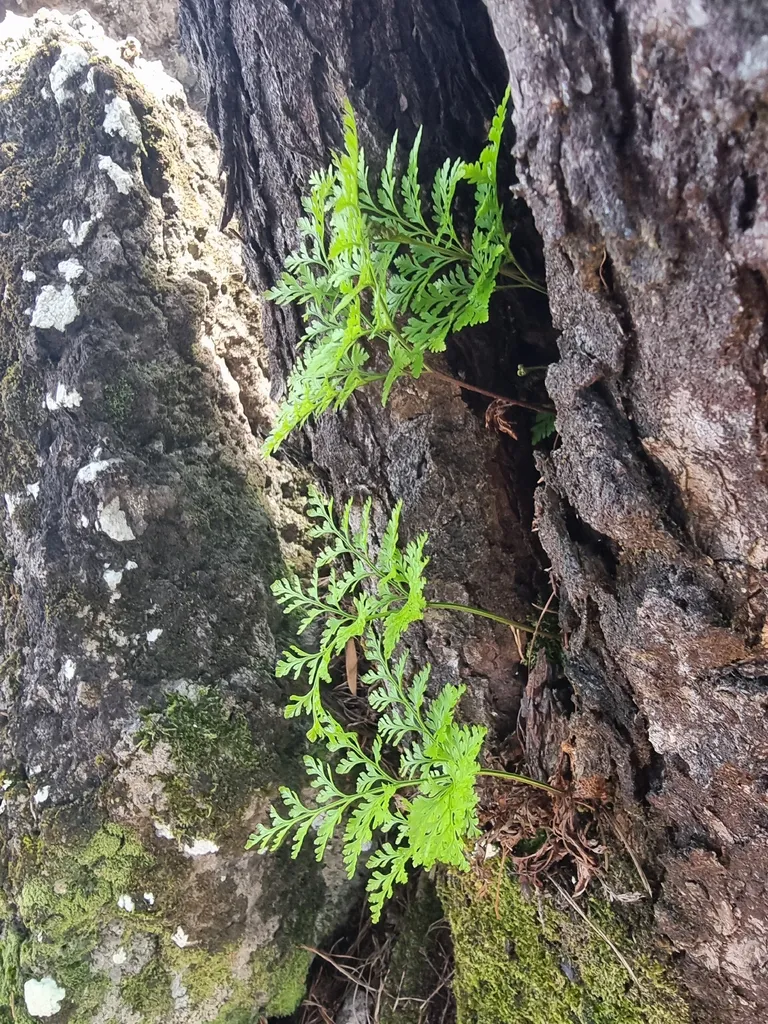
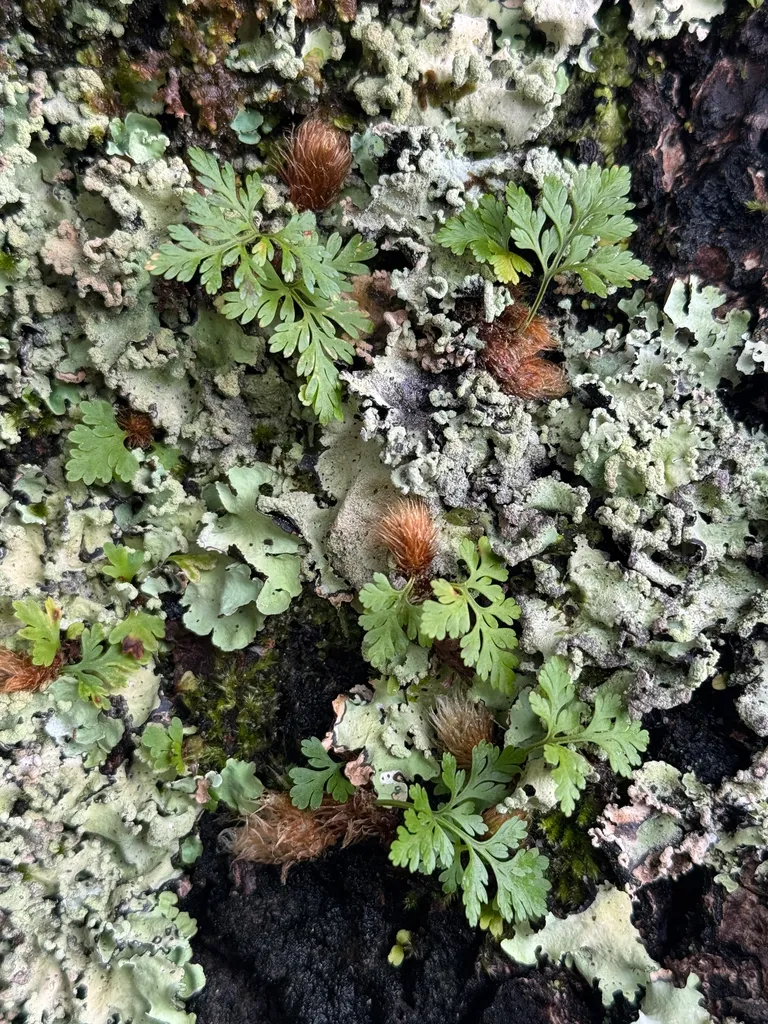
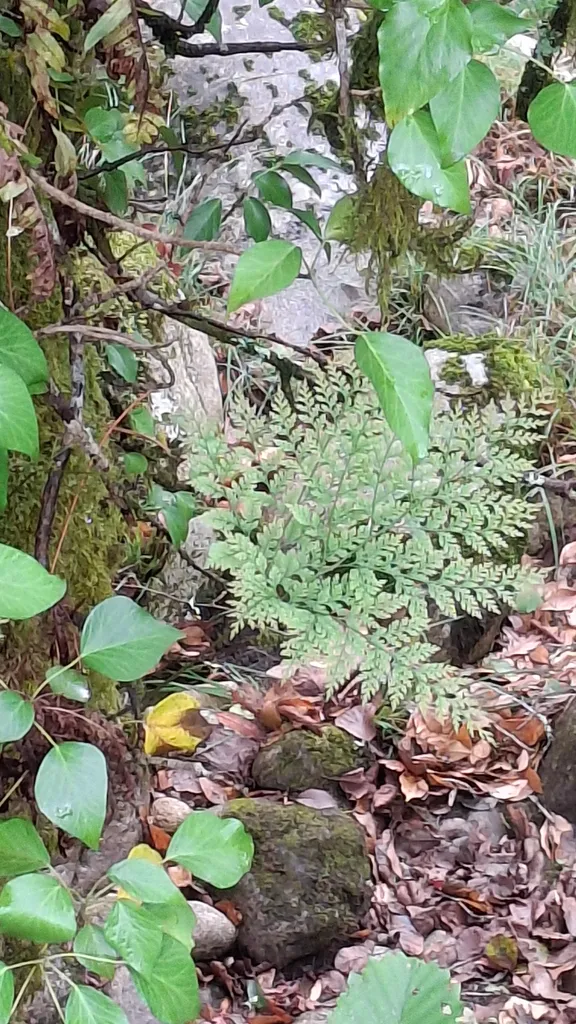
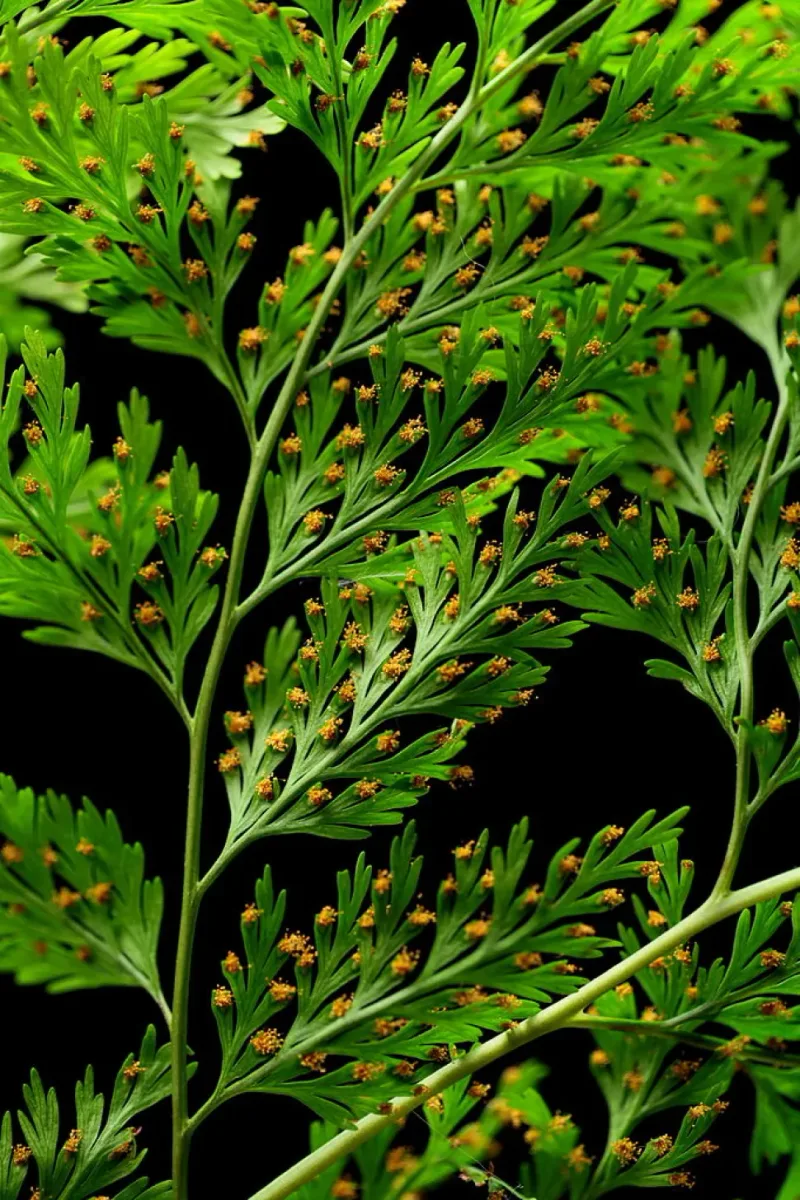
Distribution of deer's foot fern
Distribution map
- Native
- Introduced
- Cultivated
Source:WCVP v16 · Royal Botanic Gardens, Kew · CC BY 3.0 · Boundaries:WGSRPD / TDWG
Culture
Information to be completed
Toxicity
Information to be completed
Quick identification of deer's foot fern
Information to be completed
deer's foot fern care guide
- Moderate regular watering, avoid prolonged drought or waterlogging
- Watering
- Partial shade
- Sunlight
- Information to be completed
- Ideal temperature

Watering
Moderate regular watering, avoid prolonged drought or waterlogging
Fertilizing
 Fertilizing
Balanced feed in spring and light repeat in growth season
Pruning
 Pruning
No pruning required
Propagation
 Propagation
Divide rhizomes in spring, ensuring each division has roots
Growing
 Growing
Grow under glass, or as a houseplant, in equal parts coarse leaf mould or peat substitute, moss, bark, sharp sand, charcoal and pine needles. Requires bright, indirect light and high humidity
People also ask
Information to be completed
Common pests and diseases
Diseases
Generally trouble free
Pests
Generally trouble free
Explore the plant health library →




