
western coneflower
Also known as: Information to be completed
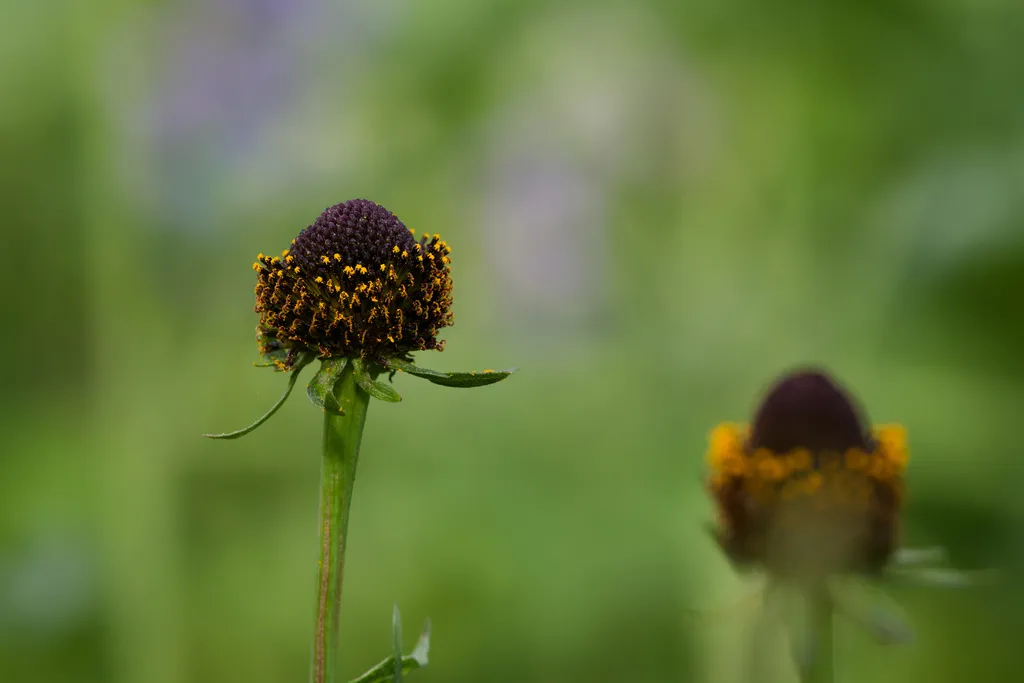
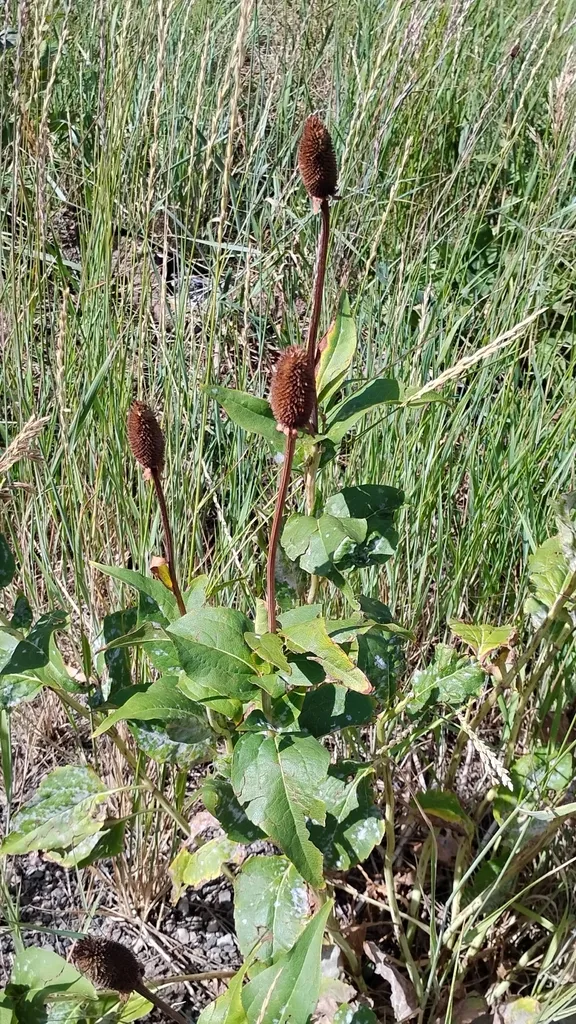
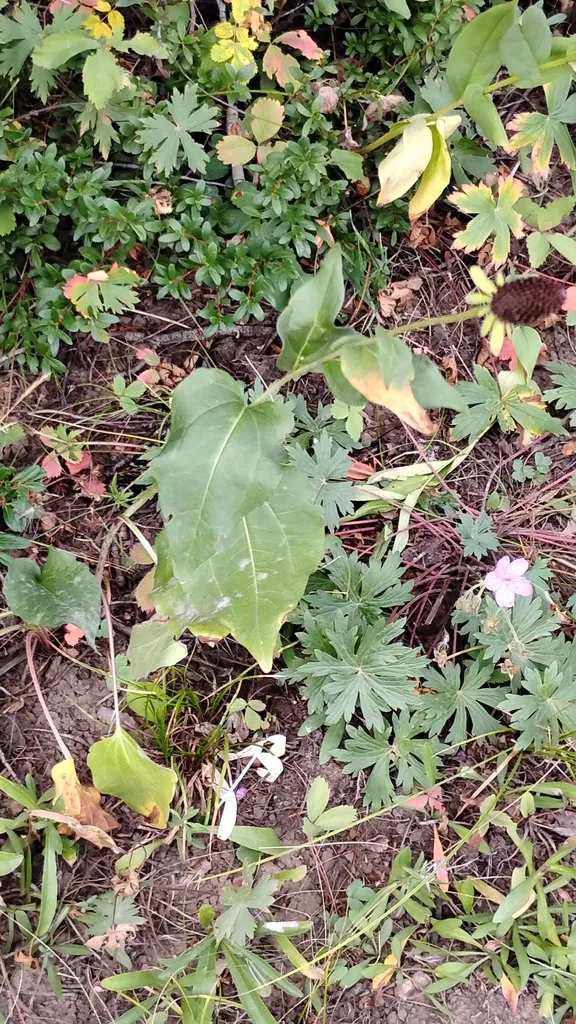
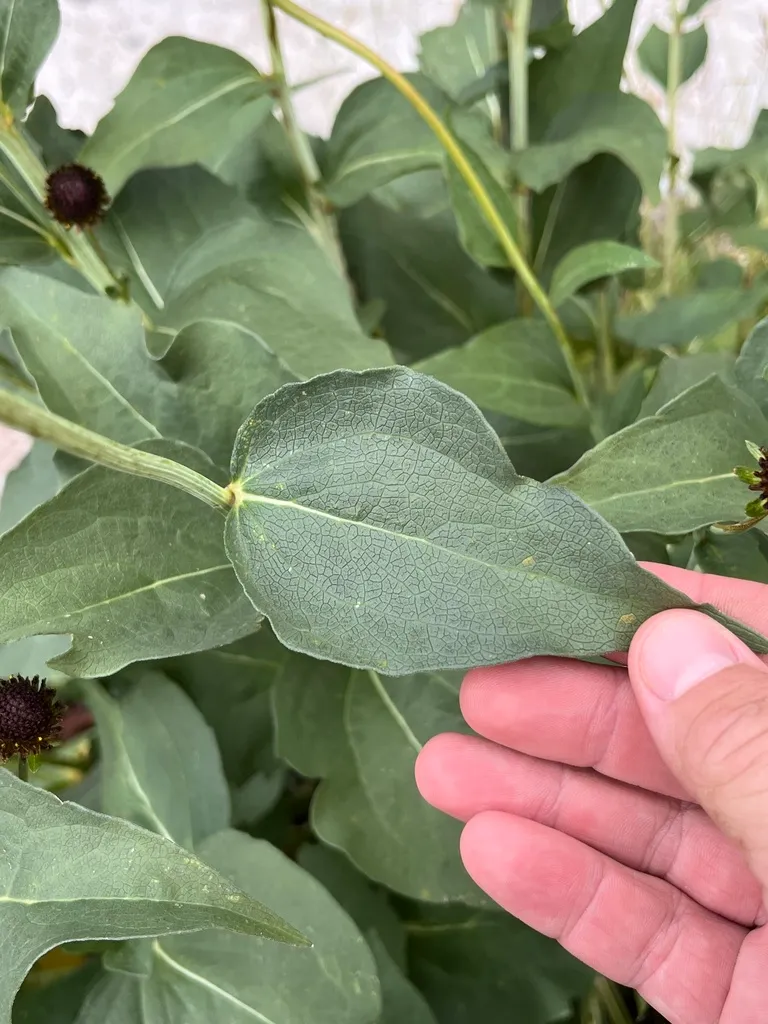
A clump-forming herbaceous perennial, up to 2m high, with oval to lance-shaped green leaves to 30cm long. From mid summer to early autumn, leafy branching stems bear unusual flowers, consisting only of a tall, brown-black cone surrounded by green bracts at the base
Scientific classification
- Species
- western coneflower (Rudbeckia occidentalis)
- Genus
- Rudbeckia
- Family
- Asteraceae
- Order
- Asterales
- Class
- Magnoliopsida
- Phylum
- Magnoliophyta
- Information to be completed
- Toxicity
- Herbaceous Perennial
- Plant type
- 1.5-2.5 metres
- Height
- 0.5-1 metres
- Spread
- Deciduous
- Foliage
- Bushy · Columnar upright
- Habit
- Spring · Summer · Autumn
- Season of interest
- Full sun · Partial shade
- Sunlight
- Information to be completed
- Ideal temperature









western coneflower pictures
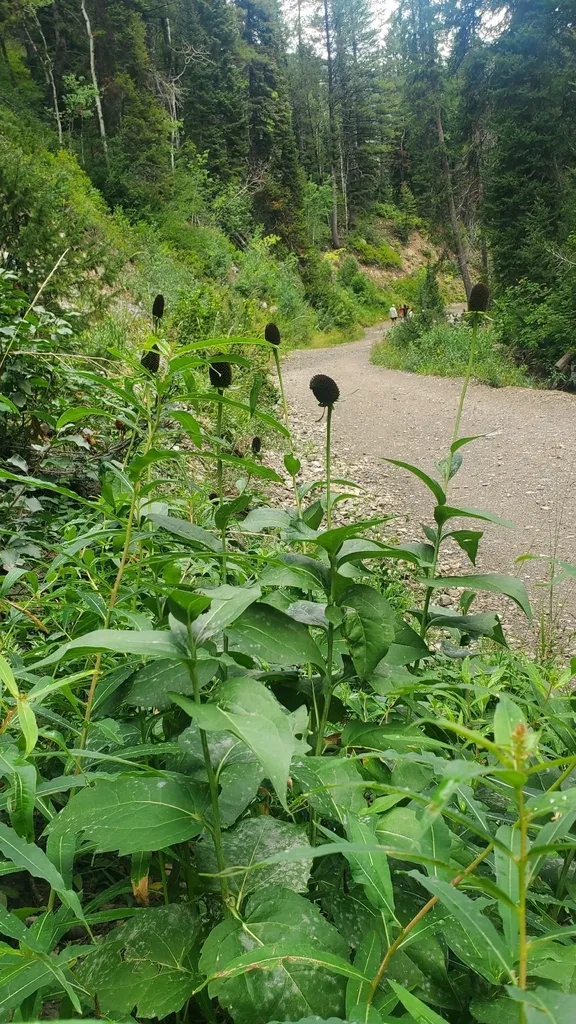
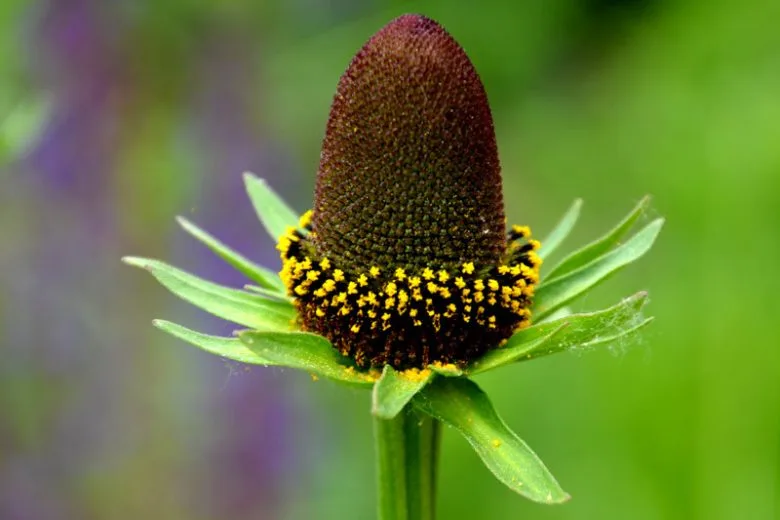
Distribution of western coneflower
Distribution map
- Native
- Introduced
- Cultivated
Source:WCVP v16 · Royal Botanic Gardens, Kew · CC BY 3.0 · Boundaries:WGSRPD / TDWG
western coneflower care guide
- Moderate regular watering, withstand mild dry summer conditions
- Watering
- Full sun · Partial shade
- Sunlight

Watering
Moderate regular watering, withstand mild dry summer conditions
Fertilizing
 Fertilizing
Balanced coneflower feed once every three weeks growing season
Pruning
 Pruning
Spent flowering stems may be cut back, or left to provide winter interest
Propagation
 Propagation
Propagate by seed or by division in spring
Growing
 Growing
Grow in moderately fertile soil that does not dry out. Will tolerate light shade but flowering is best in full sun. Divide every 3-5 years to maintain vigour. See rudbeckia cultivation for more detailed advice
Common pests and diseases
Diseases
May be susceptible to powdery mildews, especially on dry soils
Pests
May be susceptible to aphids, to leaf and bud eelworms, and to slugs on young growth
Explore the plant health library →




