
Pyracantha coccinea 'Red Column'
Also known as: Information to be completed
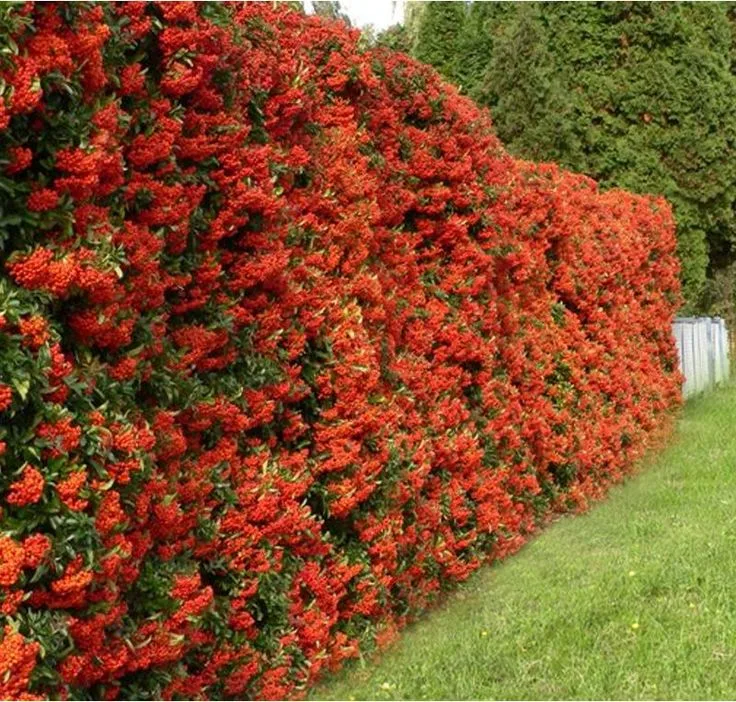
An upright, evergreen shrub with glossy eliptical leaves and spiny stems. Clusters of white flowers are produced in early summer followed by red berries lasting through autumn and into early winter.
Scientific classification
- Species
- Pyracantha coccinea 'Red Column' (Pyracantha coccinea 'Red Column')
- Genus
- Pyracantha
- Family
- Rosaceae
- Fruits are ornamental - not to be eaten. Wear gloves and other protective equipment when handling
- Toxicity
- Shrubs
- Plant type
- 2.5-4 metres
- Height
- 2.5-4 metres
- Spread
- Evergreen
- Foliage
- Columnar upright
- Habit
- Spring · Summer · Autumn · Winter
- Season of interest
- Full sun · Partial shade
- Sunlight
- Information to be completed
- Ideal temperature









Pyracantha coccinea 'Red Column' pictures
Distribution of Pyracantha coccinea 'Red Column'
Distribution map
- Native
- Introduced
- Cultivated
Source:WCVP v16 · Royal Botanic Gardens, Kew · CC BY 3.0 · Boundaries:WGSRPD / TDWG
Culture
Information to be completed
Toxicity
Fruits are ornamental - not to be eaten. Wear gloves and other protective equipment when handling
Quick identification of Pyracantha coccinea 'Red Column'
Information to be completed
Pyracantha coccinea 'Red Column' care guide
- Moderate deep watering during dry periods, free drainage preferred
- Watering
- Full sun · Partial shade
- Sunlight
- Information to be completed
- Ideal temperature

Watering
Moderate deep watering during dry periods, free drainage preferred
Fertilizing
 Fertilizing
Balanced shrub feed once in spring
Pruning
 Pruning
In spring, remove older fruited stems to allow younger stems to ripen and flower next year.
Propagation
 Propagation
Propagate from semi-ripe or hardwood cuttings. Can be grown from seed but specific cultivars will show some differences from the parent plant.
Growing
 Growing
Grow in a fairly fertile, moisture retentive but free draining soil in sun or partial shade. Suitable for training as a wall shrub.
People also ask
Information to be completed
Common pests and diseases
Diseases
May be susceptible to pyracantha scab, honey fungus and fireblight
Pests
May be susceptible to aphids, woolly aphid, caterpillars, brown scale and leaf-mining moths
Explore the plant health library →




