
German ivy
Also known as: Cape ivy; climbing groundsel; parlor ivy; parlour ivy; yellow German ivy
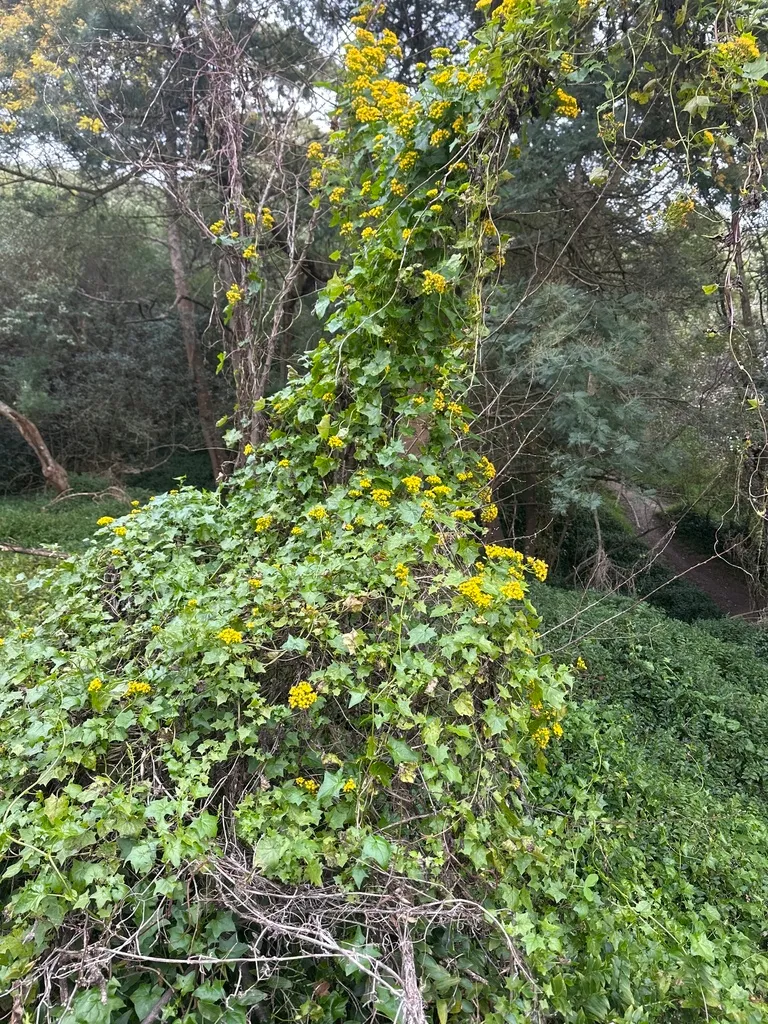
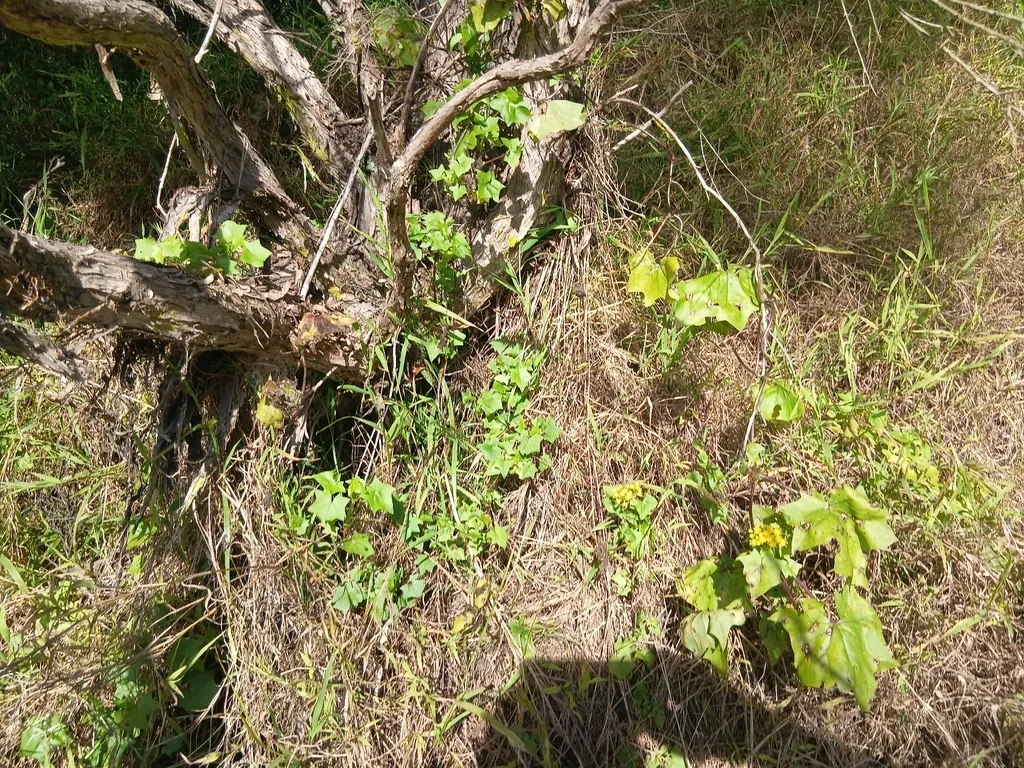
An evergreen,frost-tender, semi-woody, twining climber to 3m or more or groundcover plant with trailing stems up to 3m long. Fleshy, glossy leaves up to 8cm long have 5-7 shallow but sharply-pointed lobes. Mature plants bear clusters of small, yellow flowerheads in autumn and winter. Generally grown in the UK as a houseplant
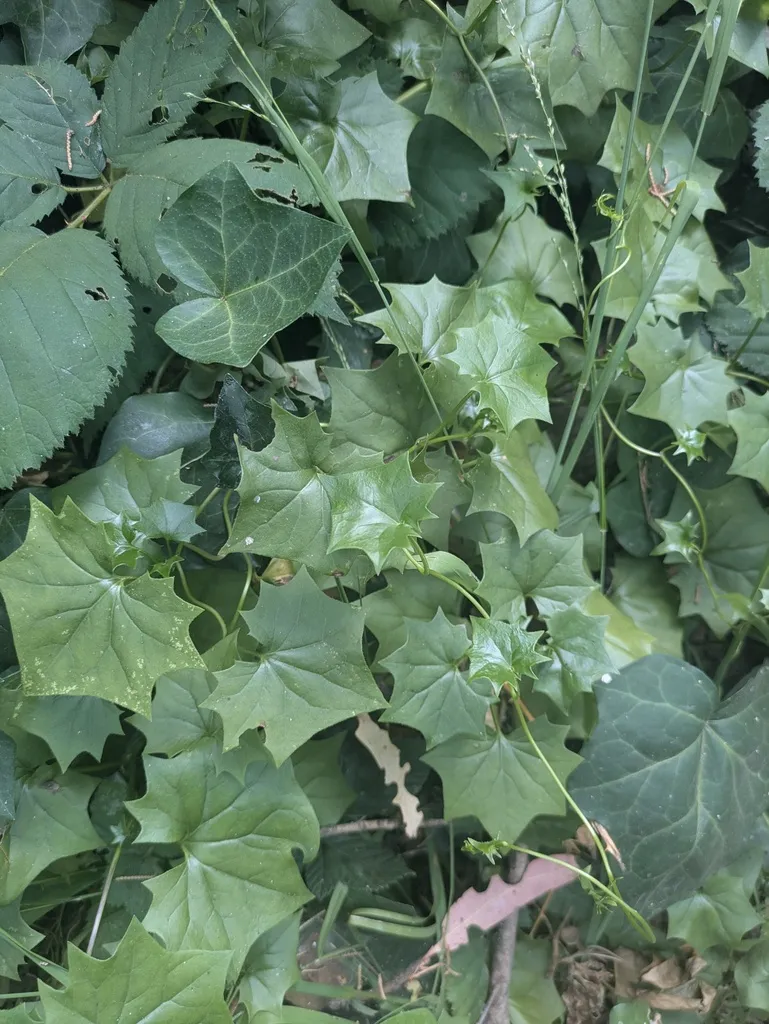
Scientific classification
- Species
- German ivy (Delairea odorata)
- Genus
- Delairea
- Family
- Asteraceae
- Order
- Asterales
- Class
- Magnoliopsida
- Phylum
- Magnoliophyta
- Information to be completed
- Toxicity
- Houseplants
- Plant type
- 2.5-4 metres
- Height
- 2.5-4 metres
- Spread
- Evergreen
- Foliage
- Climbing · Trailing
- Habit
- Spring · Summer · Autumn · Winter
- Season of interest
- Full sun · Partial shade
- Sunlight
- Information to be completed
- Ideal temperature









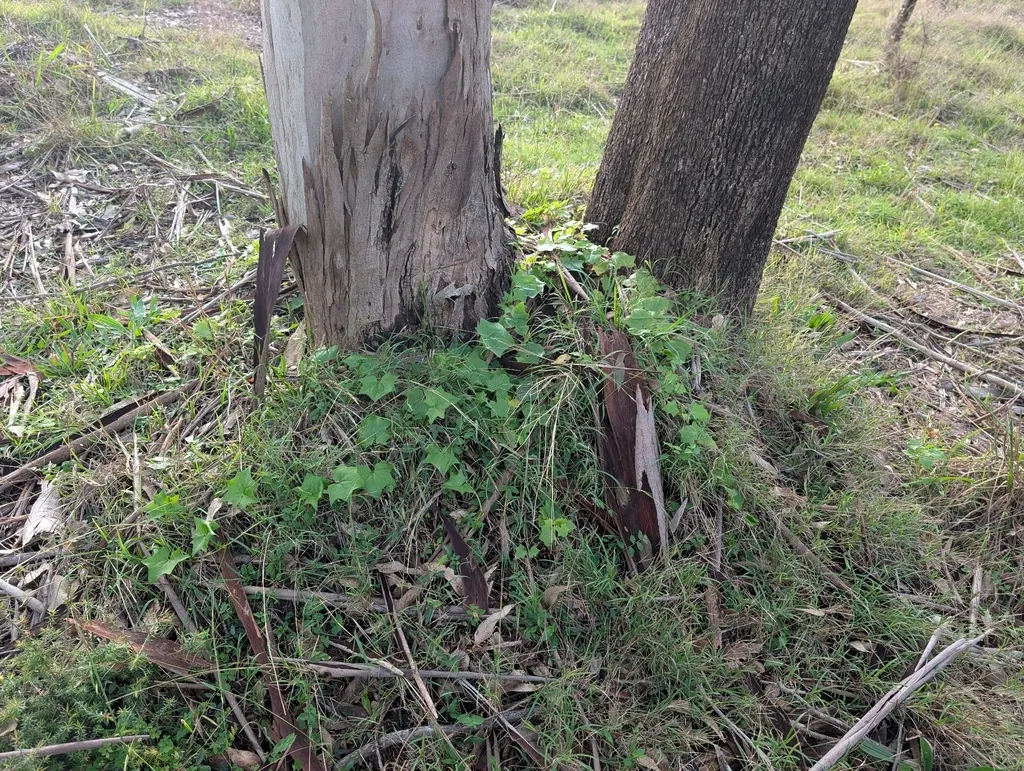
German ivy pictures
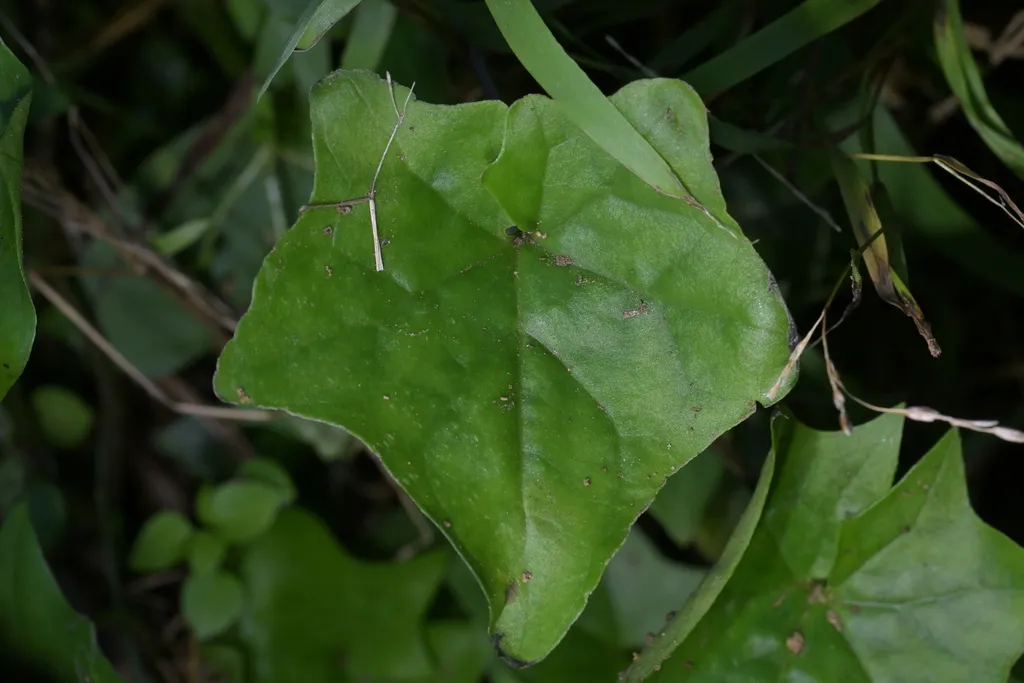
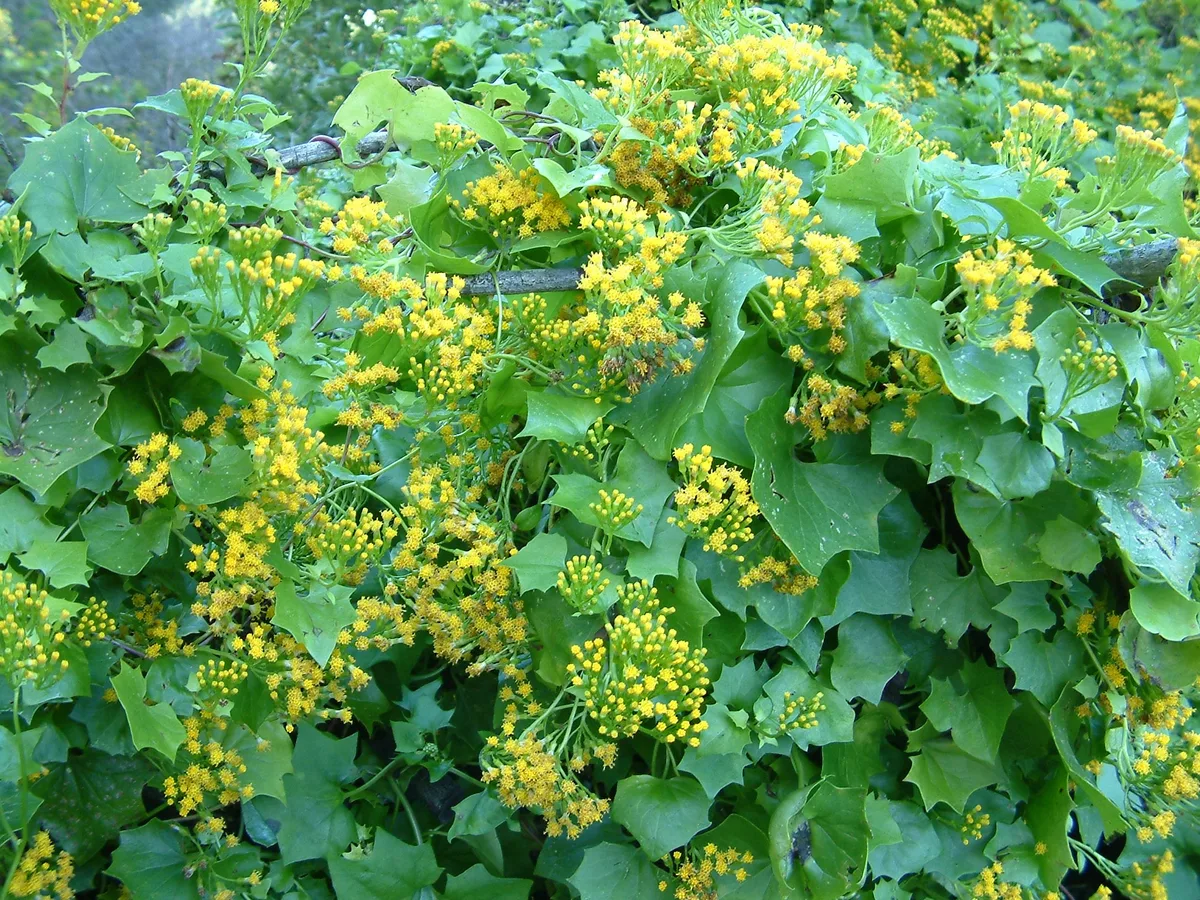
Distribution of German ivy
Distribution map
- Native
- Introduced
- Cultivated
Source:WCVP v16 · Royal Botanic Gardens, Kew · CC BY 3.0 · Boundaries:WGSRPD / TDWG
German ivy care guide
- Moderate regular watering, allowing brief slight drying between soakings
- Watering
- Full sun · Partial shade
- Sunlight

Watering
Moderate regular watering, allowing brief slight drying between soakings
Fertilizing
 Fertilizing
Balanced perennial feed every four weeks from spring through summer
Pruning
 Pruning
No pruning required
Propagation
 Propagation
Propagate by seed or by stem cuttings
Growing
 Growing
Grow outdoors in any moist but well-drained soil in full sun or partial shade with shelter from frosts
Common pests and diseases
Diseases
Generally disease-free
Pests
Generally pest-free
Explore the plant health library →




