
Dendrobium cuthbertsonii
Also known as: Information to be completed
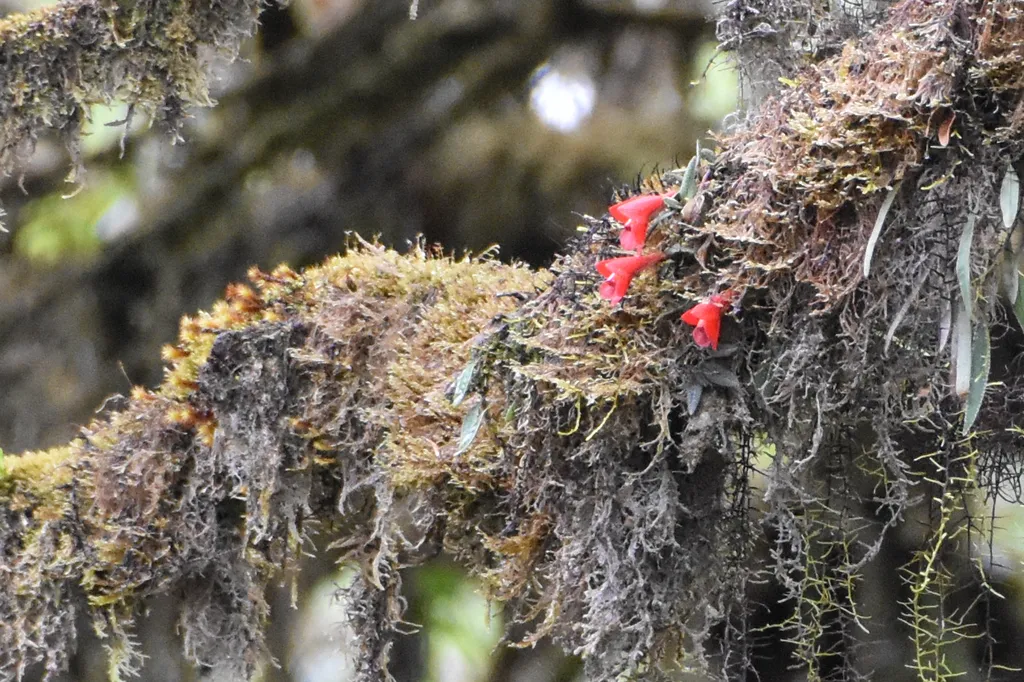
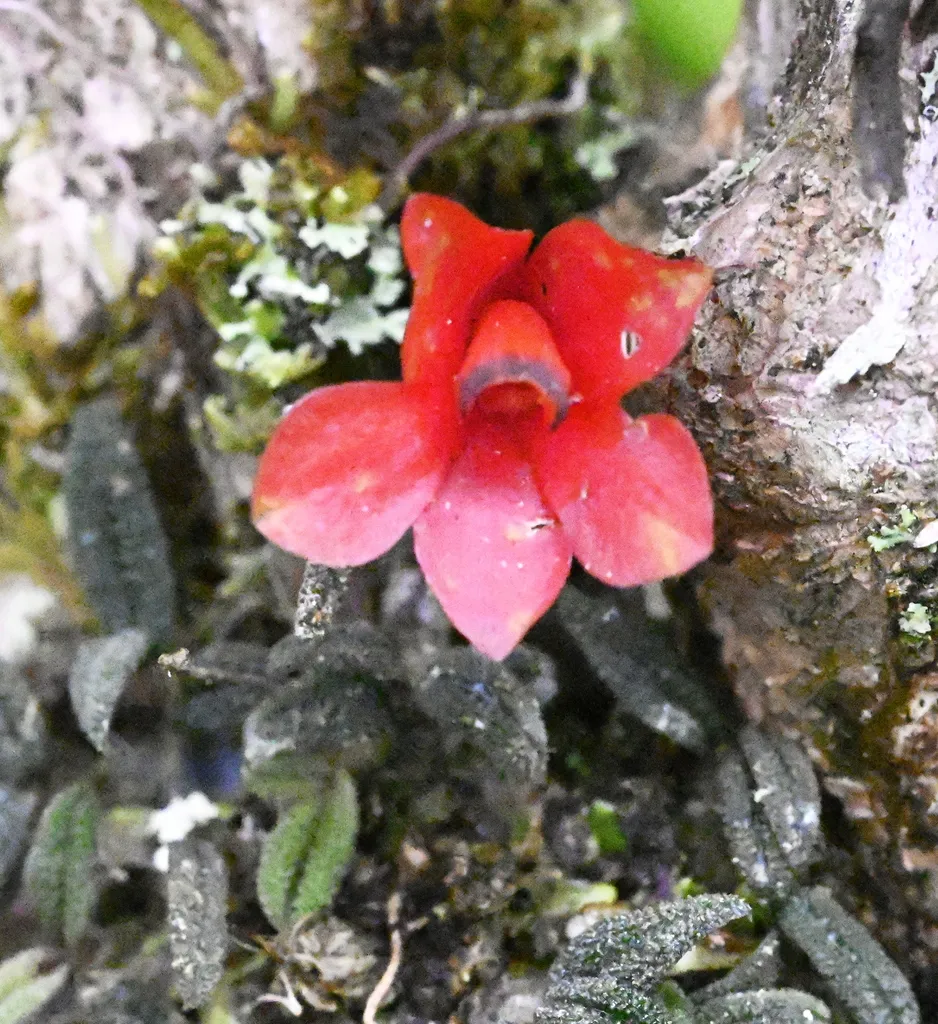
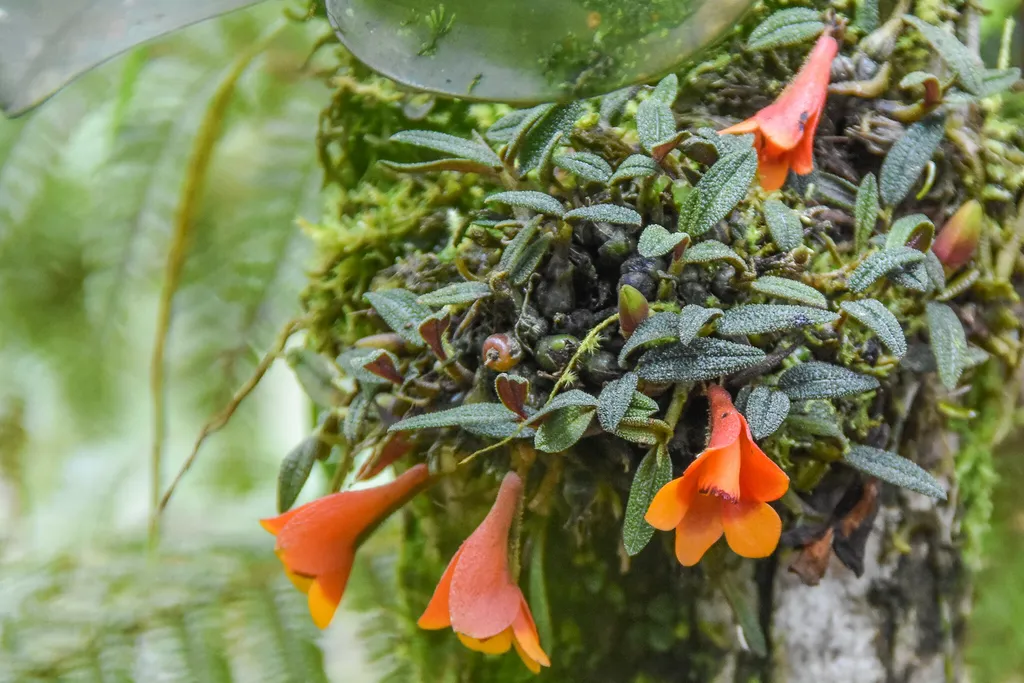
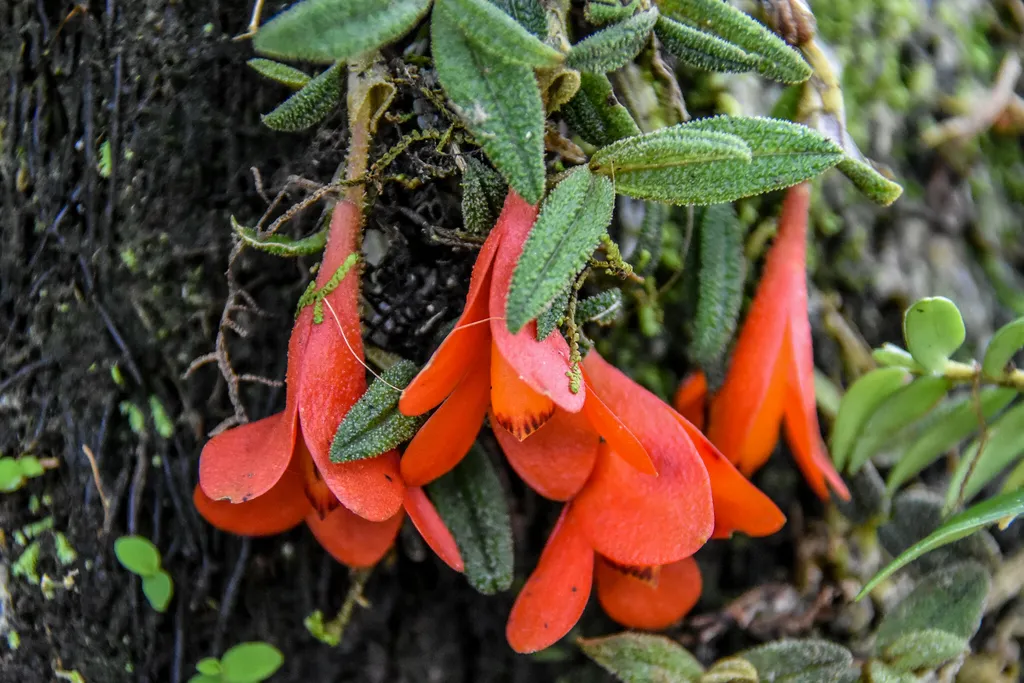
A miniature, epiphytic or lithophytic orchid with clump-forming, 5-8cm long stems carrying fleshy, rough-textured leaves. Each small, lance-shaped leaf is 0.5-4cm long. Solitary flowers appear on short stems from mature pseudobulbs. The flowers are 3-4cm large, and vary in colour from white, through pale pink to orange, dark red and can also be two-toned.
Scientific classification
- Species
- Dendrobium cuthbertsonii (Dendrobium cuthbertsonii)
- Genus
- Dendrobium
- Family
- Orchidaceae
- Information to be completed
- Toxicity
- Conservatory Greenhouse
- Plant type
- Up to 10 cm
- Height
- 0-0.1 metre
- Spread
- Evergreen
- Foliage
- Clump forming
- Habit
- Spring · Summer · Autumn · Winter
- Season of interest
- Partial shade · Full sun
- Sunlight
- Information to be completed
- Ideal temperature









Dendrobium cuthbertsonii pictures
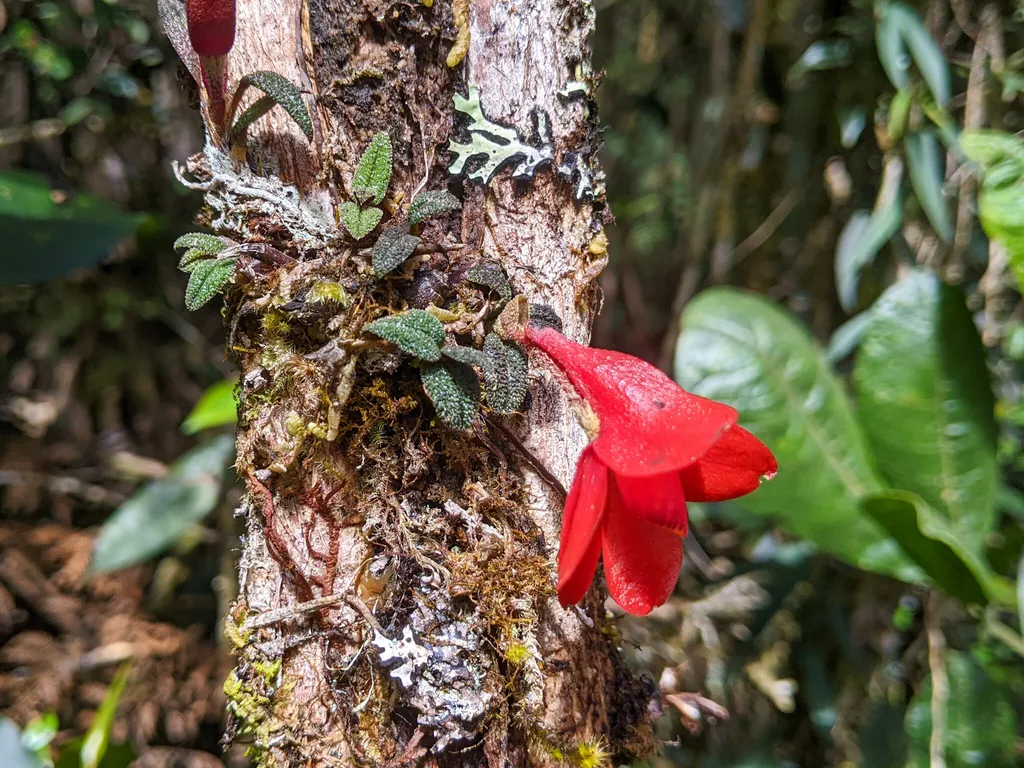
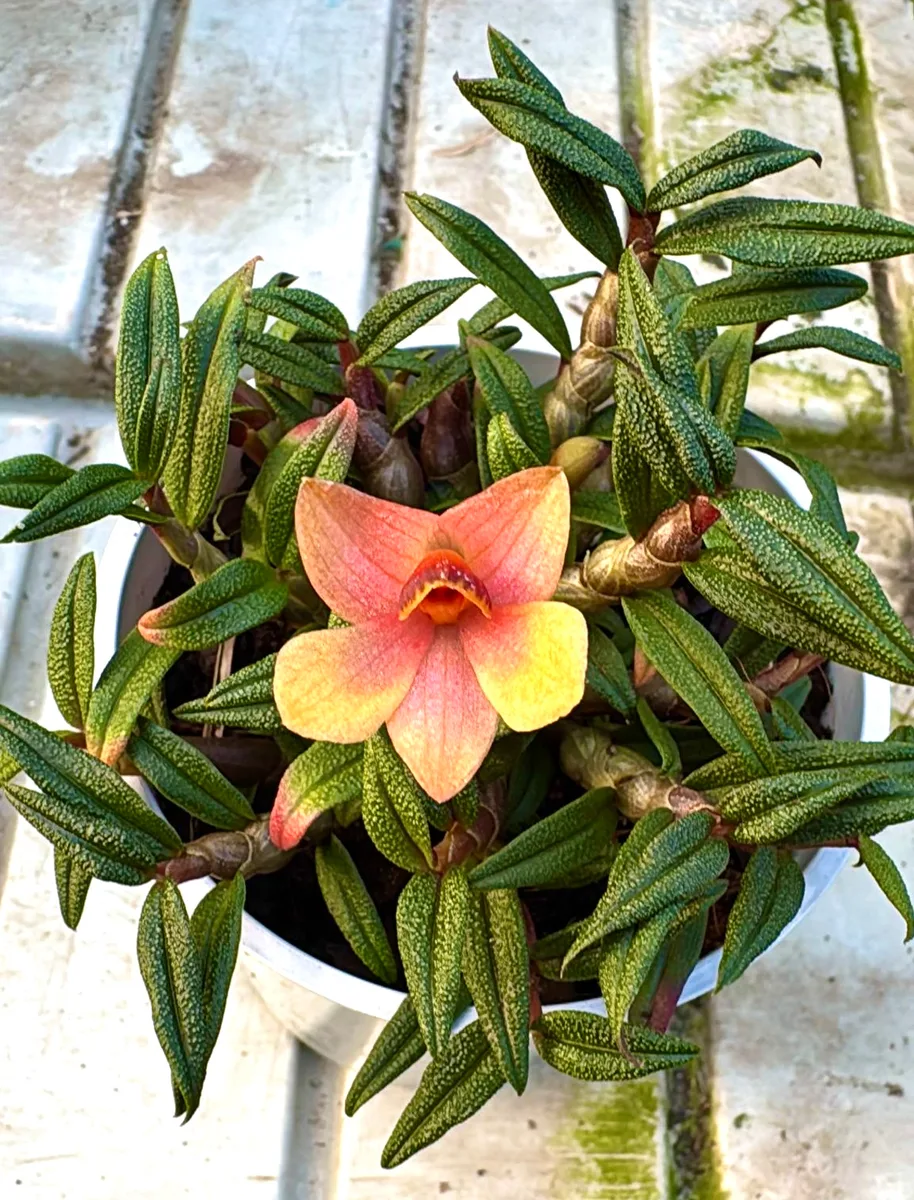
Distribution of Dendrobium cuthbertsonii
Distribution map
New Guinea
Information to be completed
Culture
Information to be completed
Toxicity
Information to be completed
Quick identification of Dendrobium cuthbertsonii
Information to be completed
Dendrobium cuthbertsonii care guide
- Keep medium lightly moist with excellent aeration
- Watering
- Partial shade · Full sun
- Sunlight
- Information to be completed
- Ideal temperature

Watering
Keep medium lightly moist with excellent aeration
Fertilizing
 Fertilizing
Half-strength orchid feed every few weeks in growth
Pruning
 Pruning
No pruning required.
Propagation
 Propagation
 by seed is only possible in controlled laboratory environment.
Growing
 Growing
This tropical, highland orchid species requires specific growing conditions to grow well. Plants are best grown in pot with fresh sphagnum moss, or mounted if sufficient humidity can be provided. Moss should be replaced regularly - every, or every other spring when the new growth starts. Humidity of over 80% and excellent air movement are essential. To grow well, plant requires a temperature of 10-15°C between day and night. This species has exceptionally long-lasting flowers that can last up to one year if grown in optimal environment. See indoor orchid cultivation
People also ask
Information to be completed
Common pests and diseases
Diseases
Generally disease-free.
Pests
May be susceptible to scale insects, aphids, mealybugs and glasshouse red spider mite.
Explore the plant health library →




