
cut-leaved philodendron
Also known as: Information to be completed
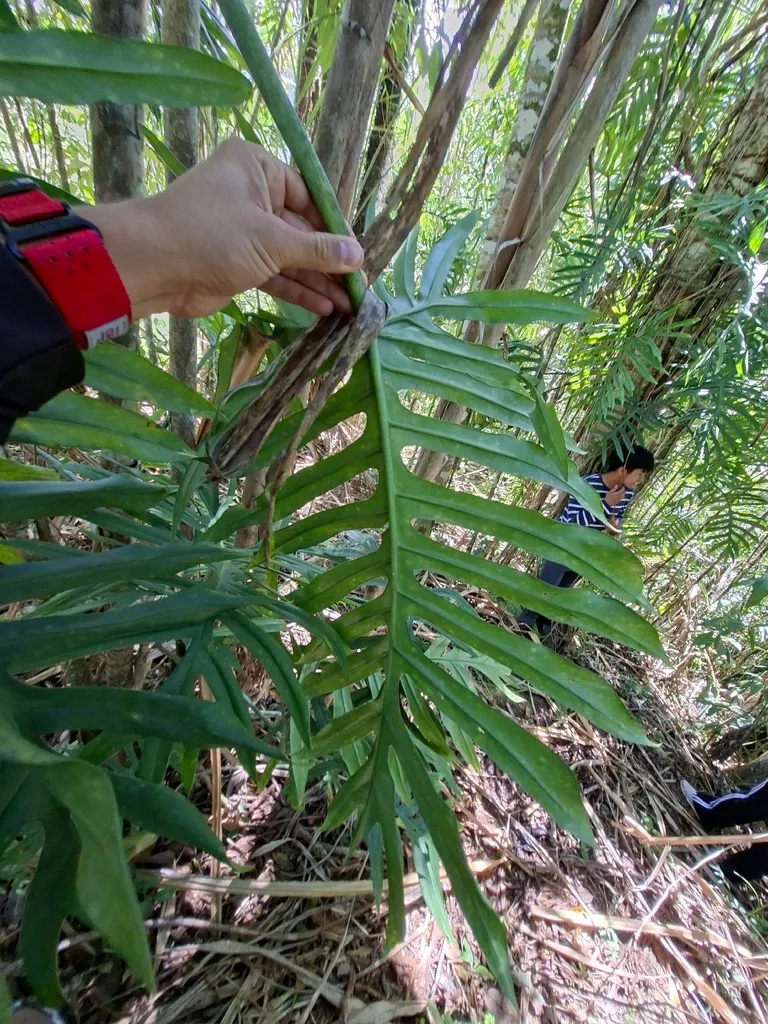
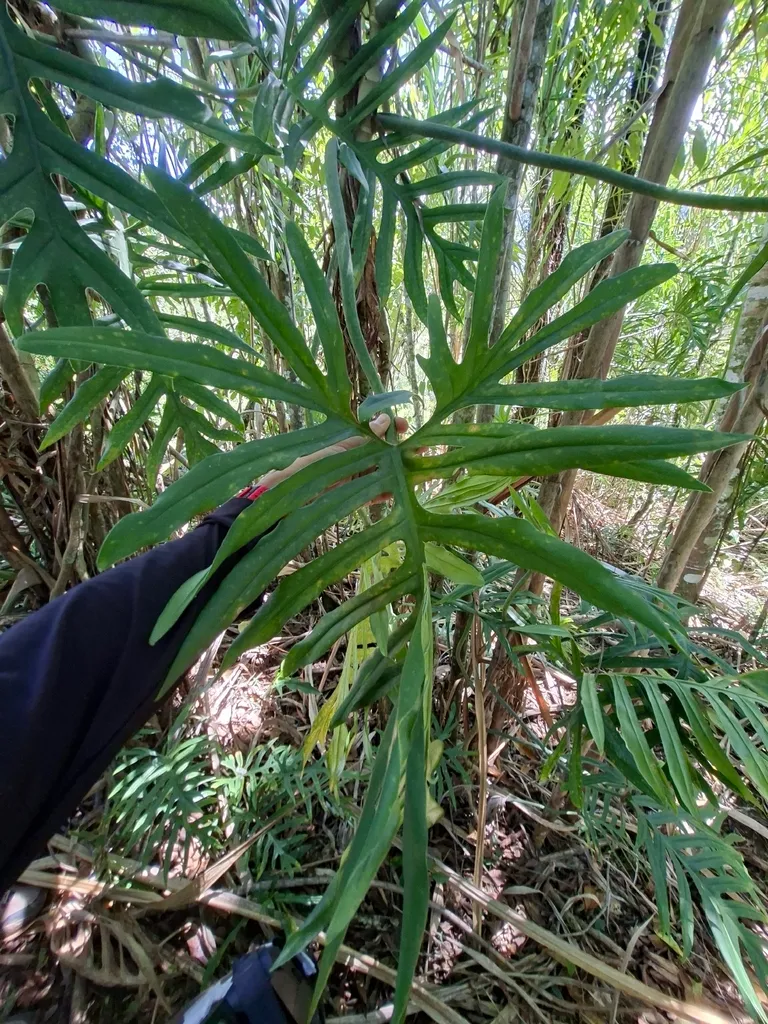
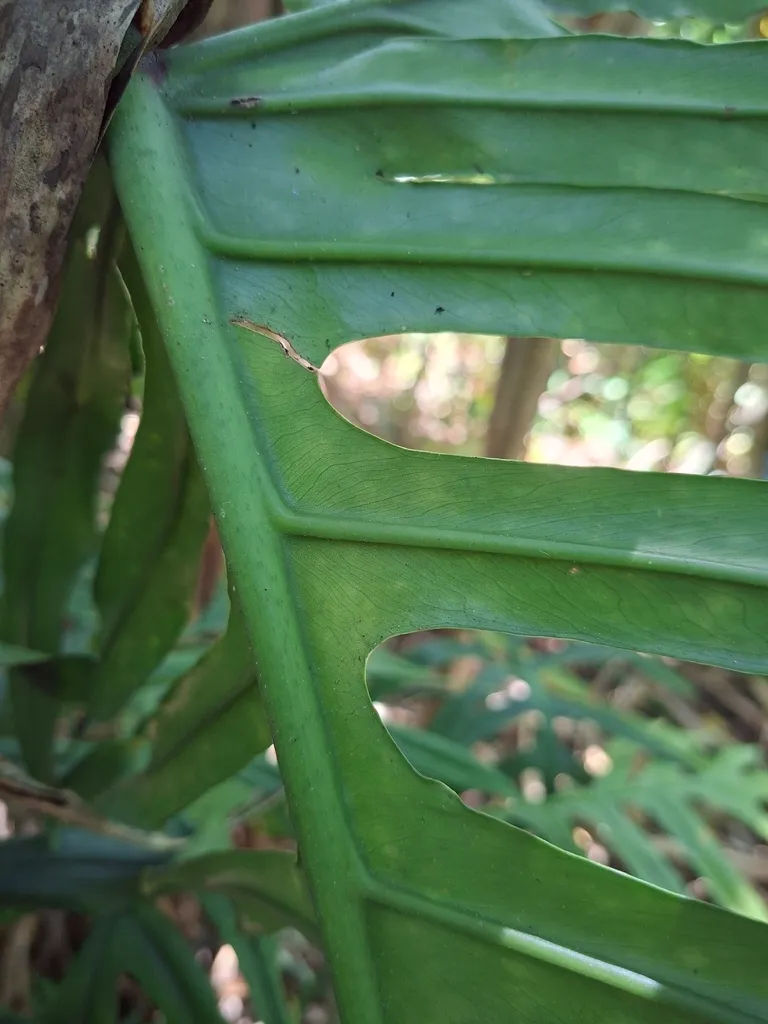
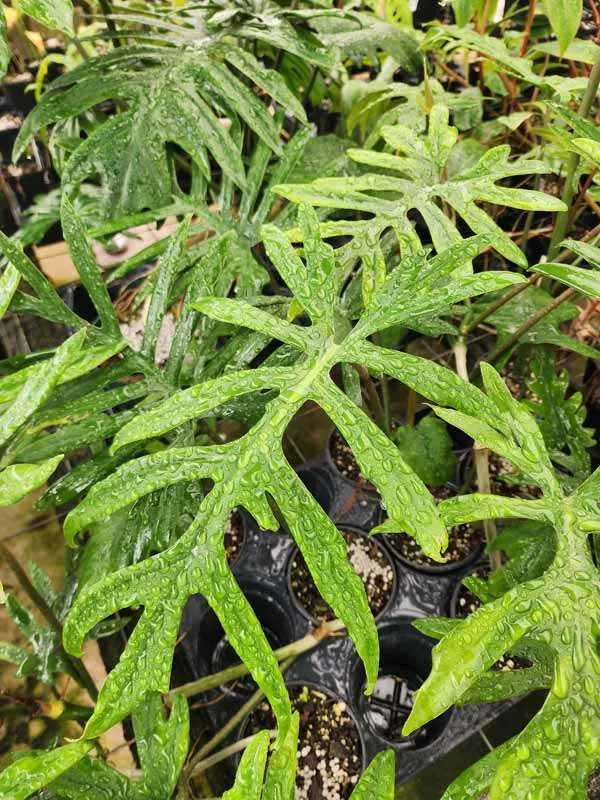
P. angustisectum is an evergreen climber with aerial roots, to 5m in height, with glossy dark green leaves to 60cm in length, pinnately divided into narrow lobes. Pink-flushed green spathes 15cm in length produced occasionally
Scientific classification
- Species
- cut-leaved philodendron (Philodendron angustisectum)
- Genus
- Philodendron
- Family
- Araceae
- Harmful if eaten, skin/eye irritant/allergen. Wear gloves and other protective equipment when handling]
- Toxicity
- Climber Wall Shrub · Conservatory Greenhouse
- Plant type
- 4-8 metres
- Height
- 0.5-1 metres
- Spread
- Evergreen
- Foliage
- Climbing
- Habit
- Spring · Summer · Autumn · Winter
- Season of interest
- Partial shade
- Sunlight
- Information to be completed
- Ideal temperature









cut-leaved philodendron pictures
Distribution of cut-leaved philodendron
Distribution map
Southern America
Information to be completed
Culture
Information to be completed
Toxicity
Harmful if eaten, skin/eye irritant/allergen. Wear gloves and other protective equipment when handling]
Quick identification of cut-leaved philodendron
Information to be completed
cut-leaved philodendron care guide
- Moderate regular watering, avoid prolonged drought and stagnant waterlogging
- Watering
- Partial shade
- Sunlight
- Information to be completed
- Ideal temperature

Watering
Moderate regular watering, avoid prolonged drought and stagnant waterlogging
Fertilizing
 Fertilizing
Balanced perennial feed every four weeks spring through summer growth
Pruning
 Pruning
Routine pruning is unnecessary; shorten overlong shoots to fit the available space. Prune in spring.
Propagation
 Propagation
Propagate by seed surface sown at 19 to 24°C in spring or layer in spring
Growing
 Growing
Grow under glass in a loam-based potting compost in bright filtered light with shade from hot sun, mist daily. When in growth water moderately and apply a balanced liquid fertilizer monthly. Water sparingly at other times
People also ask
Information to be completed
Common pests and diseases
Diseases
Generally disease-free
Pests
May be susceptible to scale insects and glasshouse red spider mite
Explore the plant health library →




