
pink rock orchid
Also known as: Information to be completed
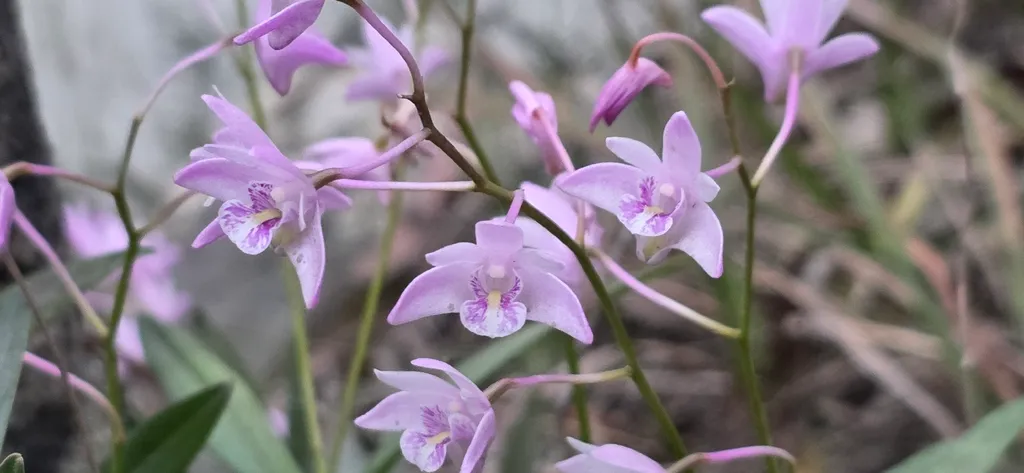
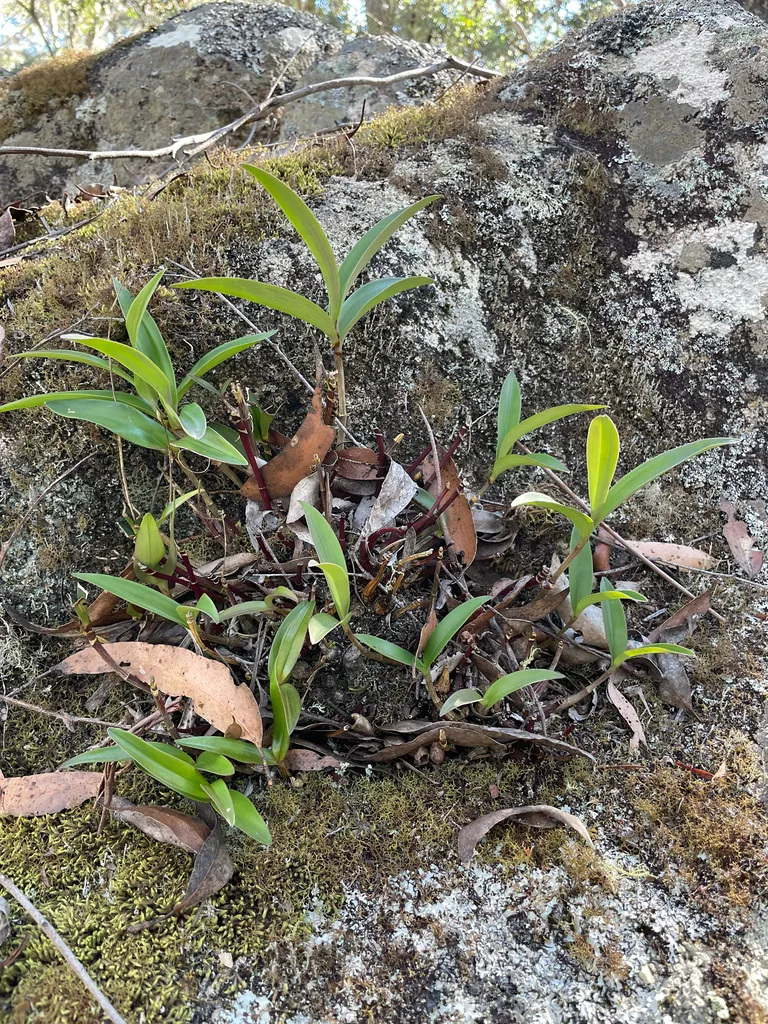
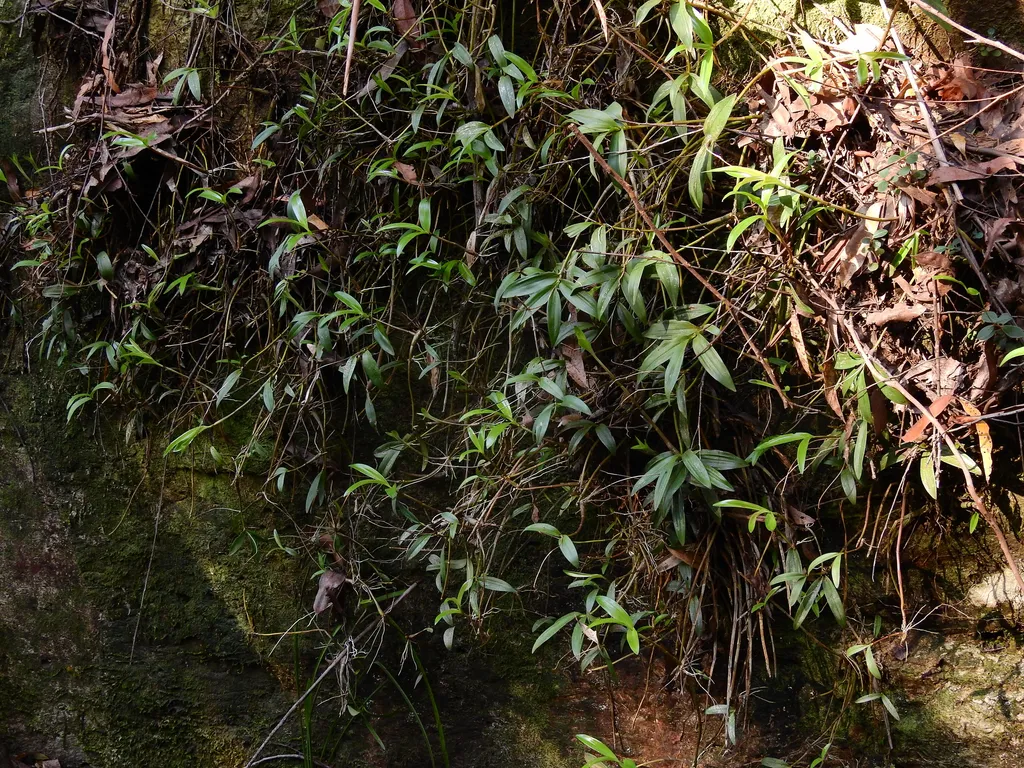
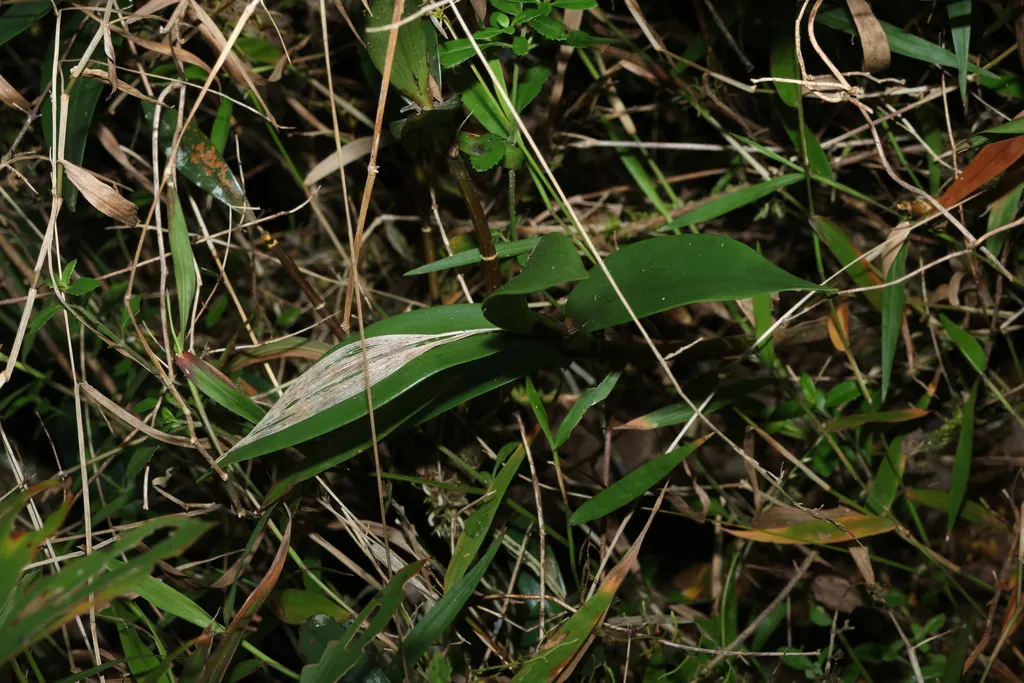
An epiphytic orchid with erect stems and up to 6, 3-10cm leaves produced from the upper portions of narrowly conical pseudobulbs. Fragrant pink, purple or white flowers with a crimson or purple veined or blotched lip, to 4cm across are produced in racemes to 15cm long from the pseudobulb tips in early spring
Scientific classification
- Species
- pink rock orchid (Dendrobium kingianum)
- Genus
- Dendrobium
- Family
- Orchidaceae
- Information to be completed
- Toxicity
- Conservatory Greenhouse
- Plant type
- 0.1-0.5 metres
- Height
- 0.1-0.5 metres
- Spread
- Information to be completed
- Foliage
- Columnar upright
- Habit
- Spring
- Season of interest
- Partial shade
- Sunlight
- Information to be completed
- Ideal temperature









pink rock orchid pictures
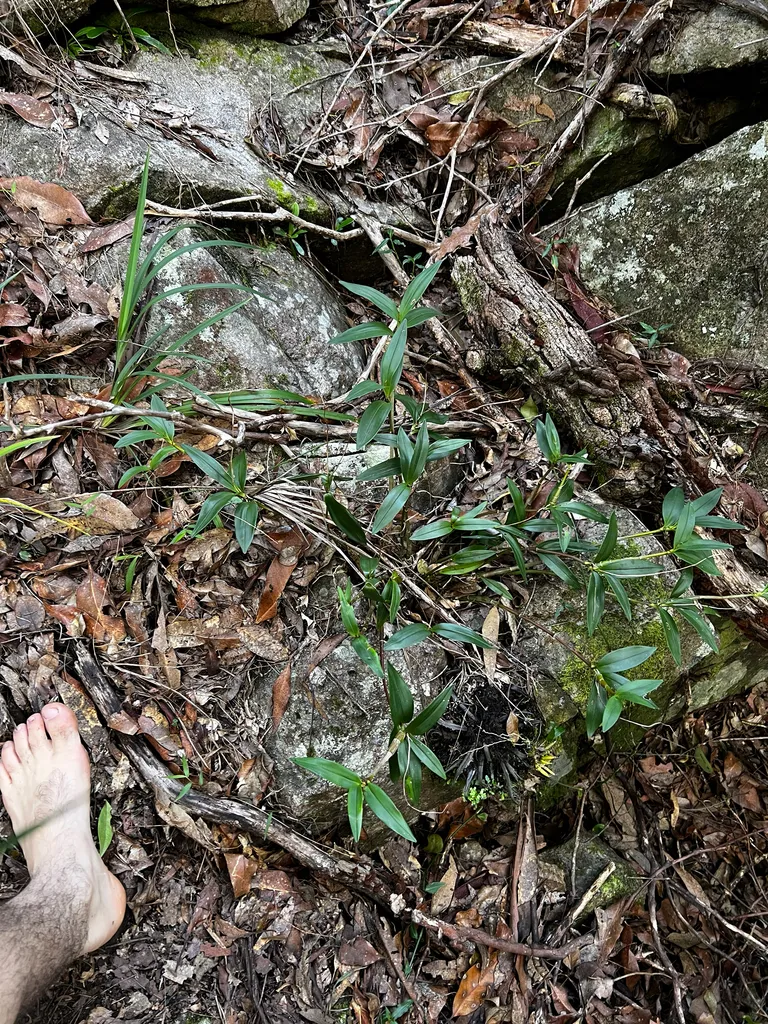
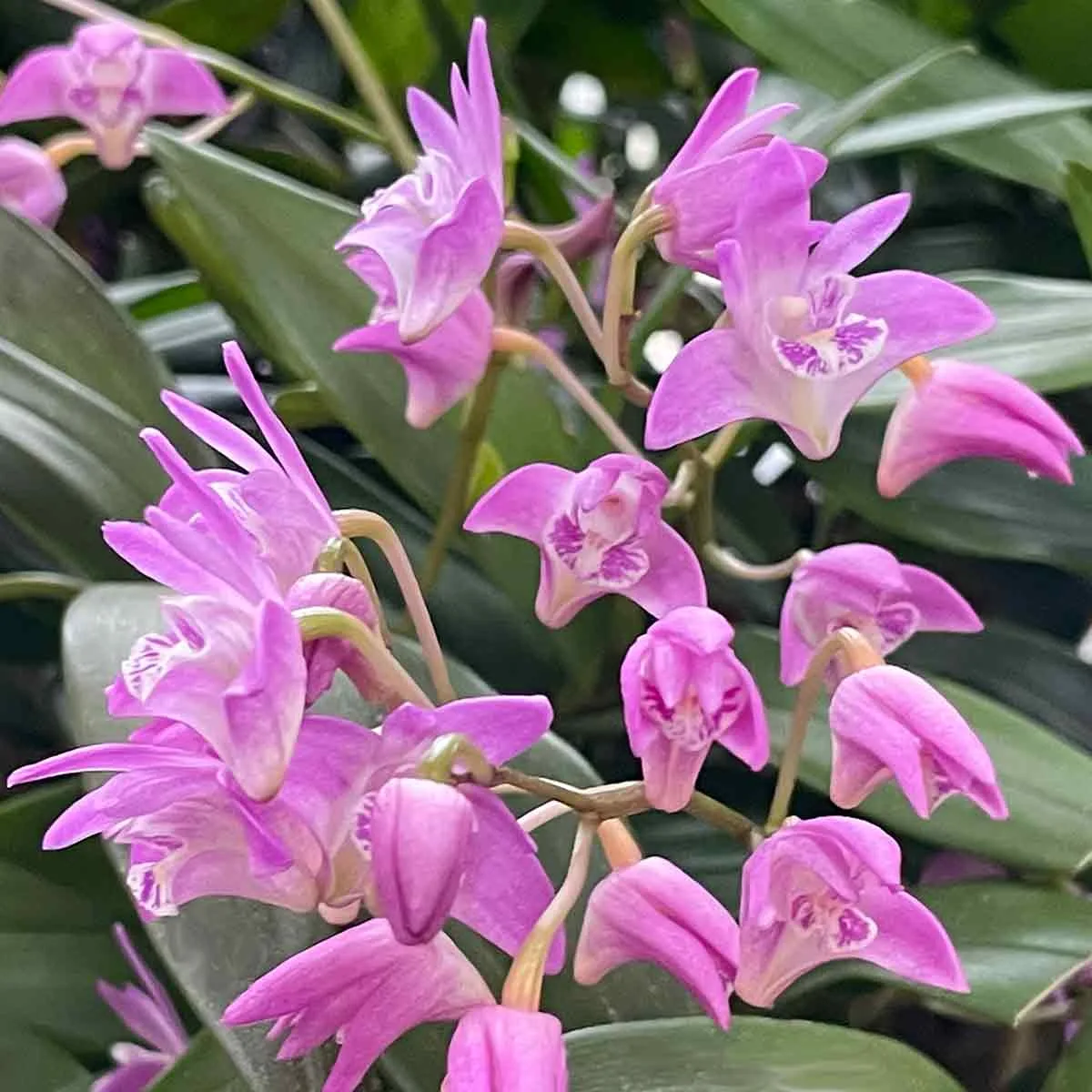
Distribution of pink rock orchid
Distribution map
Australia
Information to be completed
Culture
Information to be completed
Toxicity
Information to be completed
Quick identification of pink rock orchid
Information to be completed
pink rock orchid care guide
- Keep potting medium lightly moist, airy, and never stagnant
- Watering
- Partial shade
- Sunlight
- Information to be completed
- Ideal temperature

Watering
Keep potting medium lightly moist, airy, and never stagnant
Fertilizing
 Fertilizing
Half-strength orchid feed every two to three weeks in active growth
Pruning
 Pruning
No pruning required. Remove spent flowers as necessary.
Propagation
 Propagation
Propagate from division or from keikis. Pot keikis when their roots are 2cm long
Growing
 Growing
Grow in an open medium with plenty of light, fresh air and good humidity. In spring and summer, water when compost starts to dry out. In winter, reduce watering and allow a 4 week period of daytime temperature around 8°C to encourage flowering. Feed regularly when in growth. See Orchids: indoor cultivation for further information
People also ask
Information to be completed
Common pests and diseases
Diseases
Generally disease free
Pests
Susceptible to aphids, glasshouse red spider mite and mealybugs
Explore the plant health library →




