
noble dendrobium
Also known as: noble rock orchid
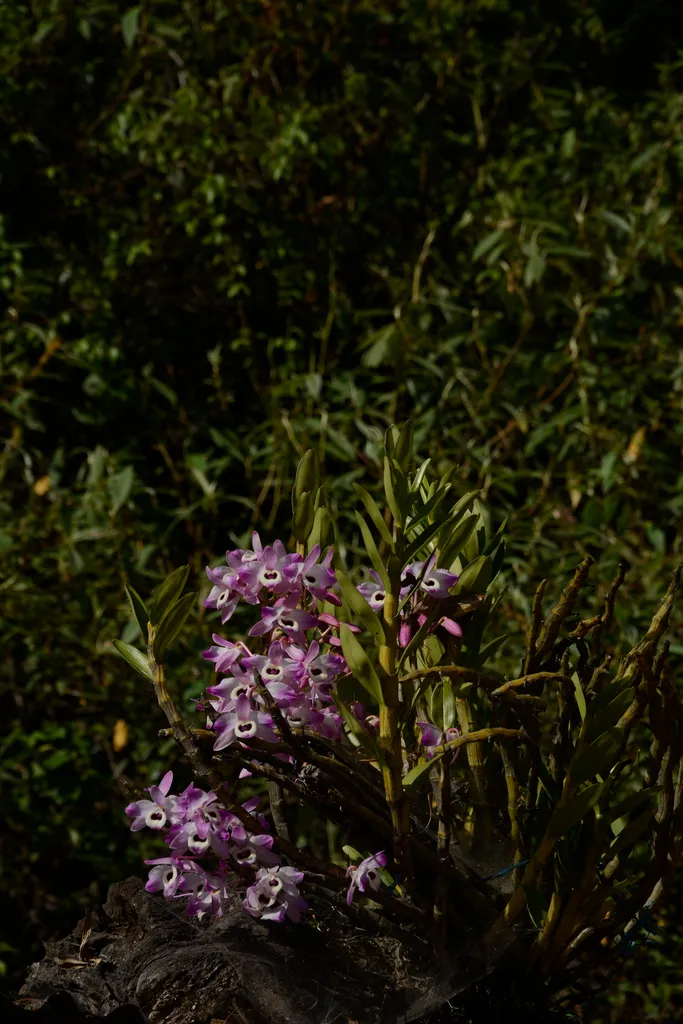
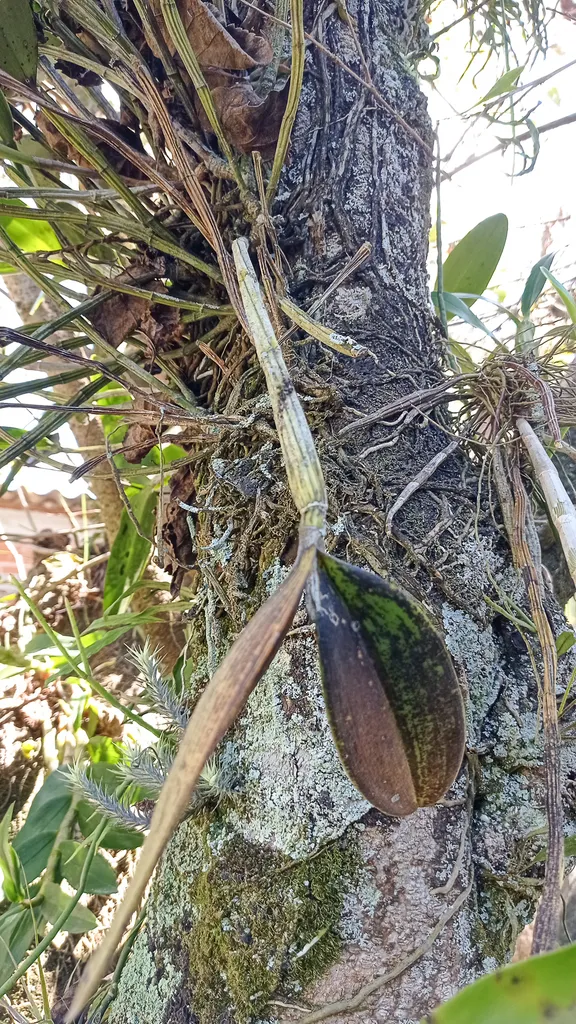
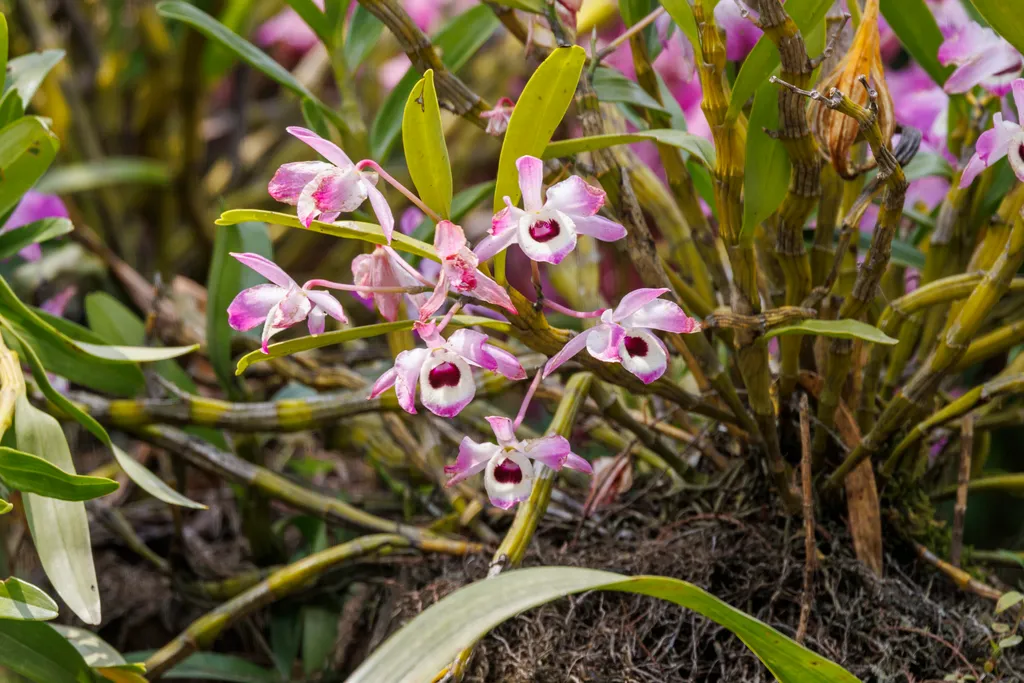
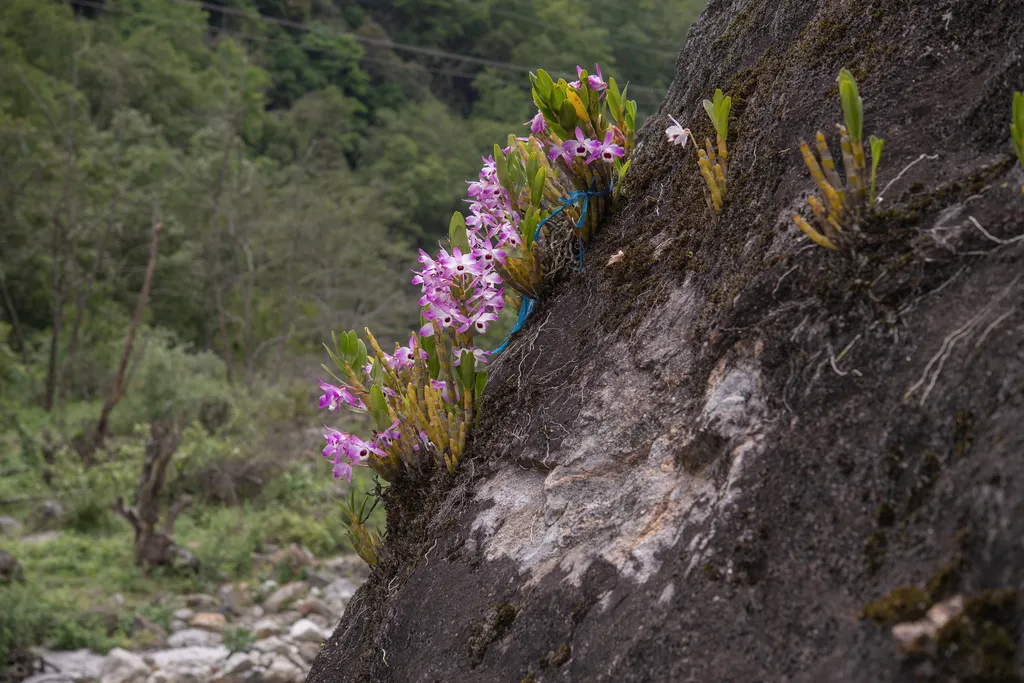
An epiphytic orchid often evergreen in cultivation to 30cm tall and with oval leaves 5-8cm long. Trusses of fragrant, rose-pink flowers to 5cm across and with a maroon lip are borne from winter into spring
Scientific classification
- Species
- noble dendrobium (Dendrobium nobile)
- Genus
- Dendrobium
- Family
- Orchidaceae
- Information to be completed
- Toxicity
- Conservatory Greenhouse · Houseplants
- Plant type
- 0.1-0.5 metres
- Height
- 0.1-0.5 metres
- Spread
- Semi evergreen
- Foliage
- Columnar upright
- Habit
- Spring · Summer · Autumn · Winter
- Season of interest
- Partial shade
- Sunlight
- Information to be completed
- Ideal temperature









noble dendrobium pictures
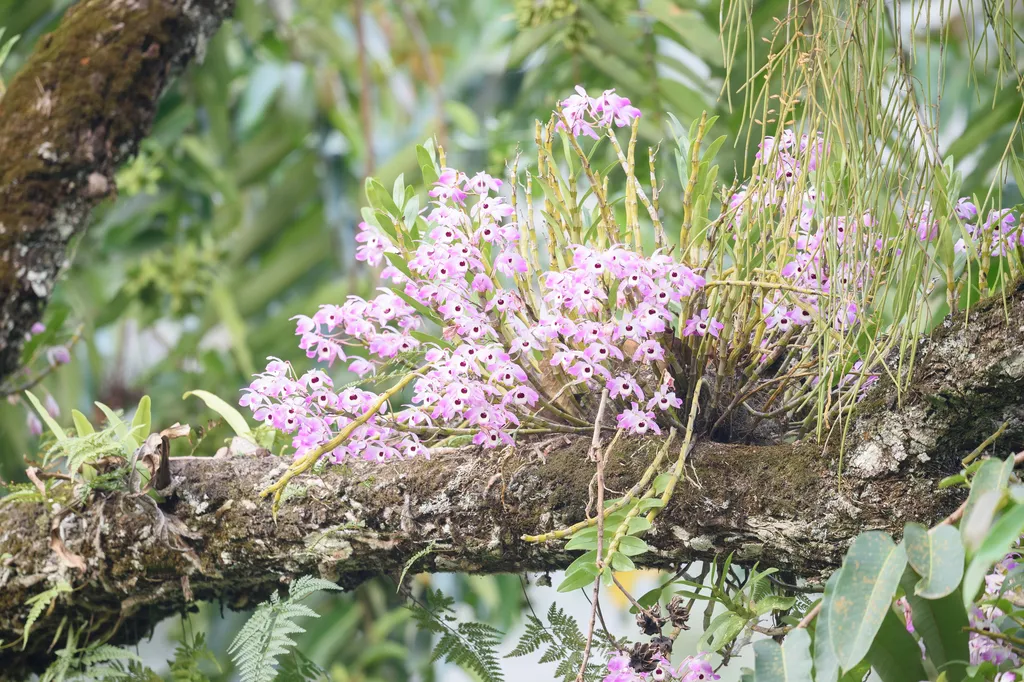
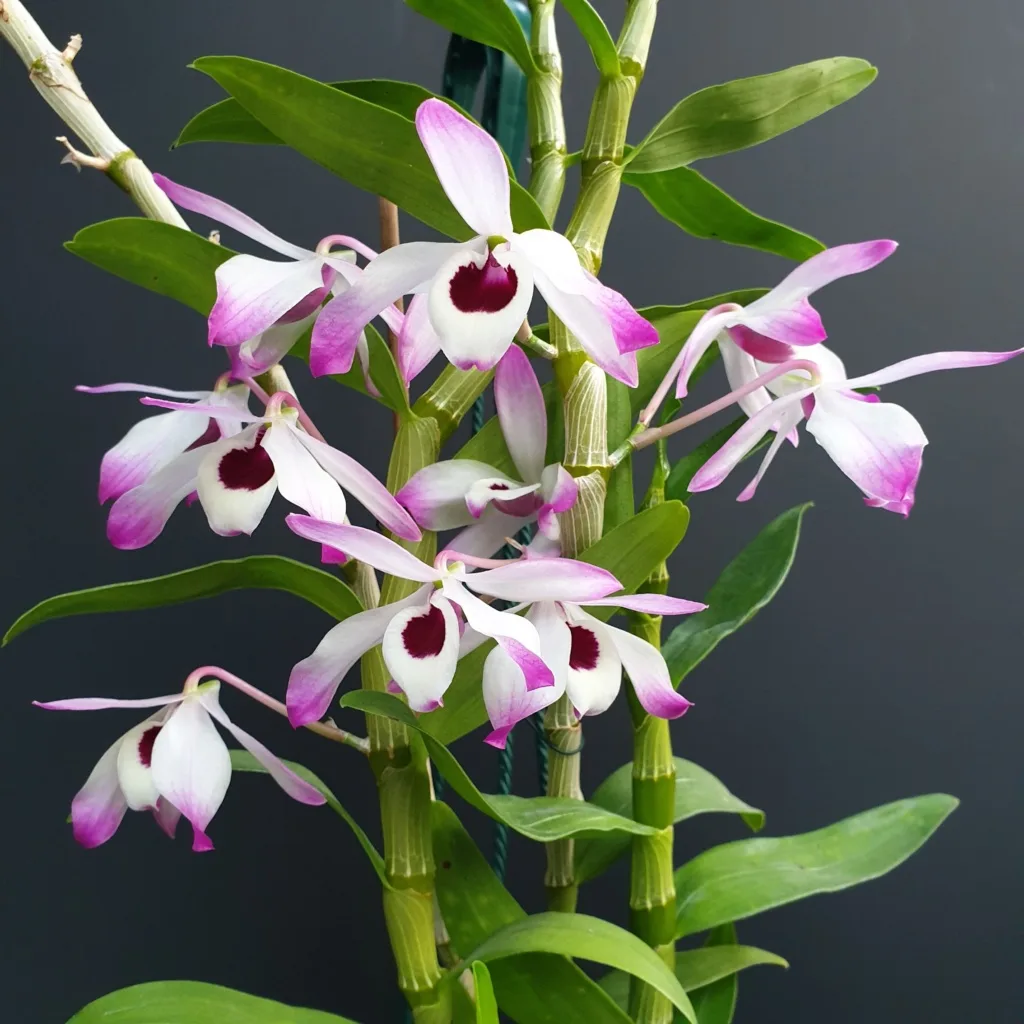
Distribution of noble dendrobium
Distribution map
S and Southeastern Asia
Information to be completed
Culture
Information to be completed
Toxicity
Information to be completed
Quick identification of noble dendrobium
Information to be completed
noble dendrobium care guide
- Water moderately during growth, reduce in winter rest
- Watering
- Partial shade
- Sunlight
- Information to be completed
- Ideal temperature

Watering
Water moderately during growth, reduce in winter rest
Fertilizing
 Fertilizing
Weekly with balanced fertilizer during growing season
Pruning
 Pruning
No pruning required, cut down flowered stems as necessary
Propagation
 Propagation
Propagate by division when the plant over-fills the pot
Growing
 Growing
Grow in epiphytic orchid compost and from late spring to summer, in partial shade with good ventilation, day temperatures between 18-25°C and night above 10°C, water freely adding orchid fertiliser every third watering and provide high humidity by misting twice daily. Keep in well lit conditions from autumn to early spring and keep dry in winter. See indoor orchid cultivation
People also ask
Information to be completed
Common pests and diseases
Diseases
Generally disease free
Pests
Susceptible to aphids, glasshouse red spider mite and mealybugs
Explore the plant health library →




