
cliff dwarf primrose
Also known as: Information to be completed
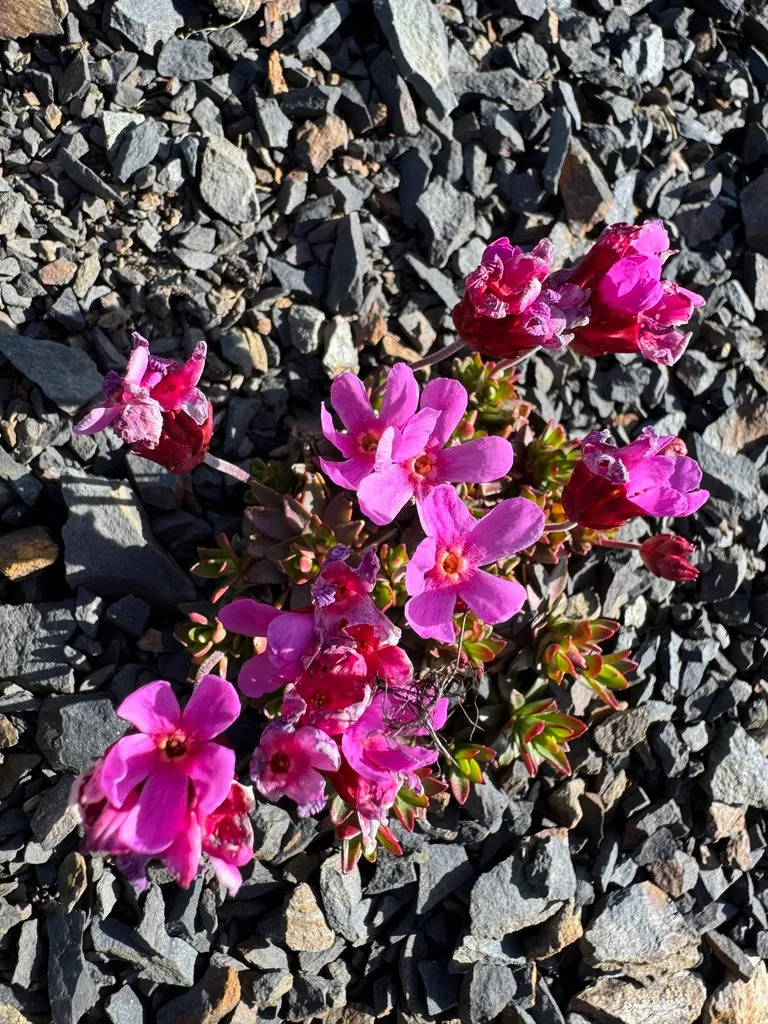
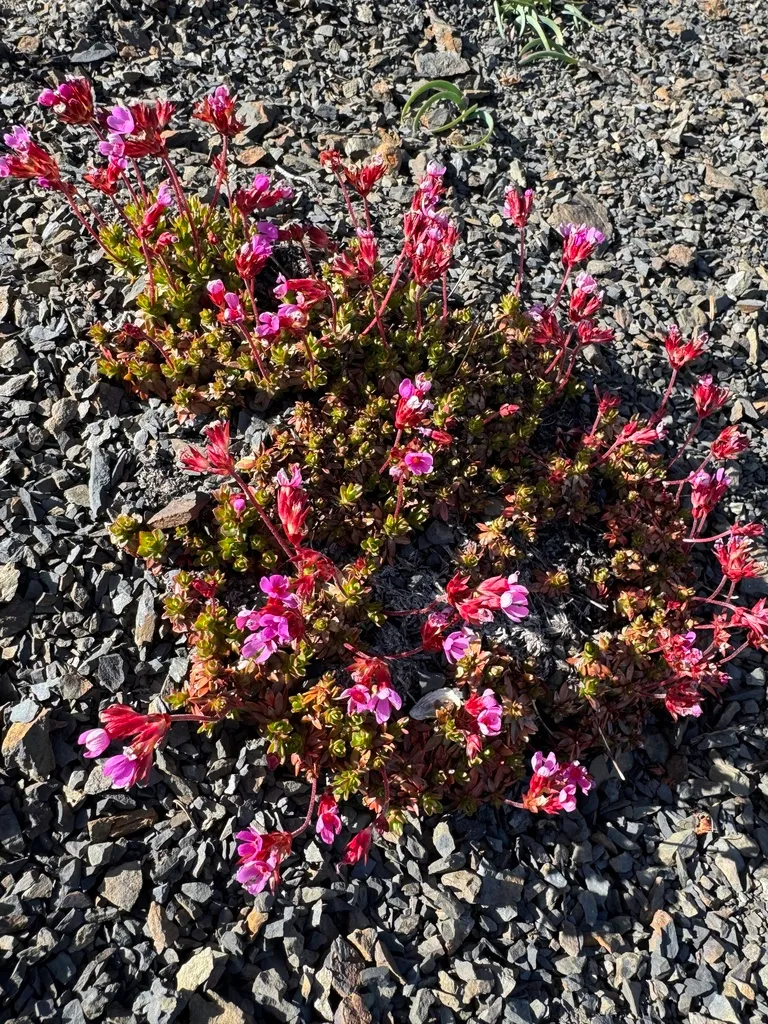
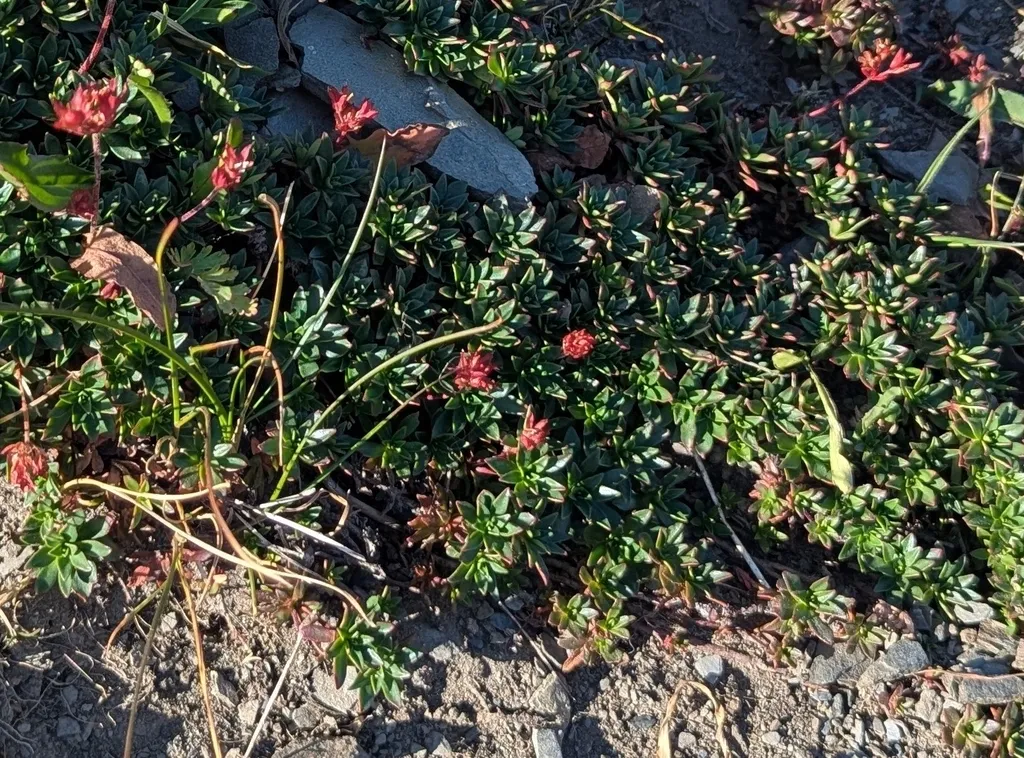
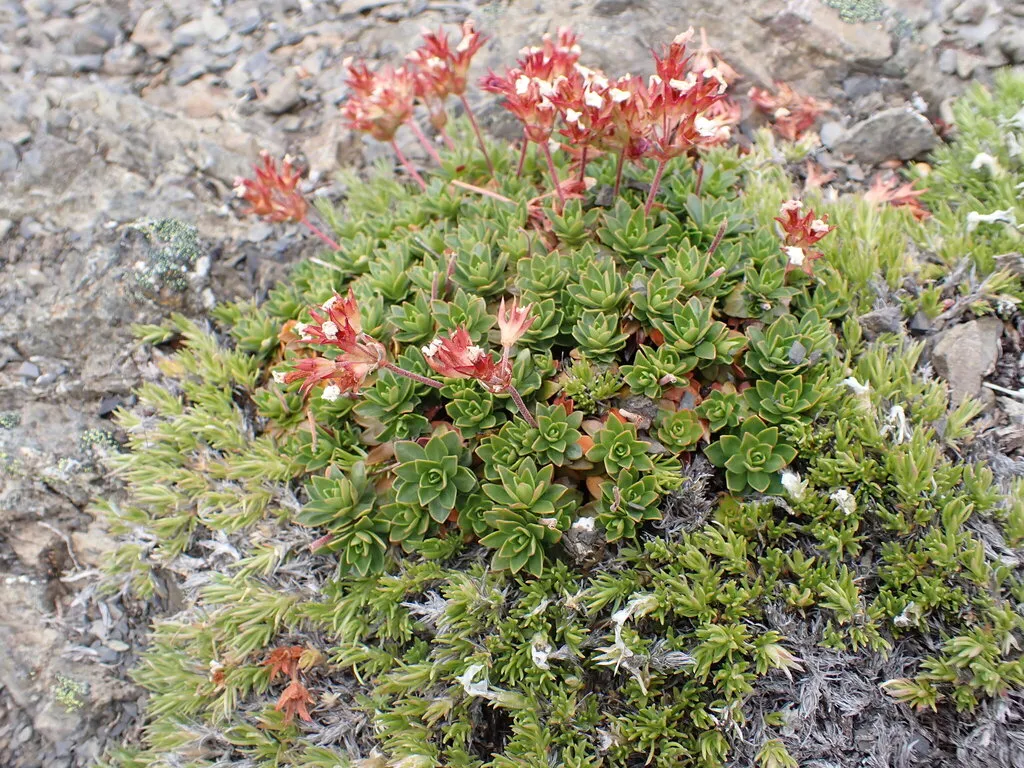
A cushion-forming, evergreen perennial to a height of 5cm, with dense rosettes of small, hairy, dark grey-green leaves. Small clusters up to 2cm across, of deep pink flowers, are produced on very short stems in early summer
Scientific classification
- Species
- cliff dwarf primrose (Androsace laevigata)
- Genus
- Androsace
- Family
- Primulaceae
- Information to be completed
- Toxicity
- Alpine Rockery
- Plant type
- Up to 10 cm
- Height
- 0.1-0.5 metres
- Spread
- Evergreen
- Foliage
- Tufted
- Habit
- Spring · Summer · Autumn · Winter
- Season of interest
- Full sun
- Sunlight
- Information to be completed
- Ideal temperature









cliff dwarf primrose pictures
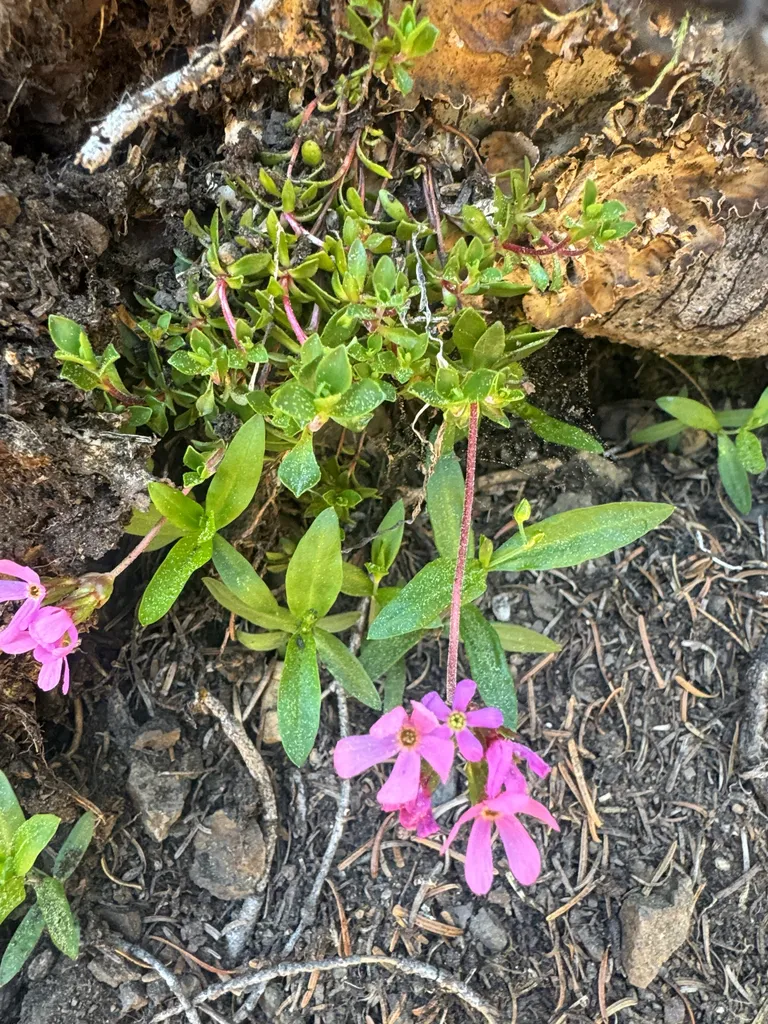
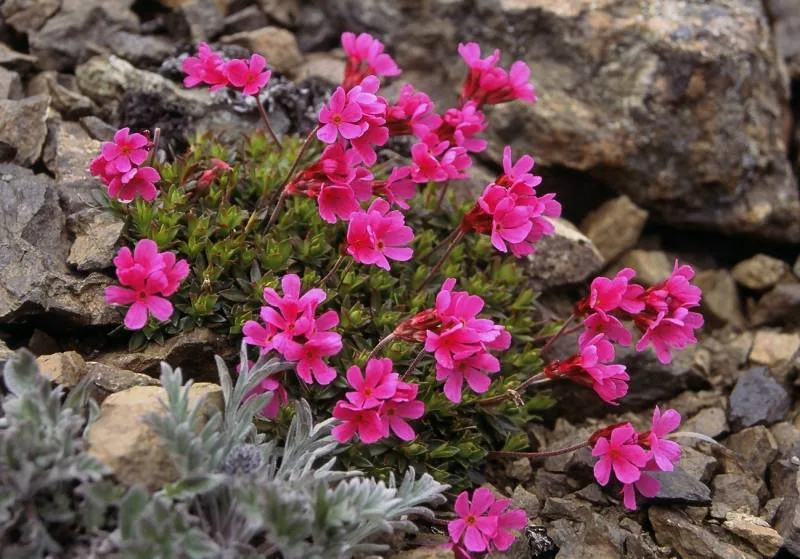
Distribution of cliff dwarf primrose
Distribution map
- Native
- Introduced
- Cultivated
Source:WCVP v16 · Royal Botanic Gardens, Kew · CC BY 3.0 · Boundaries:WGSRPD / TDWG
Culture
Information to be completed
Toxicity
Information to be completed
Quick identification of cliff dwarf primrose
Information to be completed
cliff dwarf primrose care guide
- Moderate regular watering, avoid prolonged drought and stagnant waterlogging
- Watering
- Full sun
- Sunlight
- Information to be completed
- Ideal temperature

Watering
Moderate regular watering, avoid prolonged drought and stagnant waterlogging
Fertilizing
 Fertilizing
Balanced perennial feed every four weeks spring through summer growth
Pruning
 Pruning
No pruning required
Propagation
 Propagation
Propagate by seed sown in containers in an open cold frame as soon as ripe or in autumn. Root single rosettes as cuttings in early to midsummer. Keep moist but water from below to avoid wetting the rosettes
Growing
 Growing
Grow in moist but gritty well-drained soil in sun, in a rock garden, scree bed, or trough, in vertical crevices in rock-work or walls, or in an alpine house, where it can be protected from winter wet, in a mixture of sharp sand and leaf mould
People also ask
Information to be completed
Common pests and diseases
Diseases
May be susceptible to fungal diseases in damp conditons
Pests
Generally pest-free. May be susceptible to aphids under glass
Explore the plant health library →




