
dusky coral pea
Also known as: Information to be completed
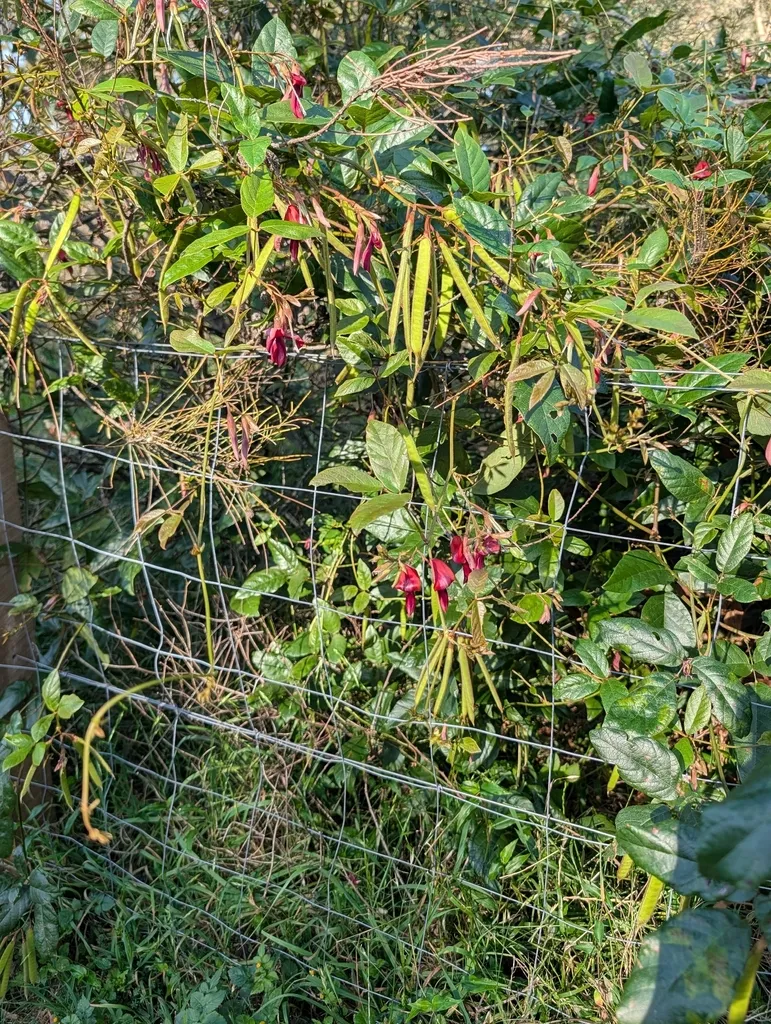
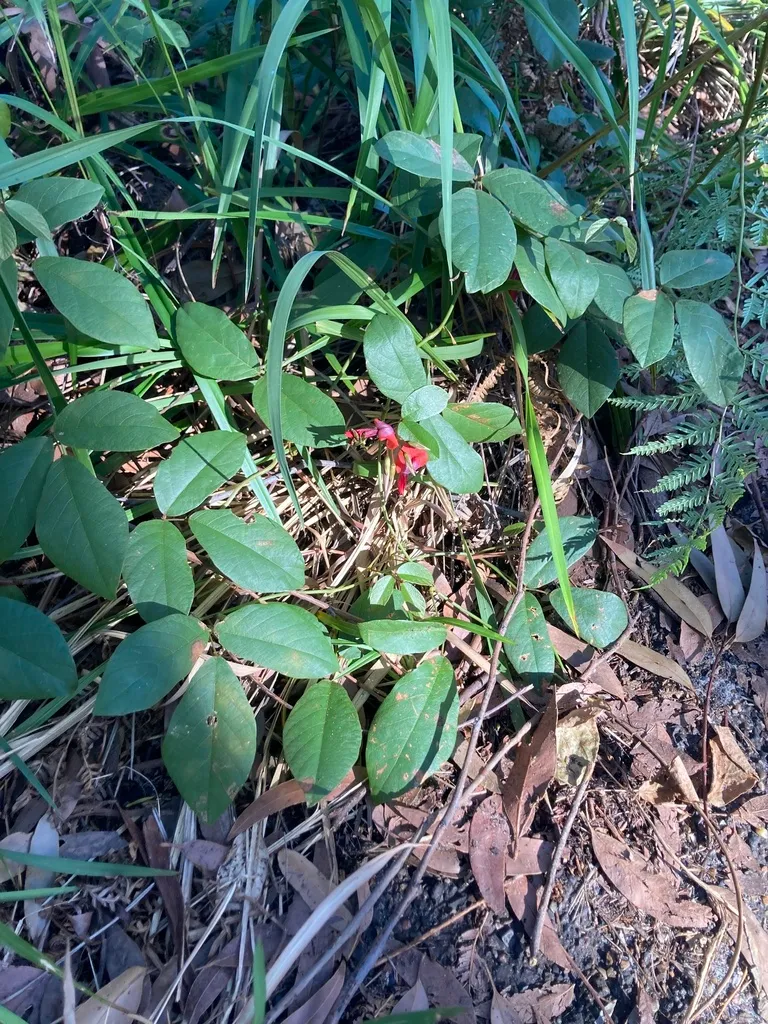
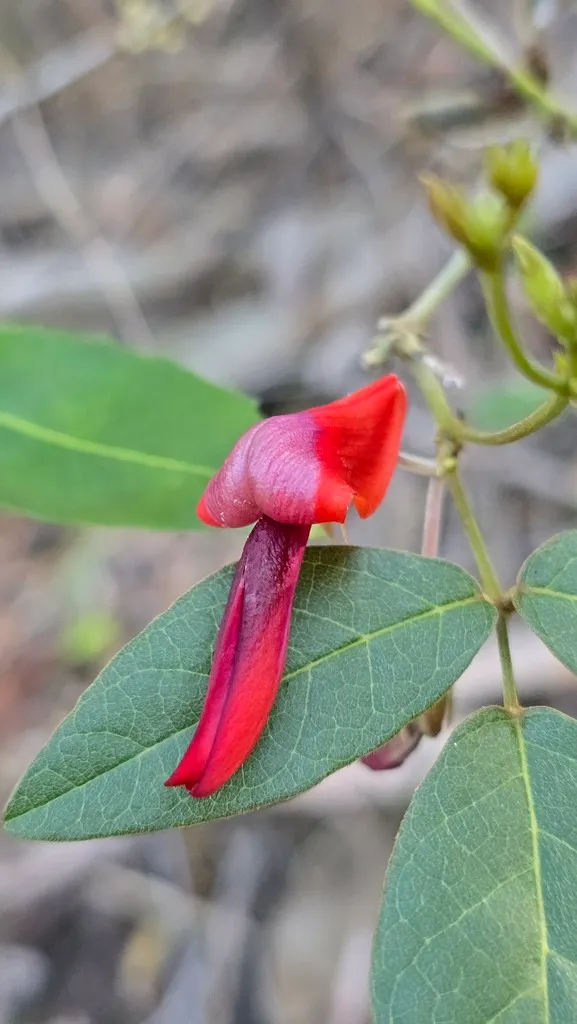
A twining climber reaching 3m or more or a ground covering perennial forming dense mats of growth. Leaves are hairy, mid-green and and made up of three oval leaflets; loose bunches of dark red pea-like flowers appear in spring and summer and occasionally into autumn
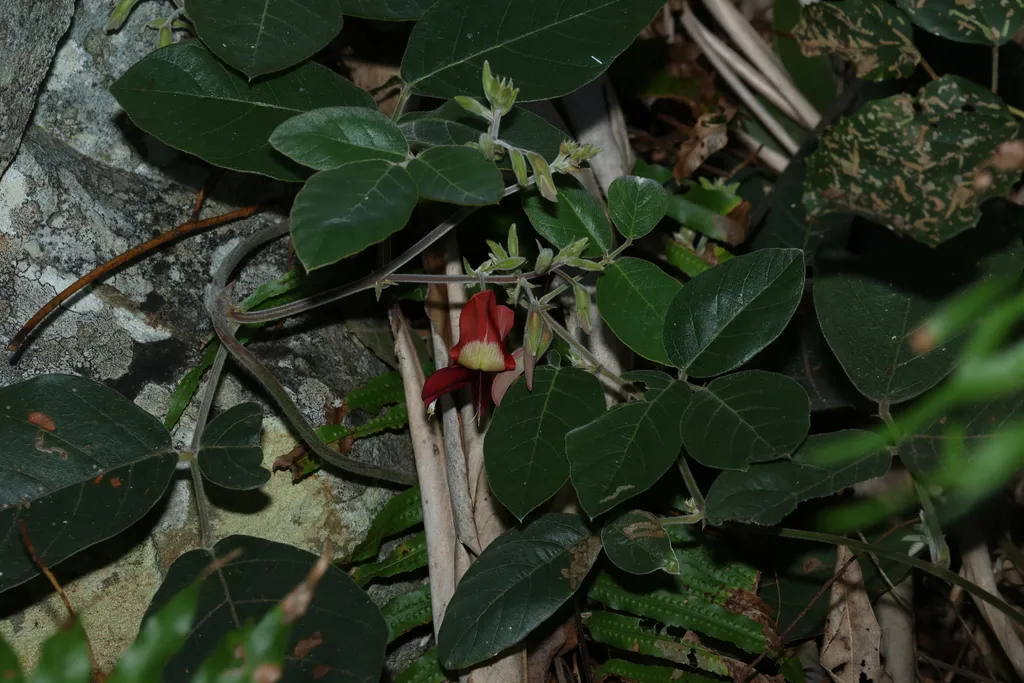
Scientific classification
- Species
- dusky coral pea (Kennedia rubicunda)
- Genus
- Kennedia
- Family
- Fabaceae
- Information to be completed
- Toxicity
- Climber Wall Shrub · Conservatory Greenhouse
- Plant type
- 2.5-4 metres
- Height
- 1.5-2.5 metres
- Spread
- Evergreen
- Foliage
- Trailing · Matforming · Climbing
- Habit
- Spring · Summer · Autumn · Winter
- Season of interest
- Partial shade
- Sunlight
- Information to be completed
- Ideal temperature









dusky coral pea pictures
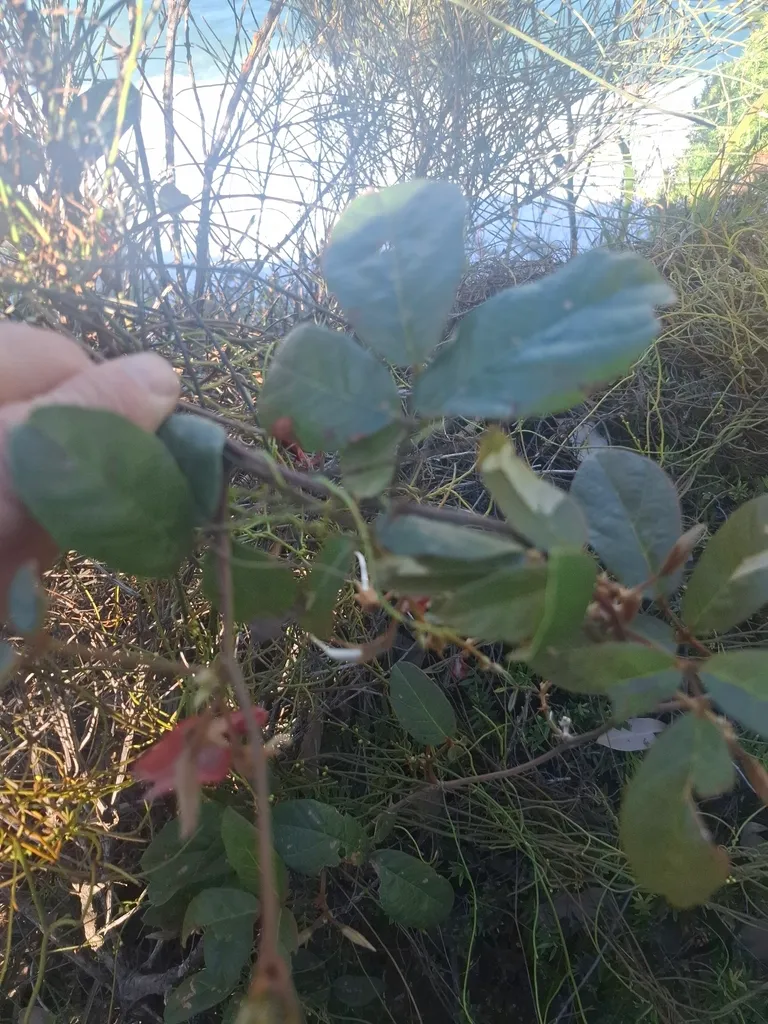
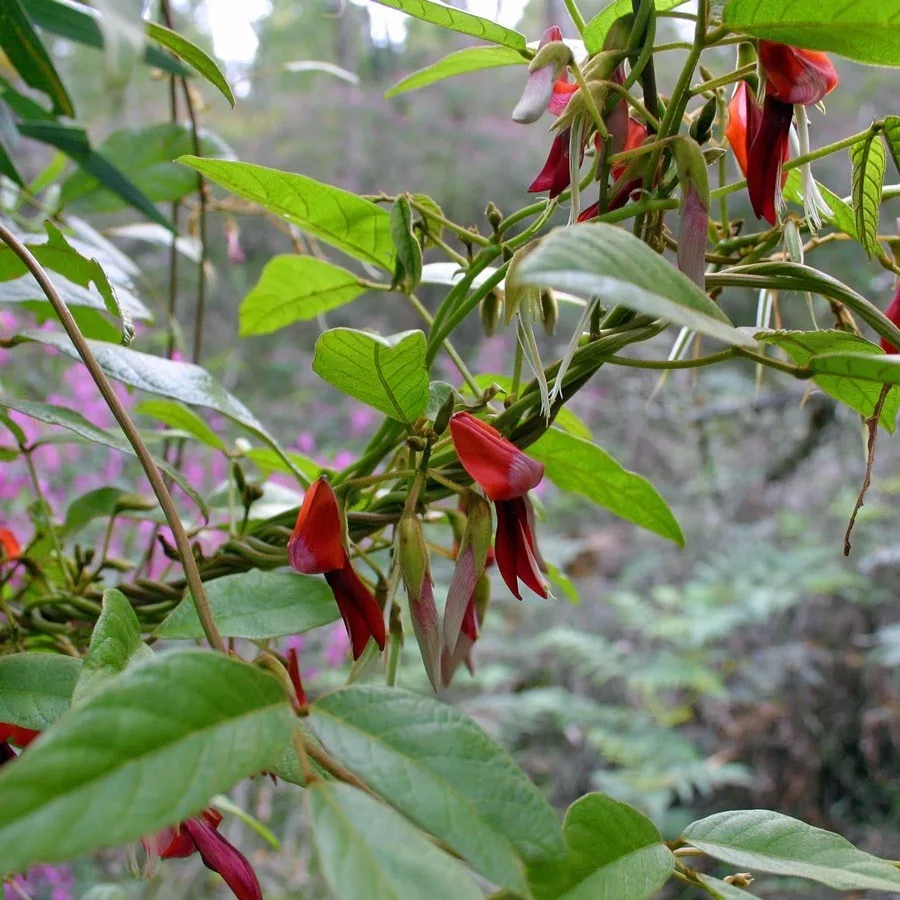
Distribution of dusky coral pea
Distribution map
- Native
- Introduced
- Cultivated
Source:WCVP v16 · Royal Botanic Gardens, Kew · CC BY 3.0 · Boundaries:WGSRPD / TDWG
Culture
Information to be completed
Toxicity
Information to be completed
Quick identification of dusky coral pea
Information to be completed
dusky coral pea care guide
- Moderate watering, tolerate short dry spells once vine roots mature fully
- Watering
- Partial shade
- Sunlight
- Information to be completed
- Ideal temperature

Watering
Moderate watering, tolerate short dry spells once vine roots mature fully
Fertilizing
 Fertilizing
Flowering climbing vine dilute feed monthly spring through summer
Pruning
 Pruning
On established plants, shorten sideshoots to three or four buds from the permanent framework; remove crowded or damaged shoots. Prune annually after flowering on last-year growth, or in late winter or early spring on current-year growth.
Propagation
 Propagation
Propagate by seed in a temperature of 18-21°C after having soaked the seed in freshly boiled water for 12 hours
Growing
 Growing
Grow in loam-based compost with horticultural grit or sharp sand added. Water sparingly in winter. During spring and summer water freely and feed monthly with a balanced liquid fertiliser
People also ask
Information to be completed
Common pests and diseases
Diseases
May be susceptible to honey fungus in gardens where it is present but insufficient data to determine degree of susceptibility
Pests
May be susceptible to glasshouse red spider mite and glasshouse whitefly under glass
Explore the plant health library →




