
Asian pear
Also known as: Chinese pear; Japanese pear; nashi; sand pear
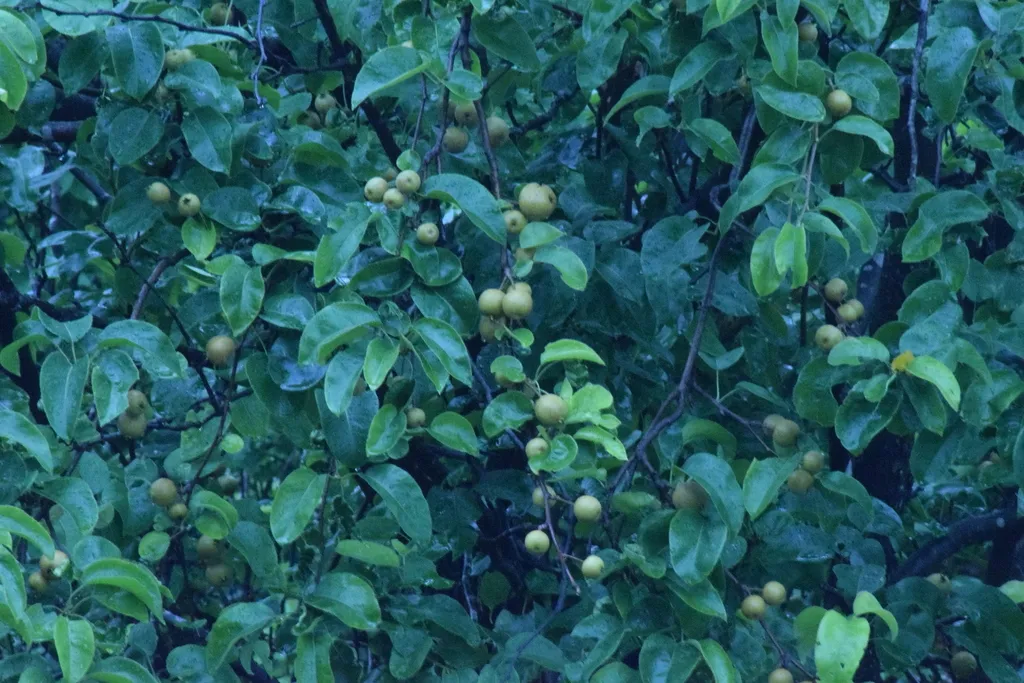
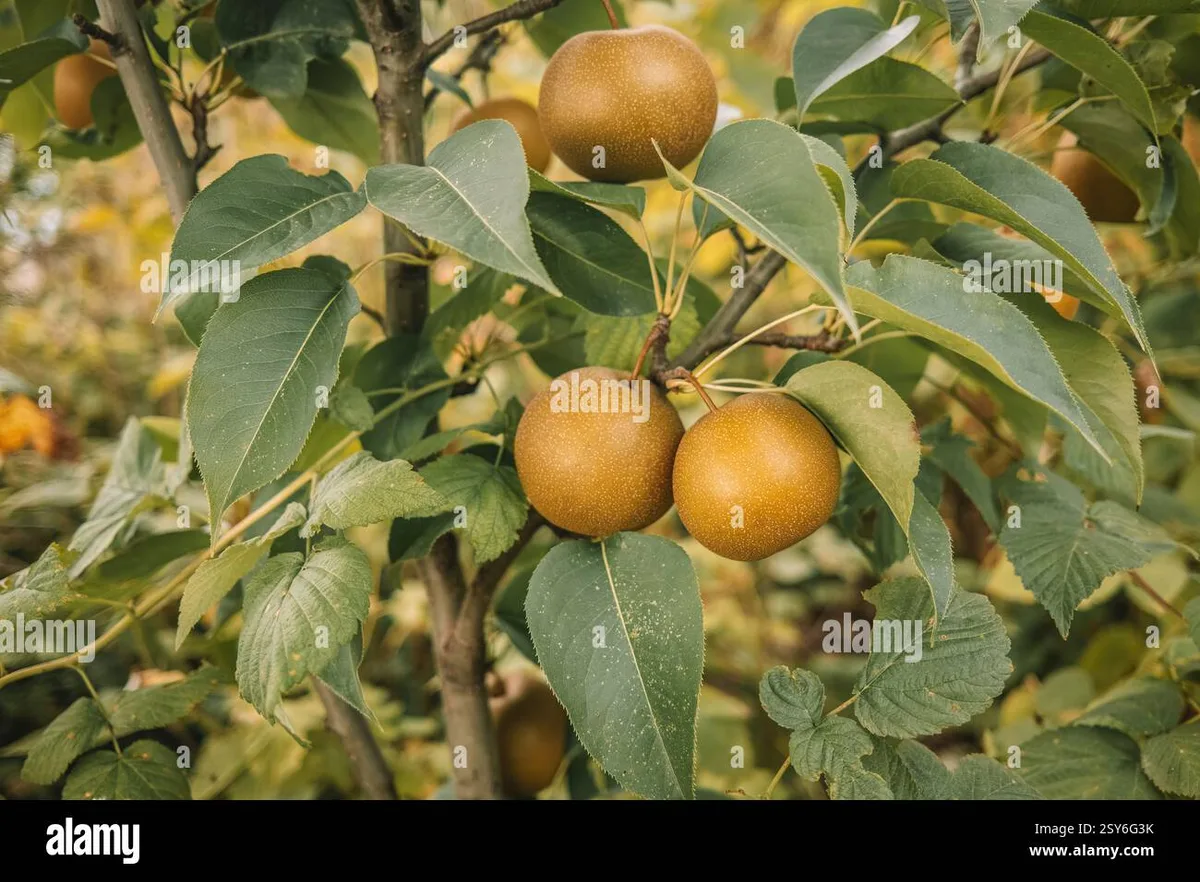
An upright, deciduous tree to 10m, with white blossom in mid-spring followed by spherical fruit 4cm across with golden-brown skin. Initially hard and gritty, fruit is crisp and juicy when fully ripe, and is suitable for cooking or eating fresh
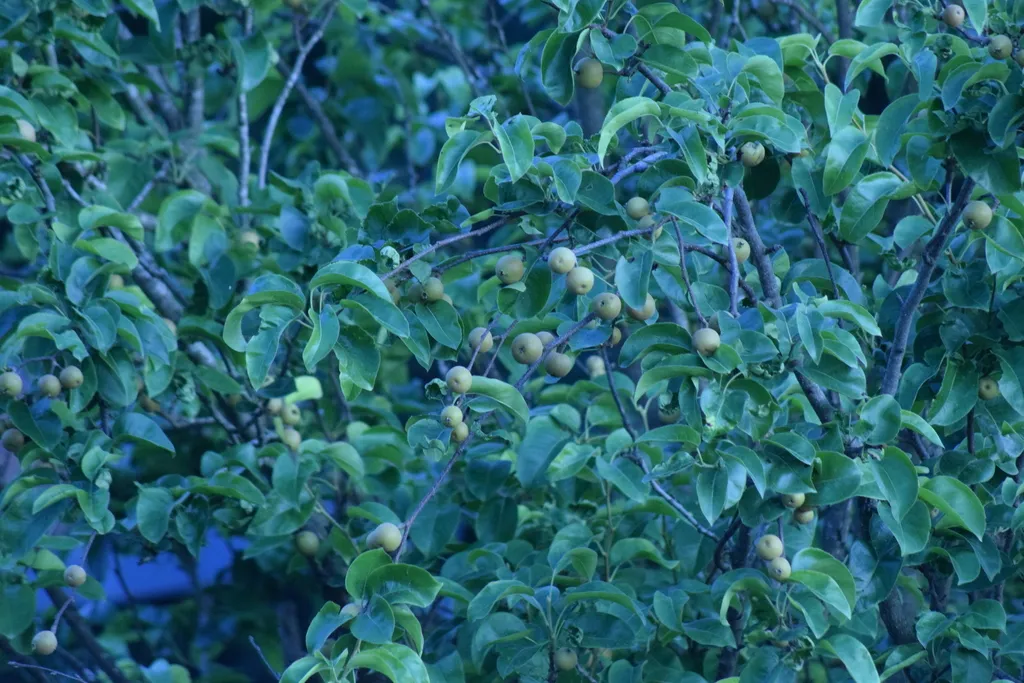
Scientific classification
- Species
- Asian pear (Pyrus pyrifolia)
- Genus
- Pyrus
- Family
- Rosaceae
- Information to be completed
- Toxicity
- Trees · Fruit Edible
- Plant type
- 8-12 metres
- Height
- 4-8 metres
- Spread
- Deciduous
- Foliage
- Information to be completed
- Habit
- Spring · Summer · Autumn
- Season of interest
- Full sun
- Sunlight
- Information to be completed
- Ideal temperature









Asian pear pictures
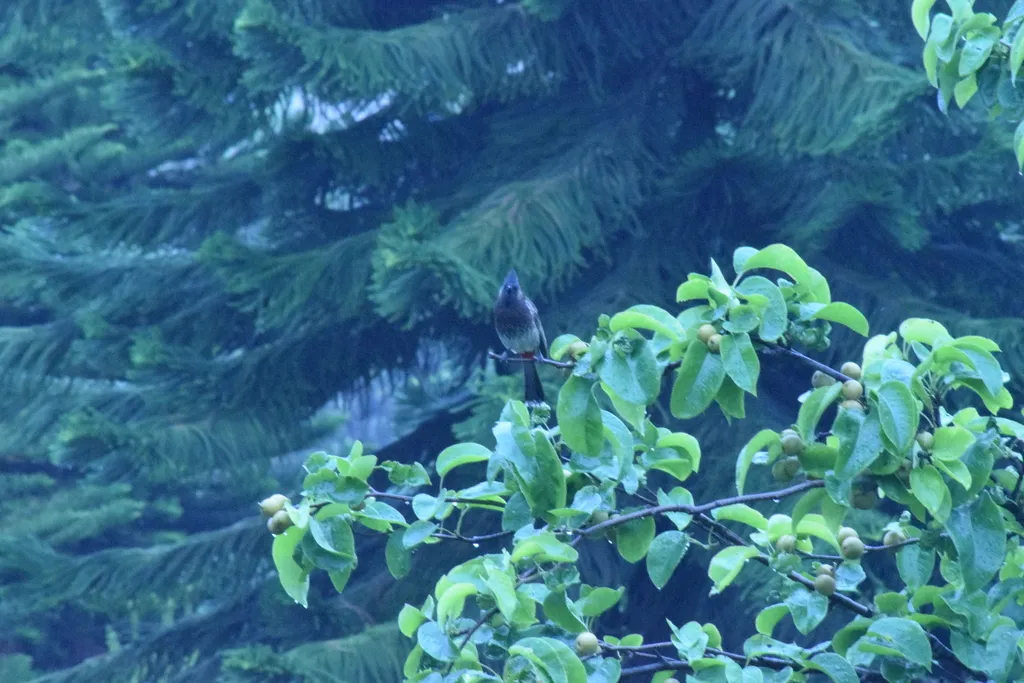
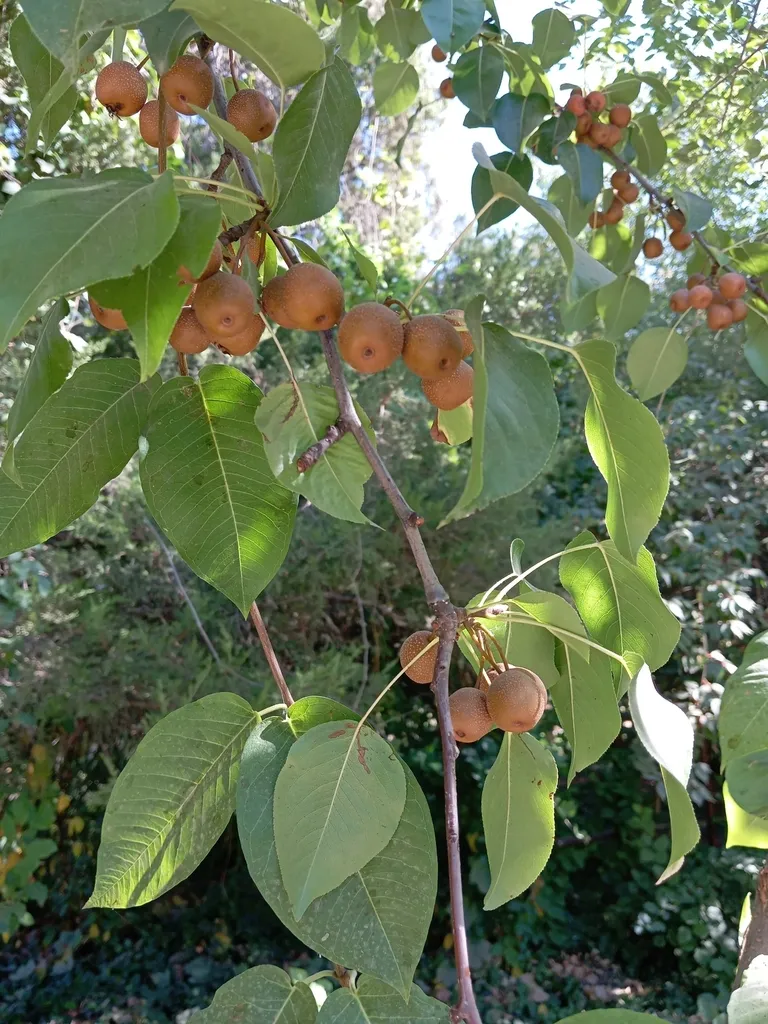
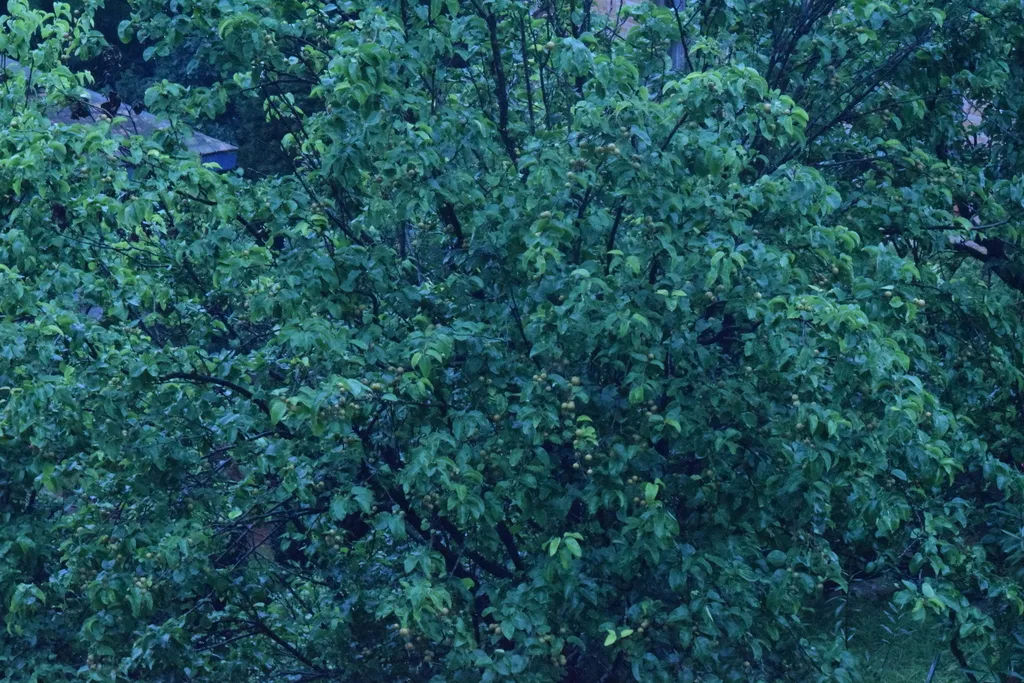
Distribution of Asian pear
Distribution map
Information to be completed
Information to be completed
Culture
Information to be completed
Toxicity
Information to be completed
Quick identification of Asian pear
Information to be completed
Asian pear care guide
- Weekly deep watering in dry heat, maintain good soil drainage
- Watering
- Full sun
- Sunlight
- Information to be completed
- Ideal temperature

Watering
Weekly deep watering in dry heat, maintain good soil drainage
Fertilizing
 Fertilizing
Pear tree slow release fertilizer applied once each early spring
Pruning
 Pruning
Little pruning is needed. Remove diseased, damaged, crowded or crossing shoots and unwanted growth. Timing depends on the plant: generally late winter or early spring; plants prone to bleeding and deciduous magnolias need different timing, and deciduous azaleas and lilacs are pruned after flowering.
Propagation
 Propagation
Propagate by seed sown in a seedbed in autumn, or by chip budding in late summer, or grafting in mid-winter
Growing
 Growing
Grow in fertile, well-drained soil in full sun
People also ask
Information to be completed
Common pests and diseases
Diseases
May be susceptible to blossom wilt, brown rot, fireblight, pear scab, European pear rust and honey fungus (rarely)
Pests
May be susceptible to aphids, caterpillars, codling moth, pear blister mite, pear midge and pear and cherry slugworm
Explore the plant health library →




