
damson
Also known as: damson plum; mirabelle; wintercrack; bullace
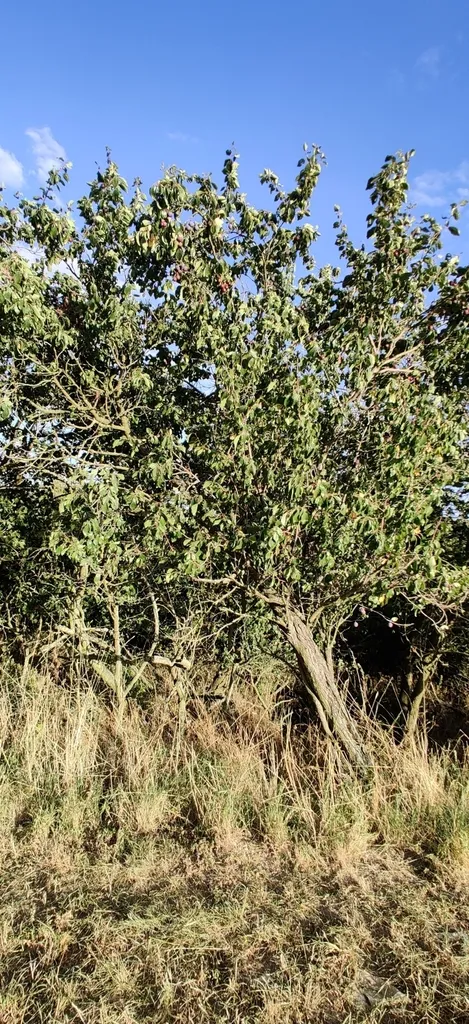
A small, twiggy, occasionally spiny, deciduous tree. Small, white flowers appear in early spring, followed by rounded fruit which may be yellow, red, green or purple. Many cultivated varieties of damson have been developed from this species.
Scientific classification
- Species
- damson (Prunus insititia)
- Genus
- Prunus
- Family
- Rosaceae
- Information to be completed
- Toxicity
- Fruit Edible · Trees
- Plant type
- 2.5-4 metres
- Height
- 2.5-4 metres
- Spread
- Deciduous
- Foliage
- Bushy
- Habit
- Spring · Summer
- Season of interest
- Full sun
- Sunlight
- Information to be completed
- Ideal temperature









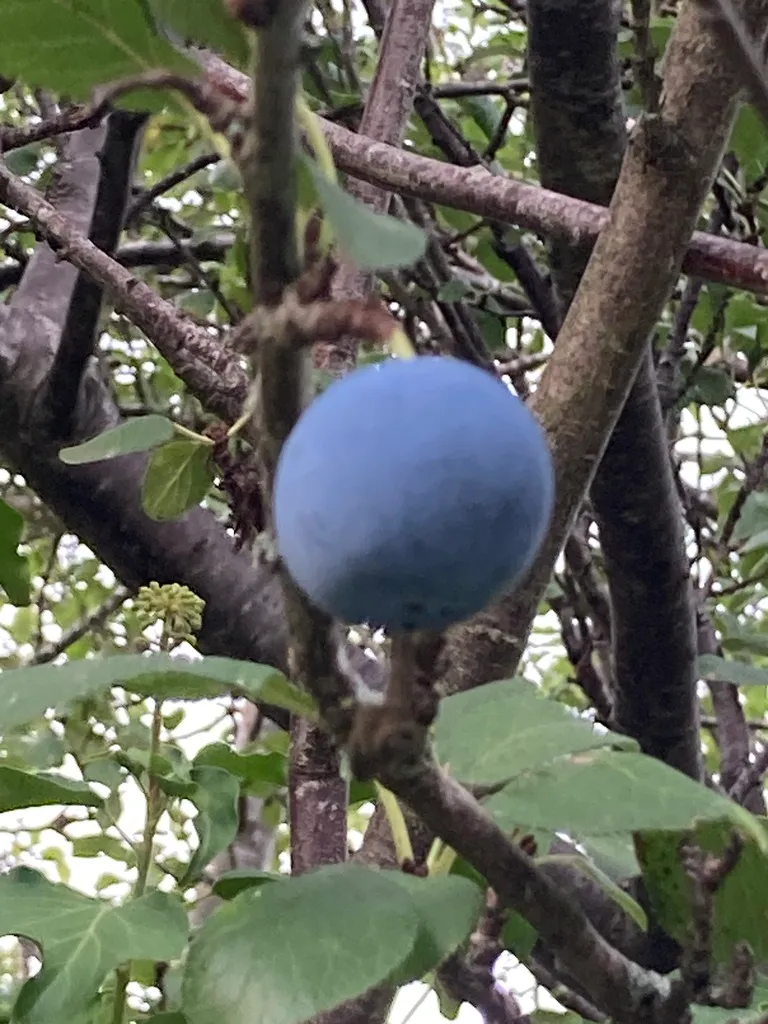
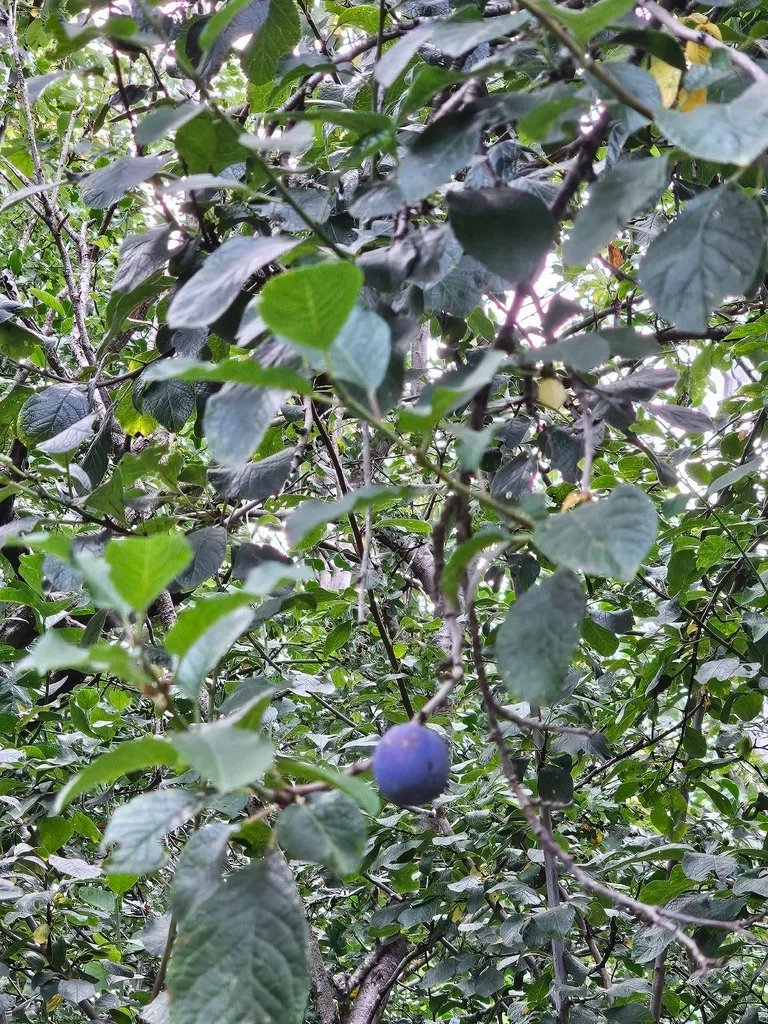
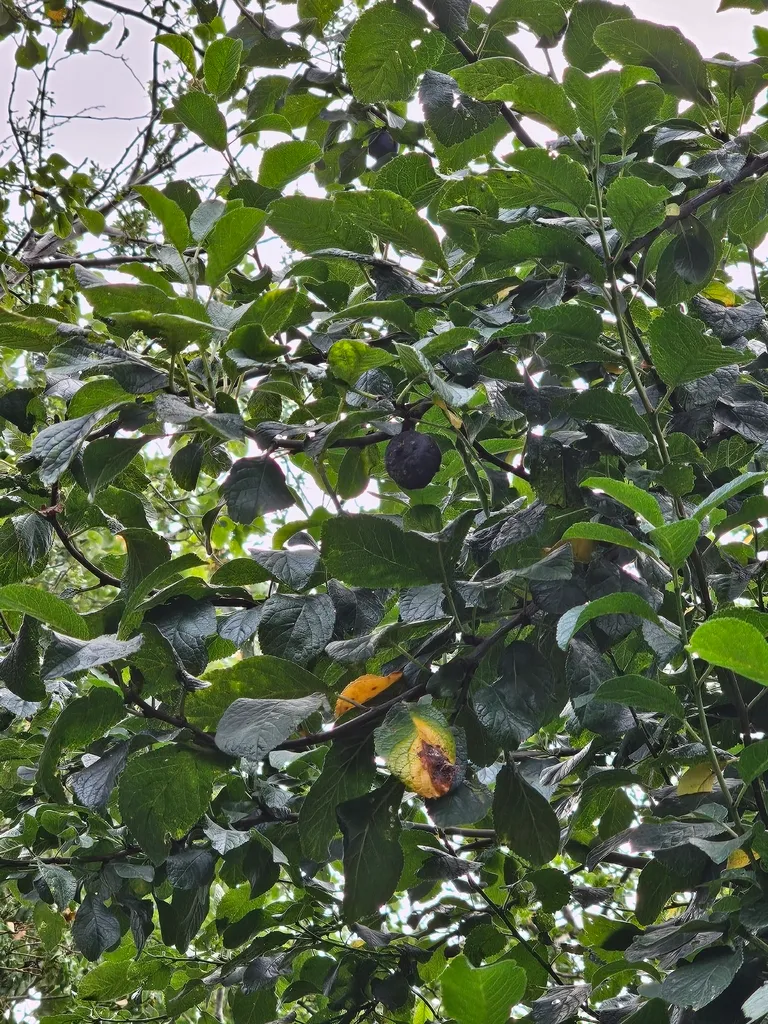
damson pictures
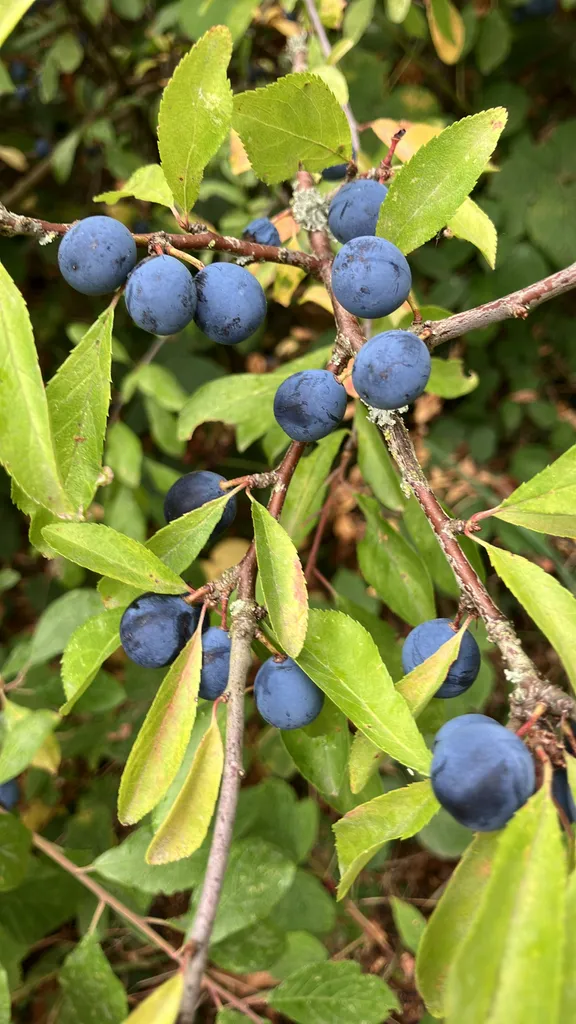
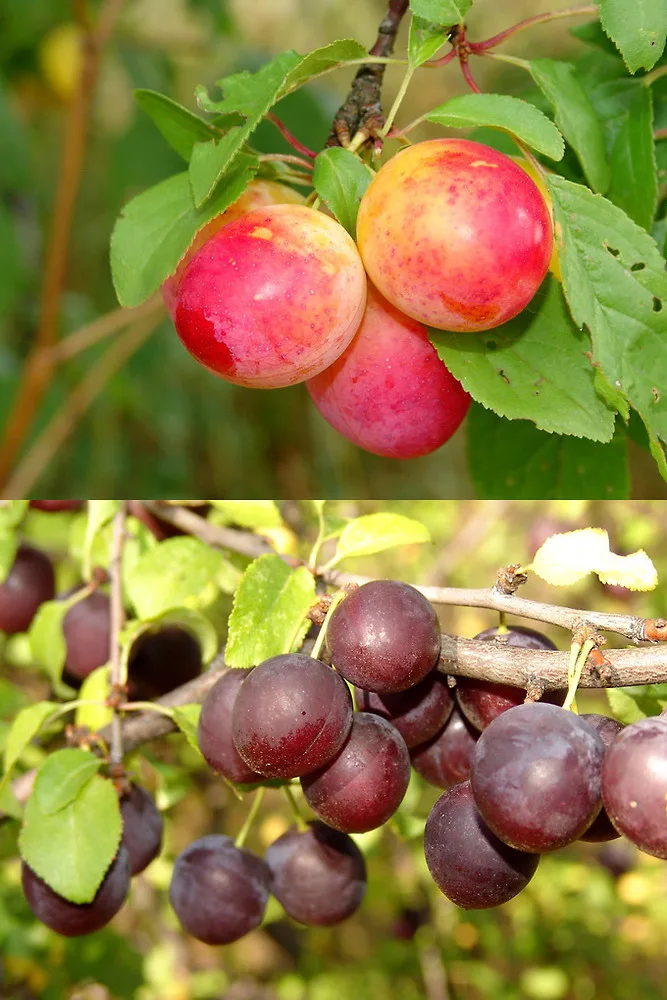
Distribution of damson
Distribution map
C and Southern Europe Northern Africa
Information to be completed
Culture
Information to be completed
Toxicity
Information to be completed
Quick identification of damson
Information to be completed
damson care guide
- Deep water during dry spells, especially when young
- Watering
- Full sun
- Sunlight
- Information to be completed
- Ideal temperature

Watering
Deep water during dry spells, especially when young
Fertilizing
 Fertilizing
Balanced fruit or tree feed in early spring
Pruning
 Pruning
Regular pruning required according to tree form; see pruning plums or pruning established fans
Propagation
 Propagation
Propagate by chip budding or grafting. Trees grown from stones will not normally resemble the parent
Growing
 Growing
Grow in full sun in a sheltered position in moist, but well-drained soil. See damson cultivation
People also ask
Information to be completed
Common pests and diseases
Diseases
May be affected by silver leaf. High Risk Host for Xylella fastidiosa
Pests
May be susceptible to plum aphid, caterpillars, fruit tree red spider mite, brown scale, plum moth and damage by wasps and birds
Explore the plant health library →




