
cardamom
Also known as: cardamon; Ceylon cardamom; Malabar cardamom
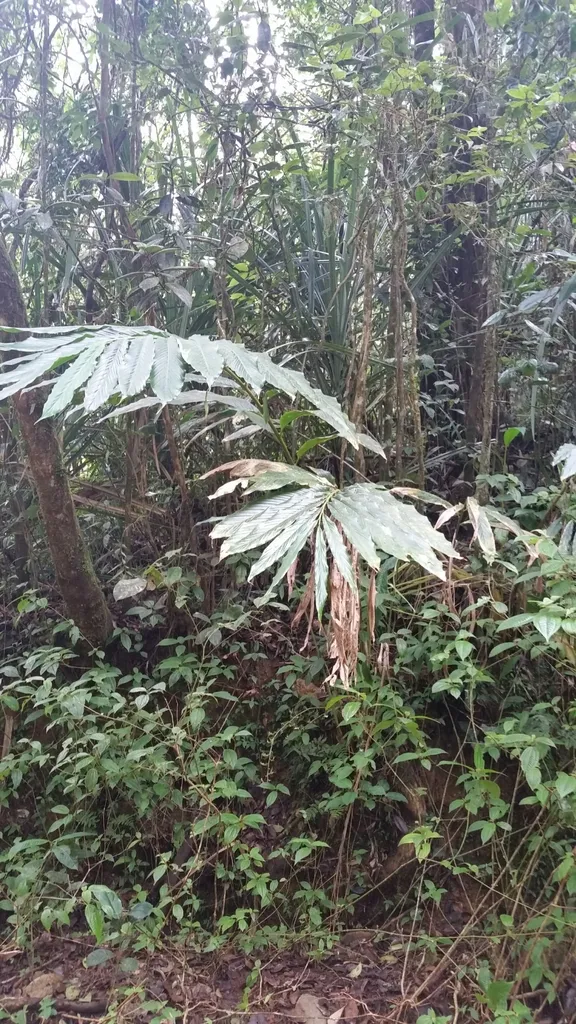
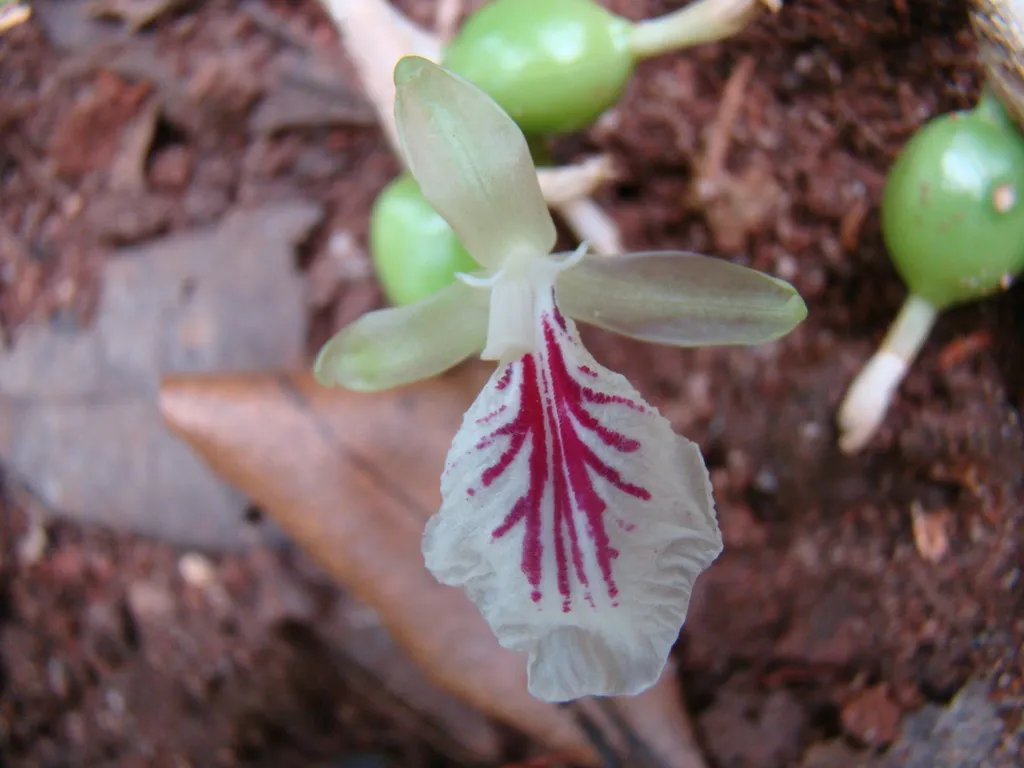
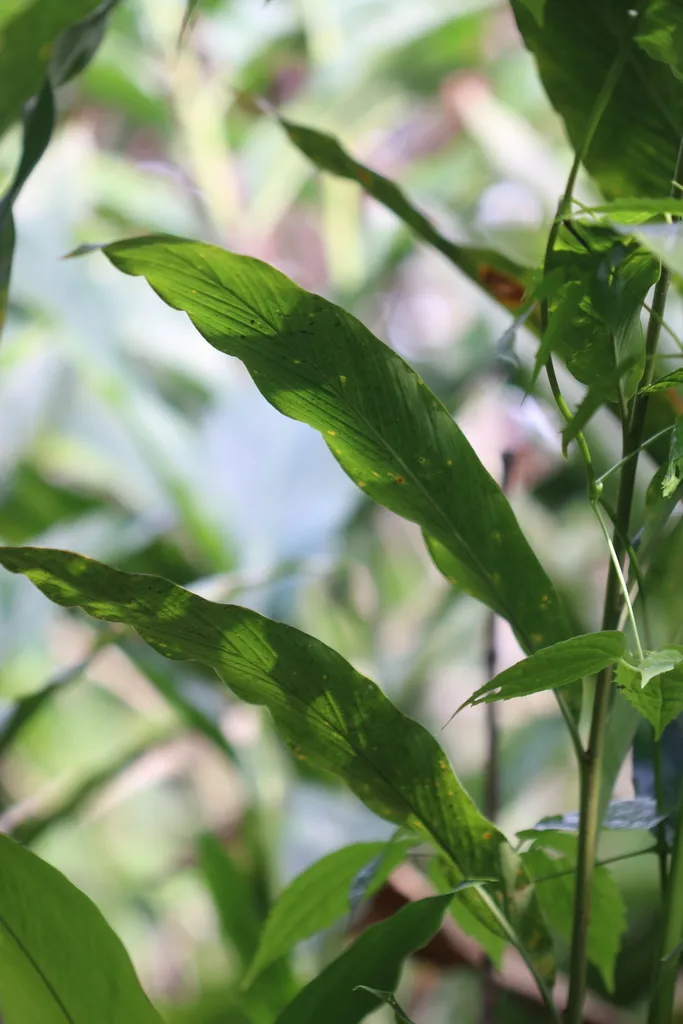
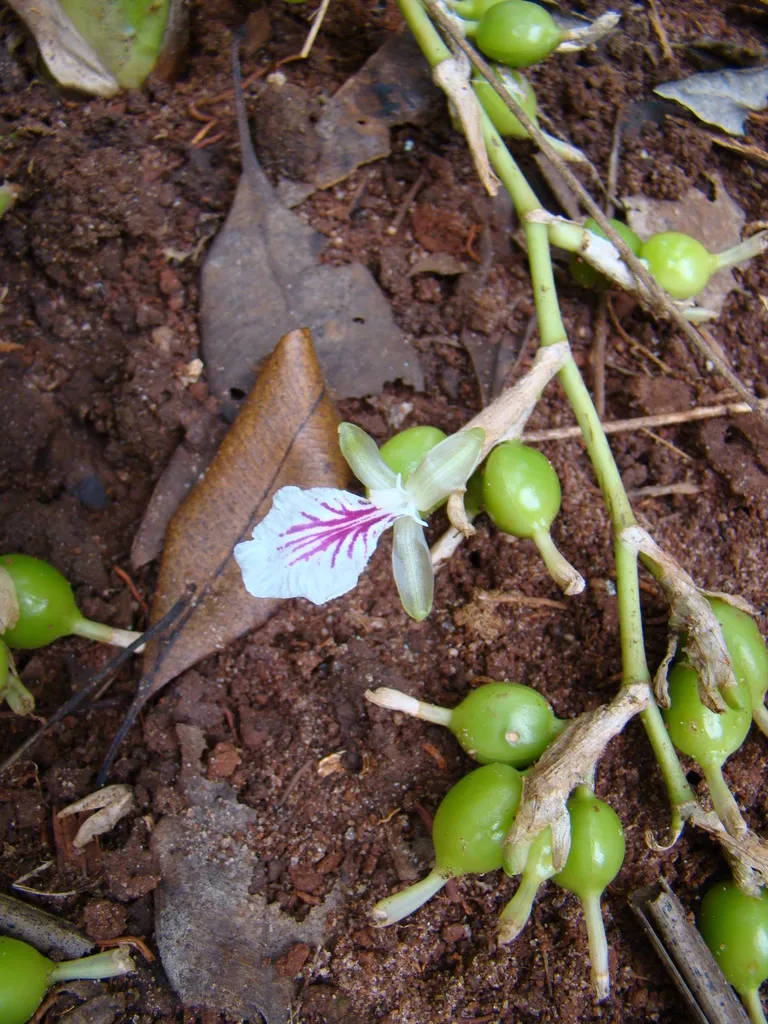
An evergreen perennial with thick rhizomes producing upright shoots bearing long, narrow, dark green leaves. In summer, shoots spreading from the base carry white, orchid-like flowers with purple, yellow or pink markings, followed by small, aromatic, pale green pods (cardamom)
Scientific classification
- Species
- cardamom (Elettaria cardamomum)
- Genus
- Elettaria
- Family
- Zingiberaceae
- Order
- Zingiberales
- Class
- Liliopsida
- Phylum
- Magnoliophyta
- Information to be completed
- Toxicity
- Conservatory Greenhouse · Herbaceous Perennial
- Plant type
- 1.5-2.5 metres
- Height
- 1.5-2.5 metres
- Spread
- Evergreen
- Foliage
- Bushy
- Habit
- Spring · Summer · Autumn · Winter
- Season of interest
- Partial shade
- Sunlight
- Information to be completed
- Ideal temperature









cardamom pictures
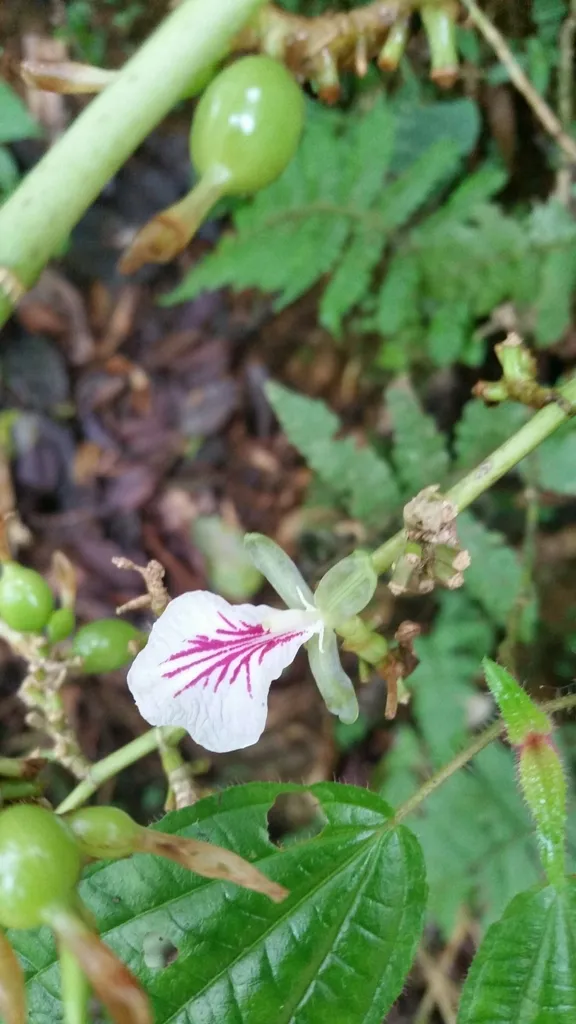
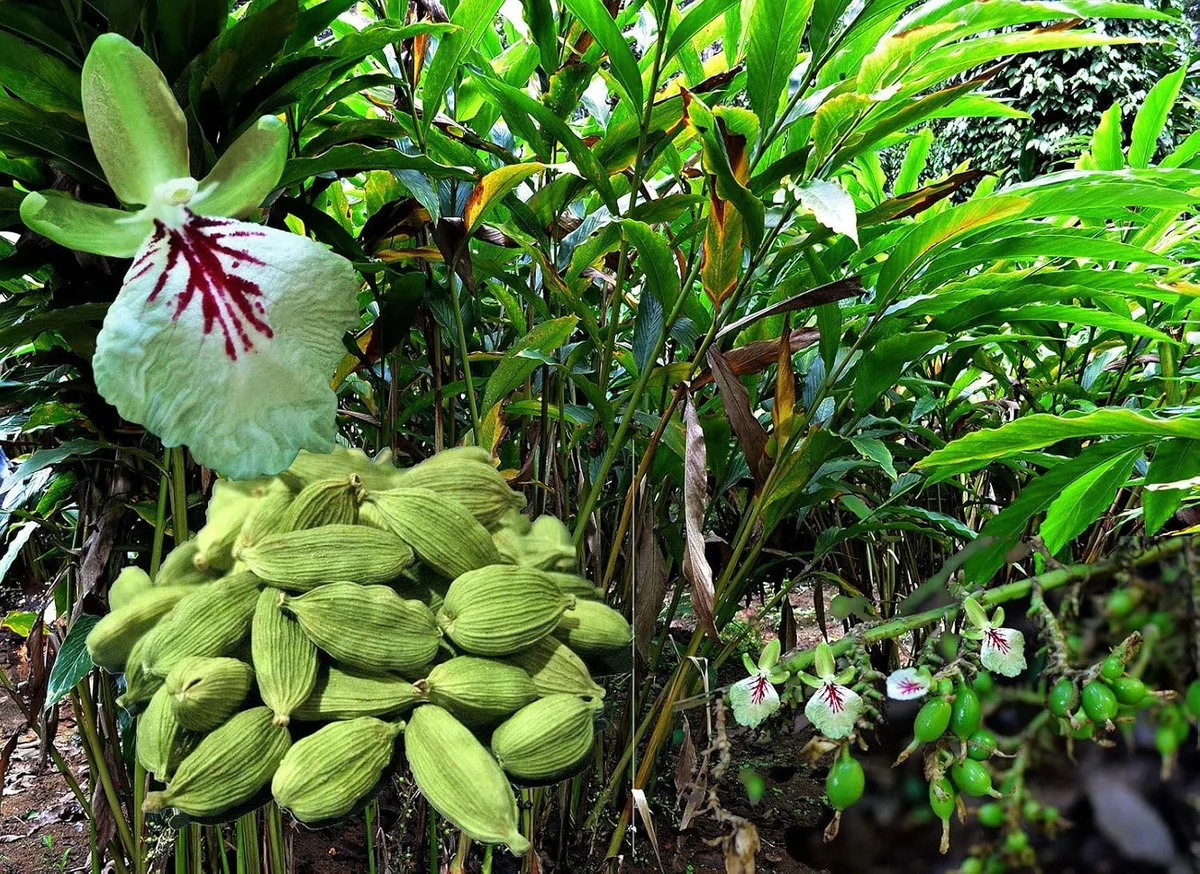
Distribution of cardamom
Distribution map
- Native
- Introduced
- Cultivated
Source:WCVP v16 · Royal Botanic Gardens, Kew · CC BY 3.0 · Boundaries:WGSRPD / TDWG
cardamom care guide
- Constant evenly moist substrate, mist foliage regularly in dry air
- Watering
- Partial shade
- Sunlight

Watering
Constant evenly moist substrate, mist foliage regularly in dry air
Fertilizing
 Fertilizing
Weak tropical plant feed every three weeks all through warm seasons
Pruning
 Pruning
Remove flowered stems in spring
Propagation
 Propagation
Propagate by seed sown with heat as soon as ripe, or by division
Growing
 Growing
Requires tropical conditions to fruit well, but can make a good foliage plant under glass. Grow in fertile, loam-based potting compost with added leaf mould or granulated bark in bright, filtered light with high humidity. Pot on in spring
Common pests and diseases
Diseases
Generally disease free though may be affected by a virus
Pests
Generally pest-free though may be affected by thrips
Explore the plant health library →




