
ivy-leaved toadflax
Also known as: climbing sailor; Colisseum ivy; devil's ribbon; ivy weed; ivy wort; Kenilworth ivy; Kentucky ivy; Oxford ivy; Oxford weed; penny leaf; roving sailor; Wandering Jew; wandering sailor; female fluellen; mother of thousands; pennywort; Aaron's beard
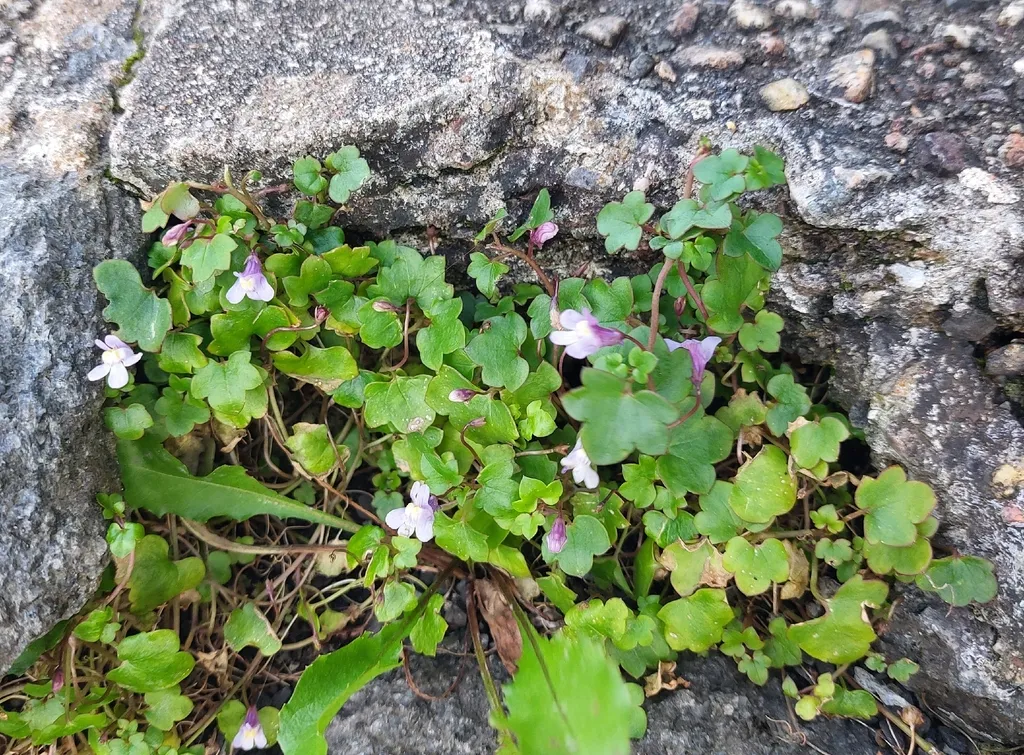
Produces a low mat of small, lobed, more or less evergreen leaves from creeping stems that root as they go. Small, lilac, snapdragon-like flowers are produced all summer
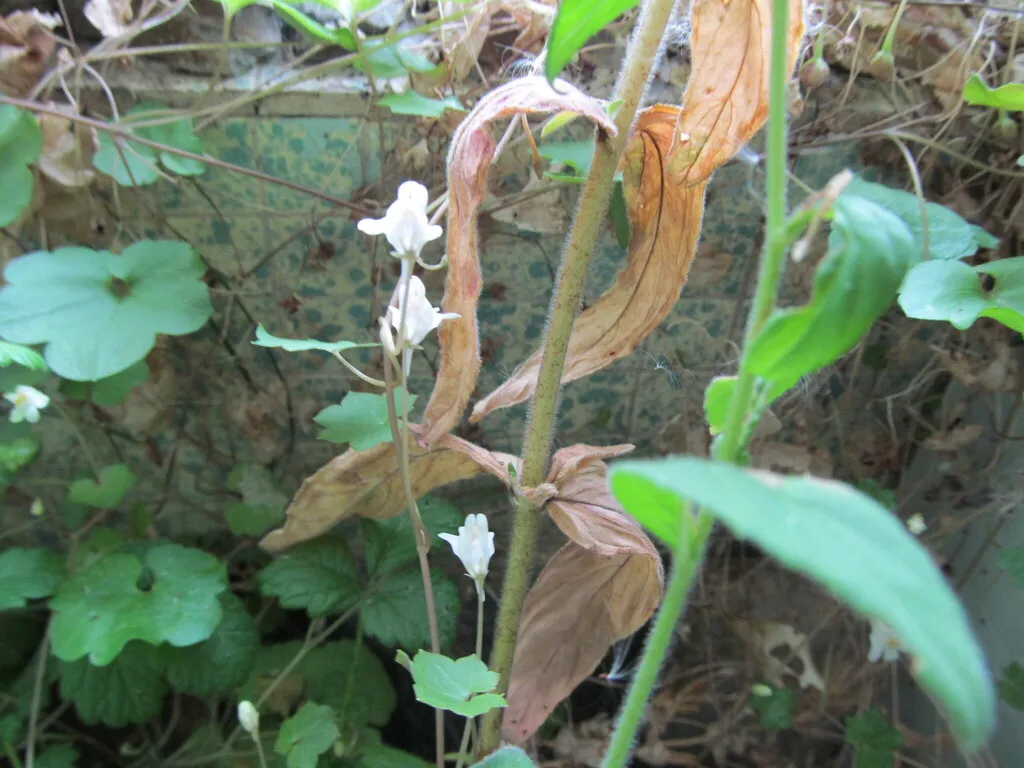
Scientific classification
- Species
- ivy-leaved toadflax (Cymbalaria muralis)
- Genus
- Cymbalaria
- Family
- Plantaginaceae
- Order
- Lamiales
- Class
- Magnoliopsida
- Phylum
- Magnoliophyta
- Information to be completed
- Toxicity
- Herbaceous Perennial
- Plant type
- Up to 10 cm
- Height
- 0.1-0.5 metres
- Spread
- Semi evergreen
- Foliage
- Trailing
- Habit
- Spring · Summer · Autumn · Winter
- Season of interest
- Full sun · Partial shade
- Sunlight
- Information to be completed
- Ideal temperature









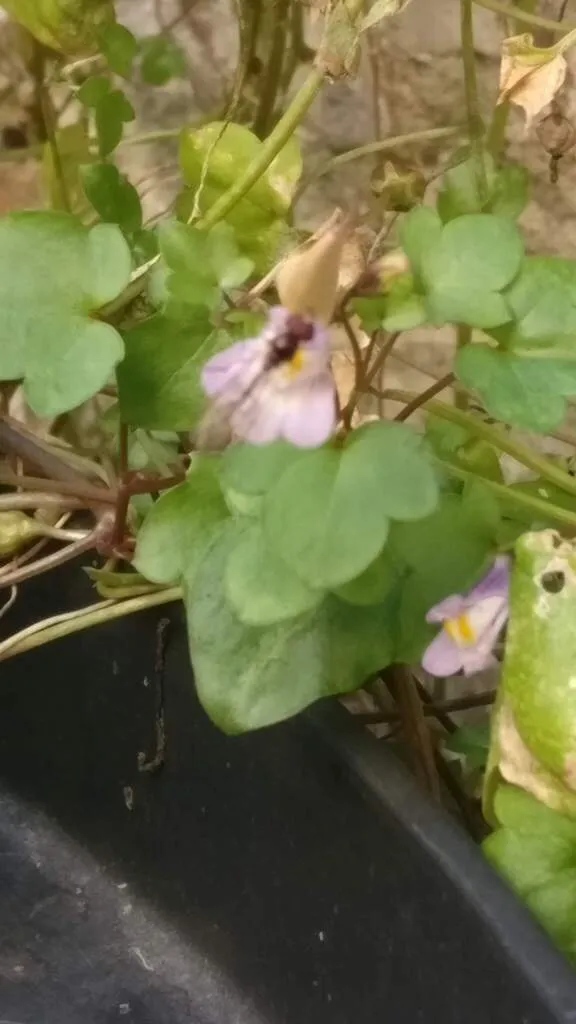
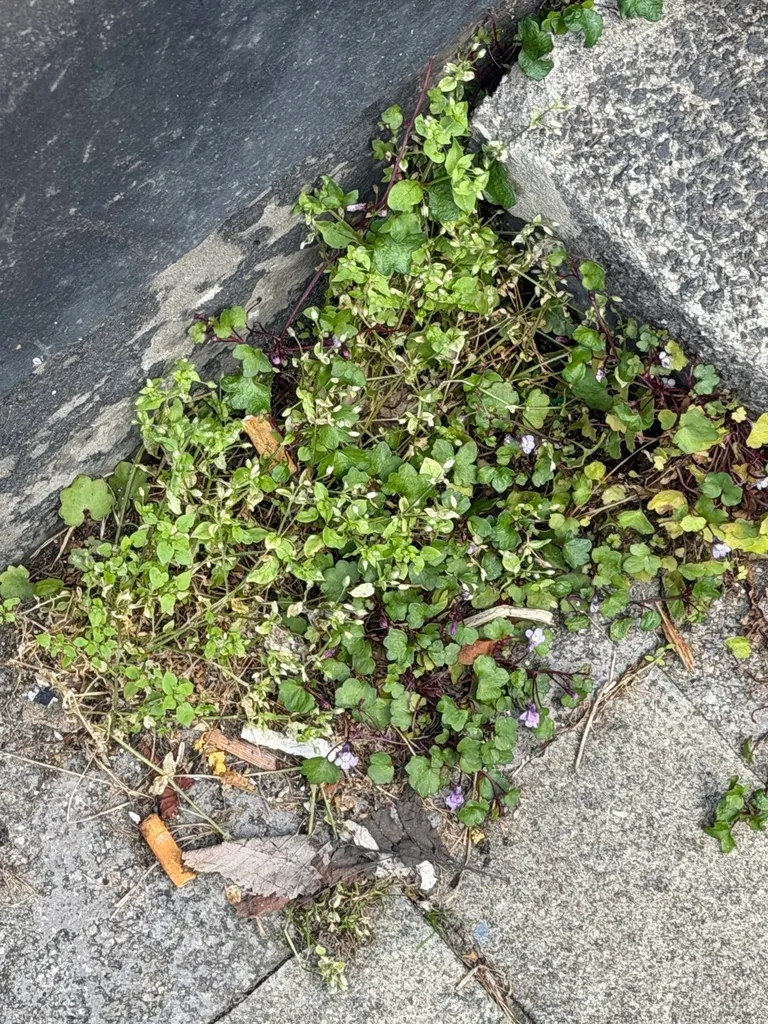
ivy-leaved toadflax pictures
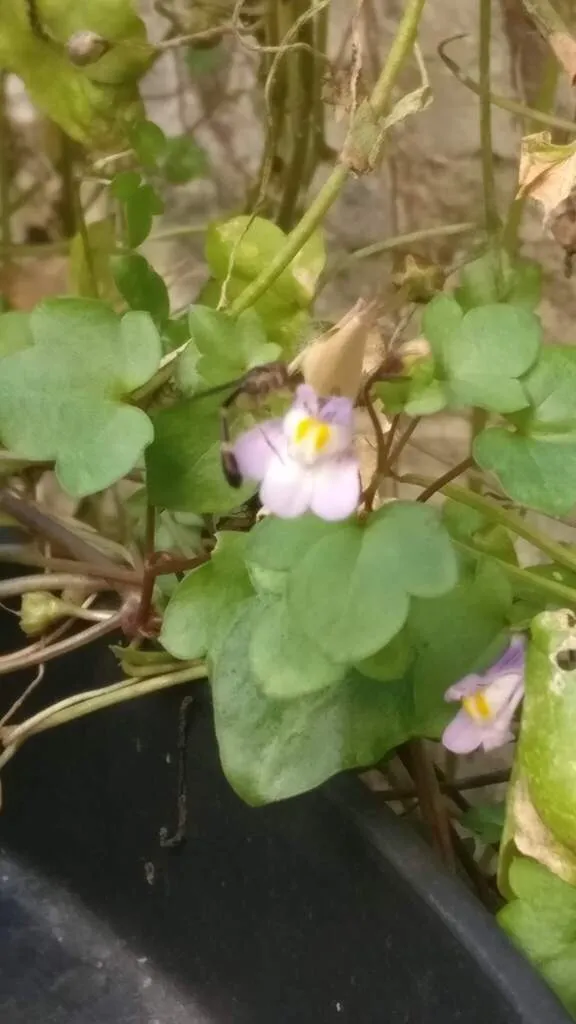
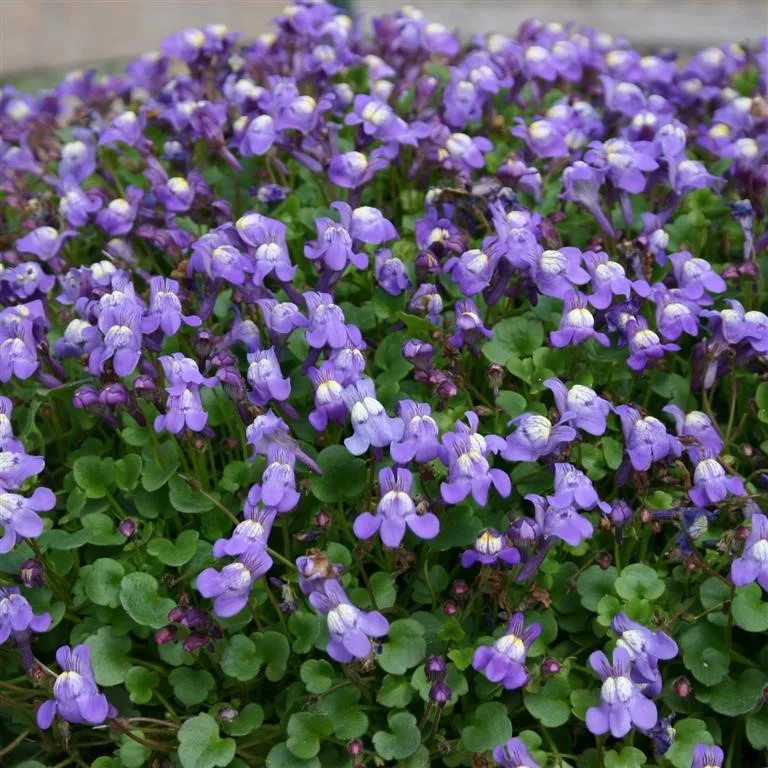
Distribution of ivy-leaved toadflax
Distribution map
- Native
- Introduced
- Cultivated
Source:WCVP v16 · Royal Botanic Gardens, Kew · CC BY 3.0 · Boundaries:WGSRPD / TDWG
ivy-leaved toadflax care guide
- Moderate regular watering, avoid prolonged drought and stagnant waterlogging
- Watering
- Full sun · Partial shade
- Sunlight

Watering
Moderate regular watering, avoid prolonged drought and stagnant waterlogging
Fertilizing
 Fertilizing
Balanced perennial feed every four weeks spring through summer growth
Pruning
 Pruning
No pruning needed
Propagation
 Propagation
Propagate by seed, or by removing rooted sections of stem
Growing
 Growing
Grow in semi-shade, or full sun where the soil is not too dry. Good for cracks in paving, or for trailing down walls
Common pests and diseases
Diseases
Generally disease free
Pests
Generally pest-free
Explore the plant health library →




