
bloodflower
Also known as: bastard ipecacuanha; bastard pecacuanha; Indian root; matac; matal; red head; wild ipecacuanha; blood flower; swallow wort
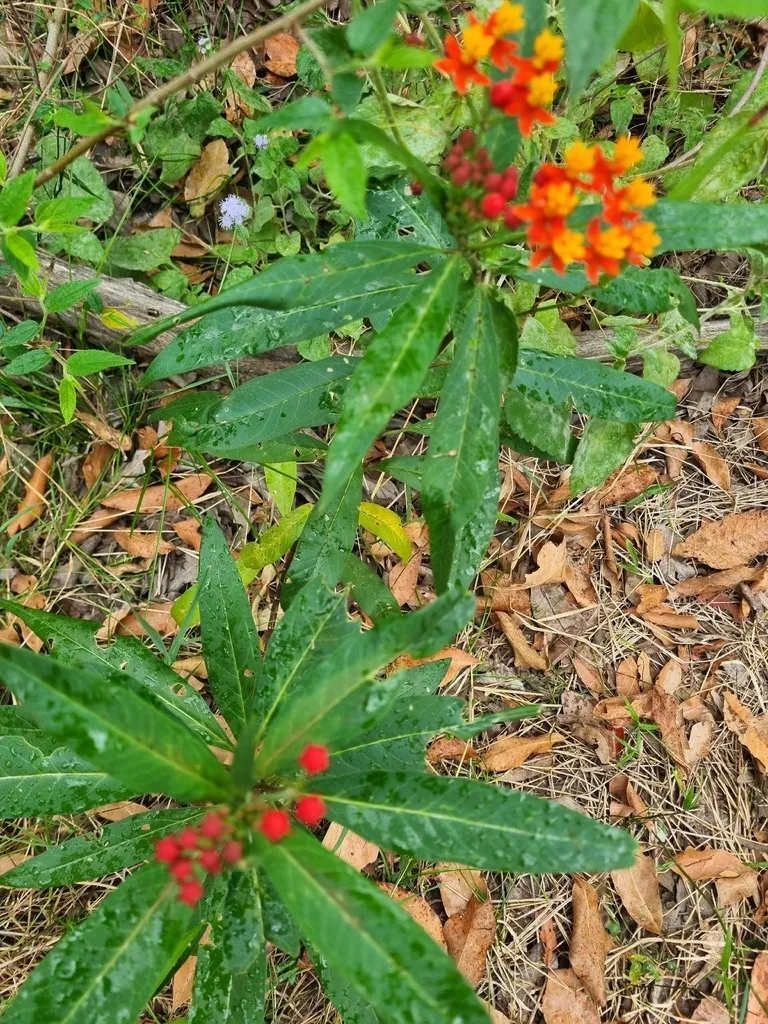
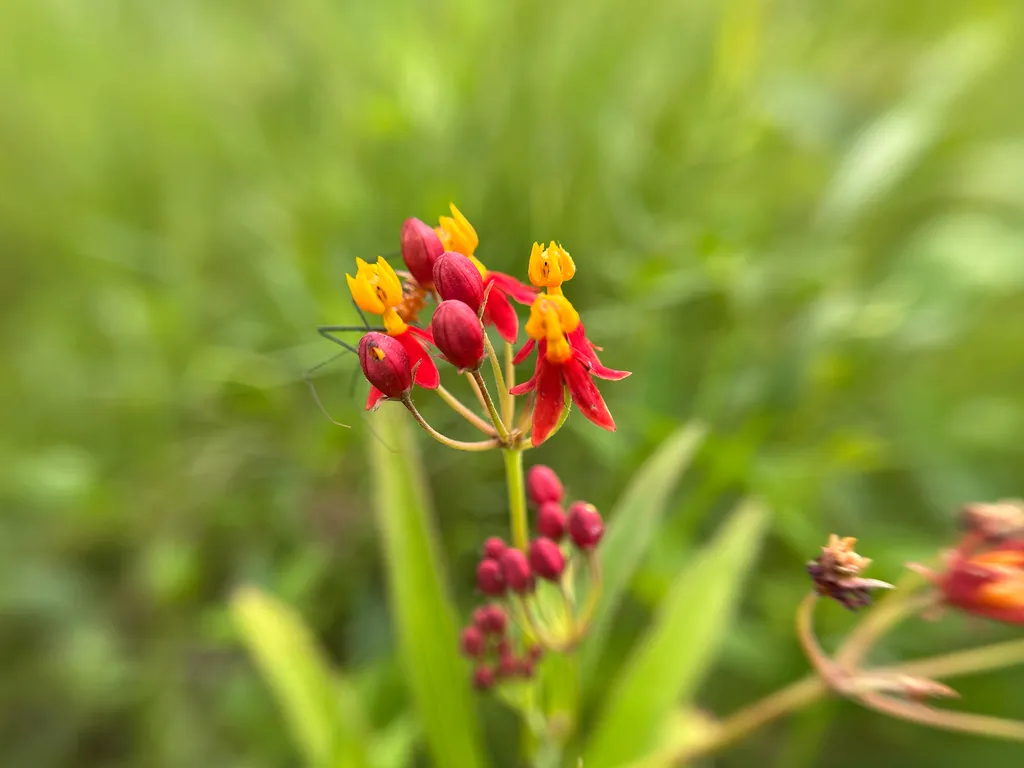
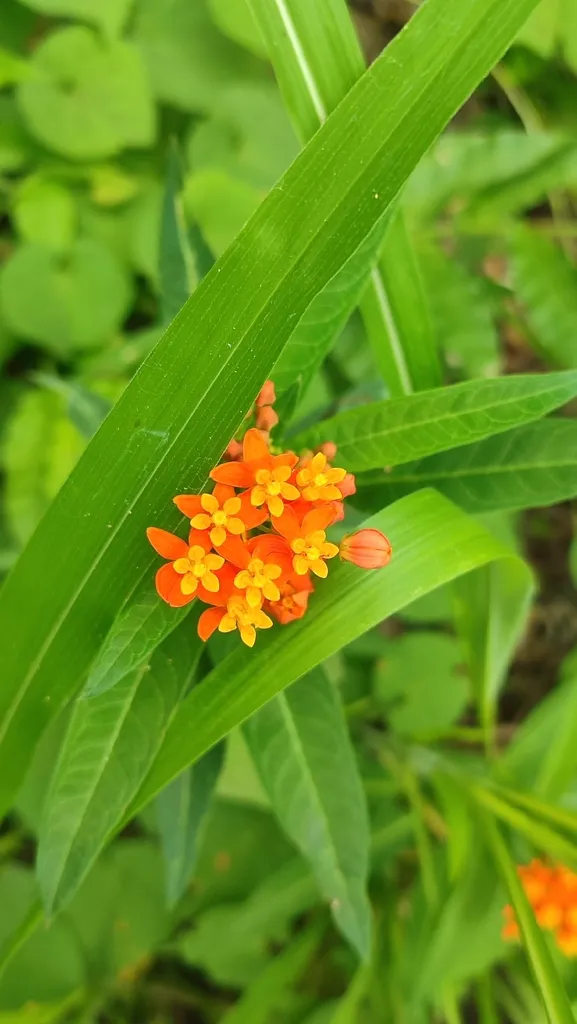
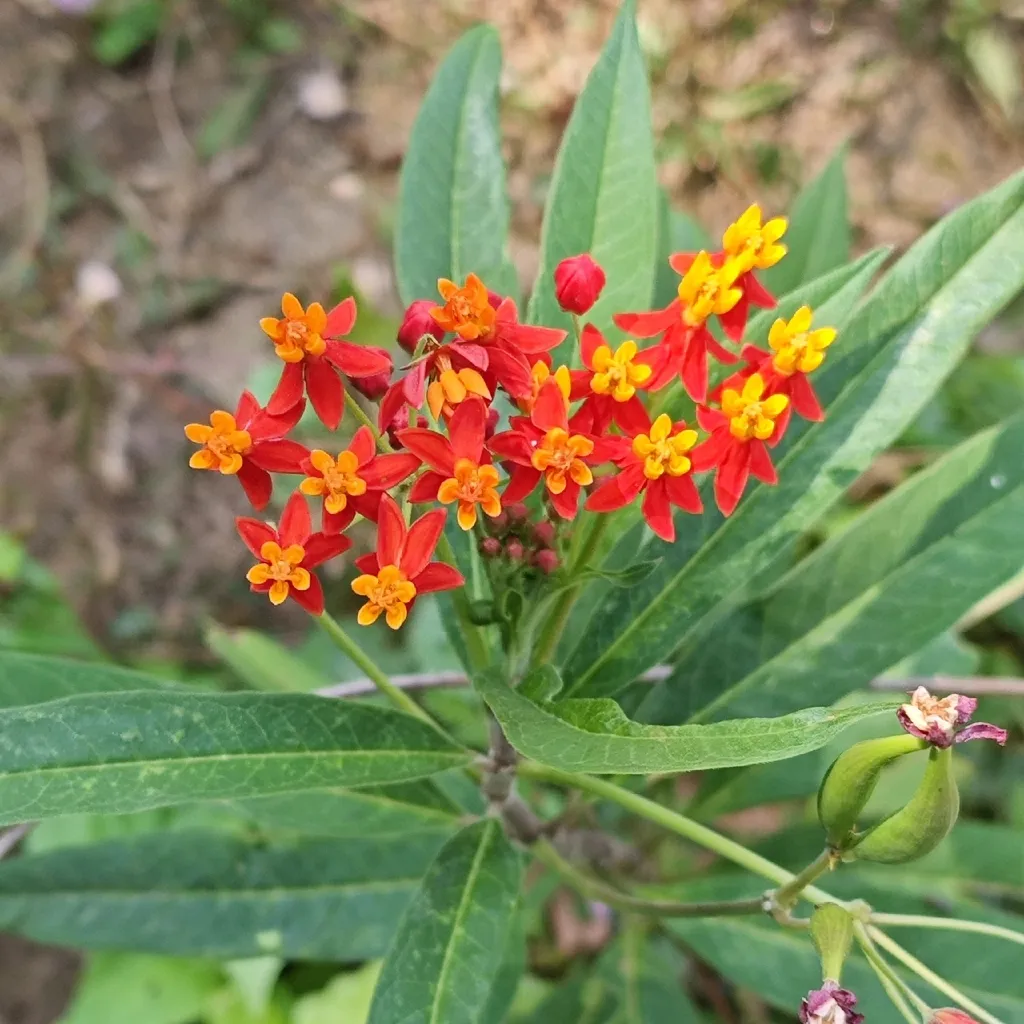
An upright evergreen sub-shrub with lance-shaped leaves and umbel-like terminal clusters of orange-red flowers 2cm across, in summer and autumn, sometimes followed by erect, ovoid fruit 6-8cm in length
Scientific classification
- Species
- bloodflower (Asclepias curassavica)
- Genus
- Asclepias
- Family
- Apocynaceae
- Order
- Gentianales
- Class
- Magnoliopsida
- Phylum
- Magnoliophyta
- Harmful if eaten. Wear gloves and other protective equipment when handling
- Toxicity
- Conservatory Greenhouse
- Plant type
- 0.5-1 metres
- Height
- 0.1-0.5 metres
- Spread
- Evergreen
- Foliage
- Bushy
- Habit
- Spring · Summer · Autumn · Winter
- Season of interest
- Full sun
- Sunlight
- Information to be completed
- Ideal temperature









bloodflower pictures
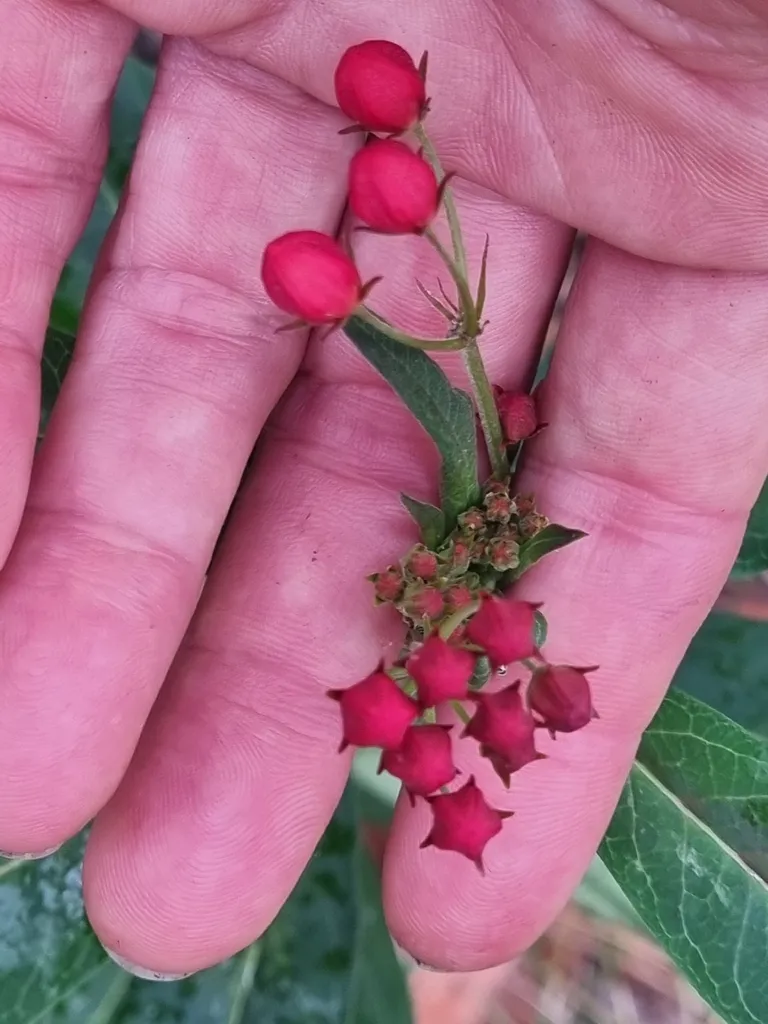
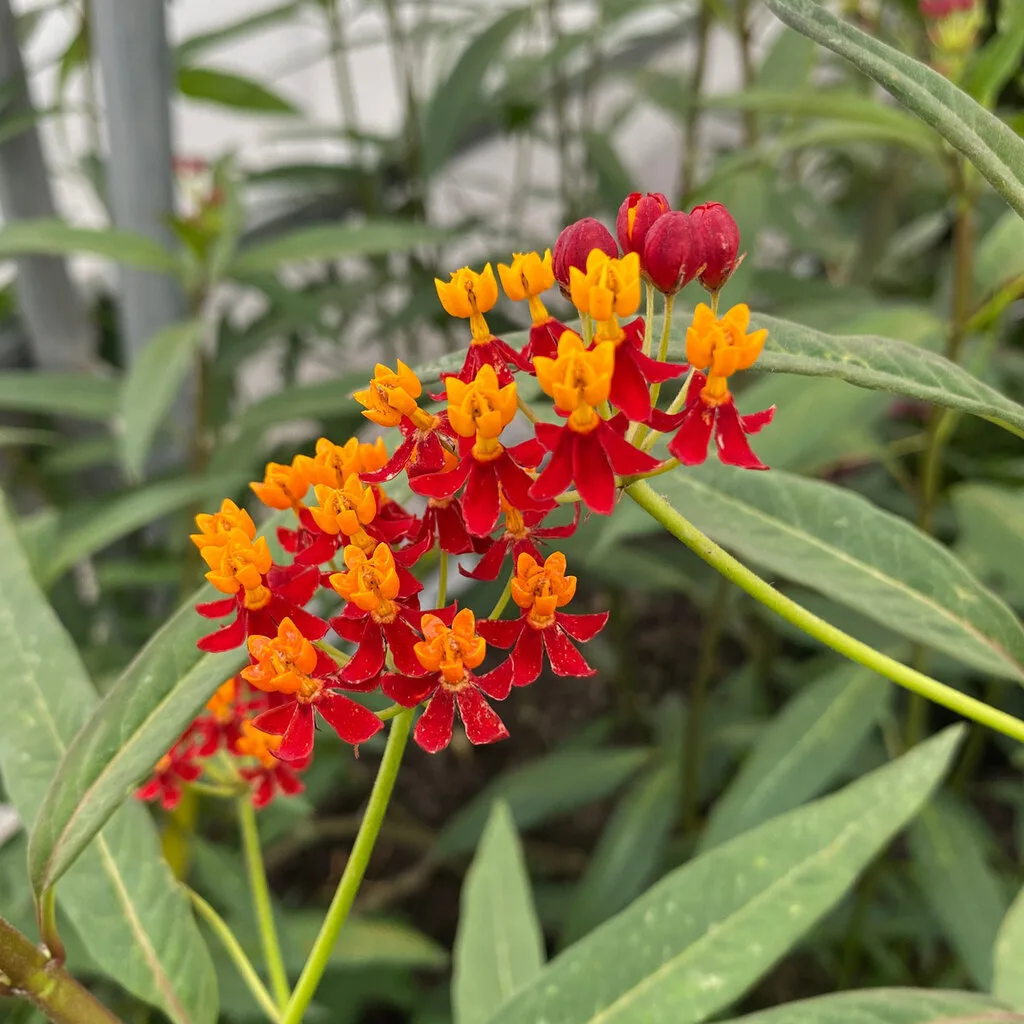
Toxicity
Harmful if eaten. Wear gloves and other protective equipment when handling
bloodflower care guide
- Moderate regular watering, allowing brief slight drying between soakings
- Watering
- Full sun
- Sunlight

Watering
Moderate regular watering, allowing brief slight drying between soakings
Fertilizing
 Fertilizing
Balanced perennial feed every four weeks from spring through summer
Pruning
 Pruning
No pruning required
Propagation
 Propagation
Propagate by seed, division or basal cuttings
Growing
 Growing
Grow outdoors in fertile well-drained loamy soil in full sun in frost-free area. Under glass grow in loam-based compost. Reduce watering after flowering and keep almost dry in the winter
Common pests and diseases
Diseases
Generally disease-free
Pests
May be susceptible to glasshouse whitefly under glass
Explore the plant health library →




