
Ohio buckeye
Also known as: Information to be completed
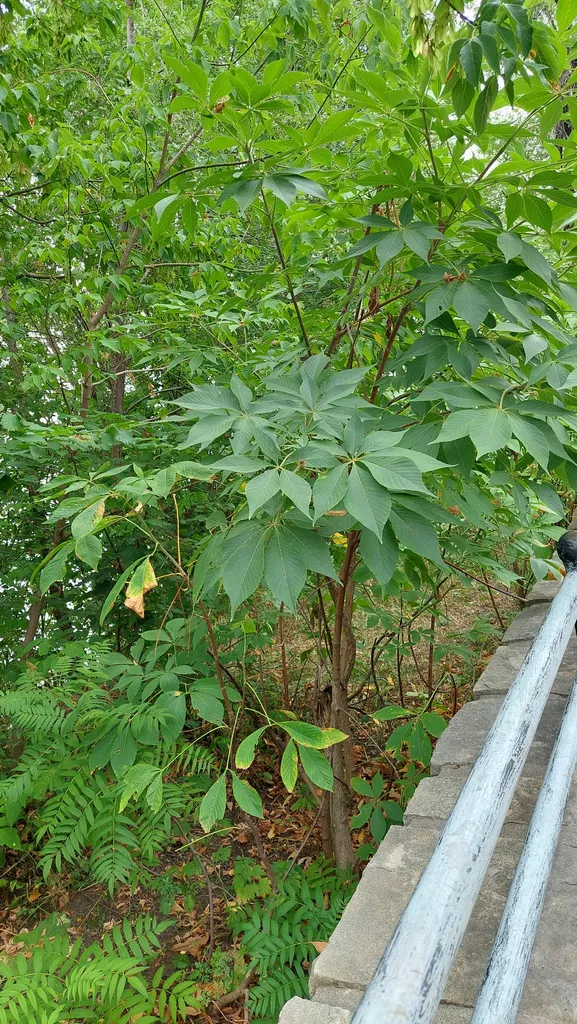
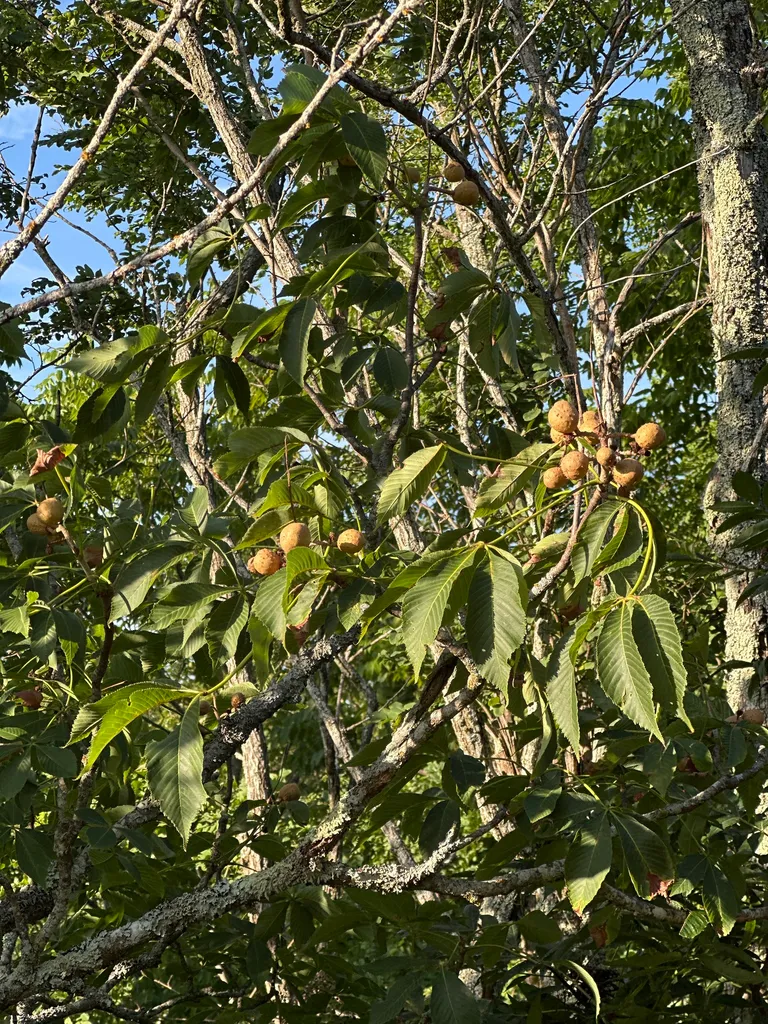
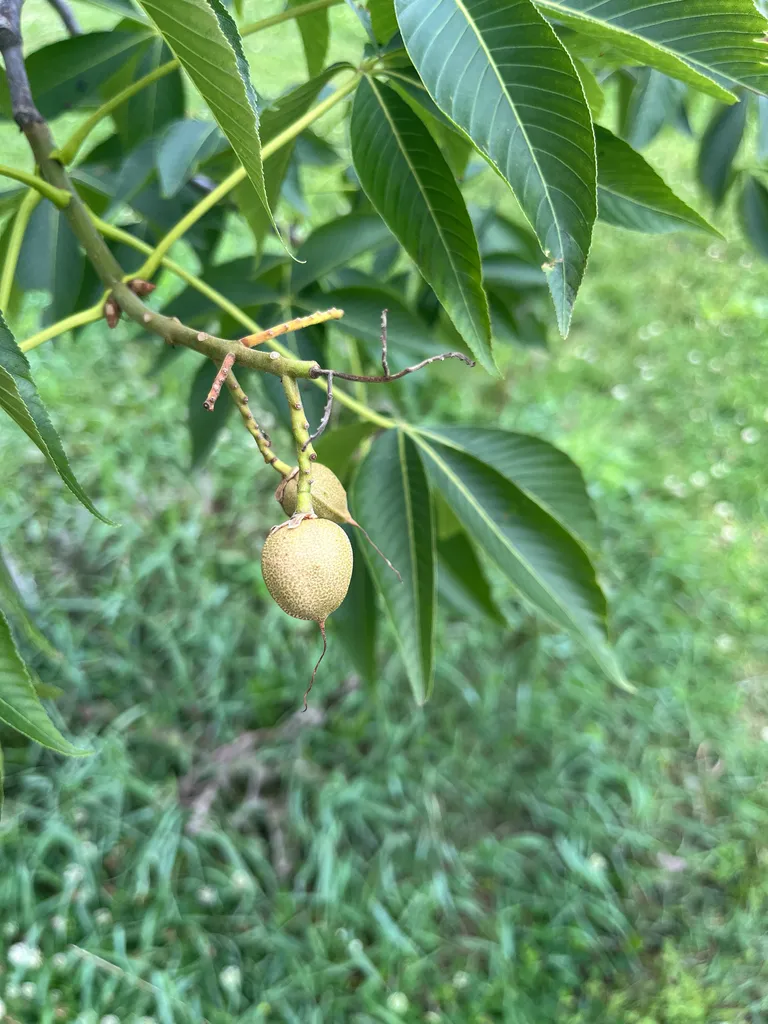
A broadly conical tree to about 15m, with rough bark and shiny, green leaves palmately divided into five long, pointed leaflets, turning yellow to orange-red in autumn. The flowers, borne in late spring and early summer, are yellow-green, in upright, terminal spires, followed by knobbly, pale brown fruit.
Scientific classification
- Species
- Ohio buckeye (Aesculus glabra)
- Genus
- Aesculus
- Family
- Sapindaceae
- Harmful if eaten. Wear gloves and other protective equipment when handling
- Toxicity
- Trees
- Plant type
- Higher than 12 metres
- Height
- wider than 8 metres
- Spread
- Deciduous
- Foliage
- Information to be completed
- Habit
- Autumn · Spring · Summer
- Season of interest
- Full sun · Partial shade
- Sunlight
- Information to be completed
- Ideal temperature









Ohio buckeye pictures
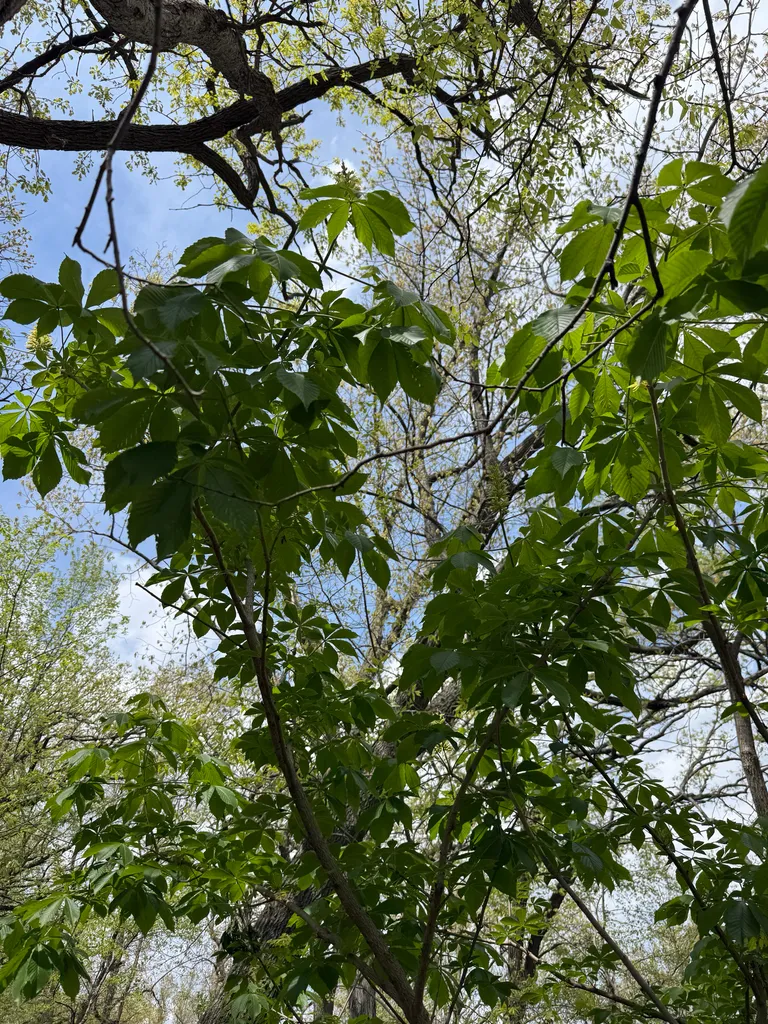
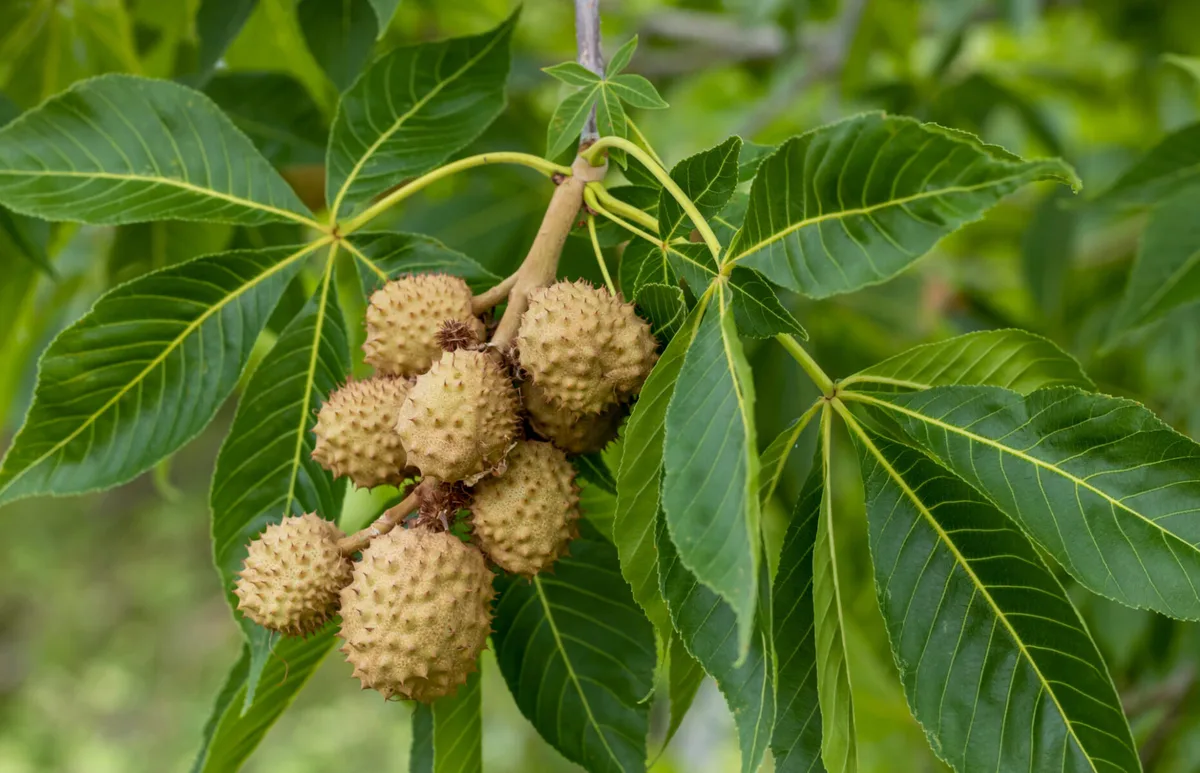
Distribution of Ohio buckeye
Distribution map
Information to be completed
Information to be completed
Culture
Information to be completed
Toxicity
Harmful if eaten. Wear gloves and other protective equipment when handling
Quick identification of Ohio buckeye
Information to be completed
Ohio buckeye care guide
- Deep infrequent watering, mulch layer preserves underground root moisture
- Watering
- Full sun · Partial shade
- Sunlight
- Information to be completed
- Ideal temperature

Watering
Deep infrequent watering, mulch layer preserves underground root moisture
Fertilizing
 Fertilizing
Large deciduous tree granular feed applied single time early spring yearly
Pruning
 Pruning
Little pruning is needed. Remove diseased, damaged, crowded or crossing shoots and unwanted growth. Timing depends on the plant: generally late winter or early spring; plants prone to bleeding and deciduous magnolias need different timing, and deciduous azaleas and lilacs are pruned after flowering.
Propagation
 Propagation
Propagate by seed
Growing
 Growing
Grows best in deep, fertile, moist but well-drained soil in sun or partial shade; only suitable for large gardens
People also ask
Information to be completed
Common pests and diseases
Diseases
May be susceptible to coral spot, canker, leaf spot and honey fungus
Pests
May be susceptible to horse chestnut leaf miner and horse chestnut scale
Explore the plant health library →




