magnolia 'Burncoose'
Also known as: Information to be completed
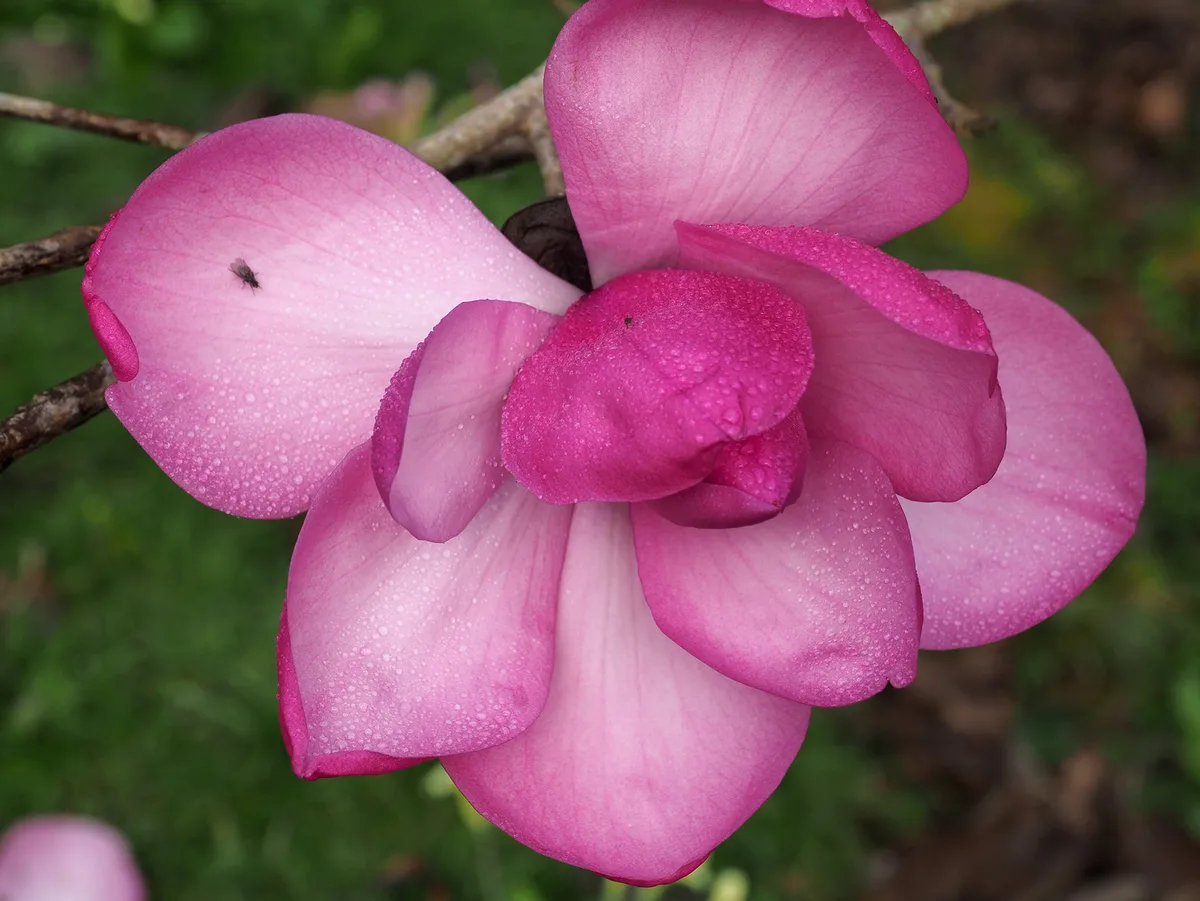
A deciduous tree to 12m tall, with deep rosy purple flowers to 30cm wide, in early spring
Scientific classification
- Species
- magnolia 'Burncoose' (Magnolia sprengeri var. diva 'Burncoose')
- Genus
- Magnolia
- Family
- Magnoliaceae
- Order
- Magnoliales
- Class
- Magnoliopsida
- Phylum
- Magnoliophyta
- Information to be completed
- Toxicity
- Trees
- Plant type
- 8-12 metres
- Height
- 4-8 metres
- Spread
- Deciduous
- Foliage
- Bushy
- Habit
- Spring · Summer · Autumn
- Season of interest
- Full sun · Partial shade
- Sunlight
- Information to be completed
- Ideal temperature








magnolia 'Burncoose' pictures
Distribution of magnolia 'Burncoose'
Distribution map
- Native
- Introduced
- Cultivated
Source:WCVP v16 · Royal Botanic Gardens, Kew · CC BY 3.0 · Boundaries:WGSRPD / TDWG
magnolia 'Burncoose' care guide
- Moderate regular watering, allowing brief slight drying between soakings
- Watering
- Full sun · Partial shade
- Sunlight

Watering
Moderate regular watering, allowing brief slight drying between soakings
Fertilizing
 Fertilizing
Balanced perennial feed every four weeks from spring through summer
Pruning
 Pruning
Magnolia pruning should be carried out in midsummer when in full leaf
Propagation
 Propagation
Propagate by softwood cuttings in early summer or semi-hardwood cuttings in late summer
Growing
 Growing
Grow in moist, humus-rich, well-drained neutral to acid soil in full sun or part shade with shelter from cold winds. Late frosts may damage flower buds. Further magnolia cultivation advice
Common pests and diseases
Diseases
May be susceptible to coral spot, phytophthora, grey moulds, honey fungus, a virus or fungal leaf spot
Pests
May be susceptible to scale insects, horse chestnut scale and capsid bug
Explore the plant health library →