
Cordyline pumilio
Also known as: Information to be completed
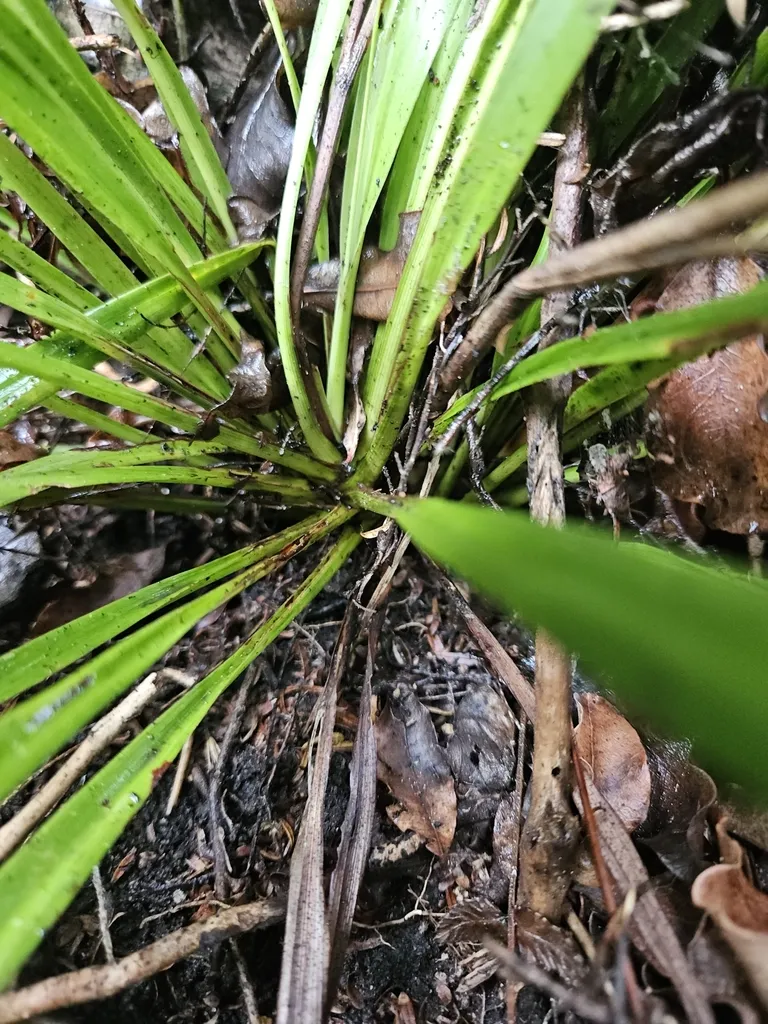
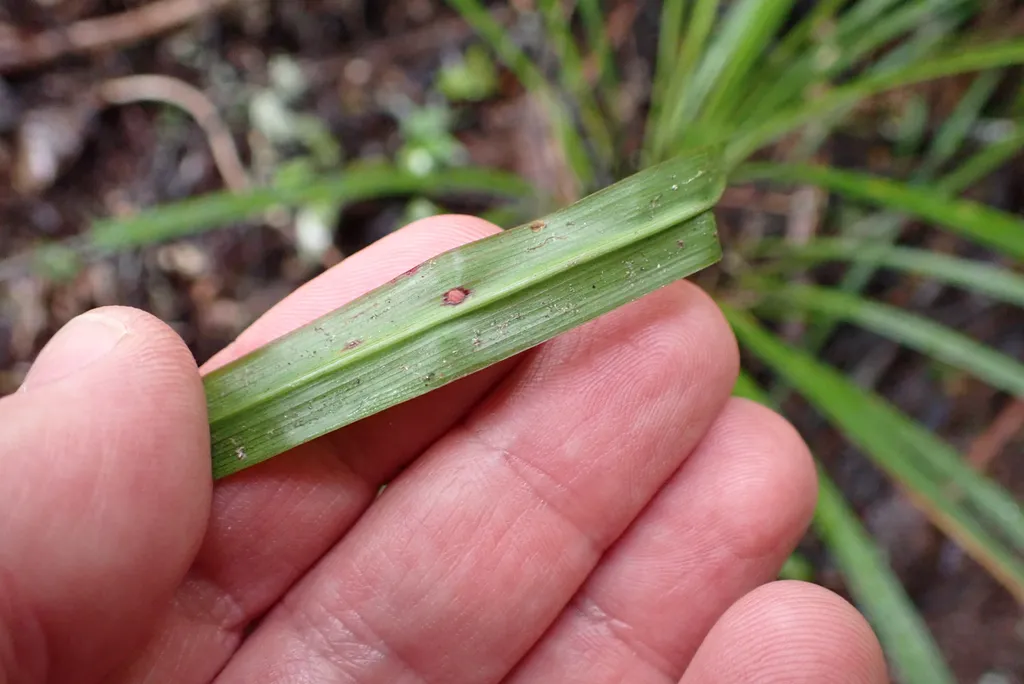
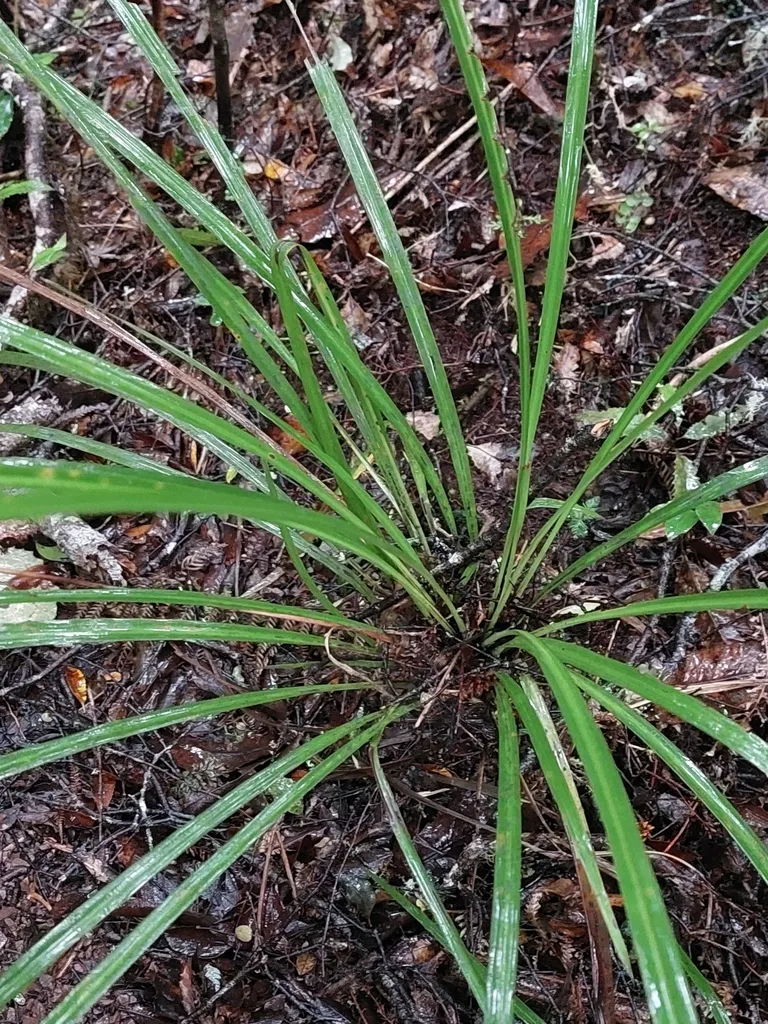
A small evergreen shrub to 1m, forming a tuft of narrow, grass-like leaves. In summer it produces arching sprays of small, starry white or pale pink flowers. Unlike most other cordylines this species does not form a trunk
Scientific classification
- Species
- Cordyline pumilio (Cordyline pumilio)
- Genus
- Cordyline
- Family
- Asparagaceae
- Order
- Asparagales
- Class
- Liliopsida
- Phylum
- Tracheophyta
- Information to be completed
- Toxicity
- Shrubs
- Plant type
- 0.5-1 metres
- Height
- 0.5-1 metres
- Spread
- Evergreen
- Foliage
- Tufted
- Habit
- Spring · Summer · Autumn · Winter
- Season of interest
- Full sun · Partial shade
- Sunlight
- Information to be completed
- Ideal temperature









Cordyline pumilio pictures
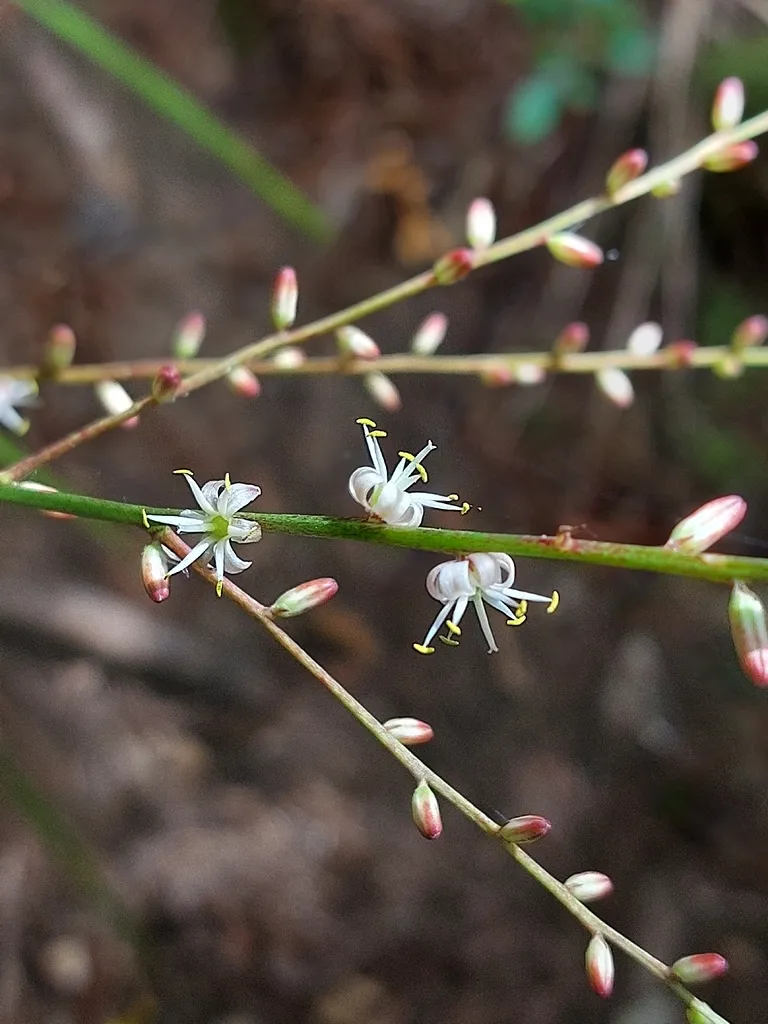
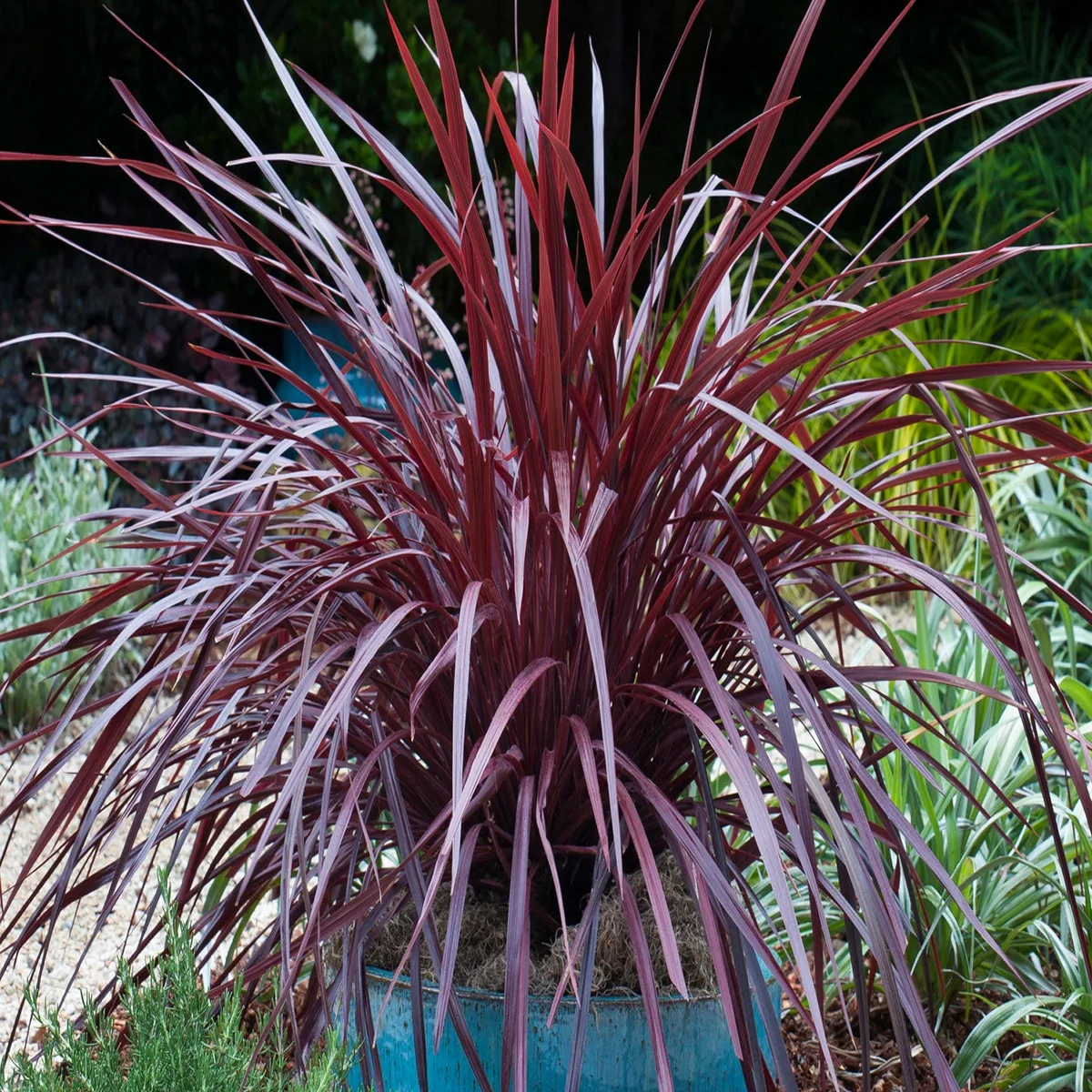
Distribution of Cordyline pumilio
Distribution map
- Native
- Introduced
- Cultivated
Source:WCVP v16 · Royal Botanic Gardens, Kew · CC BY 3.0 · Boundaries:WGSRPD / TDWG
Cordyline pumilio care guide
- Moderate regular watering, allowing brief slight drying between soakings
- Watering
- Full sun · Partial shade
- Sunlight

Watering
Moderate regular watering, allowing brief slight drying between soakings
Fertilizing
 Fertilizing
Balanced perennial feed every four weeks from spring through summer
Pruning
 Pruning
No pruning required
Propagation
 Propagation
Propagate by seed
Growing
 Growing
Grow in any soil in sun or partial shade; C. pumilo is tolerant of poor soils and exposed situations, and is drought tolerant once established
Common pests and diseases
Diseases
May be susceptible to cordyline slime flux and honey fungus (rarely)
Pests
Generally pest-free
Explore the plant health library →




