
large yellow foxglove
Also known as: cream-coloured foxglove; great yellow foxglove; large-flowered foxglove; yellow foxglove
A clump-forming perennial to 80cm in height, with dark, evergreen foliage and erect spires of tubular, creamy-yellow flowers 4-5cm in length
Scientific classification
- Species
- large yellow foxglove (Digitalis grandiflora)
- Genus
- Digitalis
- Family
- Plantaginaceae
- TOXIC if eaten. Wear gloves and other protective equipment when handling
- Toxicity
- Herbaceous Perennial
- Plant type
- 0.5-1 metres
- Height
- 0.1-0.5 metres
- Spread
- Evergreen
- Foliage
- Clump forming
- Habit
- Spring · Summer · Autumn · Winter
- Season of interest
- Full shade · Full sun · Partial shade
- Sunlight
- Information to be completed
- Ideal temperature









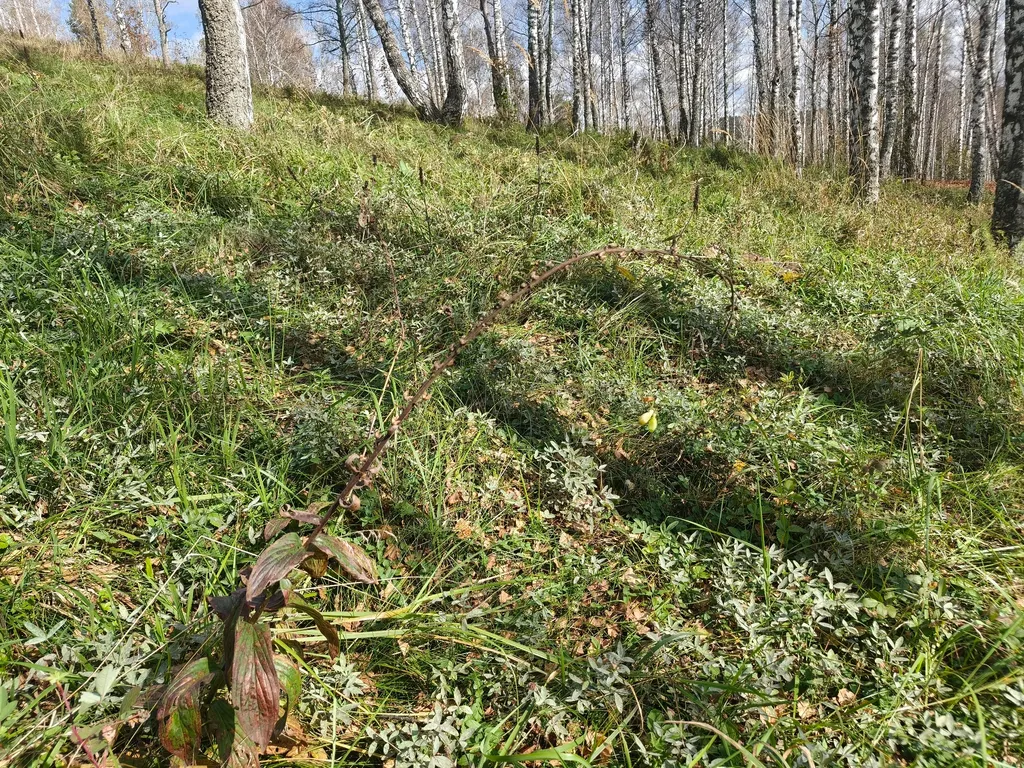
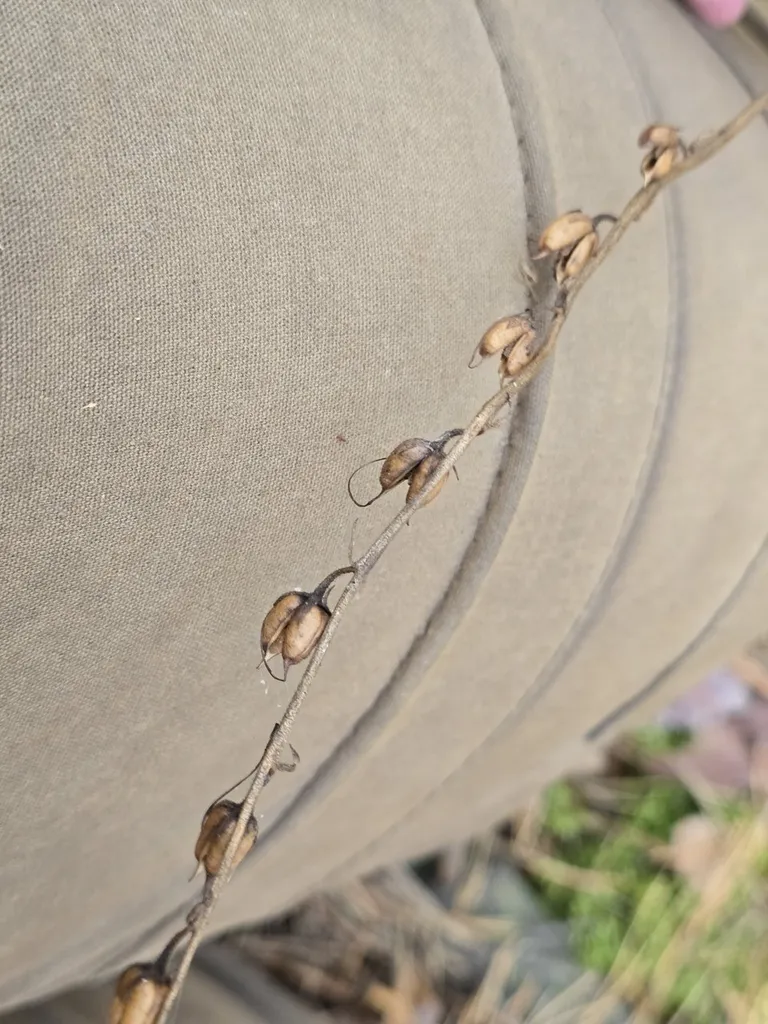
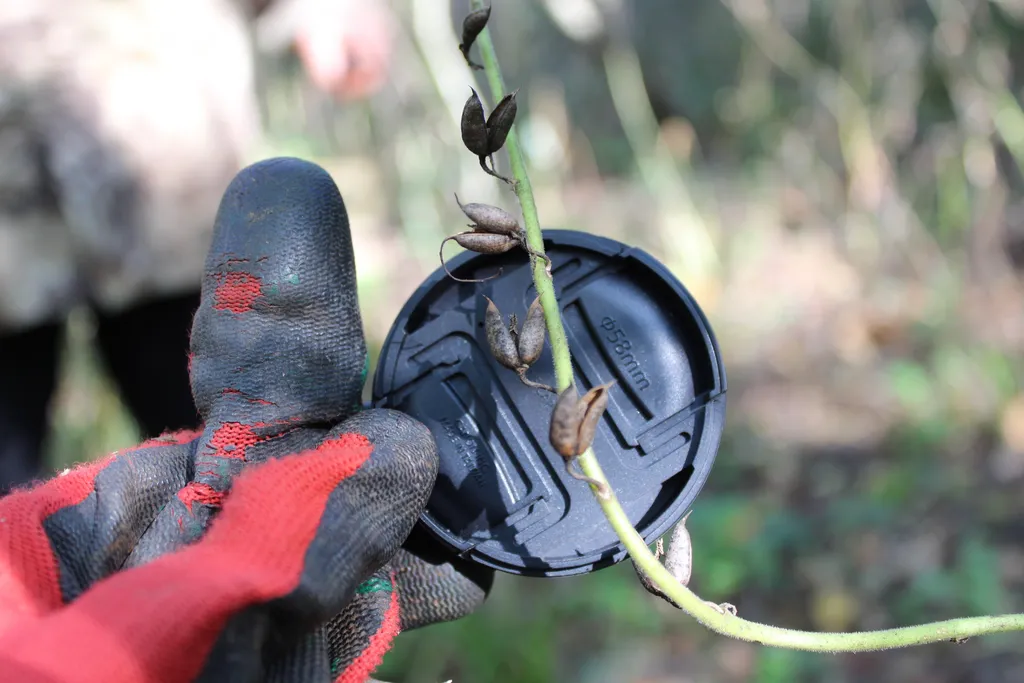
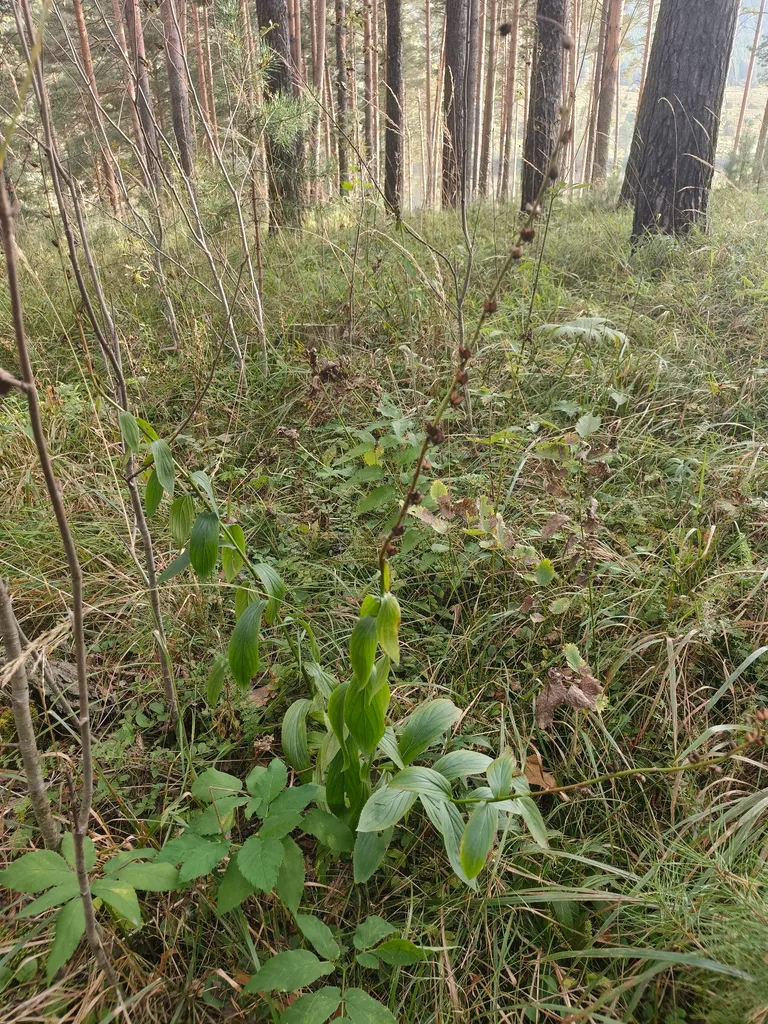
large yellow foxglove pictures
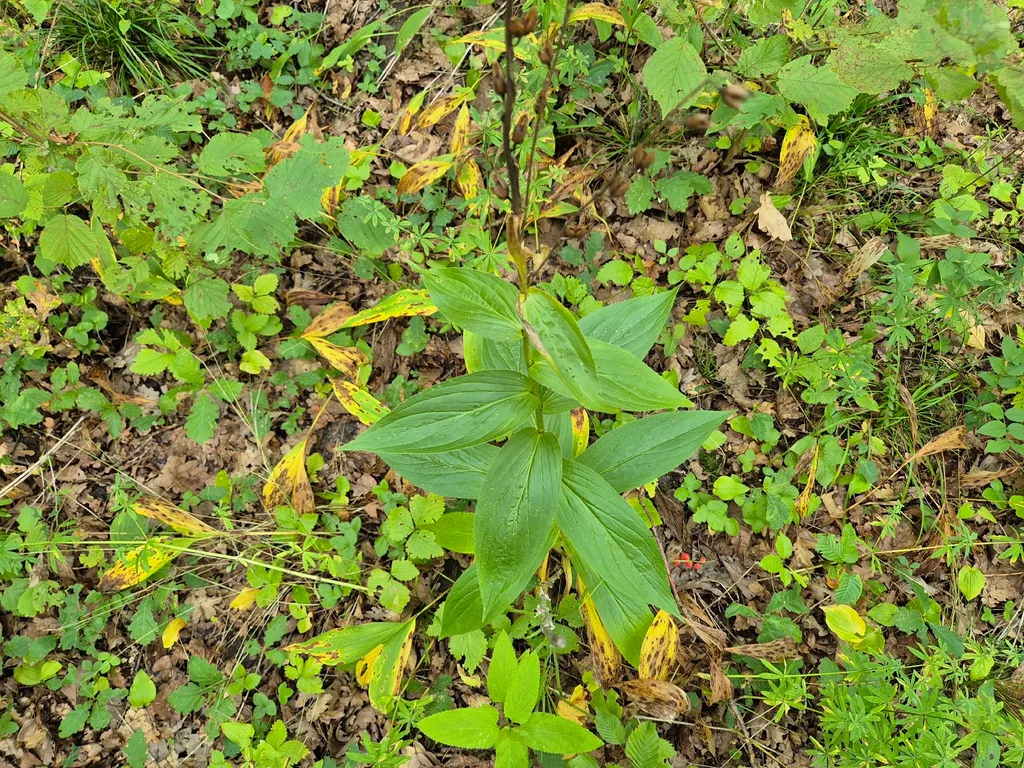
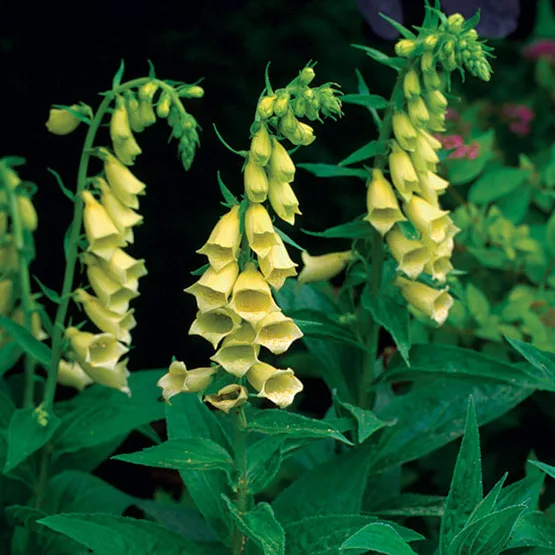
Distribution of large yellow foxglove
Distribution map
Europe to Western Siberia
Information to be completed
Culture
Information to be completed
Toxicity
TOXIC if eaten. Wear gloves and other protective equipment when handling
Quick identification of large yellow foxglove
Information to be completed
large yellow foxglove care guide
- Moderate regular watering, allowing brief slight drying between soakings
- Watering
- Full shade · Full sun · Partial shade
- Sunlight
- Information to be completed
- Ideal temperature

Watering
Moderate regular watering, allowing brief slight drying between soakings
Fertilizing
 Fertilizing
Balanced perennial feed every four weeks from spring through summer
Pruning
 Pruning
Cut back main flower spike as it fades to encourage the growth of flowering side shoots
Propagation
 Propagation
Propagate by seed sown in pots in a cold frame in late spring or propagate by division in early spring
Growing
 Growing
Will grow in almost any soil or situation except very wet or very dry; ideal site is a humus-rich soil in partial shade.
People also ask
Information to be completed
Common pests and diseases
Diseases
May be susceptible to powdery mildews, downy mildews and leaf spot
Pests
May be susceptible to aphids and leaf and bud eelworm
Explore the plant health library →




